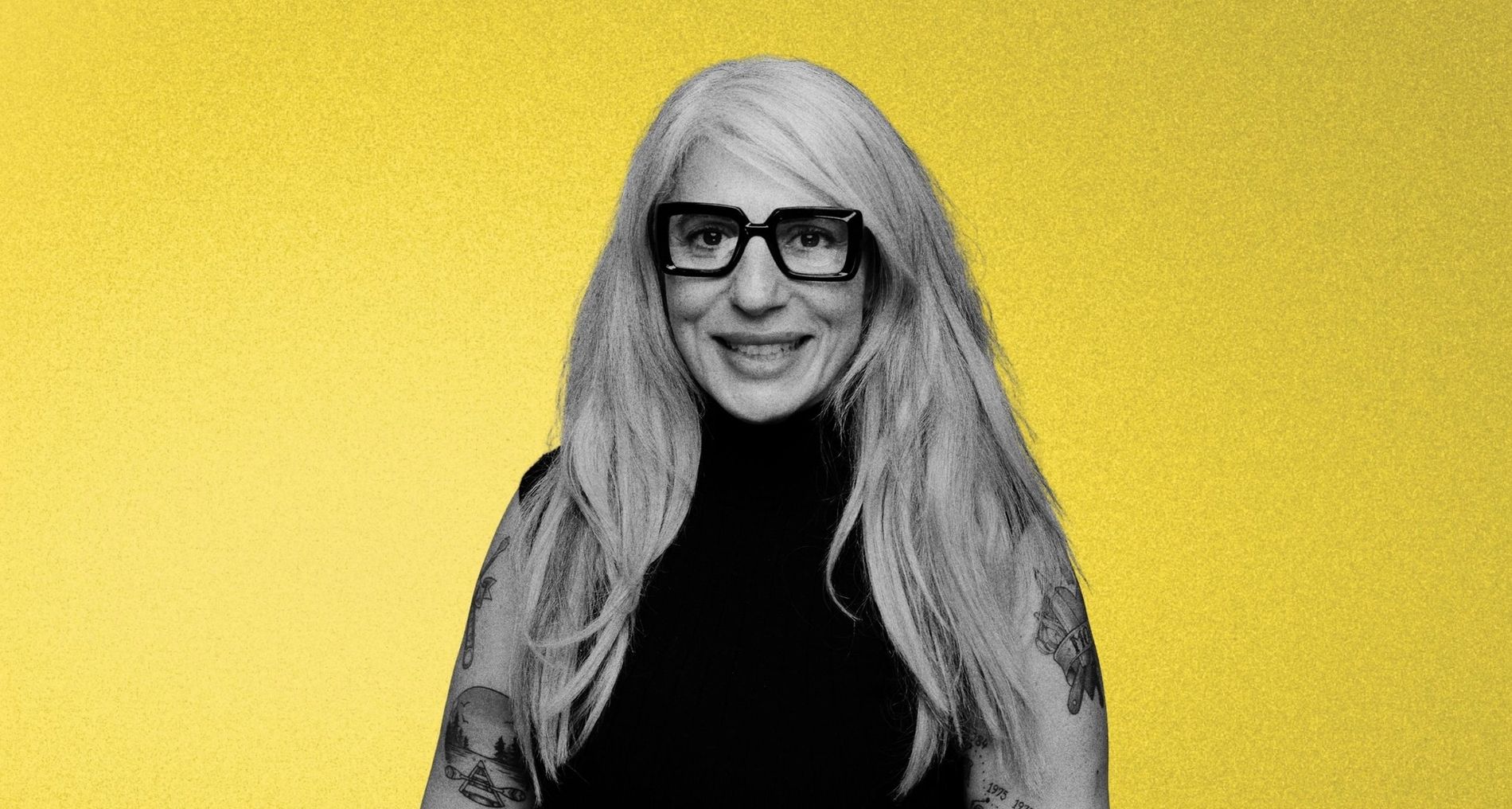
«91% of your health depends on where and how you live»
Most of what keeps us healthy has nothing to do with a doctor’s office. It's about where and how we live, what we eat, how much we sleep or how much stress we carry. If cities shape almost everything that keeps us healthy, then the future of healthcare may not be a hospital at all. It may be the city itself.
In our conversation with Zayna Khayat, applied health futurist and changemaker, we explore what a city-based health system could look like in 2040 — one built on prevention, decentralisation, and a radical rethink of where care happens.
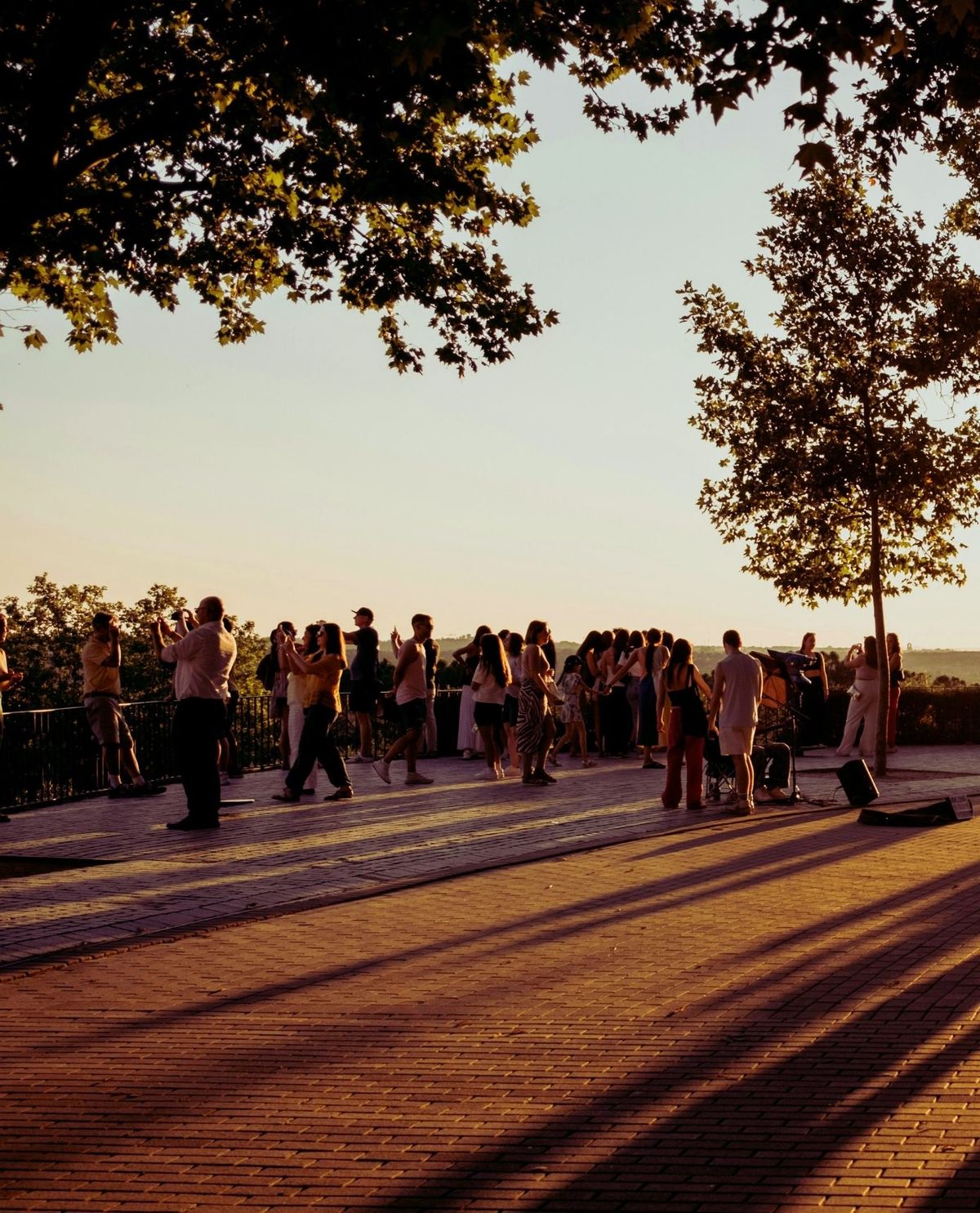

Images by Jordan González on Unsplash & Fanette Guilloud on Death To Stock
The textbook definition of health isn't about healthcare — it's about your ability to manage, or self-manage, in the face of health challenges. Take me: I was born with bad eyesight. In the medical model, I would technically be sick because my body is not working properly. Now I’m wearing glasses and I can self-manage this challenge. That's health.
Only about 9% of that depends on medical care. The other 91% is everything else; where you live, how you live, what you eat, how much you sleep, what you drink, how much stress have in your life. And who controls those things? Well, the city. Healthcare systems are realising that they can only impact 9% of this equation, and the answer must be the environment we live in, the food we’re putting in our mouth, how much we are moving, sleeping or the sunlight we’re exposed.
If you follow the major shifts in health systems, there is this move to what we call upstream of medical health — away from medical care and towards everything that happens before someone gets sick. We can't afford to do medical health anymore, even with all the AI in the world. That is already happening and cities play a huge role because health is created and destroyed wherever you are.
It's coming from two directions at once. On one hand, cities are reaching a point where the health of their population directly affects their prosperity, so they're becoming much more involved in making sure people don't need to access healthcare in the first place. On the other hand, healthcare systems are realising that most patients show up at their door because of what I call "life sucks disease" — problems rooted in people's home life that make them sick in the first place. So, healthcare organisations are increasingly investing in the things that keep people well: food access, walking infrastructure, the basics. They're essentially trying to put themselves out of business.
These two movements are converging. The leading cities are already proactively connecting with healthcare systems.
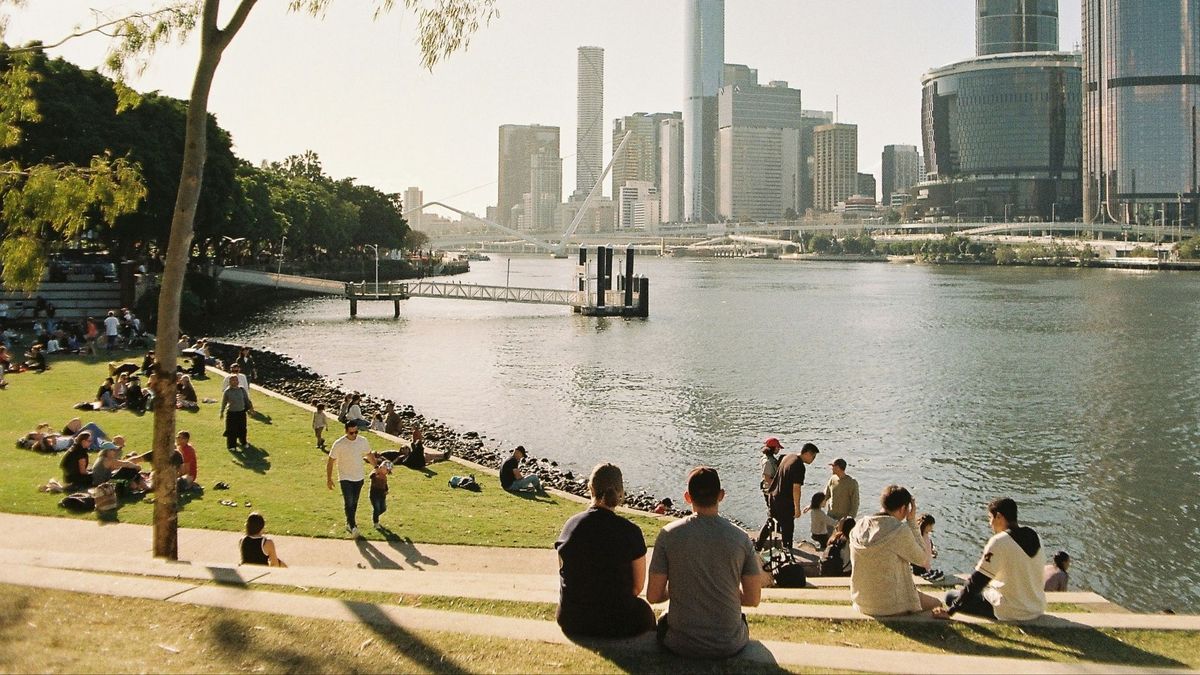
Image by Oliver Guhr on Unsplash
Not in hospitals. This shift I call it "care anywhere." There are things that today happen at home or in community centres that used to only be done at a hospital. That trend will continue at a much faster pace. And on top of that, you and I as citizens will have access to all our own data, which means we'll be able to self-manage a lot more on our own.
I’m going to give you an example everyone can relate to the USA Food and Drug Administration recently approved the first-ever home prenatal ultrasound device, available by prescription just like medication from a pharmacy. We still have terrible maternal and infant mortality rates in many parts of the world — high-risk pregnancies that simply can't be monitored because ultrasounds and obstetricians are only available in cities, and only to those who can afford them. It’s going to change everything it this starts to become a normal tool like a bathroom scale or a thermometer. Those used to require a hospital visit and are now in every home. I'd bet we won't have most births happen in hospitals anymore, because the baby can be monitored at home.
Hospitals will become a shell of what they are today. But you'll still need them for emergency rooms, operating rooms, intensive care units — we are not ready yet to do full surgeries at home.
If we are assuming that the healthcare system is still in control of these resources, yes, they will be ahead because the data has been kept this whole time. But I think that low and medium income countries can leapfrog because they don't have decades of old infrastructure to dismantle first. There's nothing to hang on to, so there's nothing holding them back. A great analogy are landlines. Cooper wires took years to build, and only one or two companies could do it per country. Then we switched to mobile. Many African countries never had to lay copper wire at all; they went straight to mobile.
I think a lot of countries that are "behind" on healthcare data are going kill it in the future. In Canada or Spain, we are stuck in undoing old structures that don’t want to be modernised
I don't know what "should" be done. The jury's still out on what works. But there are places that have an ambition, they’ve aligned on a vision, and they are going for it.
Then there's the "donut economy” concept developed by Mariana Mazzucato. For a given city, you define a circle that within these boundaries can be perfectly self-sustaining for climate, planted, health, and income security: everyone has what they need for a decent quality of life. In practice, almost nobody has fully implemented it, because it means rewiring everything, but for example Amsterdam is on a journey to create a “donut economy” which is affecting everything of how the city operates.
The last example is less tech related but still relevant: Blue Zones. Theres is an area in Sardinia, Italy, that scientists are studying because the average life expectancy is past 100 years. They walk up and down mountains every day, they eat whole foods, they maintain strong friendships… Because they have everything, we need to stay alive and be healthy without the need of medication. Researchers later identified other Blue Zones around the world, that can be understood as naturally occurring ideal cities due to how life is lived.
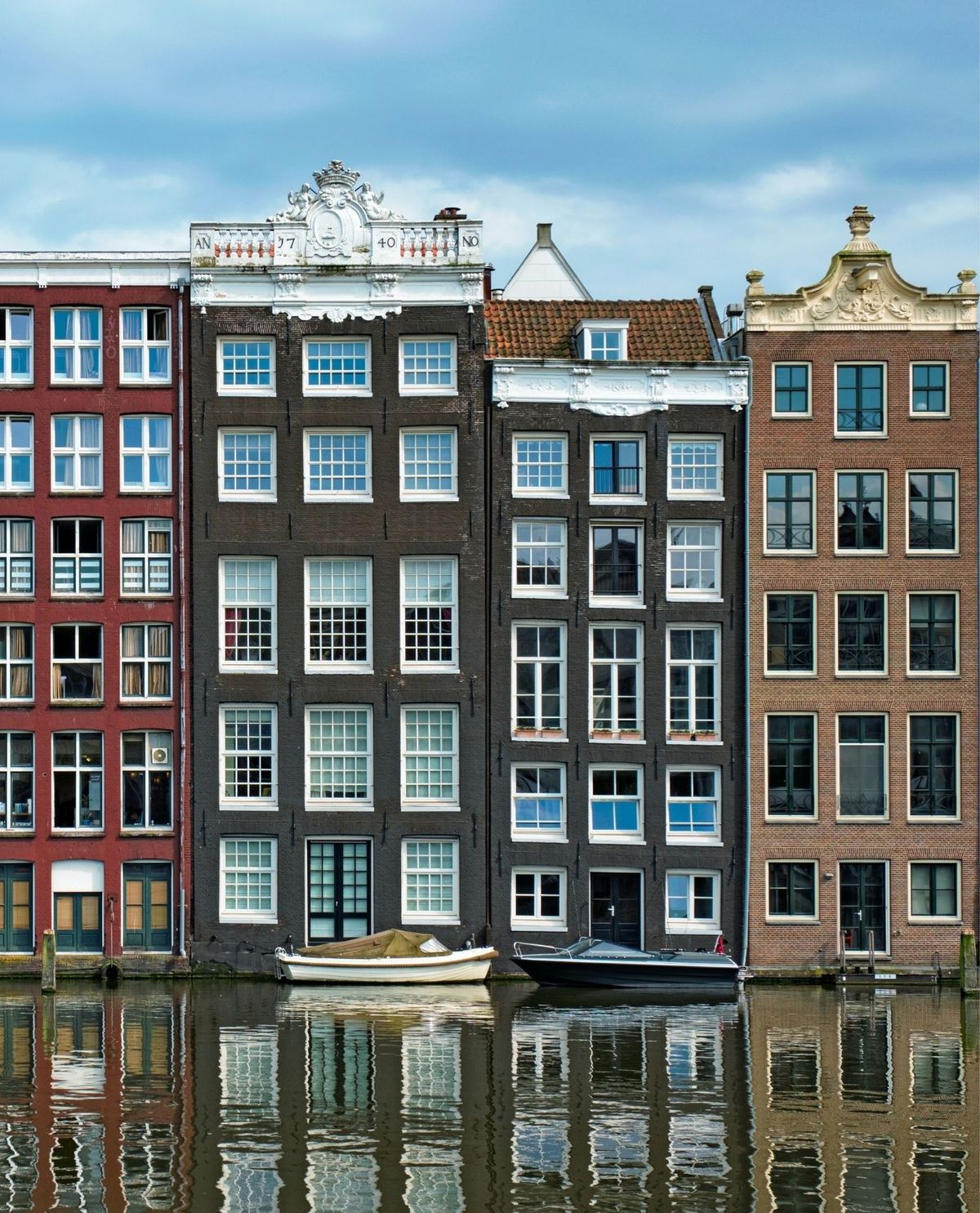

Images by Getty Images & Behnam Norouzi on Unsplash
I live in Toronto, and I'd say my city has flow in their life. Things just work; there’s no angst about it.
When the city is just waking up. A slight hum of the cars, a little bit of birdsongs, a bit of wind.
Braiding Sweetgrass by Robin Wall Kimmerer. I think is a Bible for how we need to live. Sweetgrass is a type of grass that indigenous communities braid together to make a rope. One blade can’t do much, but braided it becomes very strong. ●
Related Articles

Beyond Books and Shelves: Four Cities Reimagining the Public Library — and Public Life
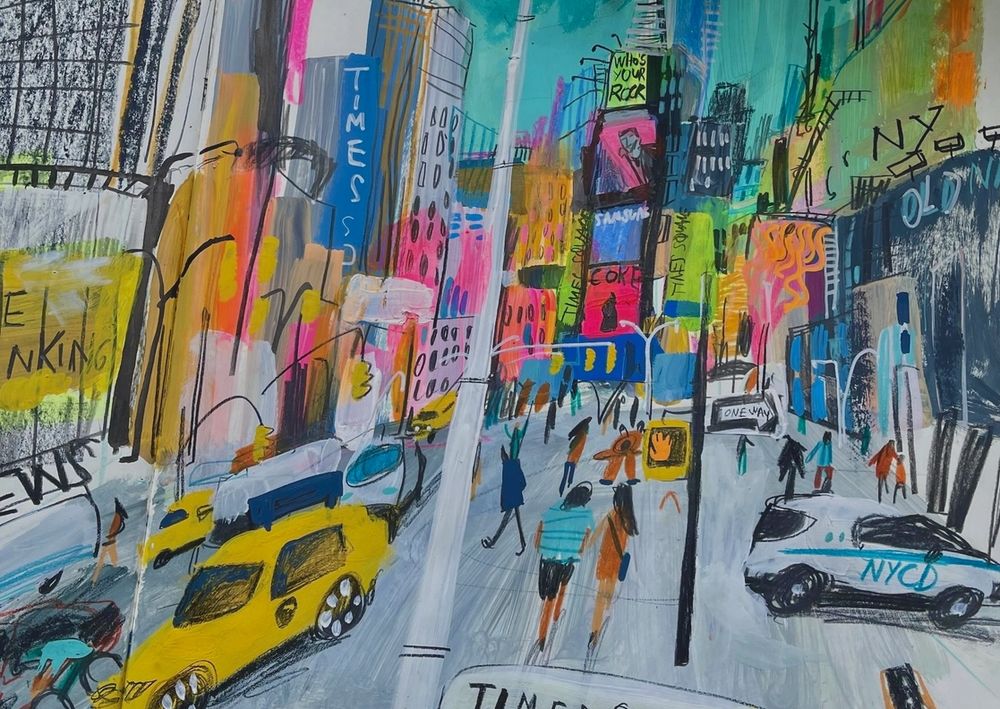
«Urban sketching is a form of love towards the city, to things that are not perfect»
.jpg?w=1000&q=80&fit=max&auto=format)
What's New at the New CitiesToBe?