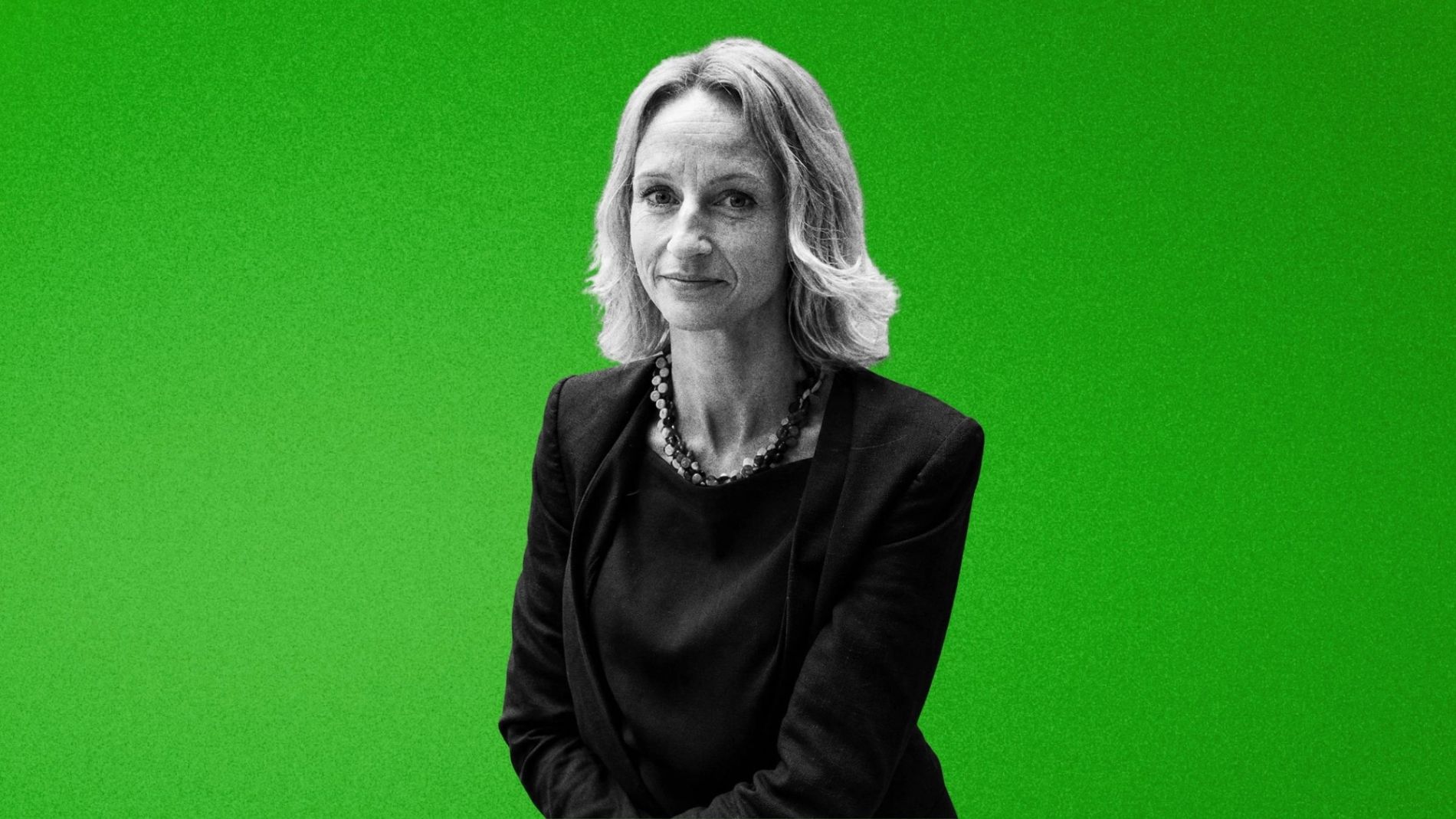
«Each citizen should be able to see at least three trees from their home»
In Seoul, South Korea, the removal of a highway built during the post-war economic boom — which ran eastward through the heart of the city — led to the restoration of the Cheonggyecheon stream. Today, this urban waterway is home to diverse species of native plants and animals, helps mitigate the urban heat island effect, and has become a vibrant meeting point for locals and visitors alike.
Like Seoul, more and more cities are turning away from decades of car-centric urban planning that gutted city centres and suburbs across the world, recognising green spaces as an essential part of the 21st-century urban fabric.
A vast body of research supports that living around green spaces improves physical, mental and social health. With Matilda van den Bosch, a pioneering researcher at the Barcelona Institute for Global Health and the Biocities Facility of the European Forest Institute, working at the intersection of urban nature and human health, we explore how green infrastructure is being integrated into cities around the world — and what a city designed around healthy living might look like.
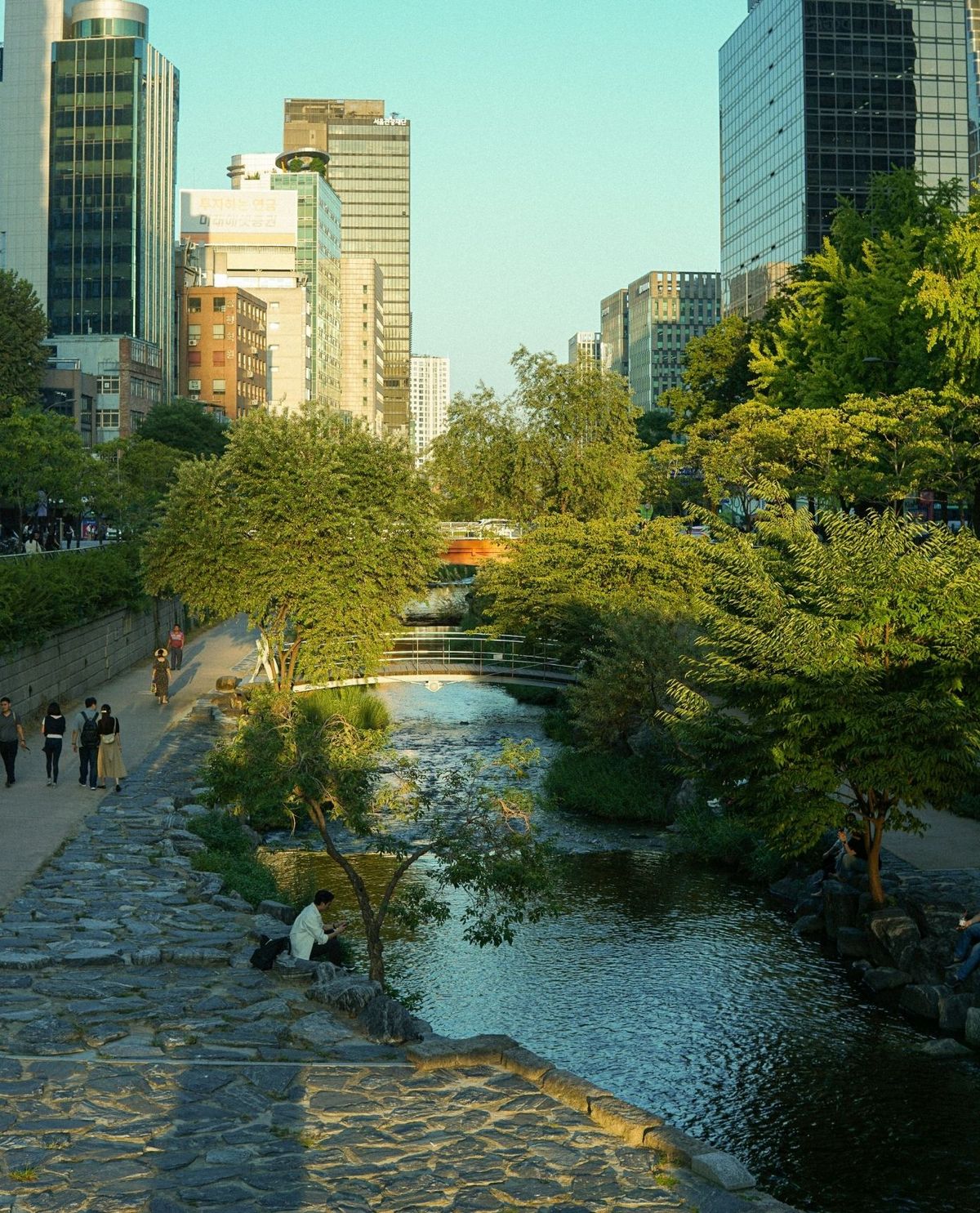

Images by jieun kim & Annie Spratt on Unsplash
When we look at green infrastructure and in urban spaces, research provides evidence for its contribution to regulating and cultural ecosystem services.
The regulating ecosystem services are the most impactful in terms of physical human health, and the main effect is on heat reduction. With climate change accelerating, we are facing more intense urban heat islands and more frequent exposure to dangerous heat stress. Green infrastructure and tree canopy facilitate evapotranspiration, provide shading, and lower temperatures. In Europe, a study showed that if we increased tree canopy to a 30%, we could reduce heat-related mortality by a third.
Then we have the cultural ecosystem services. In neighbourhoods with more green spaces, people tend to move more — and physical inactivity is a major risk factor for cardiovascular disease and certain cancers. Furthermore, they are democratic spaces where people can gather for free, strengthen social ties and the sense of belonging to a community. We know that social isolation is a severe risk factor — loneliness is as dangerous as smoking 15 cigarettes per day! And then there is a lot of research providing evidence on how contact with green spaces translates into better mental health, with lower levels of acute and chronic stress, depression or anxiety. All of this translates into a better overall health and wellbeing.
There is a big divide between the Global North and the Global South. The World Health Organisation defines green spaces as public health assets and recommends that people should have access to them at least within 300 meters from their residence. The extent to which cities live up to this varies immensely.
There are good examples, like Barcelona, which has tried to do things in this direction with the Green Axes or the Superblocks. Vegetation has been planted in a strategic way and with biodiversity in mind, with plants that pollinators can use and the city has the resources to do the maintenance. In the Netherlands, Utrecht has closed the centre to car traffic and replaced these surfaces with trees and vegetation.
But in the Global South, where the pace of urbanisation is the fastest right now, is where our focus should be put as it will be where the effects of climate change will be felt the strongest. Supporting the integration of green spaces from the early stages of urban development in this part of the world is an essential matter, because from a planetary health perspective we are not going to survive as a species if we don’t protect nature and ecosystems across the globe. Our planet is at a tipping point.
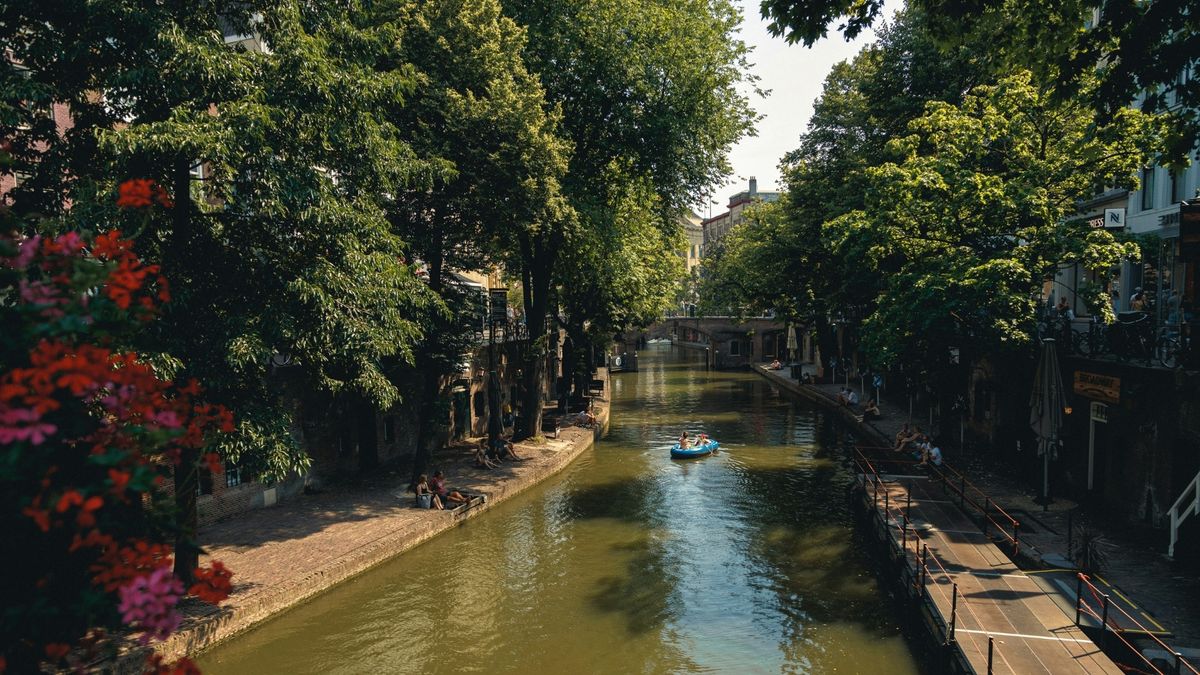
Image by Uitbundig on Unsplash
No! There has been progress made, but everything is still going far too slowly. The fact that urban green spaces have appeared in guidelines of the World Health Organisation is genuinely significant, this creates an accountability structure and measurable indicators around their development. But the pace does not match the environmental and climatic crises we have.
This is a question around distribution. You can have a city that meets the recommended 30% tree canopy target, but if it is concentrated in certain neighbourhoods, this does not tackle our question of health equity. The approach must be that each small unit of the city should reach this coverage.
The 3-30-300 urban planning recommendation is a good starting point: each resident should be able to see at least three trees from their home; their neighbourhood should have 30% tree canopy coverage; and they should have access to a green space within 300 meters. You just need to have it distributed around the city.
It is about looking at how cities should develop in the future through a circular approach: the city is self-sustaining and based on bioeconomy. It has to use sustainable resources and materials, and green infrastructure.
Biodiversity is also important in the biocities concept. I personally call it biocultural diversity: an inclusive city where different cultures thrive together, including with people, plants, and all vegetation.
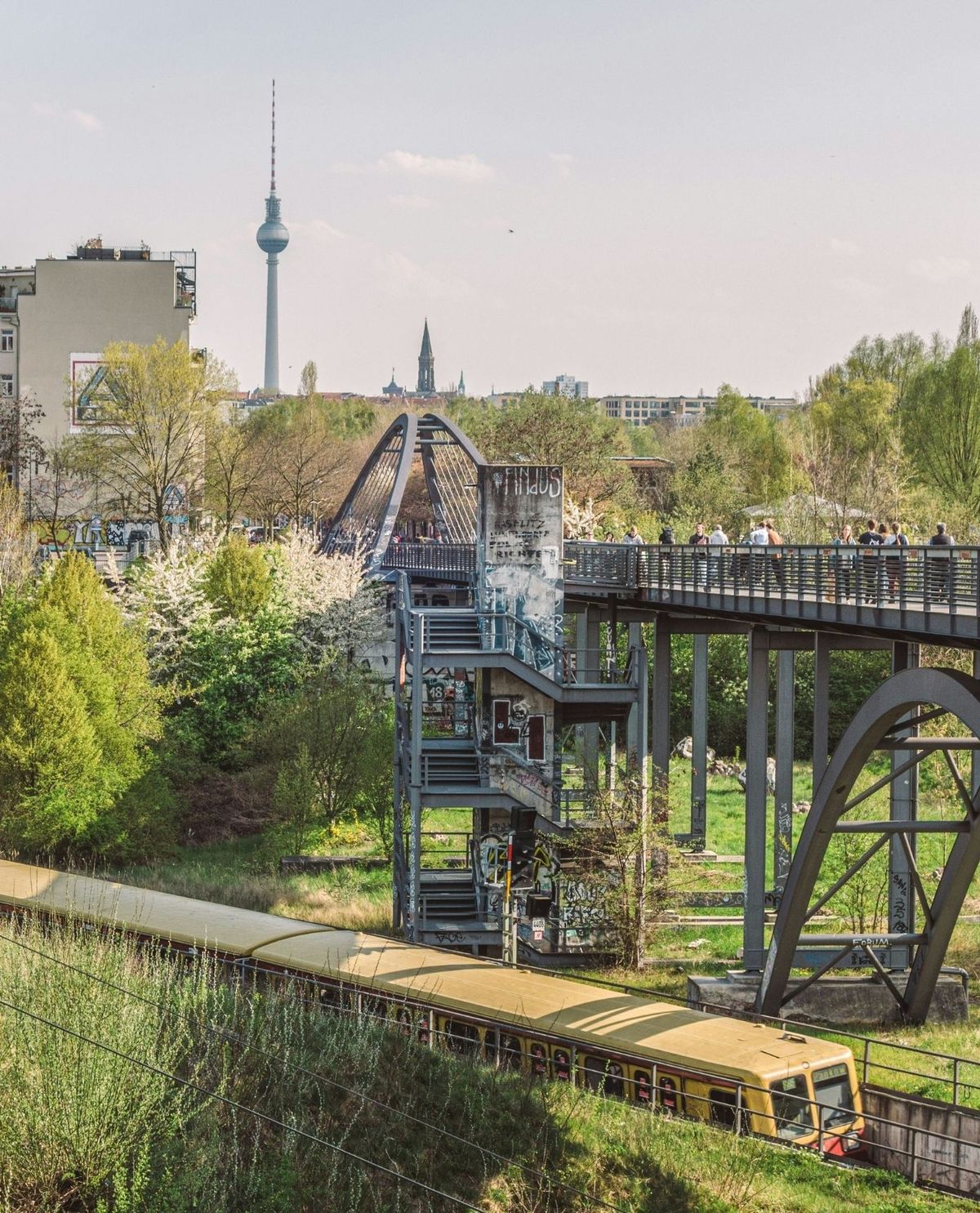
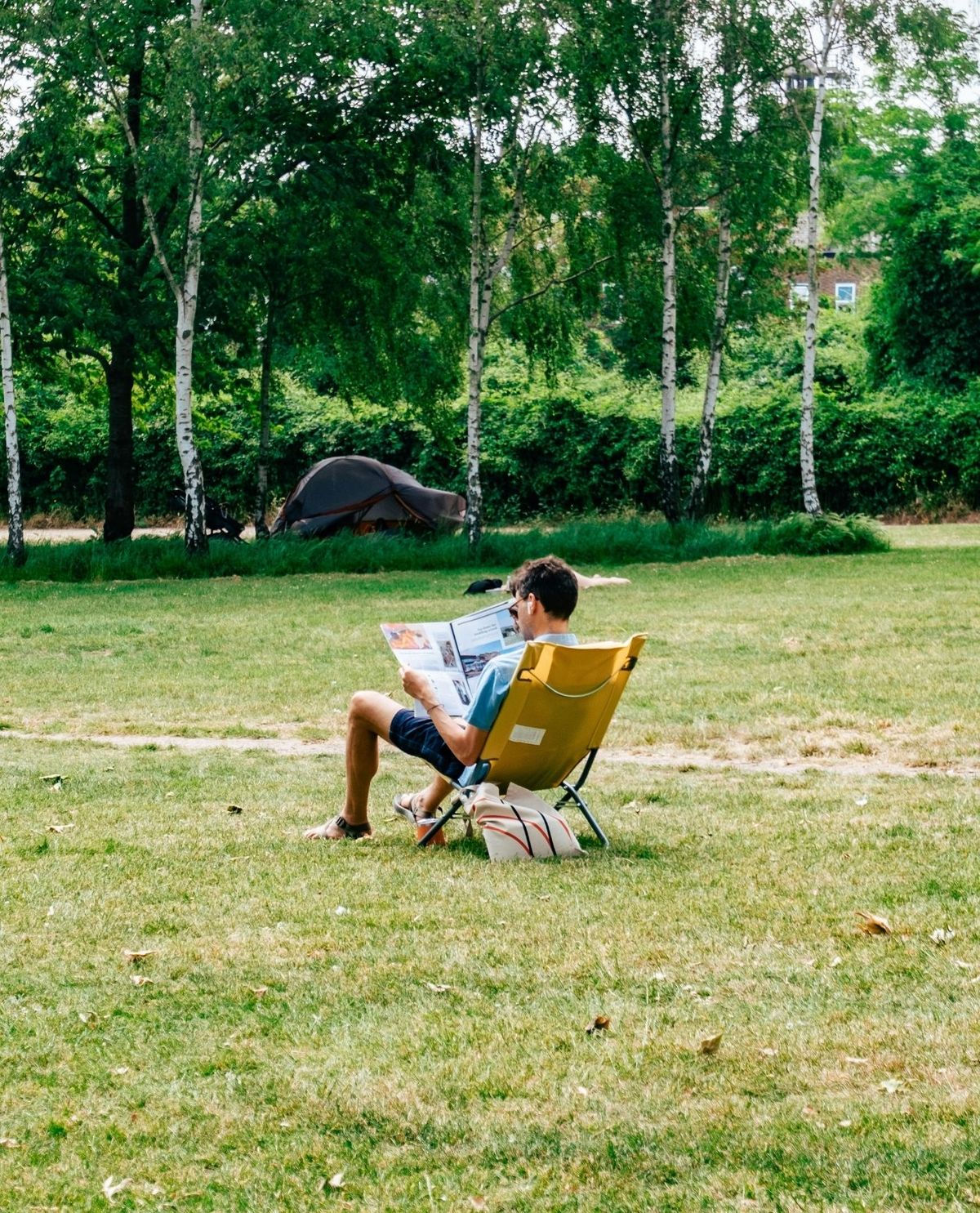
Images by Fion Große & Samuel Regan-Asante on Unsplash
In Barcelona, I would take them to the Eix Verd (‘Green Axis’) of Consell de Cent. Before that, I used to take people to Montjuïc — the old botanical garden there is very nice… It’s quite clear that I am biased towards green!
I would go to Trastevere, in Rome, but 25 years ago.
Bird songs. In my previous apartment there were, for some reason, a lot of birds outside. And it was beautiful! ●
Related Articles
.jpg?w=1000&q=80&fit=max&auto=format)
What's New at the New CitiesToBe?

Beyond Books and Shelves: Four Cities Reimagining the Public Library — and Public Life
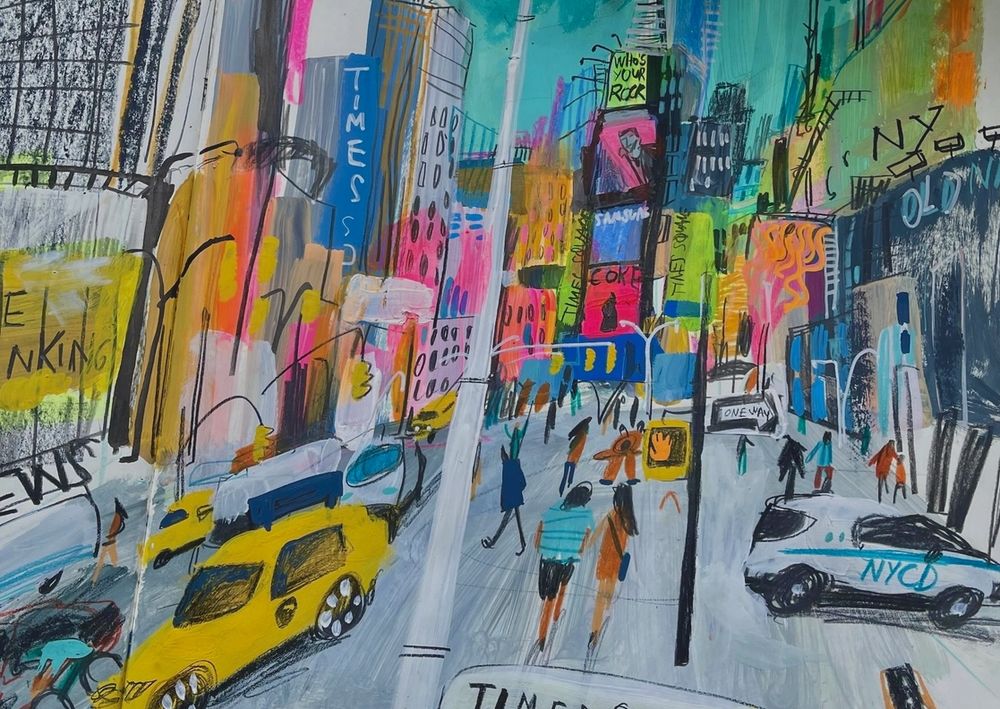
«Urban sketching is a form of love towards the city, to things that are not perfect»