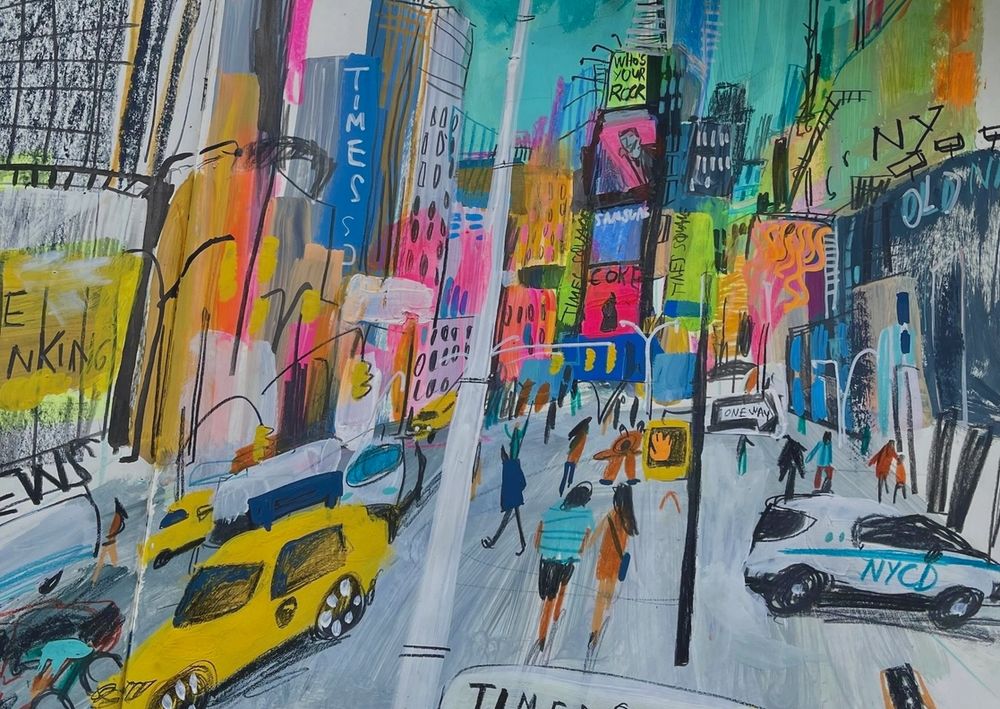
«We need to design infrastructure that provides for the minority, not the average»
«We need to design infrastructure that provides for the minority, not the average»
In January 2025, the Pacific Palisades fire swept through homes and businesses of this neighbourhood in Los Angeles — making it one of the most destructive wildfires in the city's history. In October 2024, more than 200 people died in the Spanish city of Valencia following a severe flood that caught its citizens unalerted. In the Gaza Strip, the World Health Organization estimates that at least 94% of all hospitals are damaged or destroyed as a consequence of war. These stories share more than tragedy. Three cities. Three different crises. But they all reveal how fragile urban environments and systems can be.
In our conversation with Laura Jones — Global Head of Health and Wellbeing at Save the Children International and founder of the NGO Almas Libres — we explore what urban emergency response really looks like and what it takes to build cities that can genuinely protect their most vulnerable residents.
Emergency response can differ depending on where you are and what you are responding. And already a lot of the emergencies we see are in the Global South, where we have a lot of questions about infrastructure and the quality of the health systems. In London or Barcelona, we have incredible health systems. But then we go to a hurricane in Jamaica or the war in Gaza and not all health systems are equipped to manage these issues.
And the next question is, are those systems still running? Let’s take Gaza. The health infrastructure there is almost non-existent. Hospitals are no longer there, and the clinicians inside them either. But urban health starts way before you reach a hospital. It starts with the quality of air or the access to clean water.
A couple of years ago I worked with the Rohingya refugee camp in Bangladesh. Housing around 1.5 million people it stands next to an 18 miles beach stretch. Every year is hit with flash flooding, so are they “used” to it? These things as responder you have to also consider it.
So, when we are looking at emergency response, we must understand that it’s a collaborative engagement — between NGOs, government partners and above all, the communities we are serving. Without their involvement in designing this response, we are unable to do it.
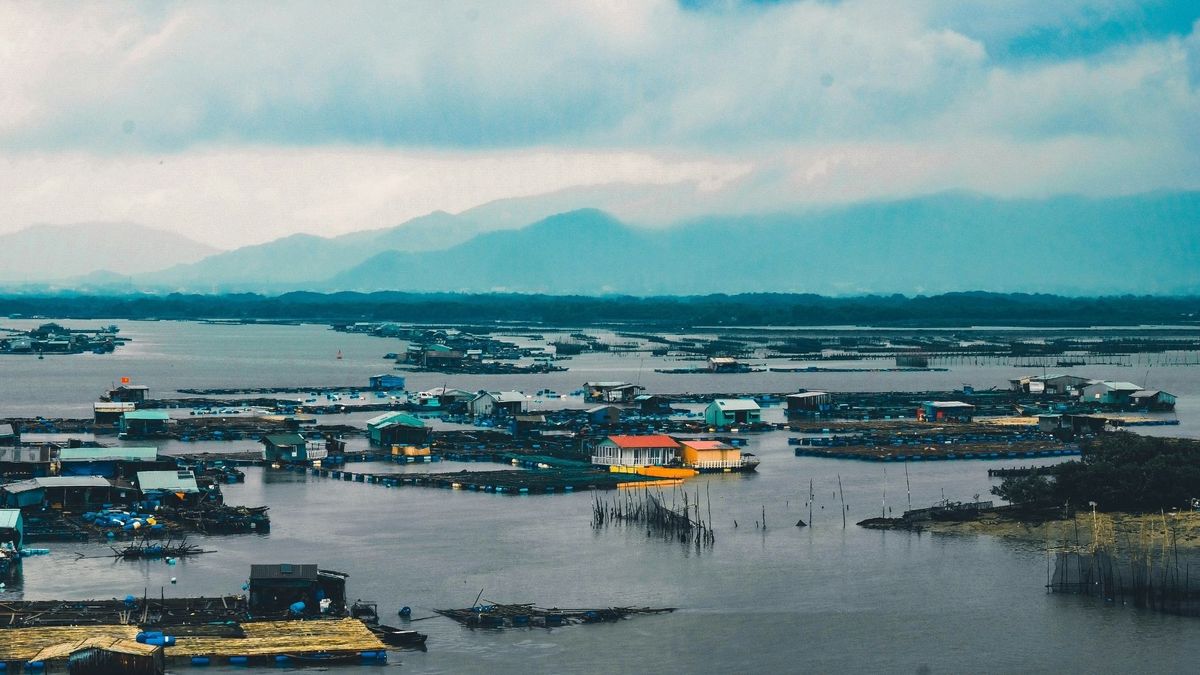
Image by Nguyen Kiet on Unsplash
Cities are capable of responding — most have plans to respond — but it’s the implementation of those plans that it’s a challenge. We don’t do it regularly.
In Europe we’ve been recently exposed to the “what if “and I imagine most young people today are more informed that you and I were ten years ago because of the war in Ukraine or the flooding in Valencia. Emergency response is a skill and we cannot become complacencies.
The NGO sector has faced many challenges — from a financial perspective but also the lived human experience. At Save the Children, as at many organisations, we have been significantly affected. US AID accounts for 40% of global NGO funding. This is a staggering amount! But behind those numbers there are lives: of the staff that was let go, the families that were fed and the life of those helping in the field. Humanitarian needs are going up every single year, but the capacity not.
There are systemic issues that we need to be targeting a bit more, we need to start to revisit our business: where the money comes from, who we partner with, how we embed new approaches to ensure impact and well-being. We also can use AI.
But part of the answer is solidarity amongst us. To pause and ask someone how they are. I believe on our individual ability to have an impact on people to the right and left of us.
Community does not have to be singular in the sense of being in one place. What I witnessed most in Gaza was the solidarity between people experiencing the same struggle.
When I worked with the Palestinian Red Crescent Society we were based as a trauma stabilization point, basically the first point of contact of anybody experiencing an issue, perhaps as a result of a bombing. Quite a challenging environment. But the people that I worked alongside were also displaced, yet they ket coming in every day to support in these efforts.
One of them was a young woman called Nema. She had been displaced with her family — five people living in a single tarpaulin tent. One day I asked her: how do you do it? I was there struggling, because at any given moment there could be a strike, you would hear drones regularly. There was no silence. And she said: hope and community. It filled me. It filled my soul.
And you start thinking about how incredible fortunate we are to have these health systems and infrastructures. Sometimes we need to simplify. But community is where it really starts, and we must have a grassroots approach to all the challenges that we face and listen to be able to design better.
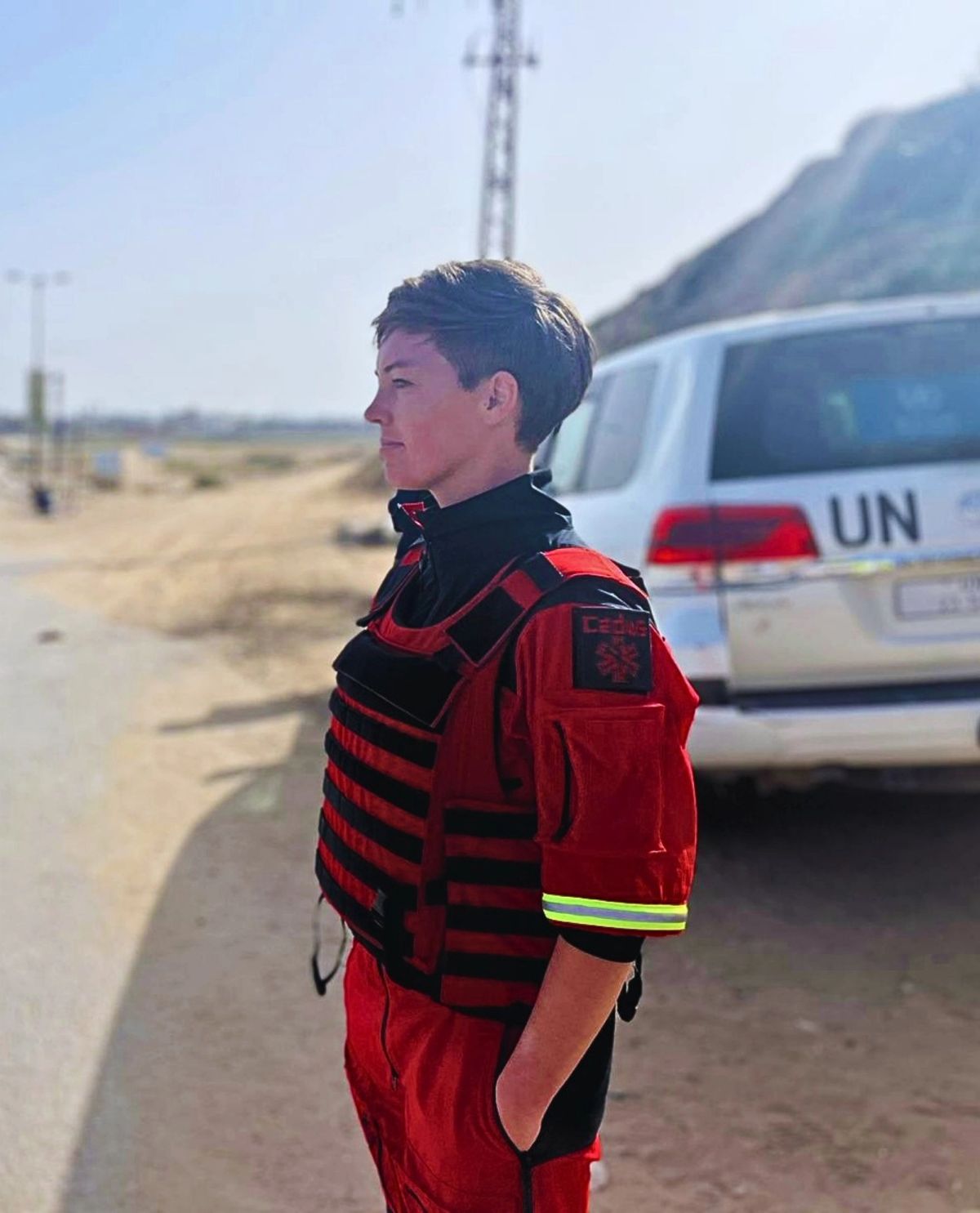
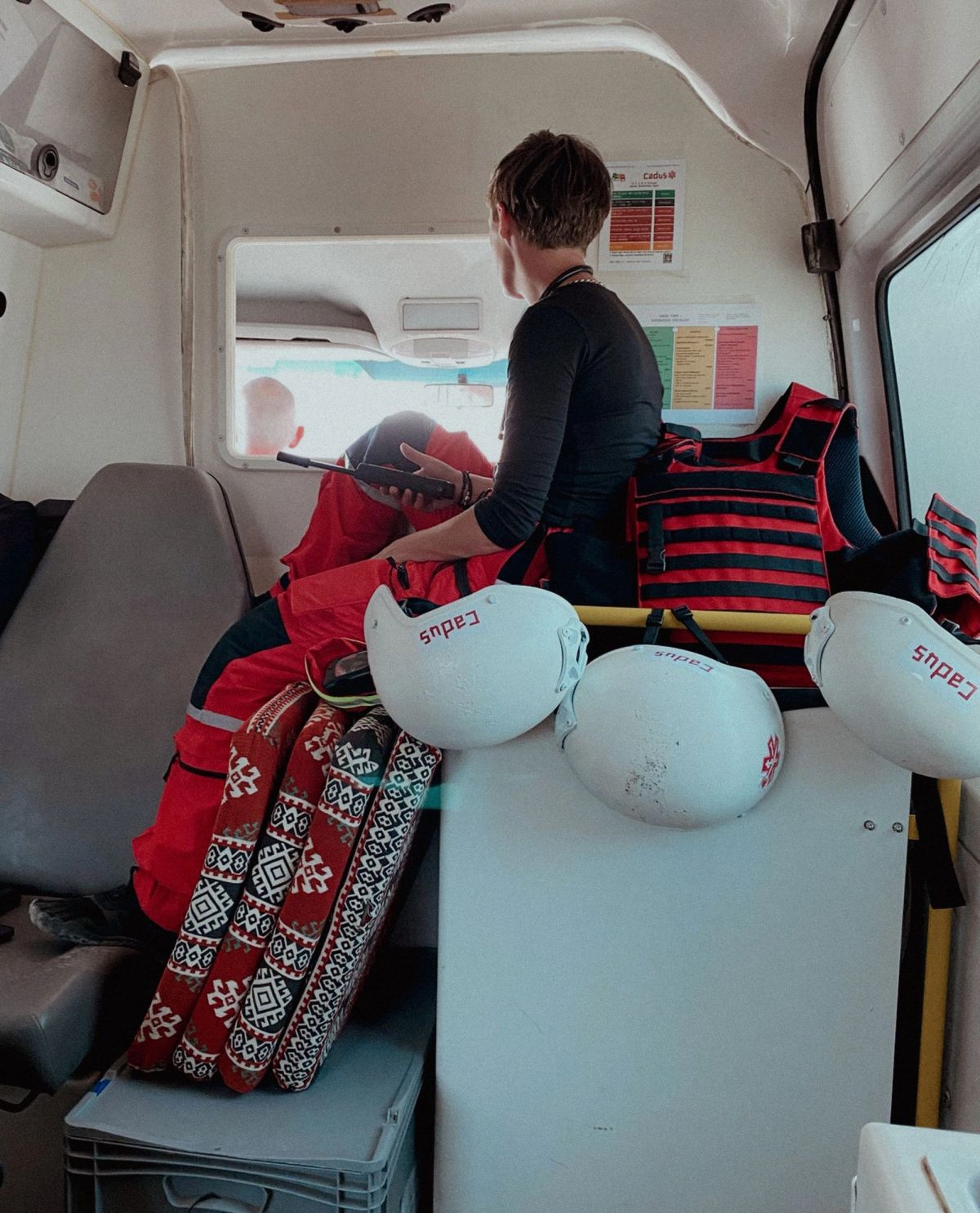
Images by Laura Jones
We need to design infrastructure that provide for the minority the minority, not the average. And being able to provide for the minority means having structures in place for children or older adults. Today, 57% of the world's population lives in cities. By 2050 it will be 68%. That is a staggering number, and it demands that we think seriously about what urban life means for them.
We are seeing huge increases in respiratory diseases and asthma in young children, so we need to embed green spaces to have fresh and unpolluted air. We are seeing a lack of social interactions — and social belonging is a huge piece when we create new cities.
Barcelona is like a cookie for me. Hard on the outside — trying to break into a new community — but once you find your tribe it’s quite soft.
I will give you a very geeky answer, you are talking to an infectious disease specialist! The book is Spillover and it is about zoonotic diseases. As long as there are humans and animals there always will be new and emerging infectious diseases. COVID is an exact example of zoonosis. Humanity always wants to discover something new — but every new discovery brings something unexpected.
In Barceloneta I live in Barceloneta, and every single morning there is a gentleman who wakes up and sings opera from his balcony. Always the same line. But it stays with you the entire day. ●
Related Articles

The Infrastructure You Never Think About

What's New at the New CitiesToBe?

Beyond Books and Shelves: Four Cities Reimagining the Public Library — and Public Life