So People Can Stay: 8 Cities Rethinking Social Housing
A century ago, tuberculosis was known as “the Viennese disease”, a sign of the cramped, unhealthy flats where the city’s working class lived. In the early 1920s, Vienna answered with a plan for 25,000 homes in five years, full of light and fresh air, with kindergartens, schools and libraries built in. It never stopped. Today around half of the Viennese live in subsidised homes, and the city has never sold off its municipal stock.
Vienna turned into policy an idea the world still struggles to deliver. The right to adequate housing is recognised in international human rights instruments, yet more than 3 billion people lack adequate housing. In 2026, the United Nations devoted World Habitat Day, under the theme “Adequate Housing for All”, to how that right can be turned into reality.
In many cities, the challenge is no longer only getting a home, but being able to stay in it. When residents are priced out of their neighbourhoods, cities split along income lines, and the damage goes beyond housing. The OECD finds that where inequality and segregation are high, people’s chances of moving up the social ladder and across the city fall, deepening existing divides. The European Commission now describes housing as a foundation of society and democracy.
Social and public housing is a central part of the answer, and cities have more room to act than they often assume. The UN calls for a wider range of options, from social and public to cooperative and community-led models, and for approaches that protect those at risk of displacement. The eight cities in this final chapter show what that looks like on the ground. Helsinki has set a deadline to end homelessness, Vancouver writes the right to return into its growth plans and Lyon is spreading social homes across the city. Dublin ties rents to costs, Copenhagen lends its guarantee, Melbourne puts its own land to work and Zurich has asked voters to fund a long-term target. Vienna, a century on, shows where that road can lead.
- What cities can learn: Homelessness can be counted, and what is counted can be managed. A precise, public target, tracked every year, keeps a city accountable even when the numbers turn against it.
In Helsinki, homelessness is treated as a problem with a deadline. In June 2026, the city government approved a new program for 2026–2029 with a clear goal: fewer homeless people every year, and homelessness ended by 2030. The city also defines what that means in practice: no more than 200 Helsinki residents without a permanent home at any one time, with evictions kept low and new housing found quickly for those who lose theirs. The target matters because the trend has turned. After more than a decade of decline, homelessness in Finland rose in 2024 and again in 2025, when Helsinki counted 979 single homeless people.
Learn more: City of Helsinki: Homelessness programme 2026–2029
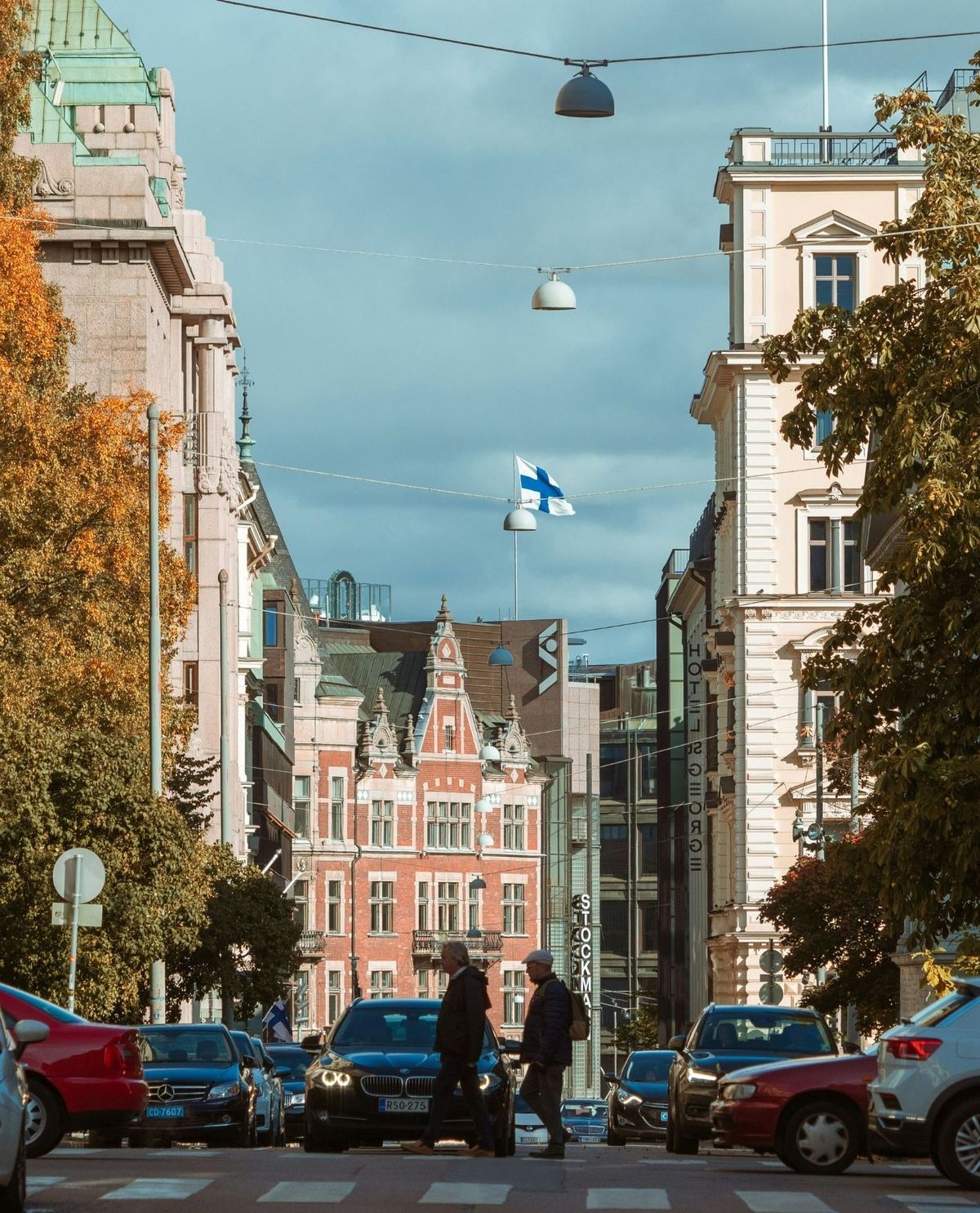

- What cities can learn: Density and displacement do not have to go together. Writing the right to return into the rules, at the same rent, lets a neighbourhood grow without pushing out the people who already live there.
In Vancouver, the city decided that new density should not cost existing renters their homes. When it approved the Broadway Plan in 2022, a 30-year framework for growth around a new subway line, it added enhanced protections designed to help renters affected by redevelopment stay in their neighbourhoods. Tenants have the right to return to the new building at their current rent, or at 20% below the city-wide average market rent, whichever is lower. While the new building is under construction, they receive a rent top-up, and when they come back, it is to a home of the right size for their household. Since then, the same protections have been extended to areas around other transit stations and to further parts of the city planned for growth.
Learn more: City of Vancouver: Renter rights and relocation assistance due to redevelopment

- What cities can learn: Social housing works best when it is everywhere. Setting high shares in the most valuable new districts keeps affordable homes from being pushed to the edges.
In Lyon, the city is working to make sure social housing is not confined to the periphery. By January 2024, 23.69% of its homes were social housing, close to the 25% required by French law, and its housing strategy explicitly aims to spread them more evenly across the city. In its large central development areas, the share of social and affordable homes reaches 46% at Part-Dieu and up to 60% of the 1,200 homes still to be built at Confluence. The pressure explains the effort: the city counts more than 35,000 applicants for social housing, with one home available for every 12 households.
Learn more: Ville de Lyon: housing strategy


- What cities can learn: When rent is set by cost rather than by the market, tenants can plan their lives. Tenancies that cannot be ended for a sale or a renovation turn affordability into stability.
In Dublin, the city is combining public land and new forms of tenure so that people on ordinary incomes can stay. Its main tool is cost rental, new to Ireland: rents are based on what it costs to build, finance and maintain the homes over at least 40 years, not on what the market will bear, and must be at least 25% below comparable market rents, rising afterwards only with inflation. Tenants also gain security, since the landlord cannot end the tenancy to sell the home, move in a relative or renovate it. On the former O’Devaney Gardens site, the Montpelier regeneration is delivering 1,046 homes that mix social, affordable and cost-rental housing. There, buyers of affordable homes pay an average of 26% below market value, with the city taking an equity share in return.
Learn more: Dublin City Council: Cost Rental Scheme

- What cities can learn: A guarantee can do the work of a grant. By standing behind non-profit housing loans, and requiring a share of non-profit homes in new plans, a city grows its affordable stock without spending upfront.
In Copenhagen, non-profit housing is the most affordable and accessible way to rent: on average, new private rental homes cost around 30% more than new non-profit ones. The city has set a target of 15,000 new non-profit homes by 2031, and requires a 25% share of them in local plans wherever that supports a mixed city. To make it possible, it relies on a tool that barely shows up in the budget. When non-profit housing associations build, the municipality guarantees part of their mortgage loans, which allows them to borrow beyond 60% of the property’s value. The guarantee only costs the city money if an association cannot pay. In June 2026, for example, it backed almost a quarter of the loan for 85 new family and youth homes.
Learn more: City of Copenhagen: roadmap for non-profit housing
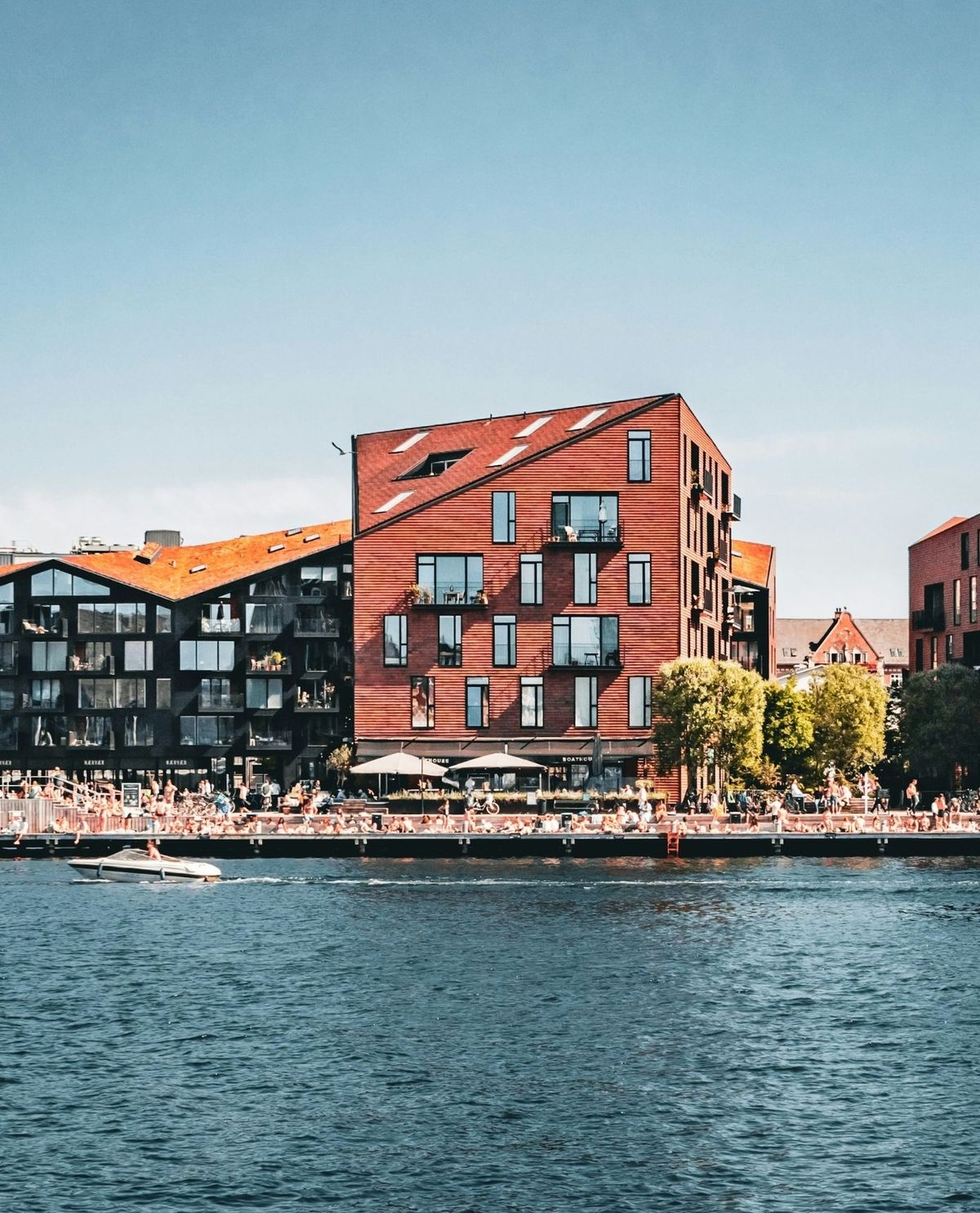
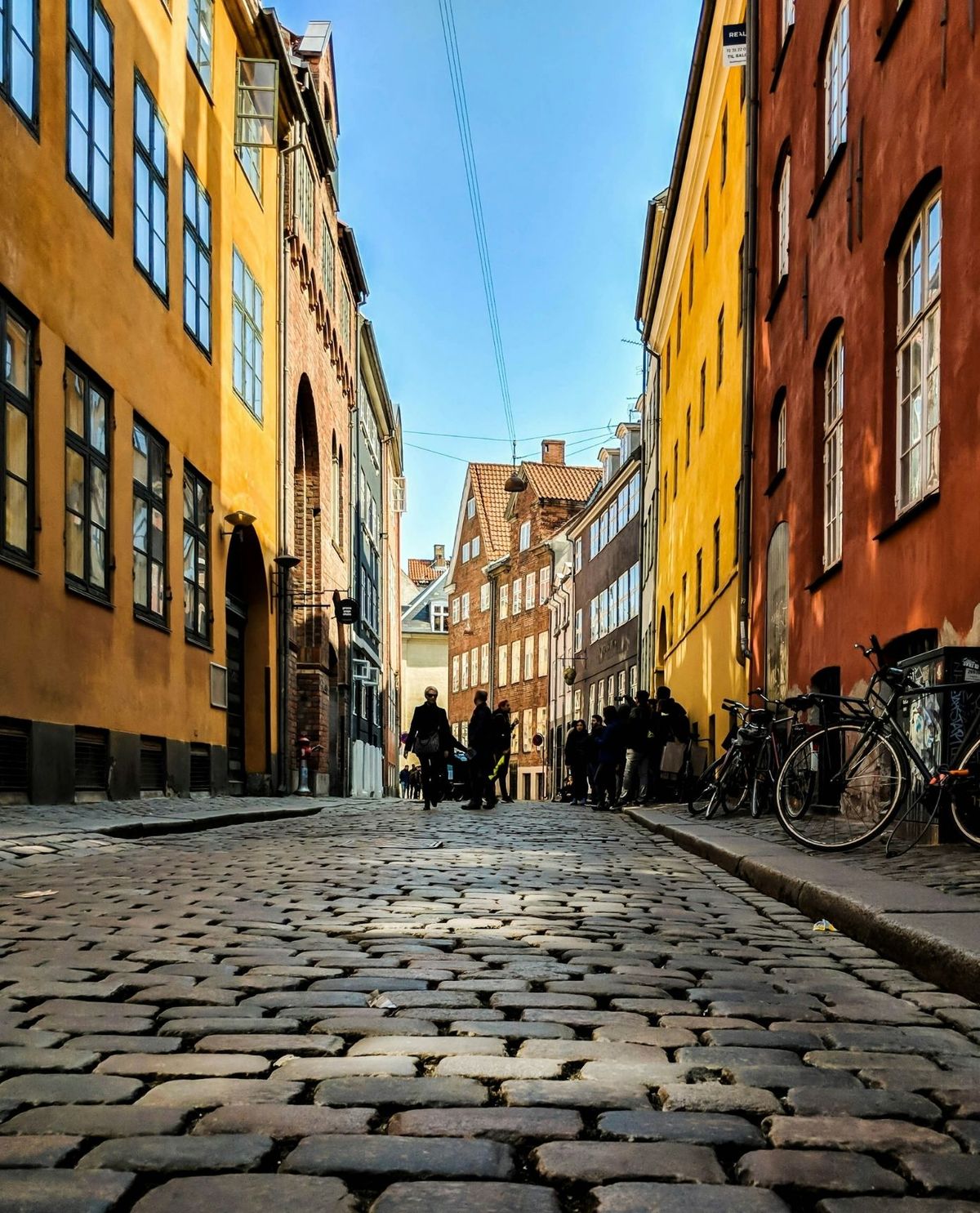
- What cities can learn: Public land is a lever a city already holds. Setting a public share of it for affordable housing turns a political intention into a commitment anyone can measure.
In Melbourne, rising rents are pushing out the people the city depends on: workers in hospitality, childcare or nursing can find themselves on the brink of homelessness after being priced out of the rental market. The city has estimated a shortfall of at least 5,500 affordable rental homes, and its answer starts with the land it already owns. Under its Affordable Housing Strategy 2030, up to 25% of all future residential development on council-owned land is to be affordable housing, and the city has committed to leasing one of its sites for an affordable rental project.
Learn more: City of Melbourne: homelessness and affordable housing

- What cities can learn: When residents vote a target into the city’s charter, housing policy outlasts any single government. A clear share, reported on regularly, gives every administration the same compass.
In Zurich, the goal was set by voters. In 2011, residents approved a housing article in the city’s charter: by 2050, one-third of all rental homes should be non-profit, to keep every neighbourhood socially mixed, and the city government must report on progress to the city parliament every four years. Non-profit landlords already own more than a quarter of the city’s homes, renting them at cost and keeping them permanently out of the market’s price rises. The pressure is intense, with a vacancy rate of just 0.1% in summer 2025. To close the gap, the city provides land at low cost and, through a housing fund approved by voters in 2023, helps non-profit providers buy land and buildings, on condition that the resulting rents stay below the city’s median.
Learn more: City of Zurich: housing fund

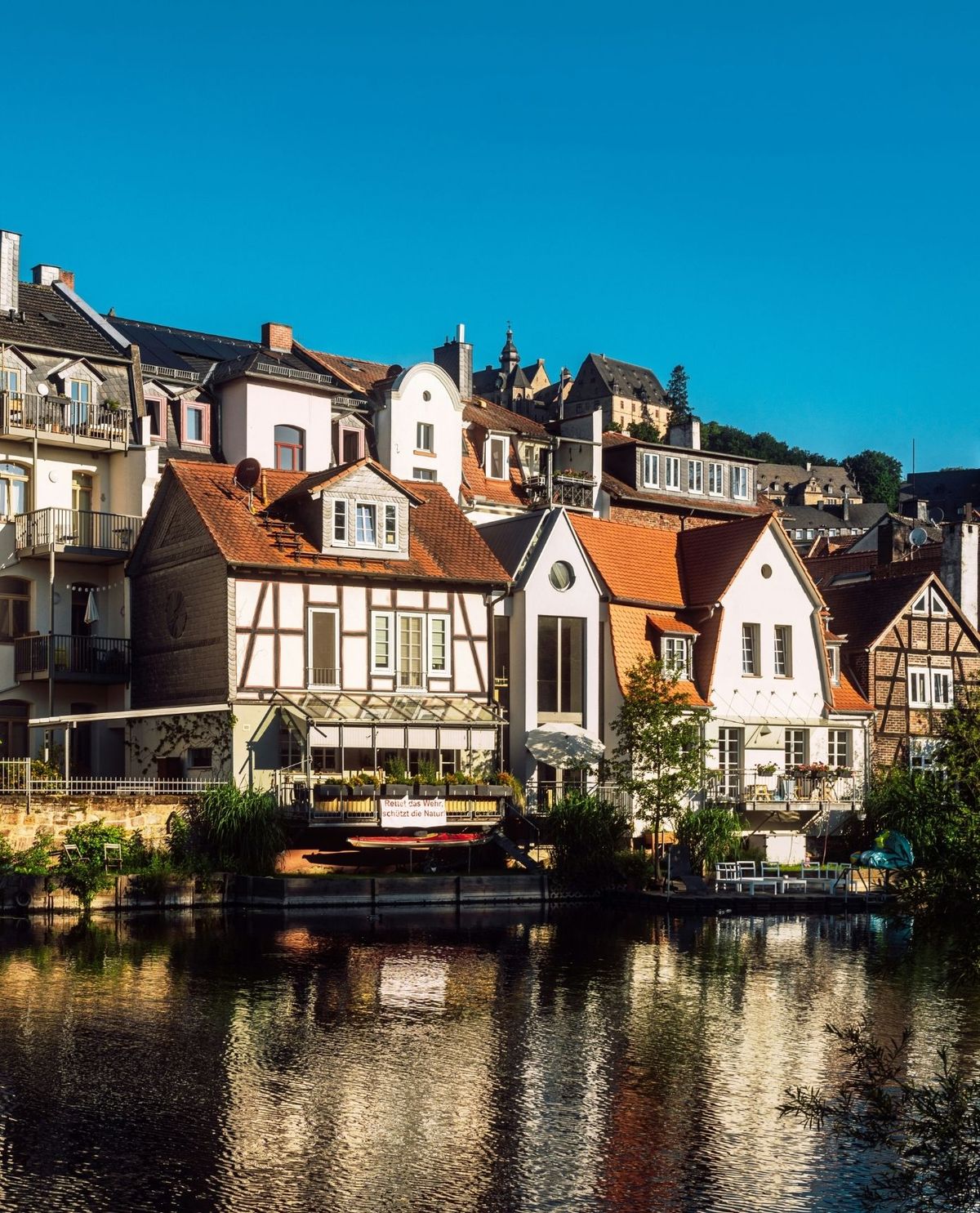
- What cities can learn: When affordable housing is the norm rather than the exception, there is less pressure to push anyone out. Scale, sustained over decades, is itself a protection.
Vienna is the reference that every housing debate eventually returns to. The city has kept the same social housing policy for a hundred years, and says no other European city can match that constancy: it never abandoned it, even when privatisation was the trend, and never sold off its municipal stock. Today around half of the Viennese live in subsidised homes, in some 220,000 municipal flats and around 200,000 more built with municipal subsidies, and close to half a million people live in its 1,800 municipal estates alone. According to the city, that scale dampens prices across the entire housing market, keeping rents moderate compared to other major cities. ●
Learn more: City of Vienna: social housing

This article is the third in a three-part series on housing by CitiesToBe, Anteverti’s urban think lab. Besides advising cities, governments and companies all over the world, Anteverti curates the inaugural edition of HOWS Barcelona | Housing World Summit, hosted by Barcelona City Council and organised by Fira Barcelona, taking place from 3 to 5 November 2026. Learn more at howssummit.com
Related Articles
Without Waiting Years: 6 Cities Rethinking Housing Through Simpler Processes

What's New at the New CitiesToBe?

Beyond Books and Shelves: Four Cities Reimagining the Public Library — and Public Life