Before Building More: 9 Cities Rethinking Housing Through Renovation, Retrofit and Reuse
Before Building More: 9 Cities Rethinking Housing Through Renovation, Retrofit and Reuse
In Brussels, a neglected 1960s office block now holds 130 homes. Its concrete frame was reinforced to carry three new floors, and wide balconies opened it up to the street. Nothing about it required starting from scratch.
The housing crisis is usually told as a shortage: too few homes, so build more. Look closer and the picture shifts. Across continents, many of the homes we need already exist, but they sit empty, run-down or in the wrong use. São Paulo counted 588,978 vacant homes in its 2022 census, more than the 400,000 its mayor says the city lacks. Japan has a record 9 million empty dwellings. In the United States, a fifth of office space stands vacant.
Building new will always be part of the answer. But it is slow, land-hungry and carbon-heavy, while renovating an existing building generates 50 to 75% fewer emissions. Much of the future stock is already standing: in the EU, 85–95% of today's buildings will still be standing in 2050. Brussels has taken note: the EU's first Affordable Housing Plan recognises that new construction alone will not solve the crisis, and HouseEurope! warns that Europe could lose enough space to demolition by 2050 to house 50 million people.
The nine cities in this first chapter start from what they already have, and together they trace a path from the single house to the whole district. Tokyo is bringing empty houses back into use and Calgary is turning offices into homes, while São Paulo and Coimbra are bringing residents back to their historic centres. Rome and Boston work on the public stock, one by buying existing homes and the other by retrofitting its own. Bogotá and Rotterdam take on entire neighbourhoods, from self-built homes to a regeneration plan measured in decades, and eThekwini has mapped every building to decide which informal settlements to upgrade first.
01
Tokyo
brings empty houses back into use.
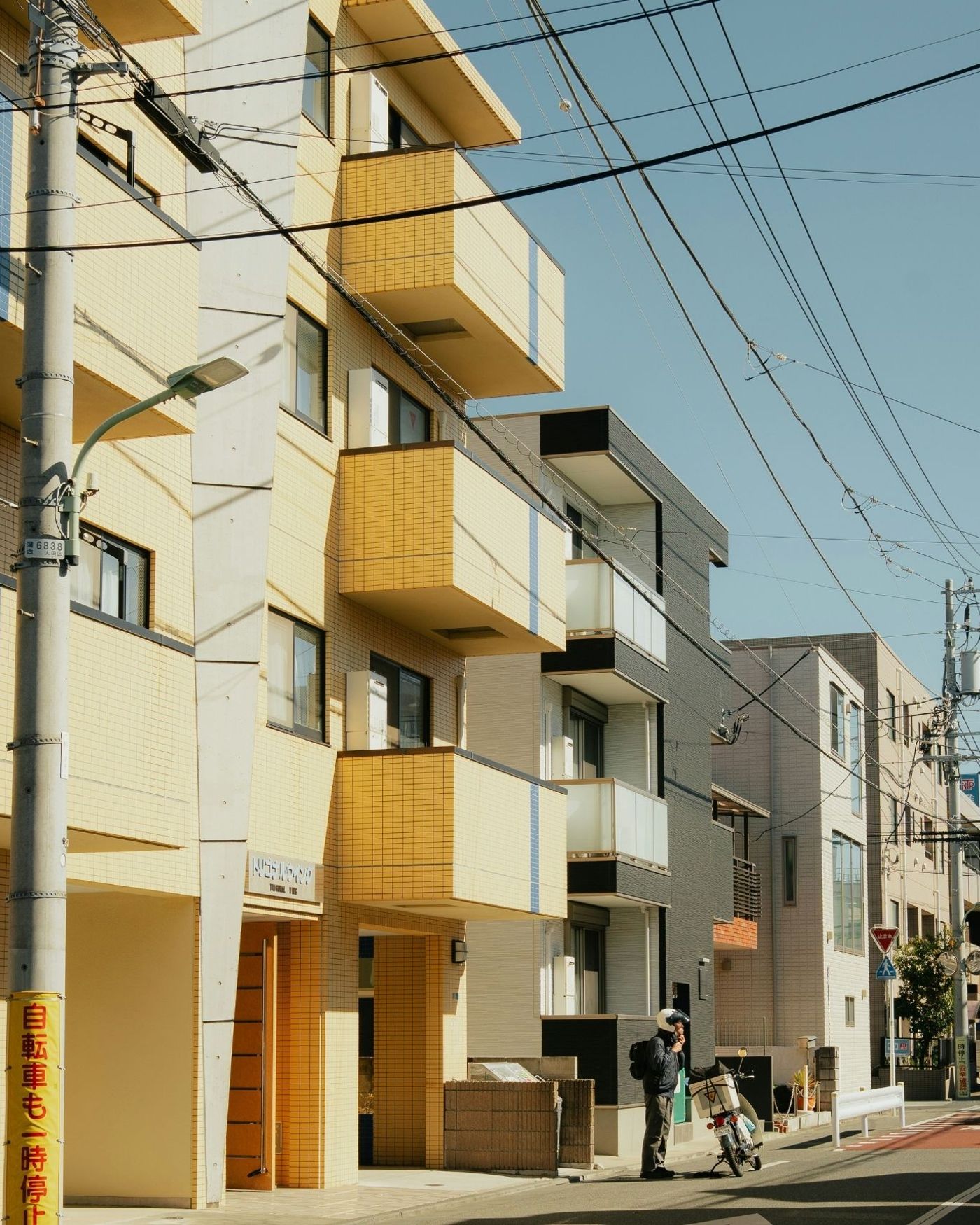
In Tokyo, the metropolitan government treats the capital's empty homes as a resource rather than a burden. It funds private operators and non-profits that use vacant houses to meet local needs, and this year's call focuses on housing and spaces that support young people. It also backs local councils trying new approaches. In the suburb of Hino, people are sent to visit owners who live far away and have left their homes empty, to find out what they plan to do with them. Across Japan, 9 million homes stand empty, a record 13.8% of the total, almost one in seven.
- What cities can learn: Vacancy can be managed as a resource, not just contained as a problem. Knowing who owns empty homes, and why they stay empty, is the first step to bringing them back.
02
Calgary
turns empty offices into nearly 800 homes.
In Calgary, the city is bringing residents back downtown by converting the offices that are no longer needed. The problem is structural: downtown office vacancy stood at 30.4% at the end of 2025. Its Downtown Office Conversion Program offers owners an incentive for every square foot of office space they turn into homes, hotels or other uses. So far, 21 projects have taken 2.7 million square feet of offices off the market, around 250,000 m², and the eight already completed have created nearly 800 homes. Five years into a ten-year plan, the city is nearly halfway to its goal, and the latest round opens the door to student and senior housing and co-living.
- What cities can learn: A struggling downtown can become a housing opportunity. A clear public incentive, paid per square foot converted, turns empty offices into homes with results that can be measured.

03
São Paulo
subsidises retrofits that bring homes back to the centre.
Instead of pushing new housing further out, São Paulo is paying to bring it back to its central districts. The need is visible: the number of empty homes in the city rose from 290,317 in 2010 to 588,978 in 2022. Through the Requalifica Centro programme, the city offers urban and tax incentives, along with more predictable licensing, for retrofit projects. Its most direct tool is a subsidy covering up to 25% of renovation costs in social and affordable housing. The city has set aside up to R$1 billion, around €170 million, and most of it is reserved for lower-income families. The eligible area has just more than doubled, from 1,170 to 2,780 hectares.
- What cities can learn: Growth does not have to mean sprawl. Subsidising the retrofit of central buildings brings housing back to where transit and public services already are.

04
Coimbra
restores its historic centre for affordable rent.
Coimbra's historic centre has been losing residents while many of its buildings stand empty, as the city's own housing strategy acknowledges. That strategy aims for 2,200 new rental homes by 2030, with the focus on rehabilitation, and commits around €76 million to building and renovating public housing. In the Baixa, the lower town, the city is restoring historic buildings for affordable rent. The regeneration reaches the river too, where the old railway station is to become a public square linking the Baixa with the riverfront. And along the new Metro Mondego corridor, projects can now build up to 30% more if the extra space goes to public or affordable housing.
- What cities can learn: A historic centre stays alive when people can afford to live in it. Rehabilitating empty buildings for rent, and tying new density to affordable homes, brings residents back to the heart of the city.

05
Rome
buys 1,040 existing homes for public housing.
In Rome, the city is expanding its public housing by buying homes that already exist. In December 2025, the city council approved the purchase of 1,040 homes from Enasarco, a former pension institution, for around €250 million. The first homes have already been signed over and the remaining 702 are due in 2026, in what the city describes as the largest acquisition of its kind by an Italian city in decades. Rome is also looking beyond the social housing waiting list, to the so-called fascia grigia: households that earn too much to qualify for public housing but cannot afford market rents. A council resolution sets a target of 31,815 homes for them, most of them from projects already planned. The city's new Agenzia Sociale per l'Abitare also connects owners of empty homes with these households at affordable rents, with guarantees against unpaid rent.
- What cities can learn: Buying existing homes can expand public housing faster than building them. A city can also plan explicitly for the households caught between social housing and the market.

06
Boston
retrofits public housing to go fossil-fuel-free.
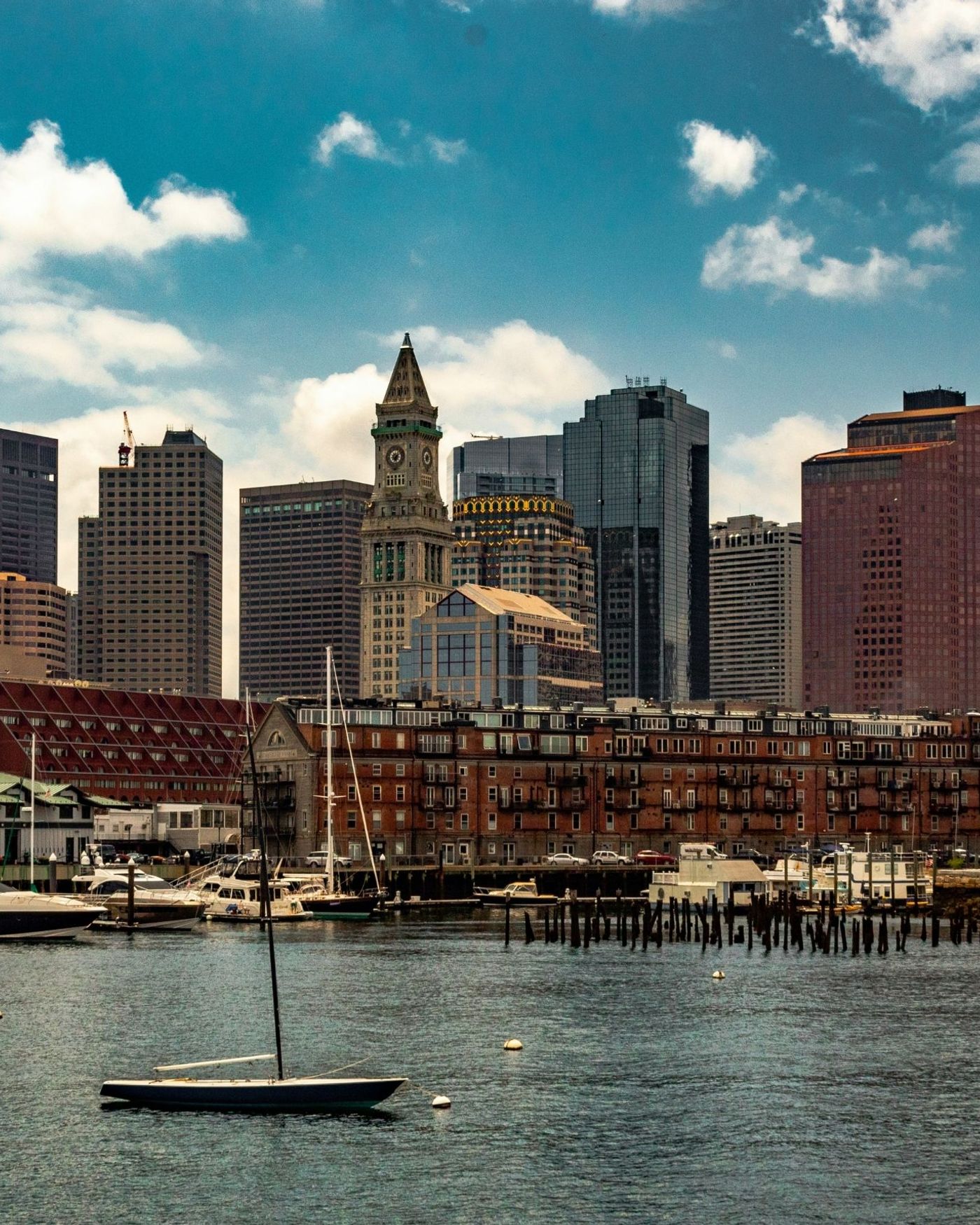
In Boston, the city is upgrading the public housing it already has. The Boston Housing Authority, the city's largest landlord with about 10,000 homes, aims to make its public housing fossil-fuel-free by 2030. At Franklin Field, a geothermal network will replace gas heating and bring new heating and cooling to 129 families. The city also funds deep energy retrofits in income-restricted buildings. It runs against the national trend: public housing in the United States has fallen from 1.3 million homes in the mid-1990s to 860,000 in 2026, and only a small share of the units demolished has been replaced.
- What cities can learn: Public housing is an asset worth keeping. Retrofitting it for the climate transition upgrades the homes of those who already live there.
07
Bogotá
upgrades self-built homes and grants legal titles.
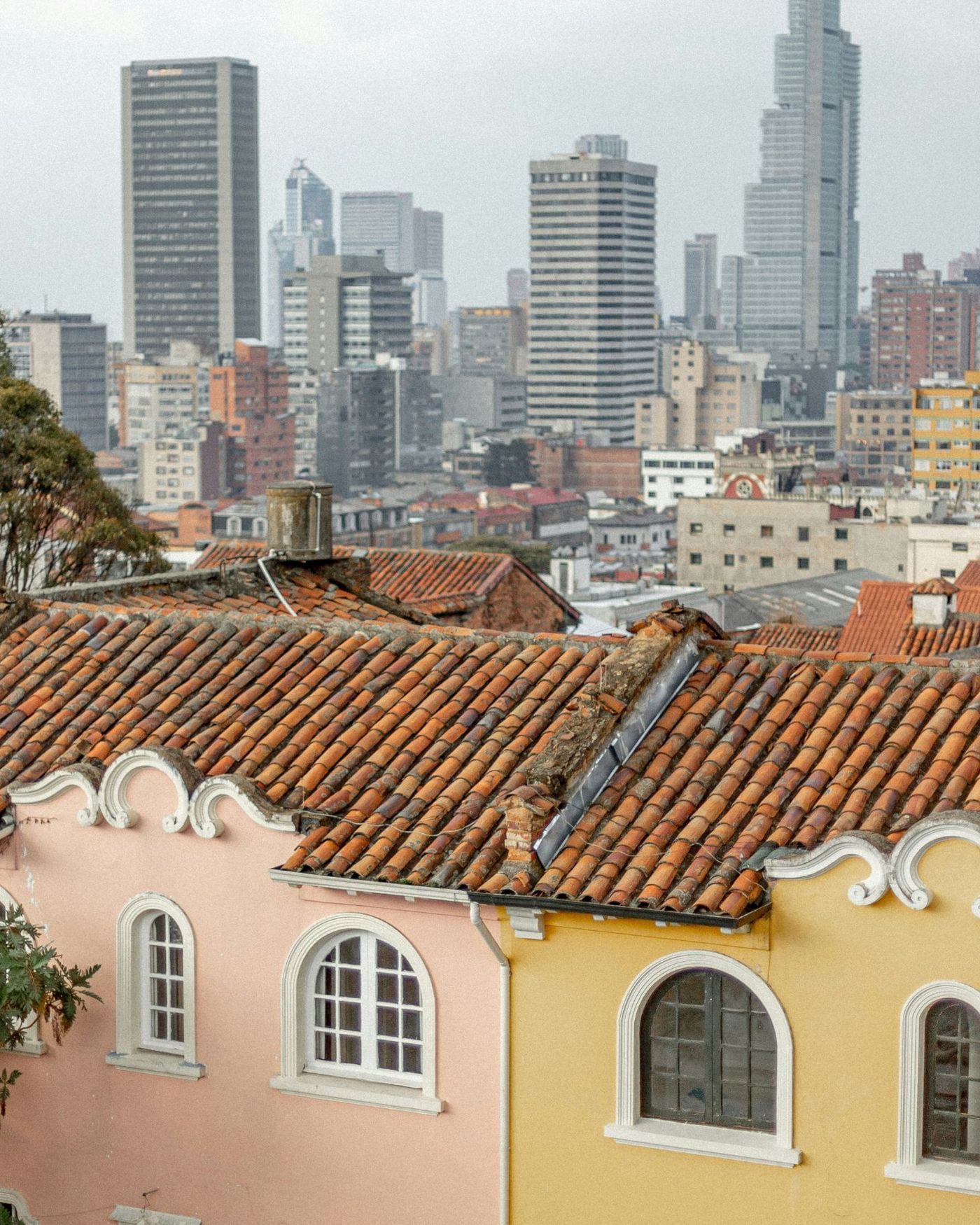
In Bogotá's self-built neighbourhoods, the city's housing agency, the Caja de la Vivienda Popular, is improving the houses that are already there. It responds to a regional reality: an estimated 45% of households in Latin America and the Caribbean lack adequate housing, and 95% of that deficit is qualitative, meaning homes that need fixing rather than homes that are missing. The agency upgrades roofs, floors, kitchens and bathrooms in the most vulnerable households, and adds systems to collect rainwater. It also helps families secure legal ownership of their homes, with 954 titles planned in a single project in the south of the city. Around the houses, it improves streets, parks and lighting together with residents, and relocates families living in high-risk areas.
- What cities can learn: Informal housing can be improved rather than replaced. Combining repairs, legal titles and risk management upgrades both the home and the security of those who live in it.
08
Rotterdam
renews its southern districts over 20 years.
In Rotterdam's southern districts, the city is improving the homes that are already there as part of a much longer plan. The National Programme Rotterdam South brings together the national government, housing associations, schools and employers around a twenty-year goal: raising education, employment and housing quality to the level of the Netherlands' other large cities. On housing, the city helps private owners fix years of overdue maintenance, and more than 3,500 homes were improved in a single council term. Housing associations are renovating or rebuilding another 12,000.
- What cities can learn: Regeneration takes longer than a term of office. A twenty-year horizon, with goals that go beyond housing, gives it the time and scope it actually needs.

09
eThekwini
maps every building with AI to target upgrading.
In eThekwini, the municipality that includes Durban, 312,741 households lived in informal areas in 2022, nearly a quarter of the population. Yet the funding to improve them is allocated on census data that is updated only every ten years, while informal neighbourhoods change from one year to the next. Together with UNITAC, a United Nations technology accelerator for cities, the municipality now uses an AI tool that detects buildings in aerial images. It mapped 1,530,546 of them in 72 hours, a task that once took several months. With that picture, the city can decide which informal settlements to upgrade first, make sure investment reaches the communities that need it most and secure national funding for free basic services. ●
- What cities can learn: Upgrading informal settlements starts with an accurate map. Mapping every building in days rather than months lets a city target its investment where it is needed most.

Related Articles

Beyond Books and Shelves: Four Cities Reimagining the Public Library — and Public Life

So People Can Stay: 10 Cities Rethinking Social Housing

What's New at the New CitiesToBe?