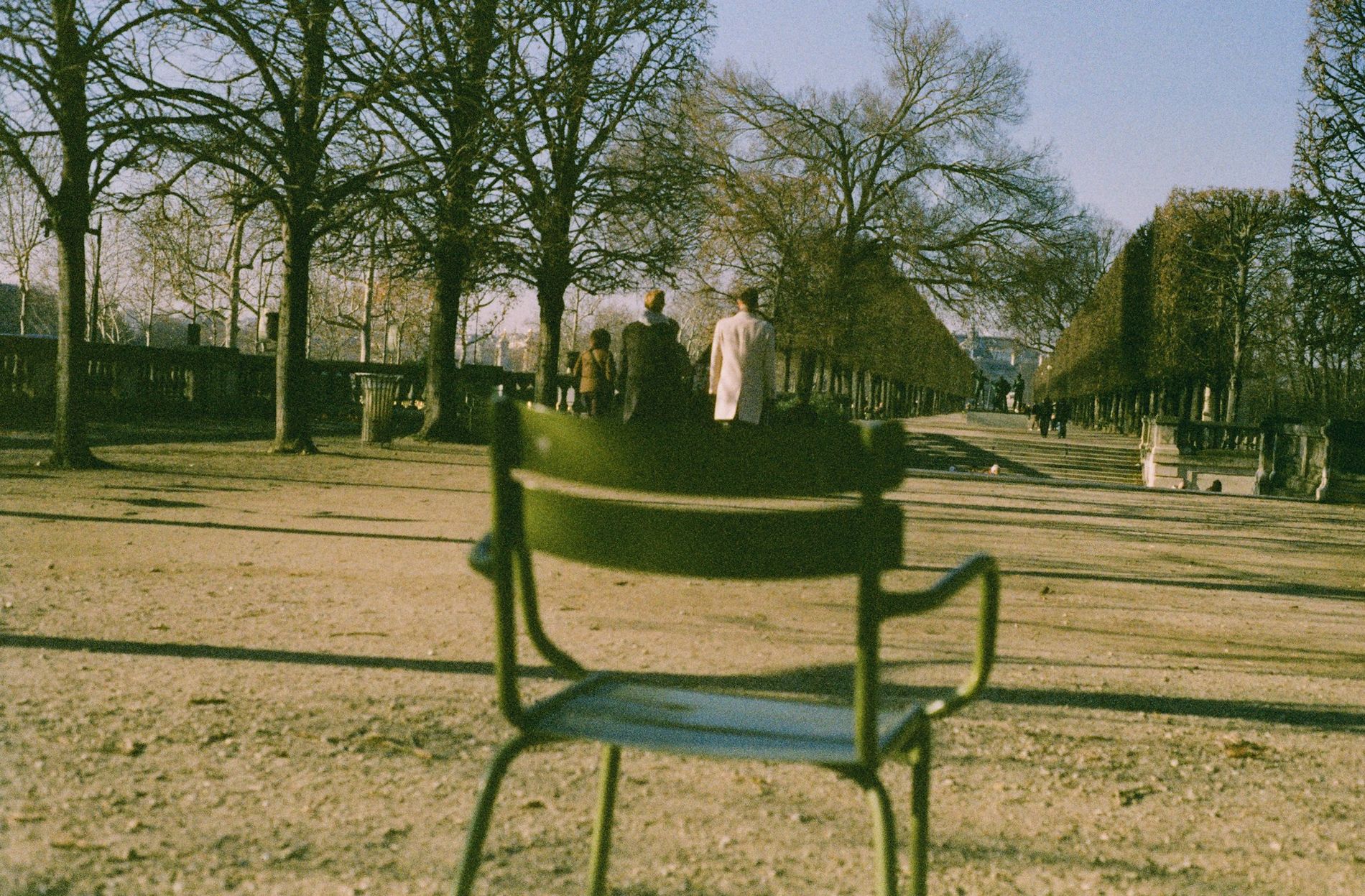
What Happens to a City Without Third Places?
There are places in the city that do not ask anything of you.
You do not need to produce, perform, or justify your presence. You do not need an appointment, a reservation, or a reason to be there. You can arrive without purpose and leave without having accomplished anything — and that, precisely, is the point.
Ray Oldenburg called them "third places". In his 1989 book 'The Great Good Place', the urban sociologist introduced the concept to describe the spaces of informal, open, and egalitarian social interaction that are neither home nor workplace — the settings where the unexpected unfolds, where routine is disrupted, and where the city becomes something shared.
From the ancient Greek agora to the neighbourhood café, the public library, the park bench, the square, or the bar where everyone knows your name: third places have always been the connective tissue of urban life. They are where knowledge circulates without ownership, where conversations begin without agenda and end without conclusion. Where we encounter what is not like us, and remain. Where empathy, tolerance and coexistence are not aspirations but daily practices.
They are, in a word, where democracy happens at street level.
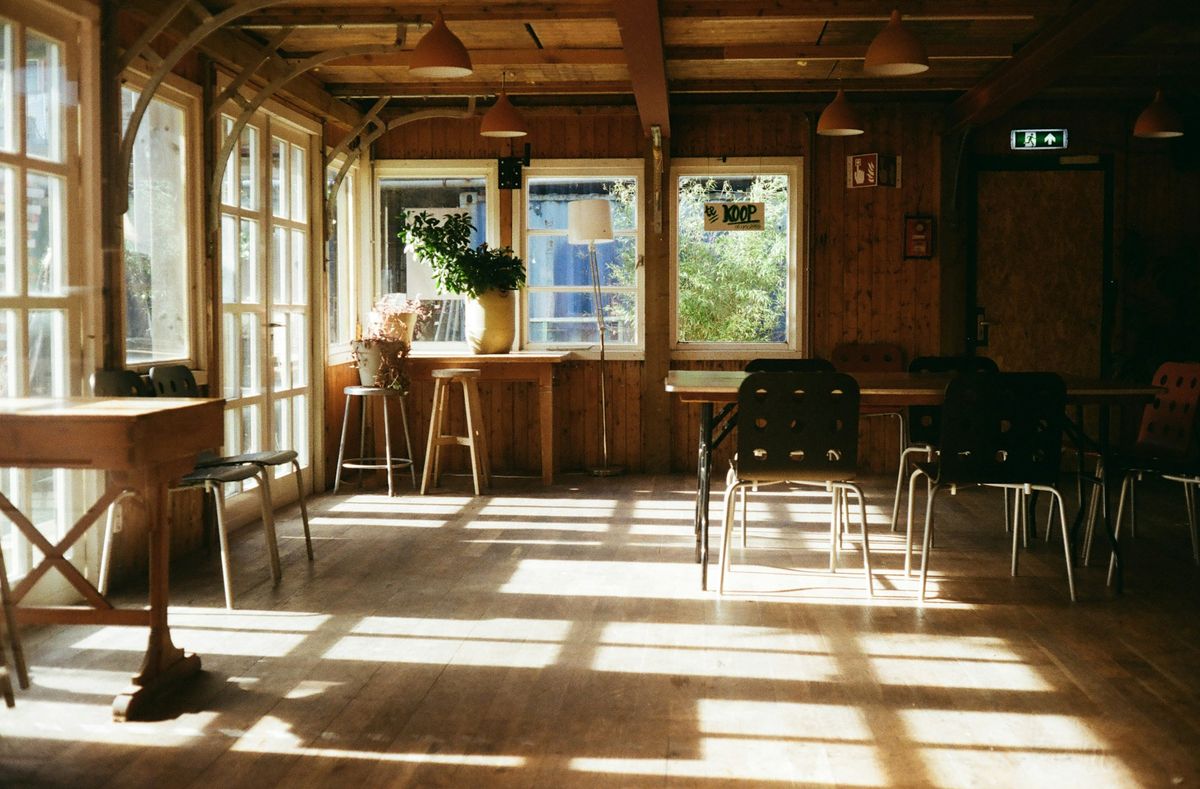
And yet, something is shifting.
In an era of hyper-digitalized relationships, algorithms increasingly mediate our experience of the city — curating the places we visit, filtering the conversations we are exposed to, segmenting our urban experience into personalised bubbles. The café recommended by an app is not quite the same as the one you stumbled into by accident. A square built inside a shopping mall is not quite the same as the one that evolved organically around a fountain, a market, a habit.
At the same time, third places face growing material pressure. Housing costs displace the communities that gave neighbourhood bars and markets their character. Gentrification turns authentic local spaces into their own simulacra. The pandemic accelerated the shift to remote work and digital socialisation — and many of the informal spaces that once held communities together never fully recovered.
In a turbulent global context marked by conflict, polarisation and a growing retreat into private and digital life, the questions that third places raise feel increasingly urgent: Is there still room for them in our cities? Are we willing to keep sharing them, nurturing them, defending them? What forms might they take in the future? Will they hybridize with digital life, or will there be a renewed desire for the unmediated openness of the ancient public square?
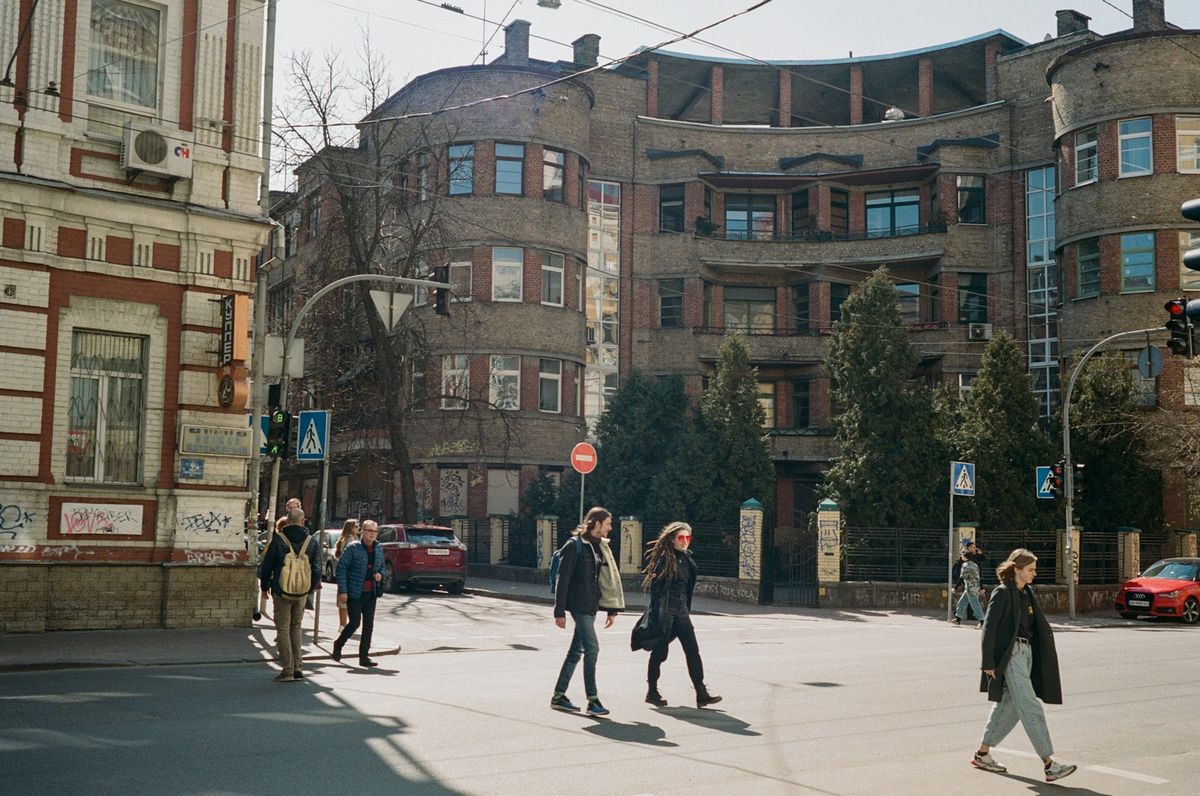
Yes, photography
These are not abstract questions. They are visible — at street level, in the details of everyday urban life, in the spaces we choose to inhabit and the ones we abandon.
Photography, at its best, is one of the most honest ways to look at what cities actually are. Not as infrastructure or policy, but as lived experience. It captures what data cannot: the quality of light in a market at dusk, the body language of strangers sharing a bench, the atmosphere of a place that has resisted the logic of productivity and remained, stubbornly, a place to be.
This is why, since 2020, the CitiesToBe Photo Award has invited photographers from around the world to look closely at urban realities and reflect on them through the power of images. In its first edition, Roman Demyanenko's 'Vorkuta' captured the volatility of urban life and the slow disappearance of a city left behind. In its second, Nathalie Daoust's 'In the Shadow of the Big City' revealed the human cost of climate change on communities forced to the urban periphery. Together, these images — and the hundreds of others submitted from more than 100 countries — form a growing visual archive of how cities are being lived, transformed and questioned right now.
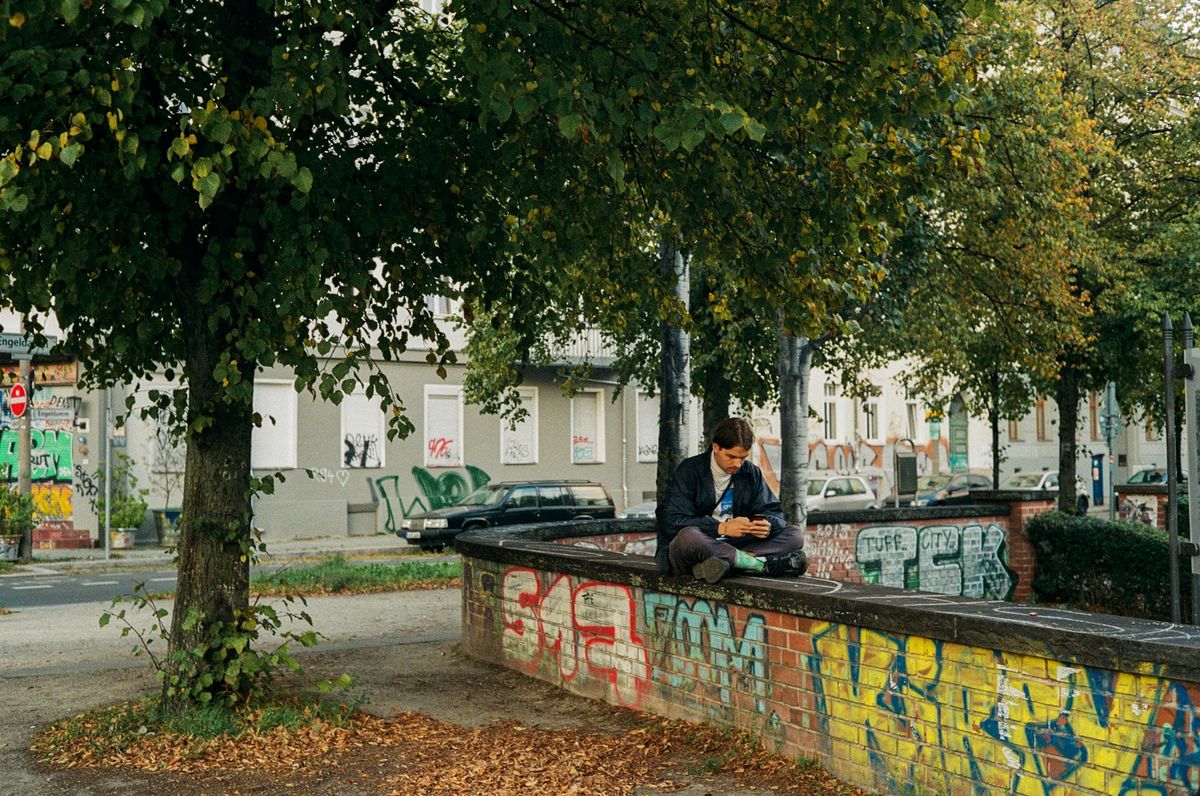
The CitiesToBe Photo Award 26: this year's edition
For the third edition of the CitiesToBe Photo Award, we turned our gaze to the third places themselves.
We looked for photographic projects, sustained visual narratives of 10 to 20 images, that explore the role of these spaces in the contemporary city. Not to illustrate a concept, but to see it. To find the third places that persist, transform, resist or disappear. To ask, through images, what kind of city we are building, and what kind of life it makes possible.
For the first time, the award was thematic, and for the first time it recognised photographic projects rather than single images, an invitation to a slower, more sustained way of looking. The call was open to photographers and visual artists from anywhere in the world. One winning project will receive €1,500, and five finalists €500 each, with all awarded works published as photo essays on citiestobe.com and becoming part of a growing visual archive of contemporary urban life.
The call closed on October 10, 2026. Winners will be announced in December. ●
Related Articles
«Urban sketching is a form of love towards the city, to things that are not perfect»
Beyond Books and Shelves: Four Cities Reimagining the Public Library — and Public Life

The Infrastructure You Never Think About
.jpg?w=1000&q=80&fit=max&auto=format)