«Data transparency creates more accountability — and more engaged citizens»
The infrastructure of urban life generates an endless stream of data — traffic flows, permit processing times, energy consumption, service requests. And yet, many decisions that shape how cities spend their budgets or design their services are still made on the basis of intuition, political pressure, or simple inertia.
Changing that requires more than good intentions. It takes collaboration. Cities that are managing to close this gap are doing it through learning from one another and sharing best practices. That is the mechanism through which good urban governance actually spreads.
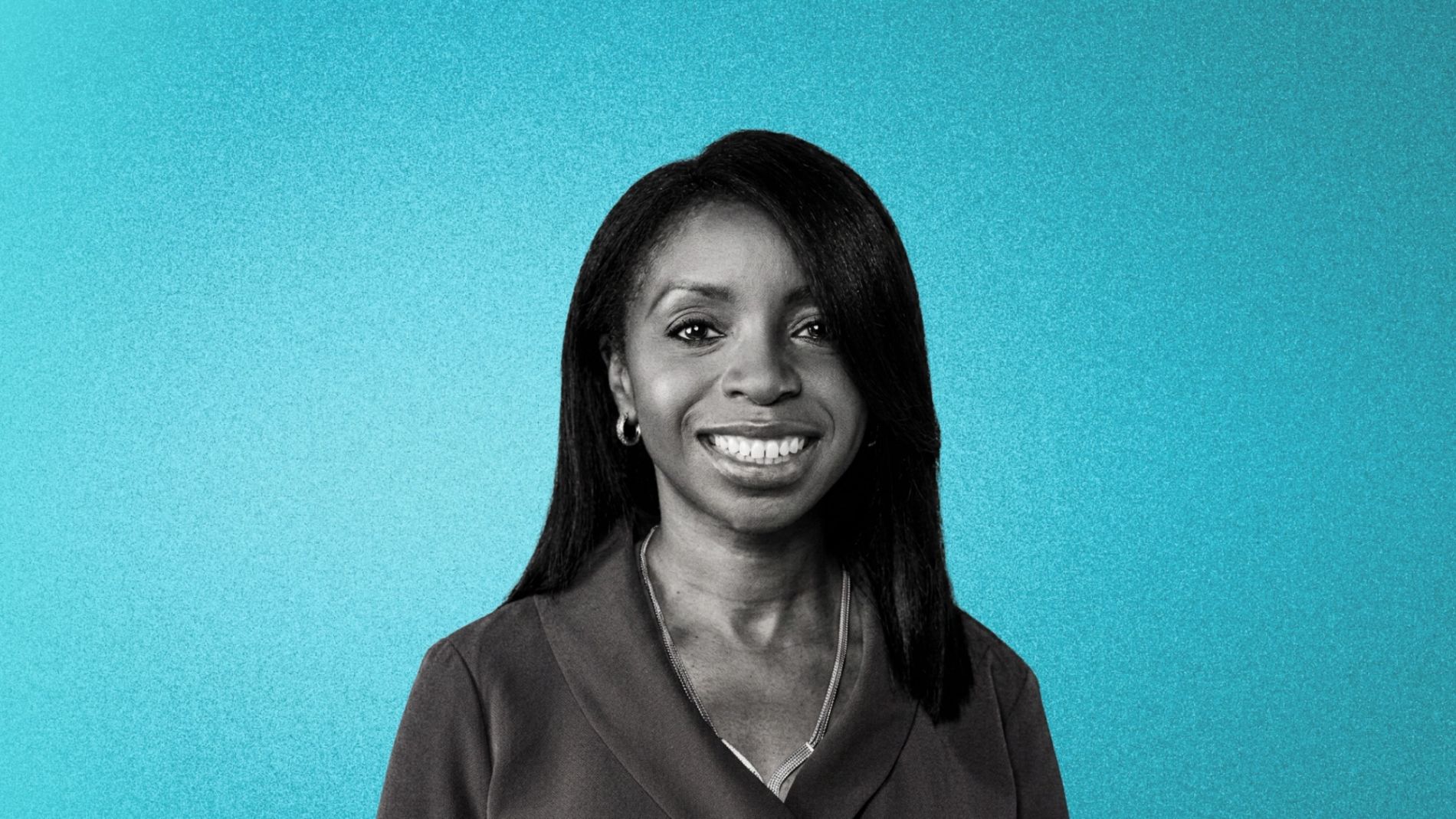
In our conversation with Rochelle Haynes — Senior Vice President and Managing Director of Bloomberg Philanthropies What Works Cities at Results for America — we explore what it takes to scale impact in data-driven urban governance and build a global network that transforms how cities make decisions.

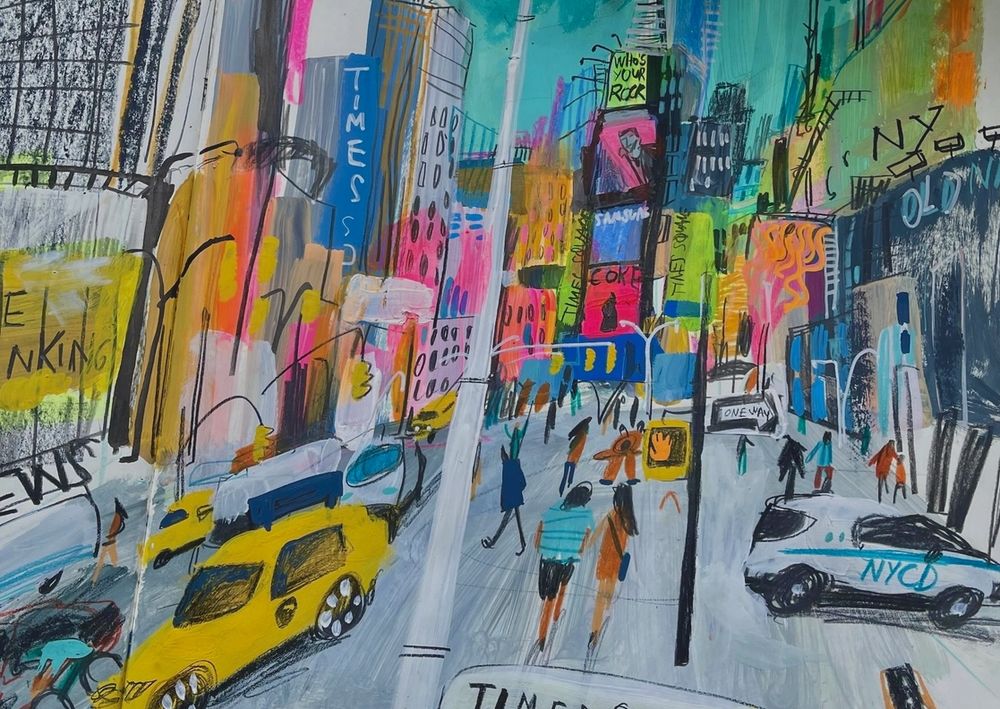
Image by Takashi Sakamoto on Unsplash
What Works Cities was started by Bloomberg Philanthropies with a clear idea: how do we help cities build a strong data infrastructure so they can make more effective decisions. How we allocate budgets? How we serve residents? How we build climate resilience plans? How we prepare our workforce for the future?
Cities start working with us through what we call a data snapshot, basically a data health checkup. Eight questions about their data management process, how they govern it, if they have an open data portal. From there, my team can work with a city and say: here is where you're strong, here is where you need additional support, and here are some resources that we can provide for you to help you build in that area. And we provide free technical assistance and capacity building across eight foundational practice areas: management, governance, open data, budgeting, contracting…
When we launched in 2015, the What Works Cities Certification was just to celebrate cities doing great work in data management. By 2017, we came up with the What Works Cities Standards and practices based on a premise of eight things that, if a city can do well, we understand it has a well-managed local government. Are you using performance and analytics to make decisions? How does your leadership show up with data? How are you connecting data decisions to resident-level outcomes?
Cities take a full assessment of 43 questions, and then we ask them to validate — show us the documentation, show us proof that those practices are in place. Based on how they score, cities can be silver, gold or platinum. It’s designed on a sliding scale with the idea to incentivise progress: if you're silver, you want to be gold. If you're gold, you want to be platinum. It’s not about perfection but being able to say: I am leading my government in an effective way and I'm using these tools and resources to do it.
We were a US-based program for eight years. Three years ago, we opened to all of North America and Central and South America. And it's been an extraordinary decision! Cities across the world have more in common than differences, and it allows us to have a global conversation with over 1,800 city leaders across more than 300 cities. And they are all talking about the same things: housing, infrastructure, climate resilience. The benchmark is universal, and then solutions can be developed at a global level.
One thing we were very intentional about was making sure language was never a barrier to sharing knowledge. On our online platform, if Portuguese is your first language and mine is English, you can write your question in Portuguese, I receive it in English, respond in English, and you get the answer back in Portuguese. There is no barrier in sharing what has worked. Cities are having really great conversations with each other about AI, climate change, youth engagement… We also bring cities together in person through what we call city idea exchanges — visits to certified cities where leaders can meet, learn and share face to face.
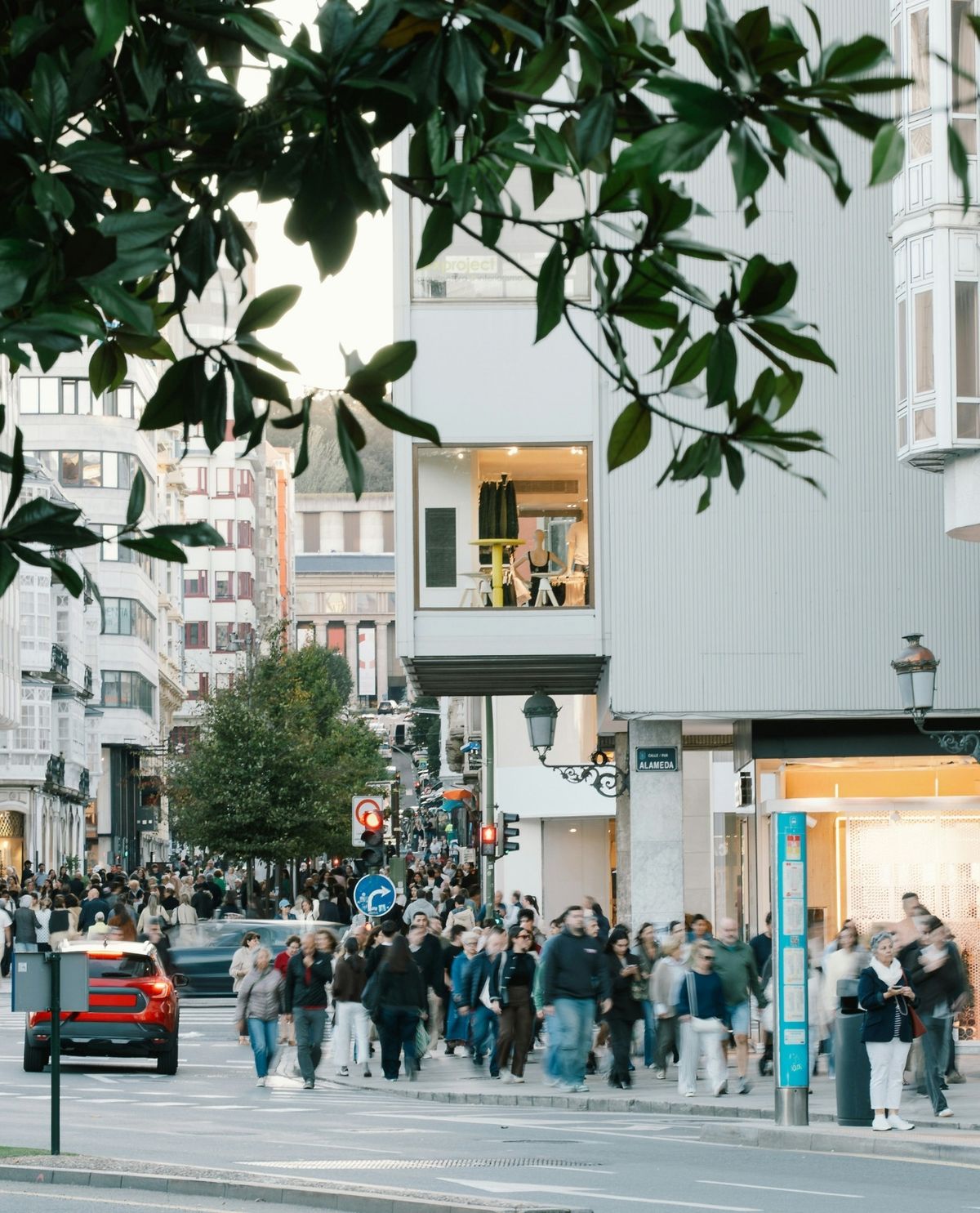

Images by A. C. & Eduardo Ramos on Unsplash
I love all my cities, there are no favourites, but I'll give you two that stand out. In Savannah, Georgia, they had a park that had been underinvested in for over twenty years. And they wanted to do renovations and really make an investment on it. They mapped every asset in the park — picnic tables, benches, playground equipment — and then engaged with their residents in a genuine and thoughtful way. “What would this space look like to you?” “What would make you want to use it?” The park was beautiful, but people weren't going. After they got community feedback and mapped out with their data, when the park opened up again pool usage went up 47%, youth employment and engagement programming increased by 30%, and they discovered that what seniors in the community actually needed most was access to food — so they launched a meal delivery service. That's a city that combined data with real community engagement.
The second example is Mendoza, Argentina. Illegal dumping is a public health crisis that disproportionately impacts vulnerable communities. Mendoza used AI technology and drone photography to identify where illegal dumping was happening, so they could remove it and enforce against it before it became a larger problem. It's a powerful example of a city using data and technology as a direct public health intervention that impacts residents in a positive way.
Tremendously. Most local governments now have open data portals, but there was a time when they weren’t putting their data into the public. Now most do, and citizens can see for themselves how their city is performing: permit processing times, trash pickup rates, contracts. This level of transparency creates more accountability, and accountability is transformed into more engaged citizens.
And we’re seeing promising results on how cities are also shifting budget dollars: moving away from programmes that aren't delivering results and towards things that are evidence-based and evaluated. If it's working, fund it. If it's not, stop and find an alternative. That shift in how public money gets spent is one of the most exciting changes in the field.
My vision is that city halls become labs of innovation. AI will free up time from automated tasks and give staff the space to be genuinely creative — and to engage their residents. We see dynamic dashboards that help cities think proactively about flood prevention or extreme heat events, tools that can predict what's coming and help both the city and its residents prepare.

Image by Roberta Sant'Anna on Unsplash
Home is New York City. She is dynamic, high energy, creative, thoughtful, inclusive. And hopeful about the future.
Kids playing in playgrounds. I grew up in New York City, in apartment buildings, and we all went to the same parks. And there's something about that sound: kids running around, playing, parents calling out, and the ice cream truck coming down the street with its jingle and every kid running towards it. That to me screams city in New York.
Jane Jacobs. I have a degree in public affairs and urban planning, and I would love to talk to her about designing and planning an urban environment. ●
Related Articles
.jpg?w=1000&q=80&fit=max&auto=format)
What's New at the New CitiesToBe?

The Infrastructure You Never Think About

Beyond Books and Shelves: Four Cities Reimagining the Public Library — and Public Life