%20(1)%20copia%20(1).jpg?w=1900&q=80&fit=max&auto=format)
«When a nomadic culture is forced into a sedentary urban existence, something profound breaks»
«When a nomadic culture is forced into a sedentary urban existence, something profound breaks»
Some photographers document the world. Nathalie Daoust looks for what hides behind it. The facts are there, but they are not enough; what she is after lives somewhere beneath them.
The Canadian photographer, born and raised in Montreal and now based in Berlin, has spent her career unveiling what lies beneath the apparent stability of life. From the themed rooms of New York's Carlton Arms Hotel to the love hotels of Tokyo, from a brothel in Brazil to a darkroom in Sydney, her projects have always sought the indefinable territory between truth, fantasy and the human desire for escape. Her method is experimental, often unfolding in the darkroom, where she manipulates the image until it reveals what a camera alone cannot.
In 'Tent City', the project behind the winning image of the second edition of our CitiesToBe Photo Award, that gaze turns to the edges of an expanding city, and to a profound paradox: a nomadic people in Mongolia, whose heritage belongs to the vastness of the open land, now compressed into the rigid concrete margins of Ulaanbaatar's urban sprawl. Now that the 2026 call is open, we spoke with her about heritage and displacement, about what photography can hold that documentation cannot, and about why, for her, the image remains above all a tool for empathy.
I started at 14 with a high school photography class and immediately became a "darkroom addict." For my very first shoot, a friend and I painted an imaginary world on a basement wall—that was the moment I realized I could use a camera to blend reality with fiction and bring an imagined universe into existence.
I’ve always felt that "stability" is an illusion. We all wear masks and live within constructed narratives. I am drawn to the blurred edges—where a person’s dreams collide with their daily reality. By focusing on this in-between space, I can explore the subconscious. It’s less about what is there and more about what it feels like to be there.
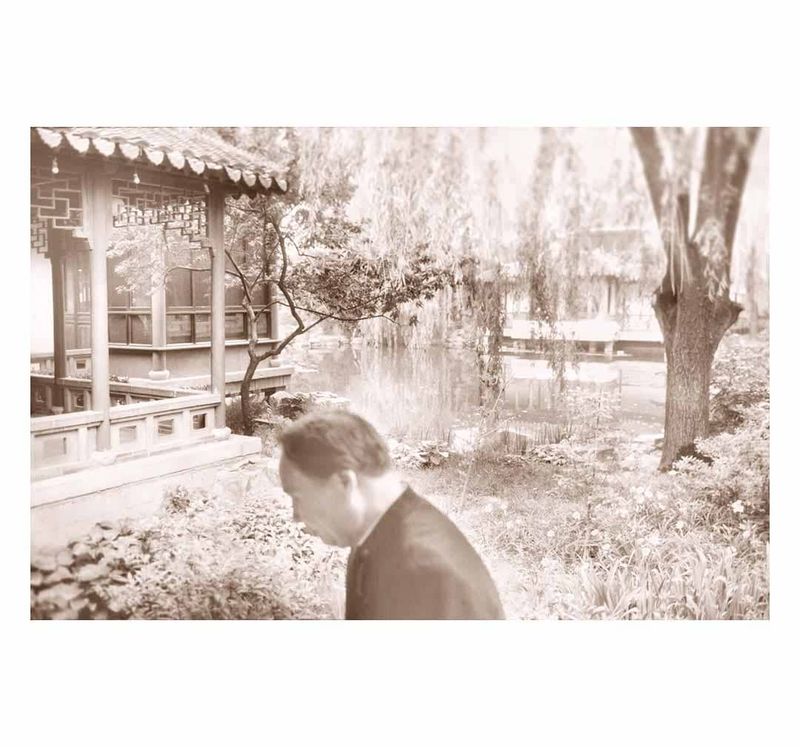
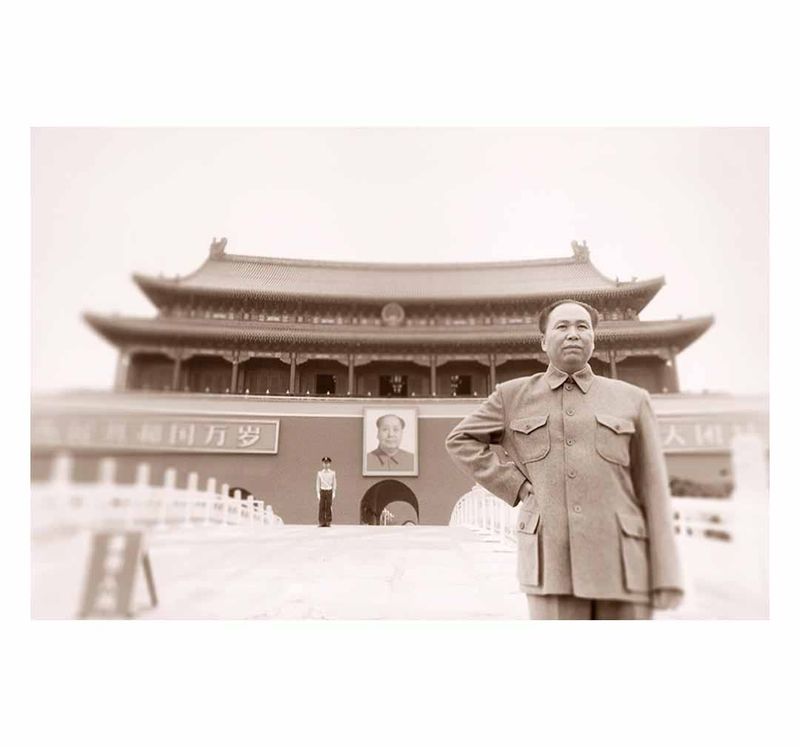
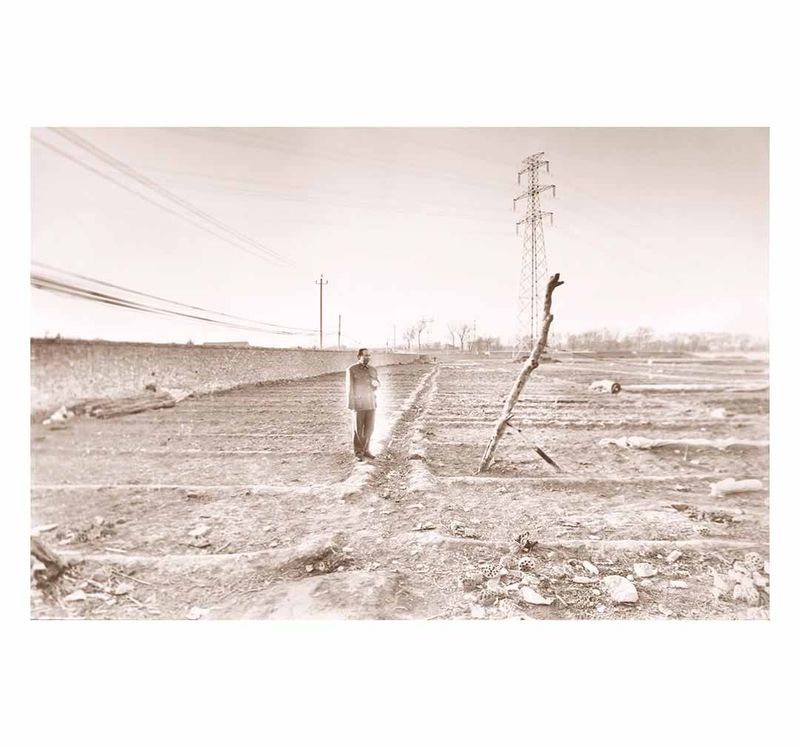
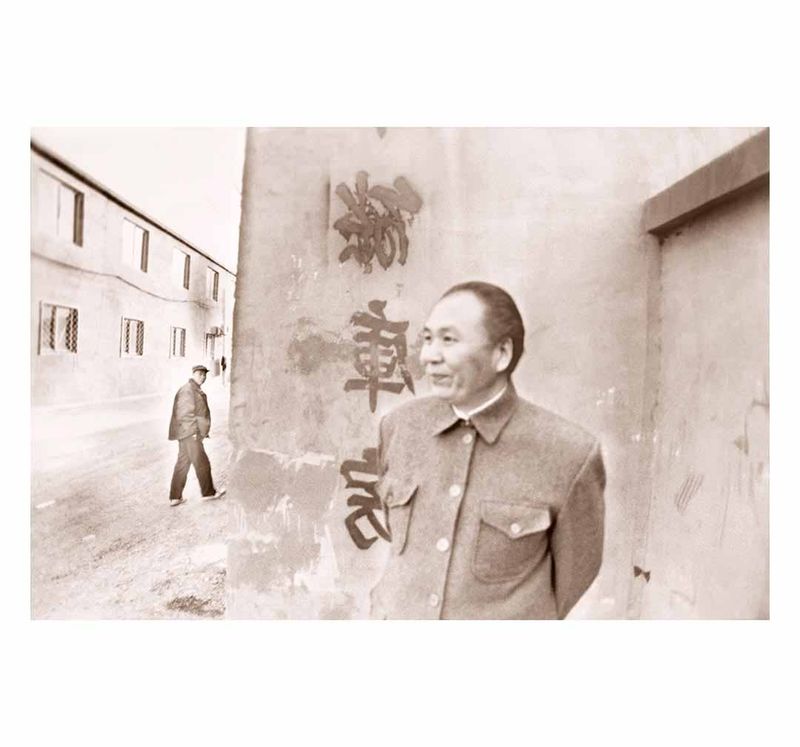
In 'Impersonating Mao', Daoust uncovers the alternate life of Zhang, a character who takes on the appearance and bearing of Mao Zedong, founder of the People's Republic of China. Beyond parody, the project reveals the impersonator's desire to escape reality and pay homage to a bygone era. Courtesy of Nathalie Daoust.
I am drawn to these spaces because they serve as refuges where people go to escape their daily lives. I am fascinated by the transformation that occurs behind closed doors; when social rules are suspended, hidden desires and true selves can finally surface. These rooms act like private theaters, revealing the deep longings that people usually hide from the rest of the world.
I avoid 'perfect' representations because life is inherently layered, distorted, and fading. As someone who finds peace in the darkroom, I use various techniques to strip away the literal reality that the eye sees. While a raw negative documents the facts, it often fails to convey the energy or connection I felt in the moment. My process is about manipulating the image in the darkroom until it finally reflects the true atmosphere and emotion experienced that a camera alone cannot see.
%20(1)%20copia.jpg?w=1200&q=80&fit=max&auto=format)
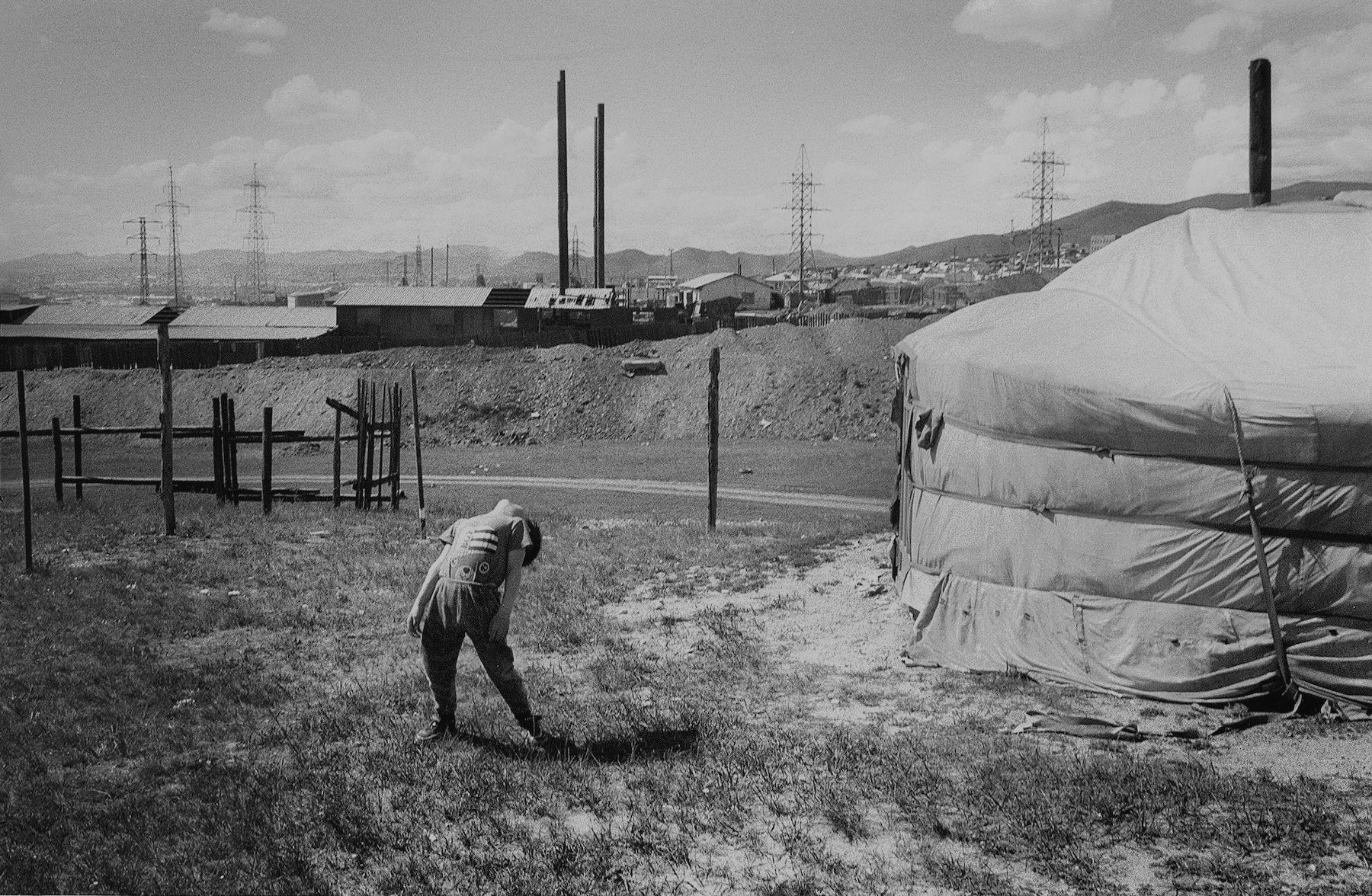
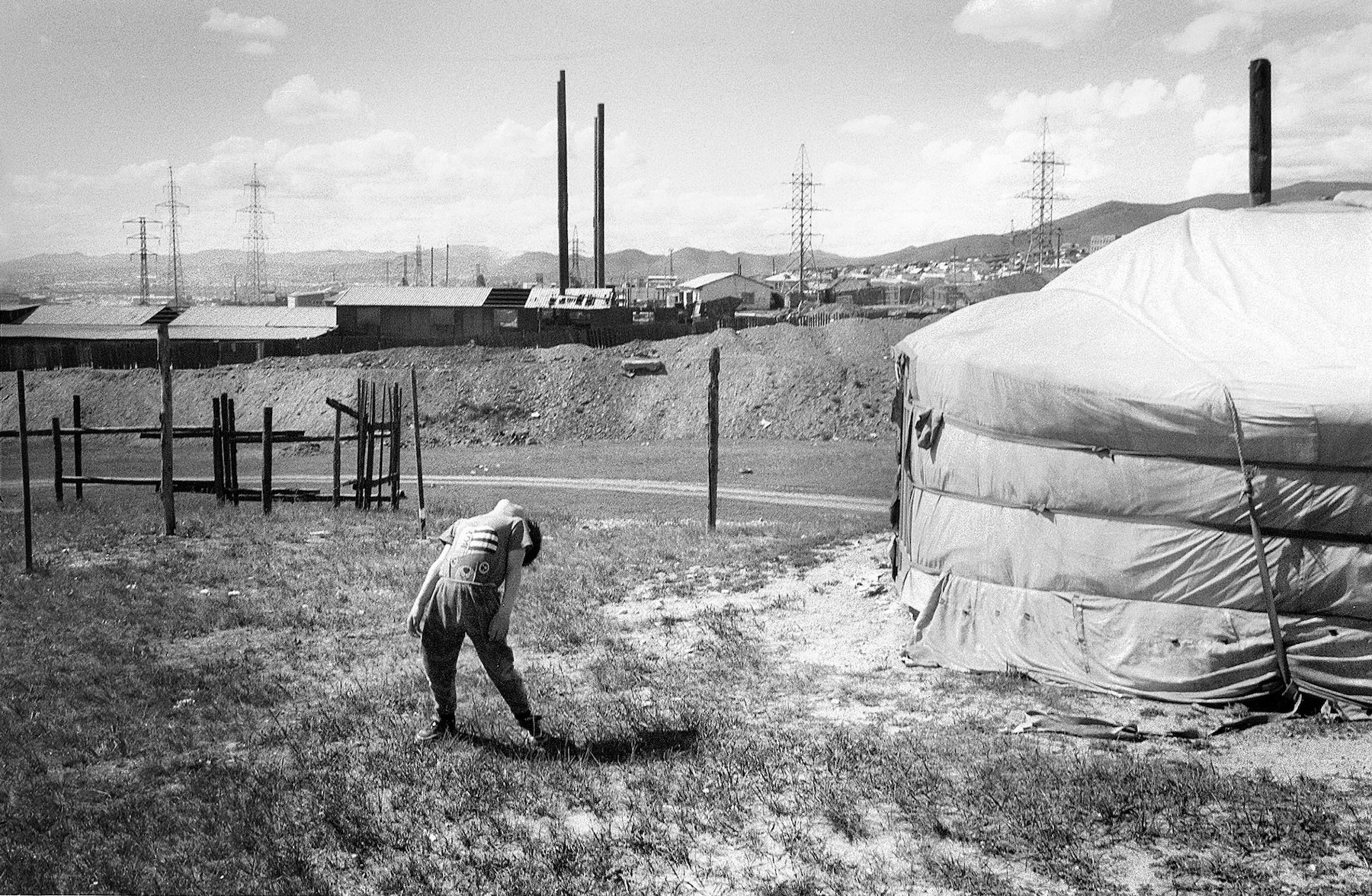
'In the Shadow of the Big City', from the 'Tent City' project, was announced the winning image of the CitiesToBe Photo Award 23.
I was drawn to these nomadic communities and was immediately struck by a profound paradox: a people whose heritage belongs to the vastness of nature were now being compressed into the rigid, concrete margins of an expanding city. Through this work, I wanted to explore the friction between ancestral traditions and a forced modernization triggered by climate change and migration. I was looking for an answer to how "home" is redefined when a community is caught in an unsettling limbo—existing in the cracks of progress.
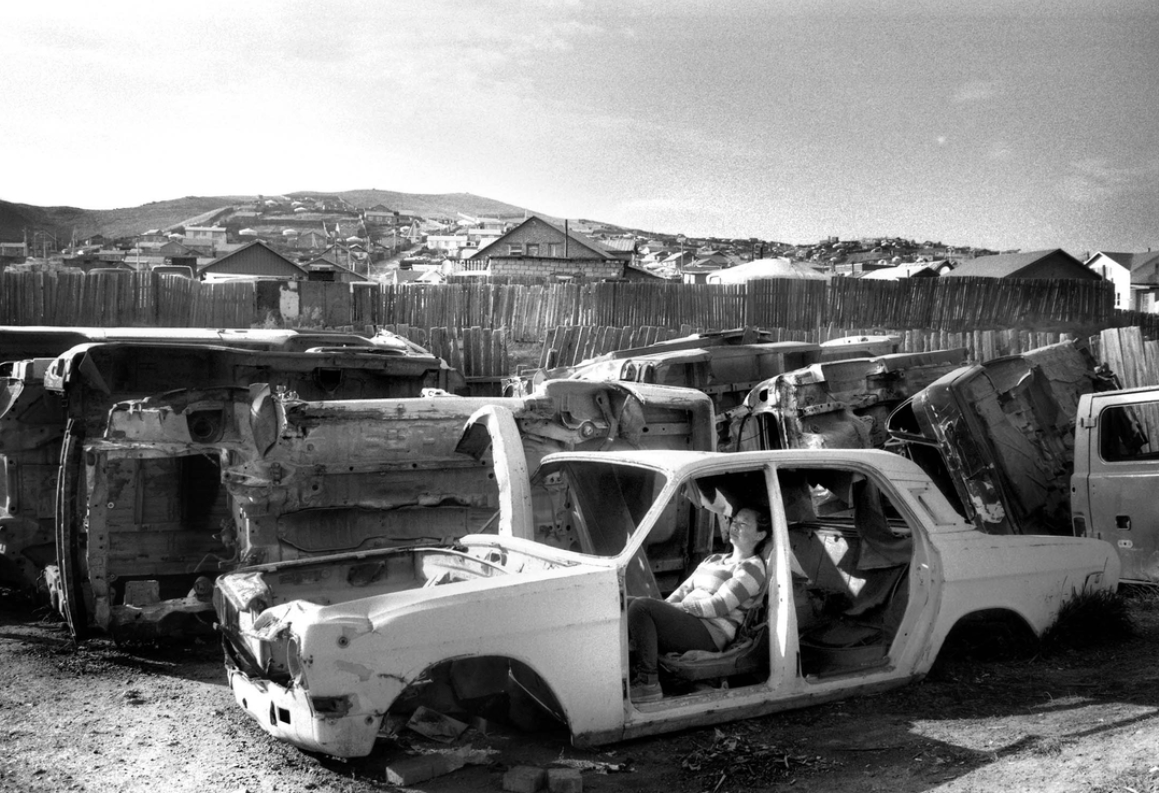
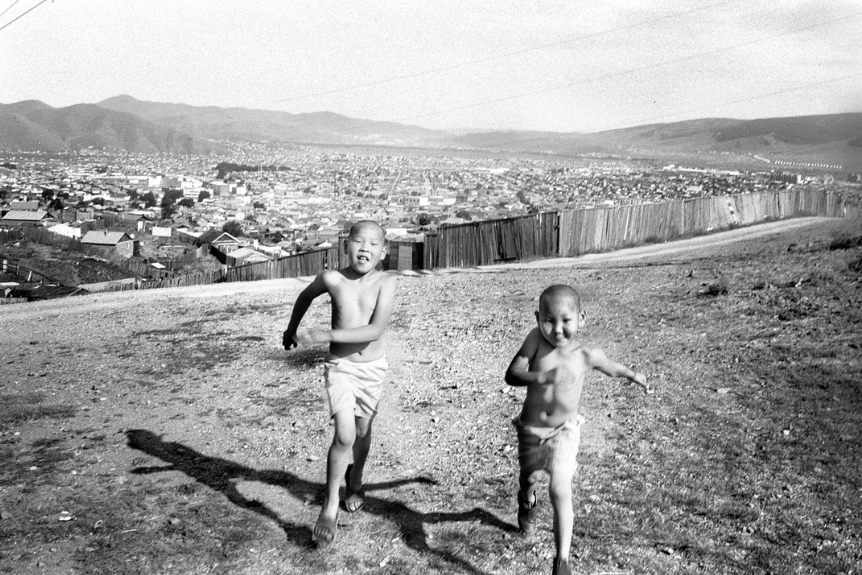
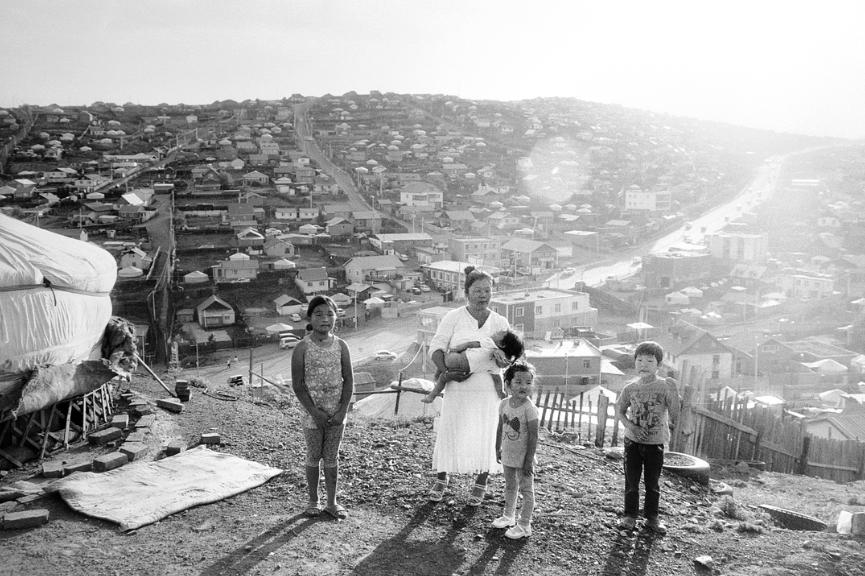
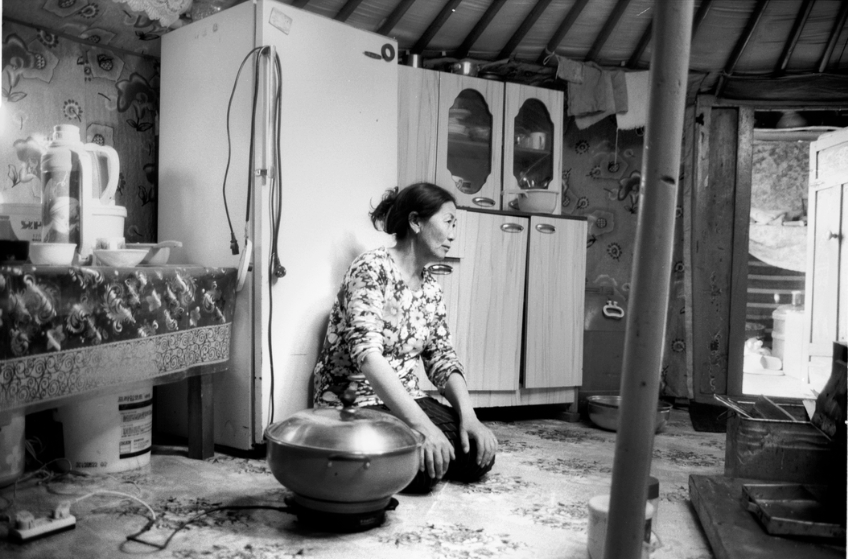
'Tent City' project. Courtesy of Nathalie Daoust.
The loss of identity. When a nomadic culture is forced into a sedentary urban existence, something profound breaks. I wanted to capture that in-between existence that represents a fragile bridge between a lost heritage and an uncertain, urbanized future that hasn't yet found its footing.
While I spent weeks in the countryside building deep bonds with nomadic families, the city demanded a different kind of connection. I photographed 180 families who all welcomed me into their homes, yet our time together was inherently transient—as fleeting as the ground beneath their feet. This shifted the project's focus; instead of individual character studies, the work became about a collective struggle to preserve a traditional identity within a modern cage.
Since then, that fragile reality has only hardened. Most of the "temporary" settlements I documented have either devolved into permanent slums or been erased entirely by high-density construction.
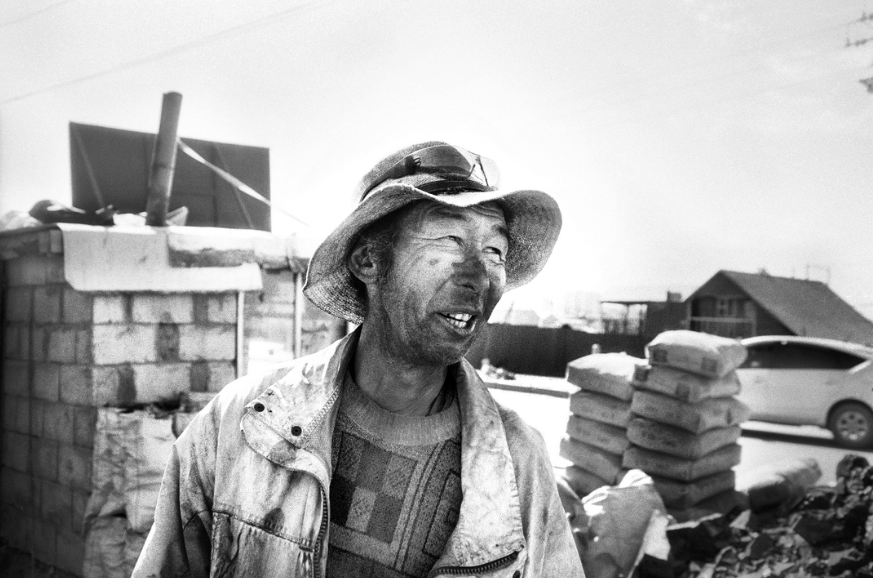
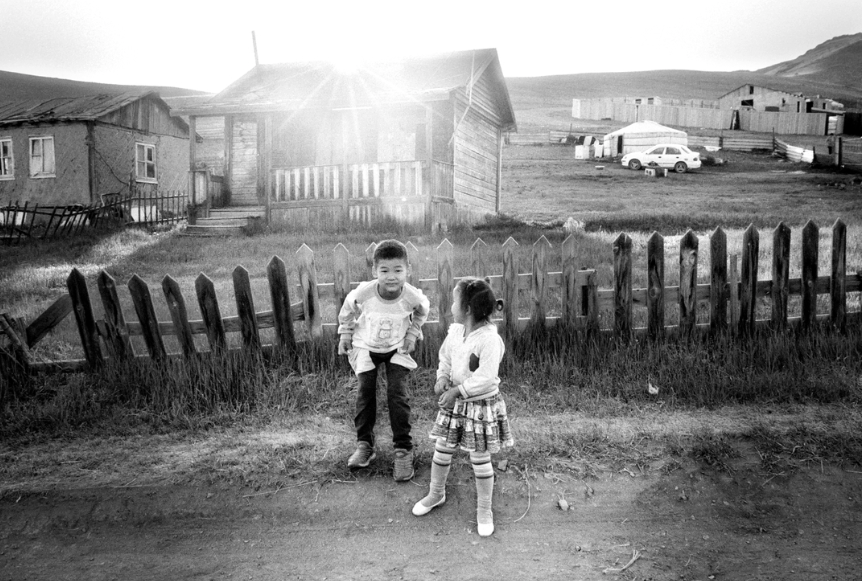
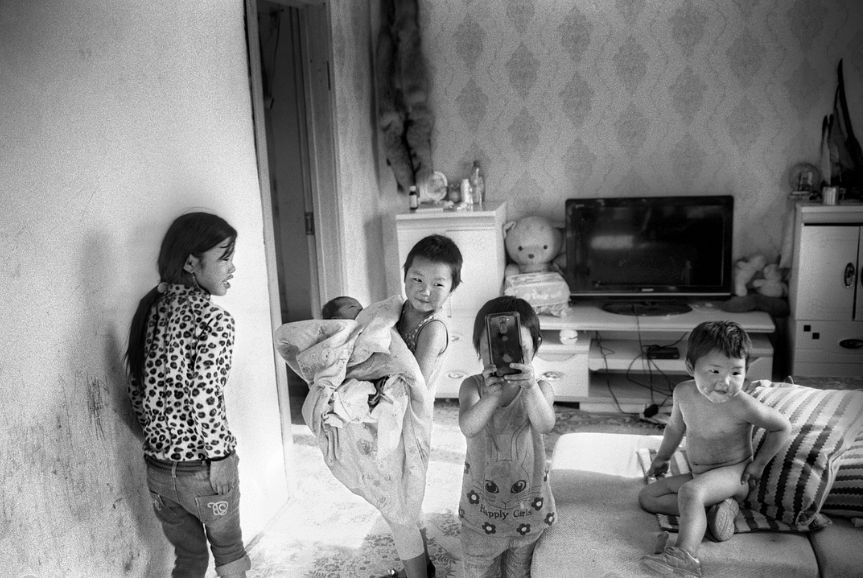
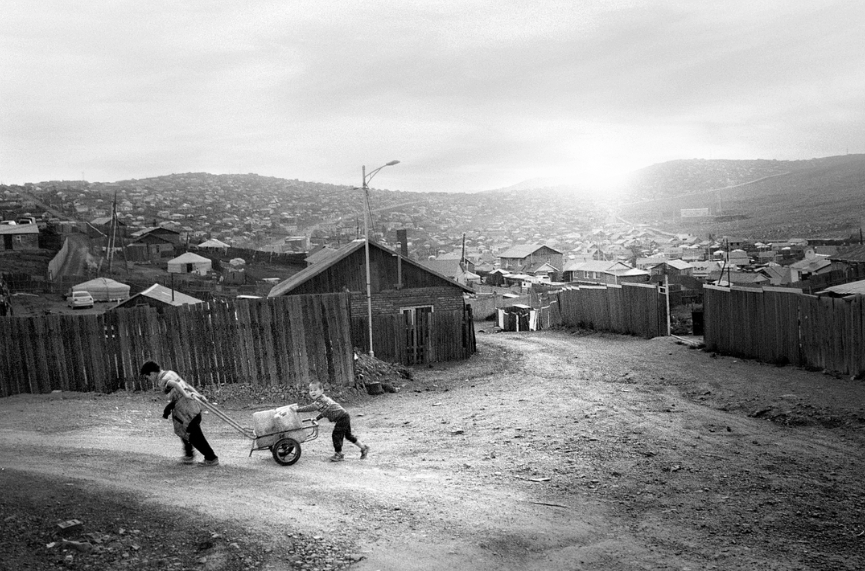
'Tent City' project. Courtesy of Nathalie Daoust.
My work explores the tipping point where tradition is reimagined for a new era. It resonates with a global movement to protect ancient ways of life and community structures in the face of rapid change. Ultimately, it is a story of adaptation, capturing the moment when centuries of tradition intersect with the modern world—a transition where new possibilities emerge even as old ones fade.
In 'Korean Dreams', I had to embrace the "staged" reality. Instead of trying to fight the government minders to find a "truth" they were hiding, I photographed the theatre itself. By using a specific darkroom technique to make the images look like they were fading or dissolving, I wanted to mirror the way the individual identity is obscured by the state’s grand narrative. It’s about photographing the feeling of being watched and the fragility of that constructed perfection.
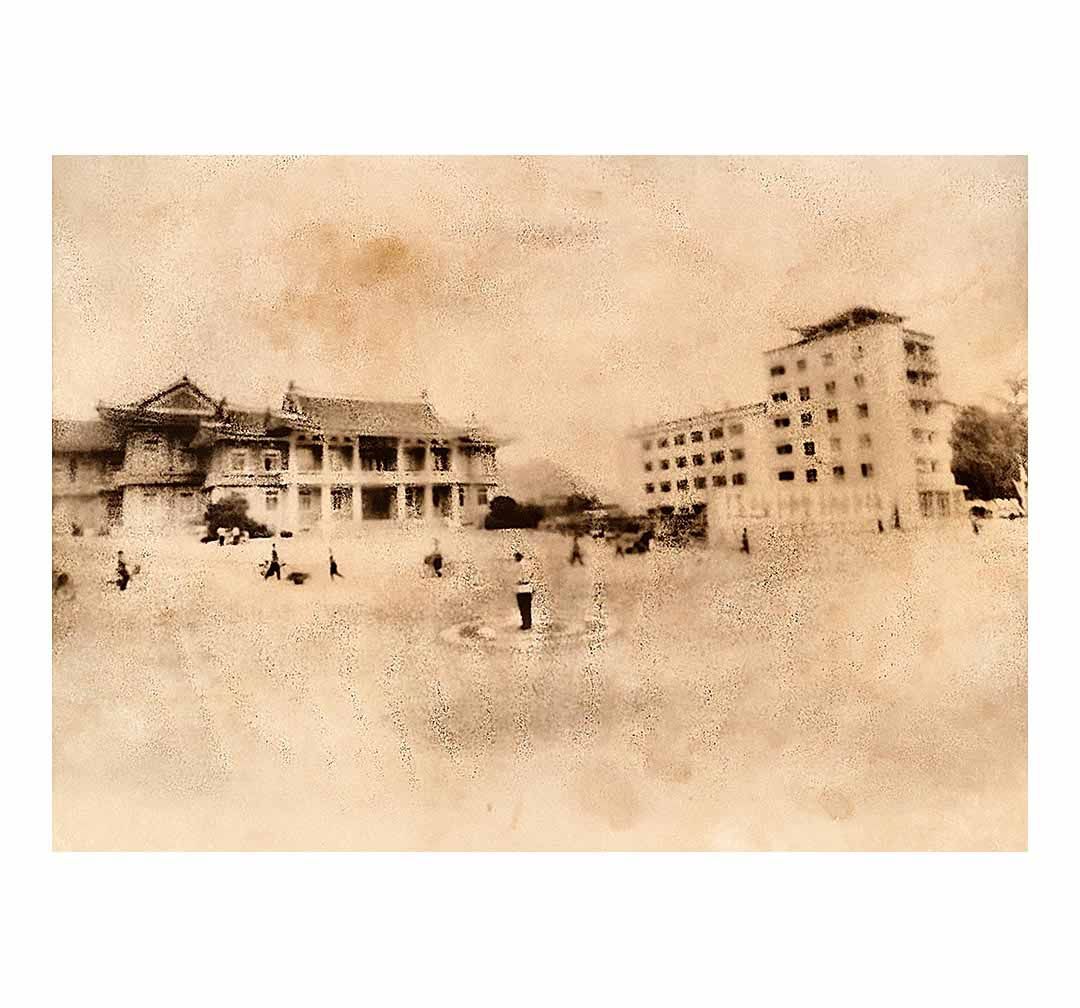
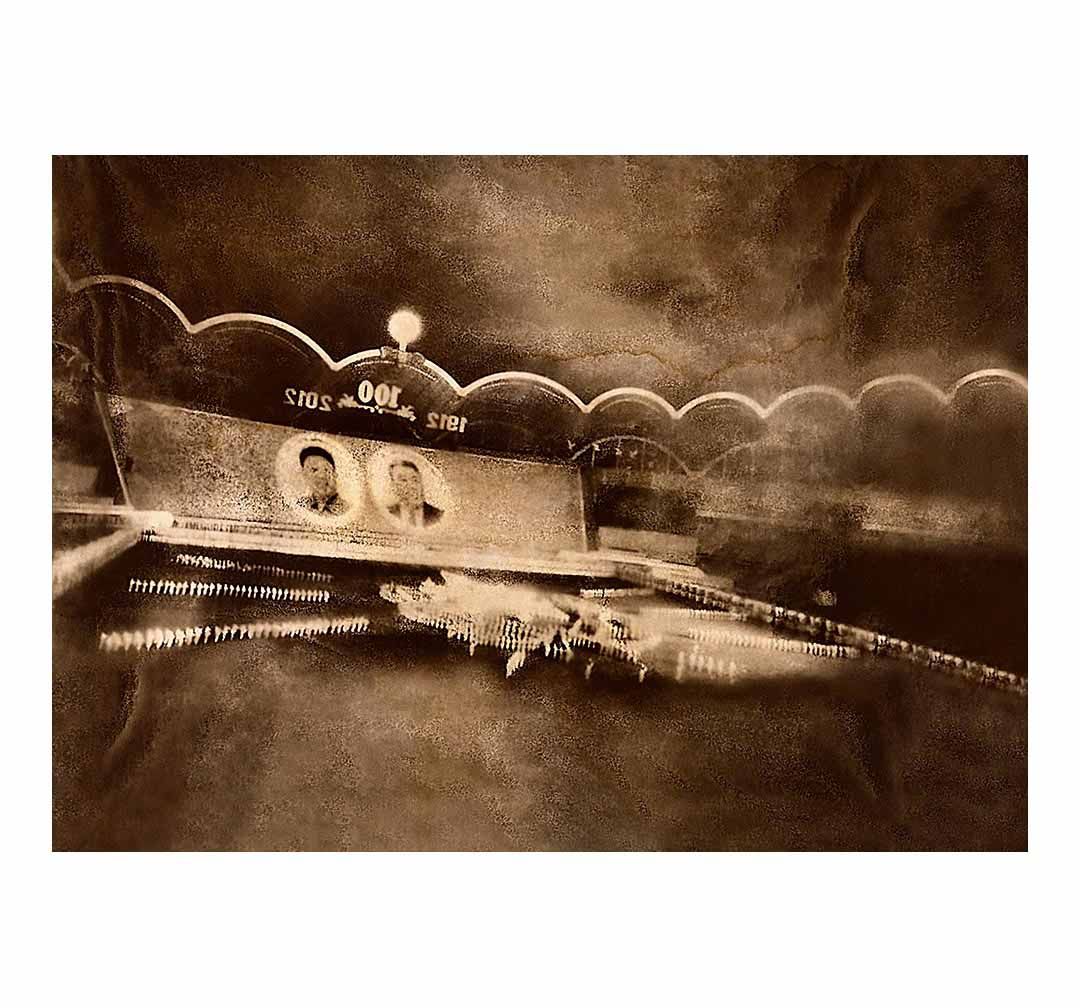
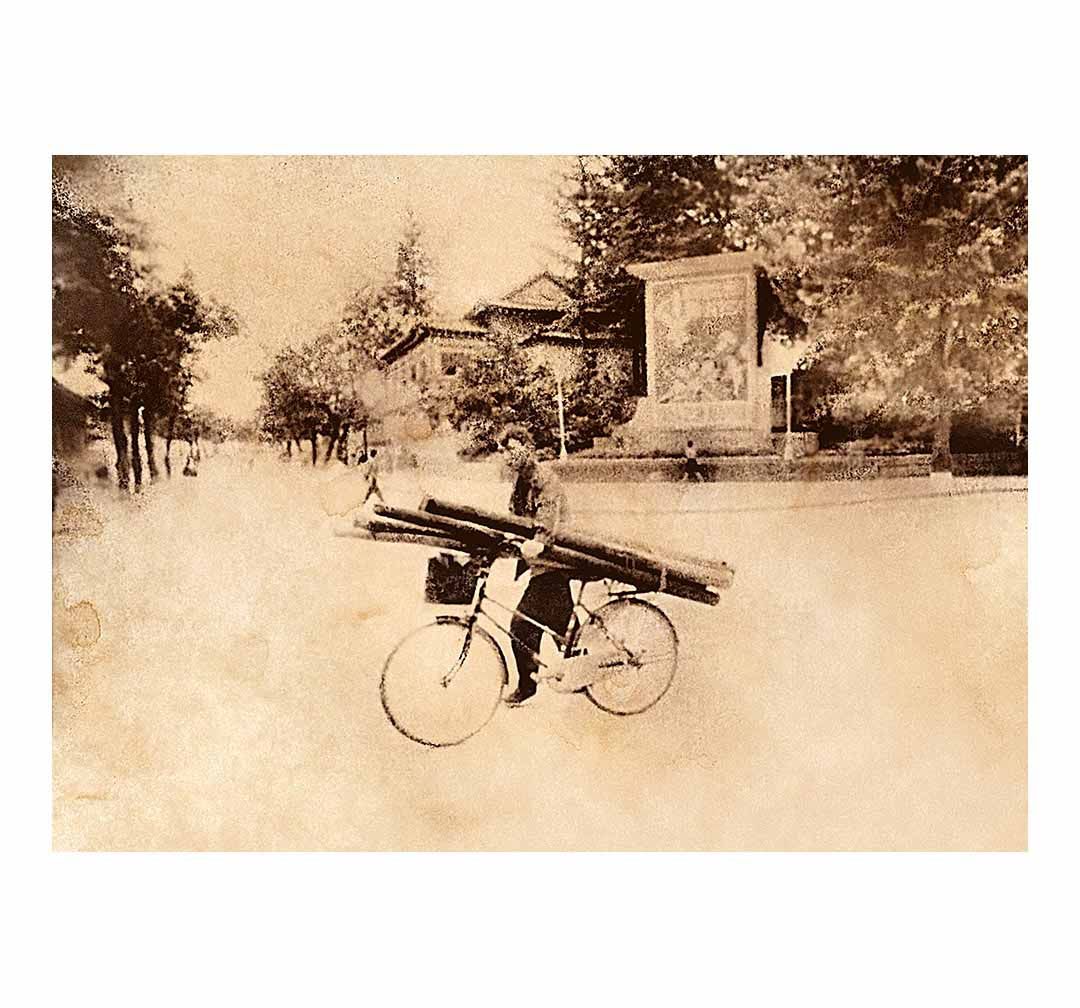
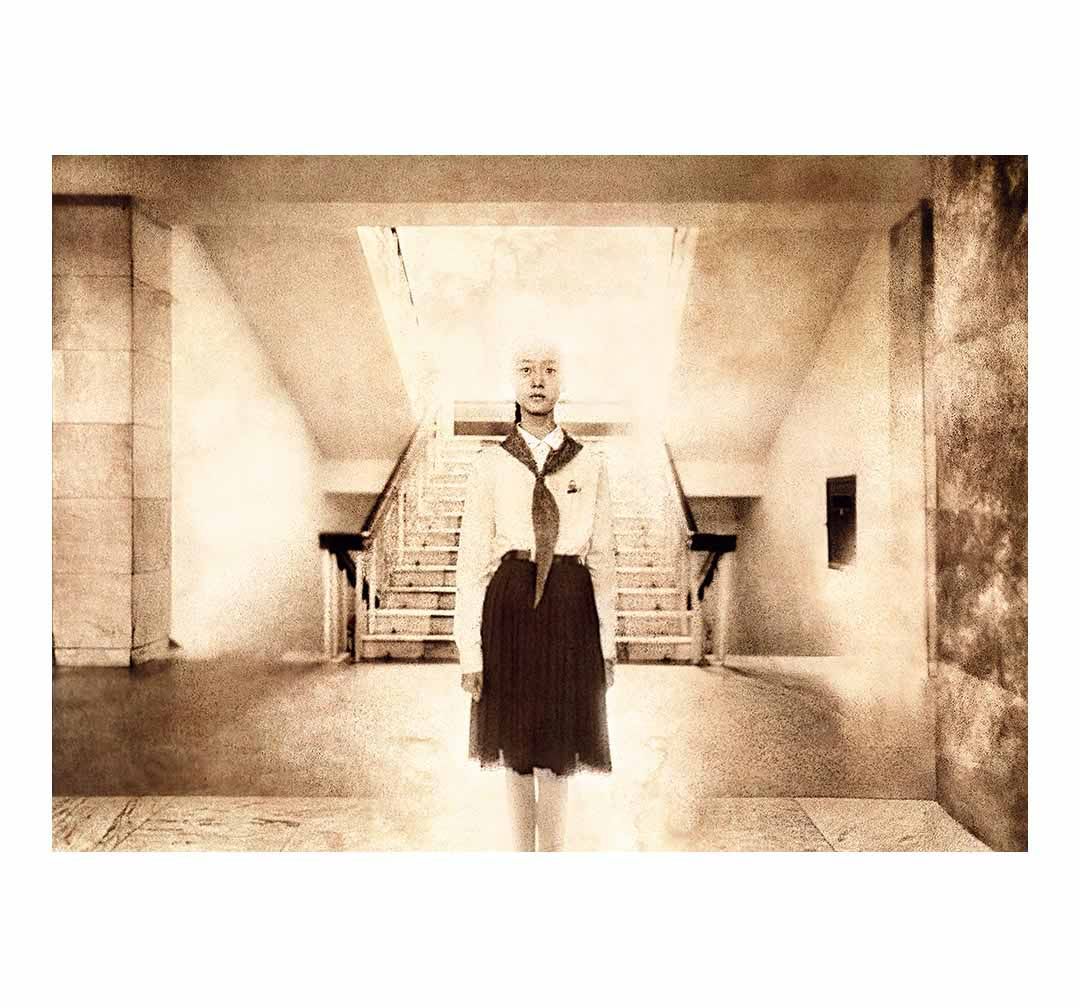
'Korean Dreams' project. Courtesy of Nathalie Daoust.
I see both sides of this shift. We are drowning in images, and often, more is simply less. This is why I like to work with analog photography, it helps me slow down. But whether digital or film, photography remains a vital tool for empathy, acting as a visual anchor in an increasingly virtual world.
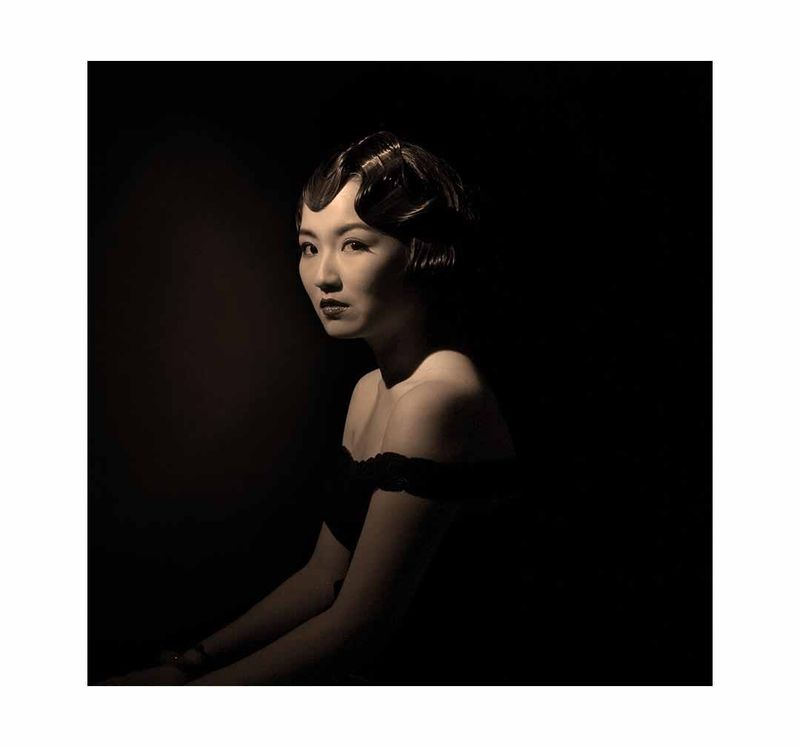
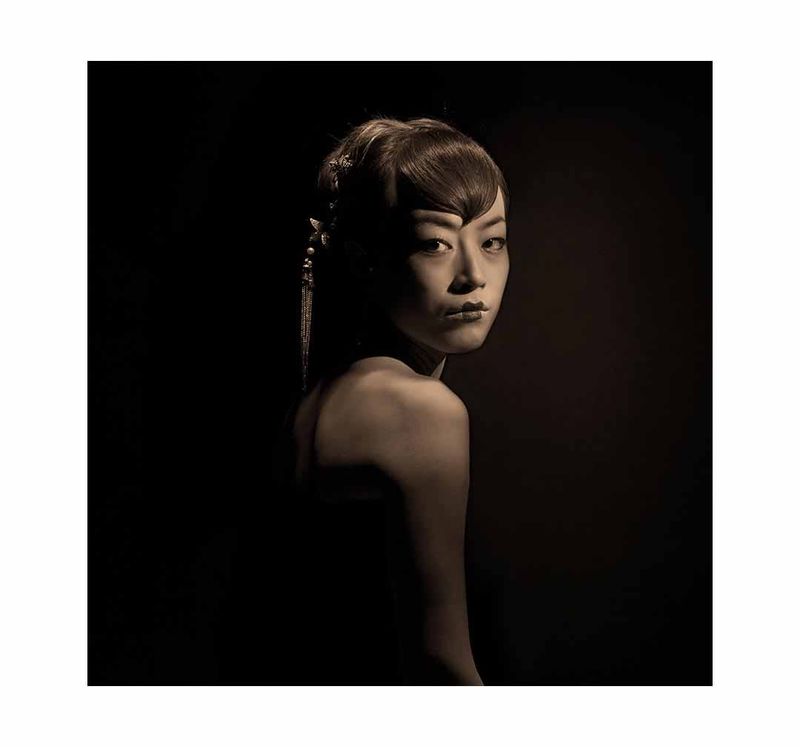
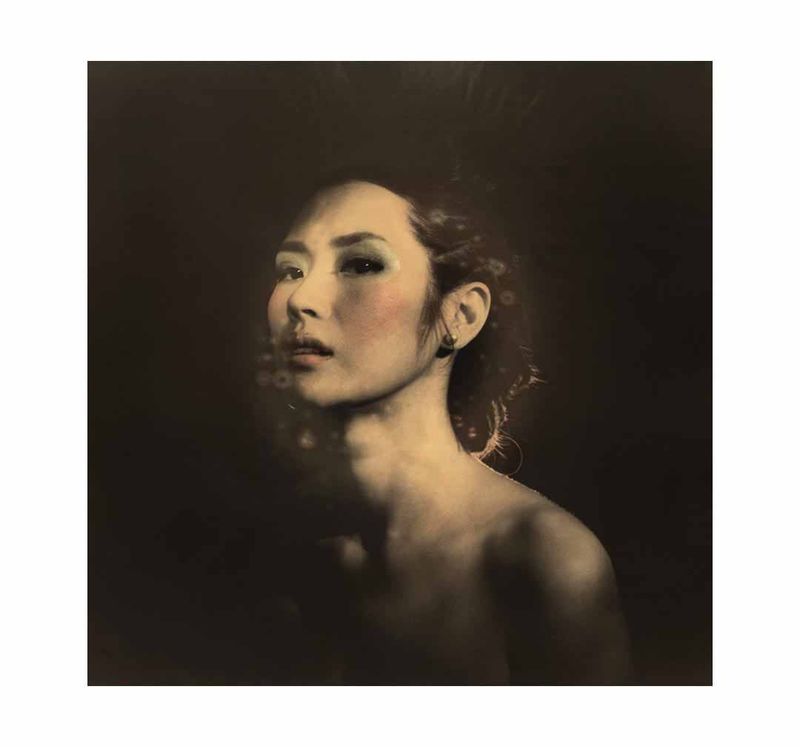
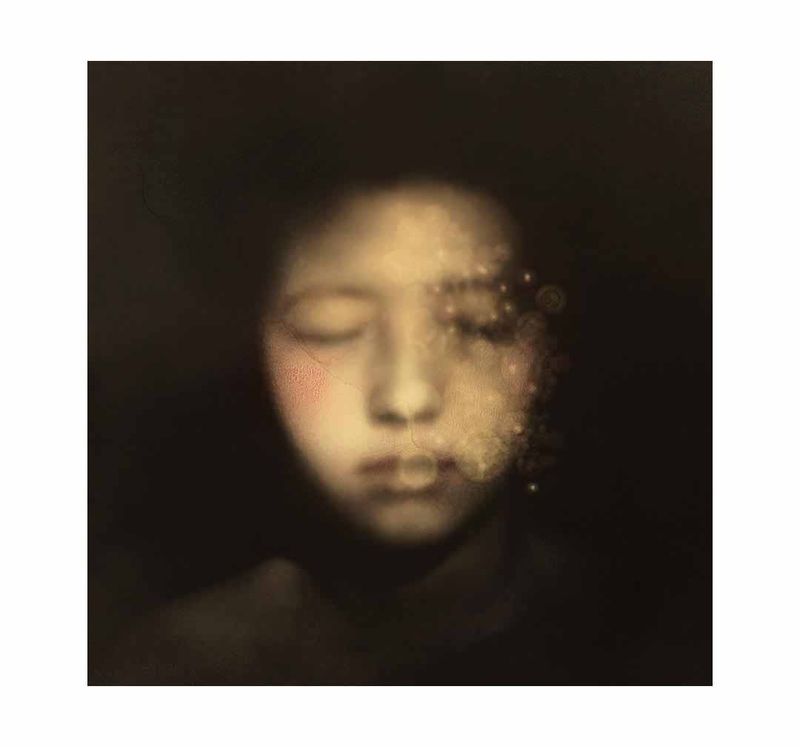
Nathalie Daoust's work explores intimate spaces often hidden from the visible life through experimentation and darkroom processes. Images from 'China Dolls' project.
I tend to look at the ways we adapt as our surroundings change. We are living in a world that is becoming much more crowded, where the privacy and vastness we once took for granted are being replaced by density. Because of that, I think escapism is becoming something more personal and quiet. I’m just trying to find those little gaps in the city where a person’s own thoughts and imagination can still take up space.
I am drawn to anything I know nothing about.
If I had the choice of any photographer in the world, it would be, by far, Martin Benoit. He was my teacher at Cégep du Vieux Montréal thirty years ago, but over the decades, he has become so much more than a mentor. Martin is a rare soul whose technical expertise is matched only by his dedication; whether we are discussing complex darkroom methods or the motivation needed to keep going, he has always been a grounding presence. Since we live in different cities and I don't get to see him as often as I’d like, a dinner with him would be the ultimate gift—to catch up with the person who has been my most consistent anchor in this creative journey. ●
Related Articles
.jpg?w=1000&q=80&fit=max&auto=format)
What's New at the New CitiesToBe?

The Infrastructure You Never Think About

Beyond Books and Shelves: Four Cities Reimagining the Public Library — and Public Life