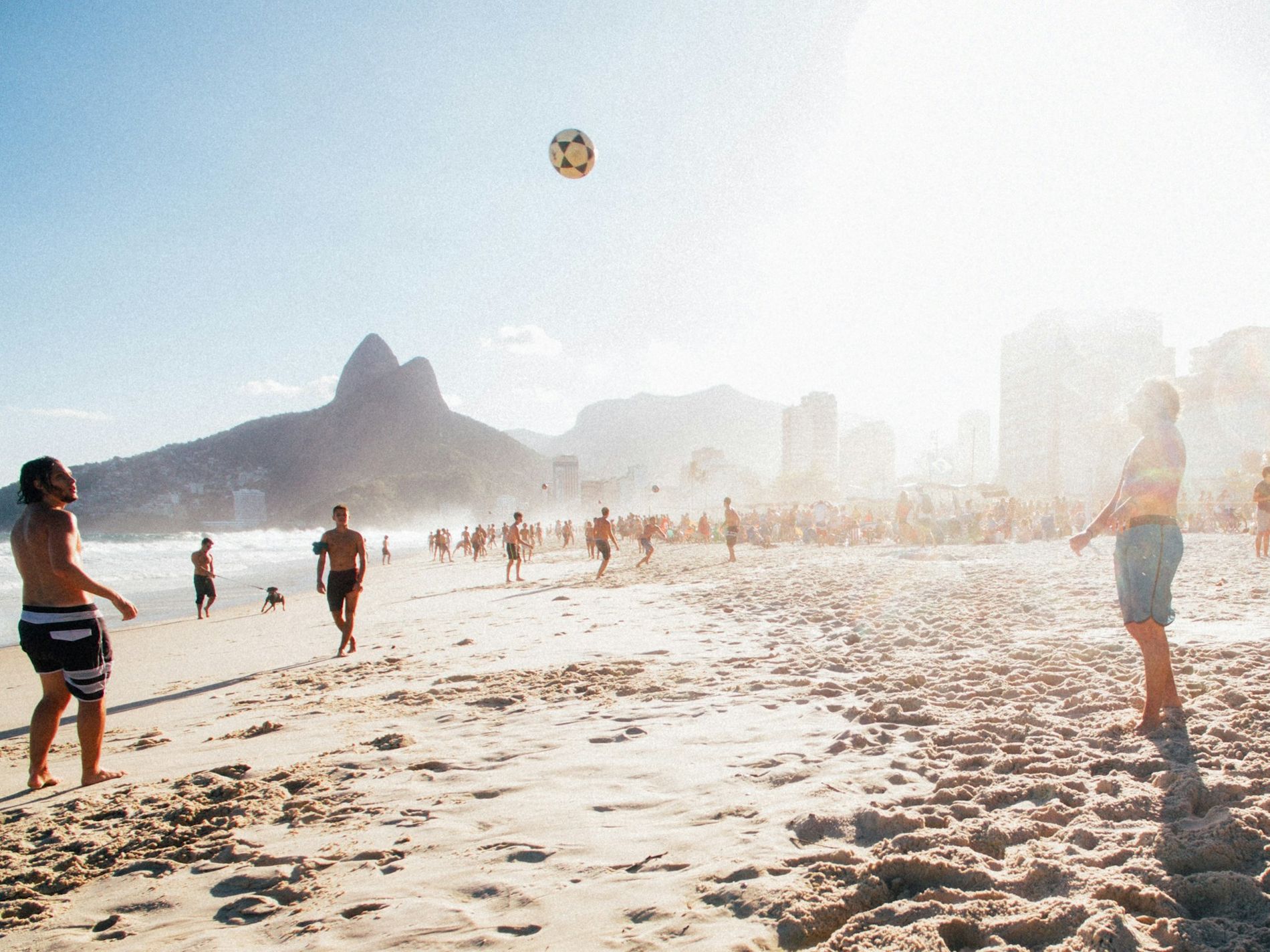
Genius Loci: The Part of a City That Cannot Be Scaled
There is a word, borrowed from Roman religion, that keeps resurfacing whenever people try to explain why one place feels alive and another feels like a stage set. The Romans called it the genius loci — the protective spirit of a place, depicted in their iconography carrying a cornucopia or a serpent. The term survived antiquity, but its meaning loosened. By the eighteenth century, Alexander Pope was urging landscape designers to "consult the genius of the place in all," turning a guardian deity into a design principle: build with the terrain, not against it. Two centuries later, the architectural theorist Christian Norberg-Schulz gave the idea its modern weight in Genius Loci: Towards a Phenomenology of Architecture, arguing that the character of a place — its light, its materials, the way it holds memory — is not decoration but the very thing that makes dwelling possible.
We keep returning to that lineage because it names something the tourism economy has long struggled to account for: that the value of a place is inseparable from its particularity, and that particularity cannot be manufactured.
What a place actually is
Every city, region or territory holds something remarkable in the authentic combination of its landscapes, architecture and culture — the elements that together shape its identity. But the genius loci is not a list of monuments. It lives in the relationship between architecture and natural landscape, in the rhythms of daily life, in the ways people gather in public space, in the hours when a place wakes and falls asleep.
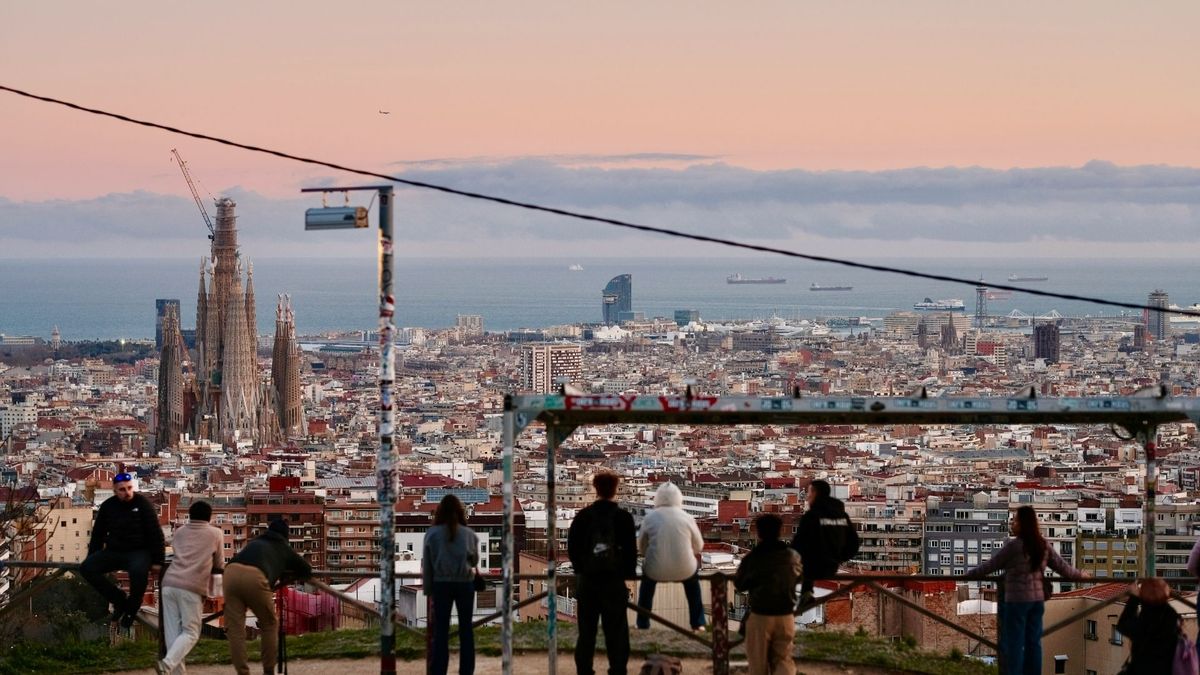
Image by Zuoranyi on Unsplash
Some of it is tangible. Most of it is not. It surfaces in local crafts — artisanal practices, agriculture, fishing — and in collective rituals passed from one generation to the next. It is in the celebrations that mark the arrival of a new life or the farewell to someone who departs; in the food people prepare, the way they cook it, and the ritual of eating together. It reveals itself in the rhythm of walking, in how children and elders are woven into the ordinary day, in a town's particular lights, music and silences. It emerges in scents, in dances, in the tone of voices in a square, in the colours and the clothing people wear. None of this appears in the photograph of a catalogue. It consolidates slowly, through memory and through stories told and retold, through the refinement of material production and the reaffirmation of intangible values.
This is the constellation of elements — the "golden stones" — that no other place can replicate. And it is exactly what the dominant model of global tourism is least equipped to understand.
The problem is not volume, but coherence
Tourism, like any industrial activity at scale, tends toward standardisation. Competition rewards what is price-efficient and easily replicable; it favours the homogeneous and the scalable. The result is a strange inversion: places that were once fundamentally singular have been turned into decontextualised destinations, where uniqueness has been processed into a soulless product.
This helps explain a good part of the discontent now surrounding the tourism industry — the visible friction on specific streets, neighbourhoods and natural spaces around the world. But the usual diagnosis is incomplete. The problem is not only massification, rising prices, or the strained coexistence between residents and visitors. It is also the quieter frustration of watching visitors encounter a fake version of the place residents love. Travellers are sold products that could exist anywhere — experiences stripped of local soul, of ways of doing things, of everything that cannot be packaged.
What is being lost, in other words, is not capacity. It is meaning. When a place loses its internal coherence, tourism may keep growing while the reason for the visit quietly disappears.
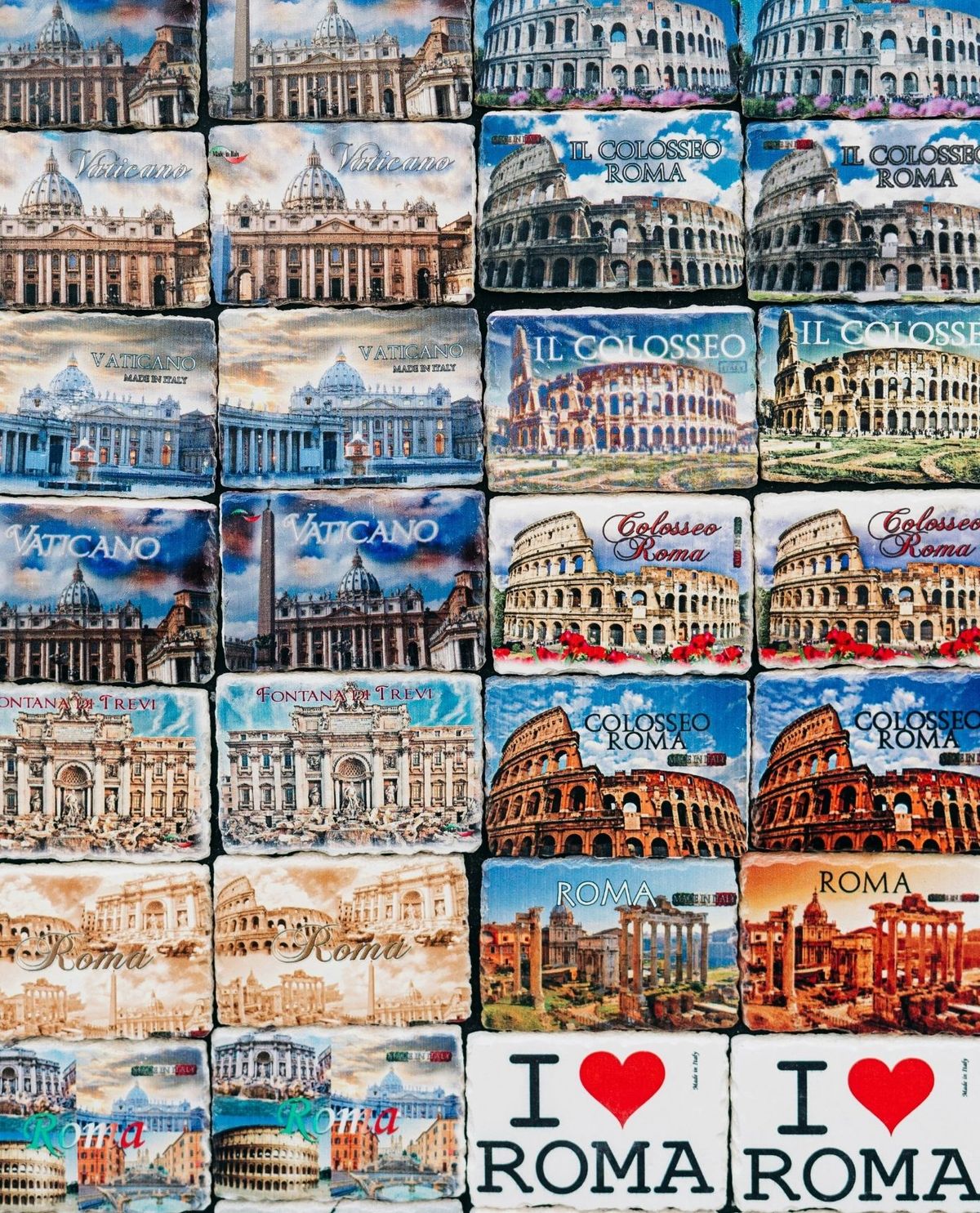
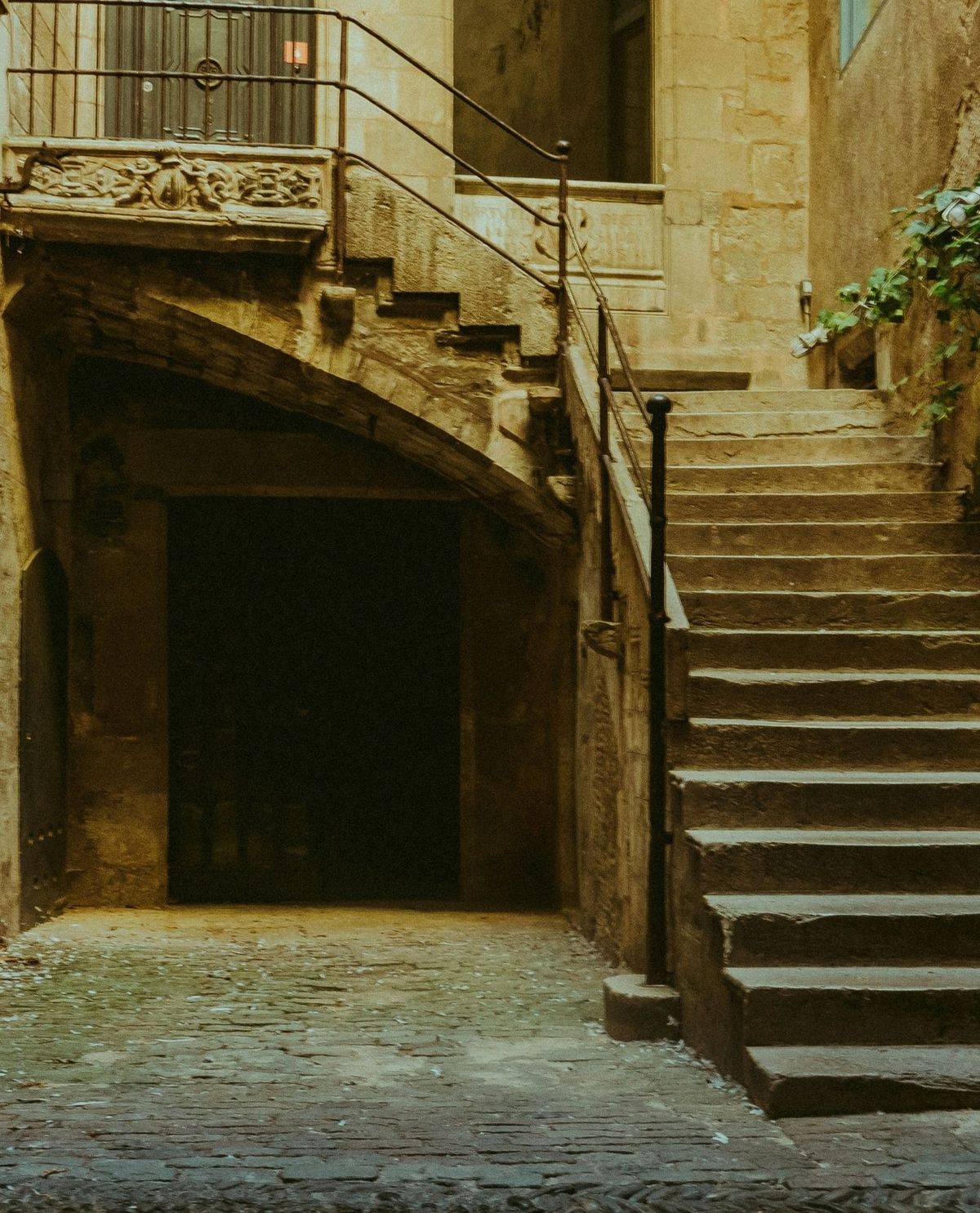
Images by Gabriella Clare Marino & Julia Florczak on Unsplash
A category, or a condition?
It would be easy to read all this as an argument for a new label — "authentic tourism," "place-based tourism," "hyperlocal tourism" — to slot into the existing catalogue beside cultural, sports, gastronomic and adventure travel. That is not the argument.
For decades the industry has segmented demand into ever-finer typologies, and segmentation has been a reasonable way to organise a complex market. But segmentation is usually shaped more by the supply side — by the need to produce easily sellable products — than by the real reasons people travel. The proliferation of categories raises an awkward question: to what extent do they respond to travellers' motivations at all, and to what extent do they simply package territory to make it consumable?
The point of invoking the genius loci is not to add another box. It is to recover the conditions that make travel meaningful for visitors and for the places that receive them. Identity, seen this way, is not an asset to exploit but a condition to sustain. And that reframing changes the order of operations. Places should first strengthen their own singularities, and only then seek external attraction — mapping what already exists, understanding the constraints and possibilities across many dimensions, and defining priorities with long-term impact. When original resources come first, tourism stops being a sector to promote and becomes an instrument for protecting, caring for, and generating real local value.
What it looks like on the ground
This is less abstract than it sounds. Consider cultural tourism. In Kyoto, practices such as the tea ceremony, ikebana and calligraphy show how an offer can be built around what makes a place singular while respecting the carrying capacity of a territory — distinctive, yet open to the world. Puebla and Oaxaca are finding their own path through gastronomy, drawing visitors who want belonging rather than a stereotype. Bayreuth lives for opera lovers; Salzburg fills each summer with classical music. Cities such as Cali, Havana and Buenos Aires keep drawing travellers to their living musical cultures — salsa, son, tango — not to photograph them but to dance, to study, to take part. People arrive as practitioners rather than spectators, seeking the specific experience of being where something truly belongs. The most compelling cultural destinations of the coming years will not be those with the largest monuments, but those that manage to reveal what is genuinely particular about their living culture.
The same logic runs through sports tourism, where it becomes almost diagrammatic. Nazaré built a global reputation around big-wave surfing; Tarifa around windsurfing; Kalymnos is now a world capital of sport climbing; Dahab, of freediving. In each case the destination did not simply inherit favourable natural conditions — it earned its place on the map through the alignment of local policy, entrepreneurial initiative, and the commitment of a specialised global community. The lesson is consistent across both: a destination does not need to attract everyone. It needs to become the most meaningful place for the right ones.
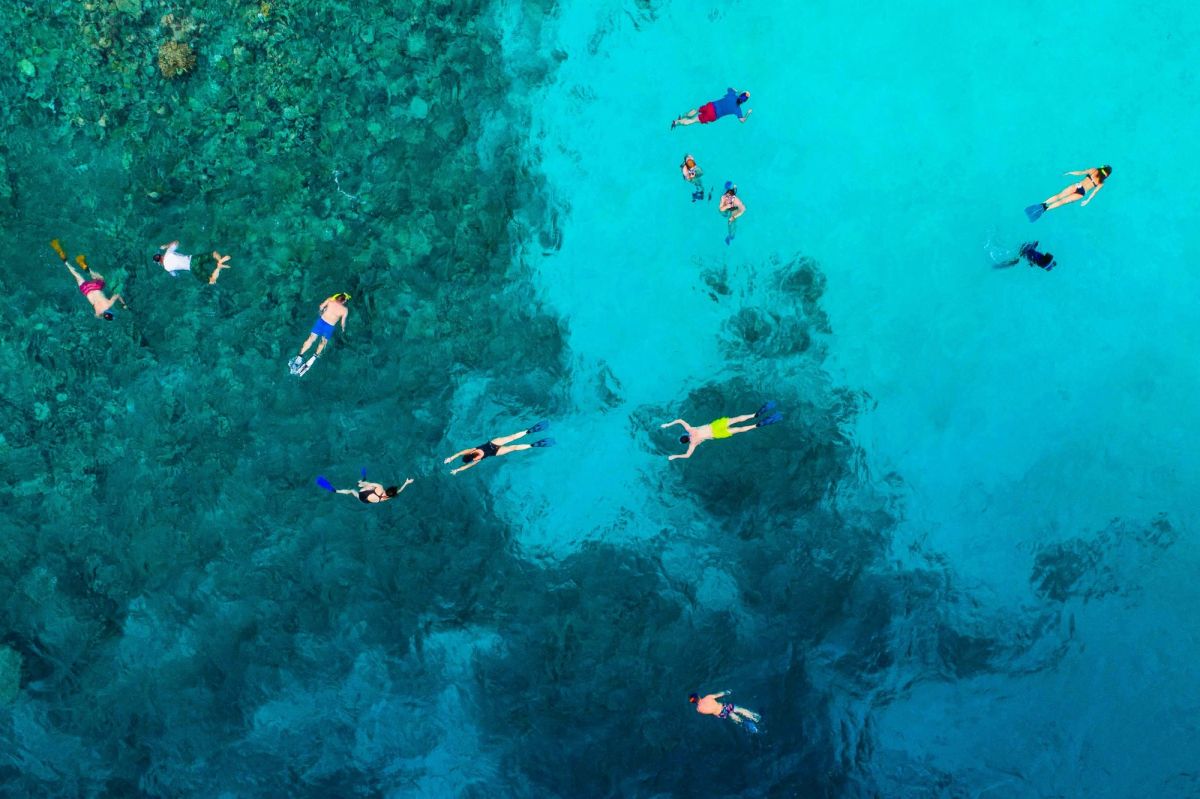
Image by Phaisalphotos Maldivephotographer on Unsplash
The thing worth protecting
Tourism has learned how to grow almost without limits, driven by standardisation and scale. Its future, though, depends on recovering precisely what cannot be scaled: the singularity of place. That is not a romantic position. It is a strategic one — measured not in arrivals but in local economic retention, in the quality of employment, in how value is distributed across a territory, in whether residents are better off.
We have set out a fuller framework for that transition in our recent insight, A Roadmap for Place-Based Tourism That Regenerates Local Value, for anyone ready to do the practical work of getting there.
But the framework rests on a prior question, and it is the one worth sitting with. Before any strategy, before any roadmap, a place has to be able to say what makes it irreplaceable — and decide it is worth keeping. So perhaps the real question is not how a destination grows, but what it would refuse to trade away in order to do so. ●
Related Articles

Beyond Books and Shelves: Four Cities Reimagining the Public Library — and Public Life
.jpg?w=1000&q=80&fit=max&auto=format)
What's New at the New CitiesToBe?
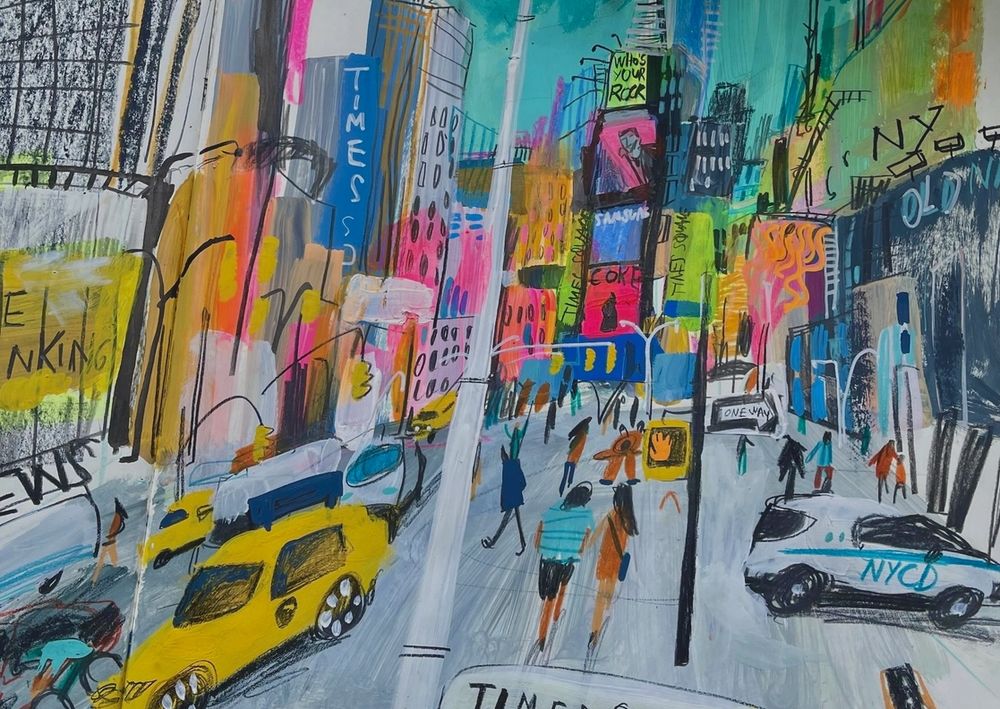
«Urban sketching is a form of love towards the city, to things that are not perfect»