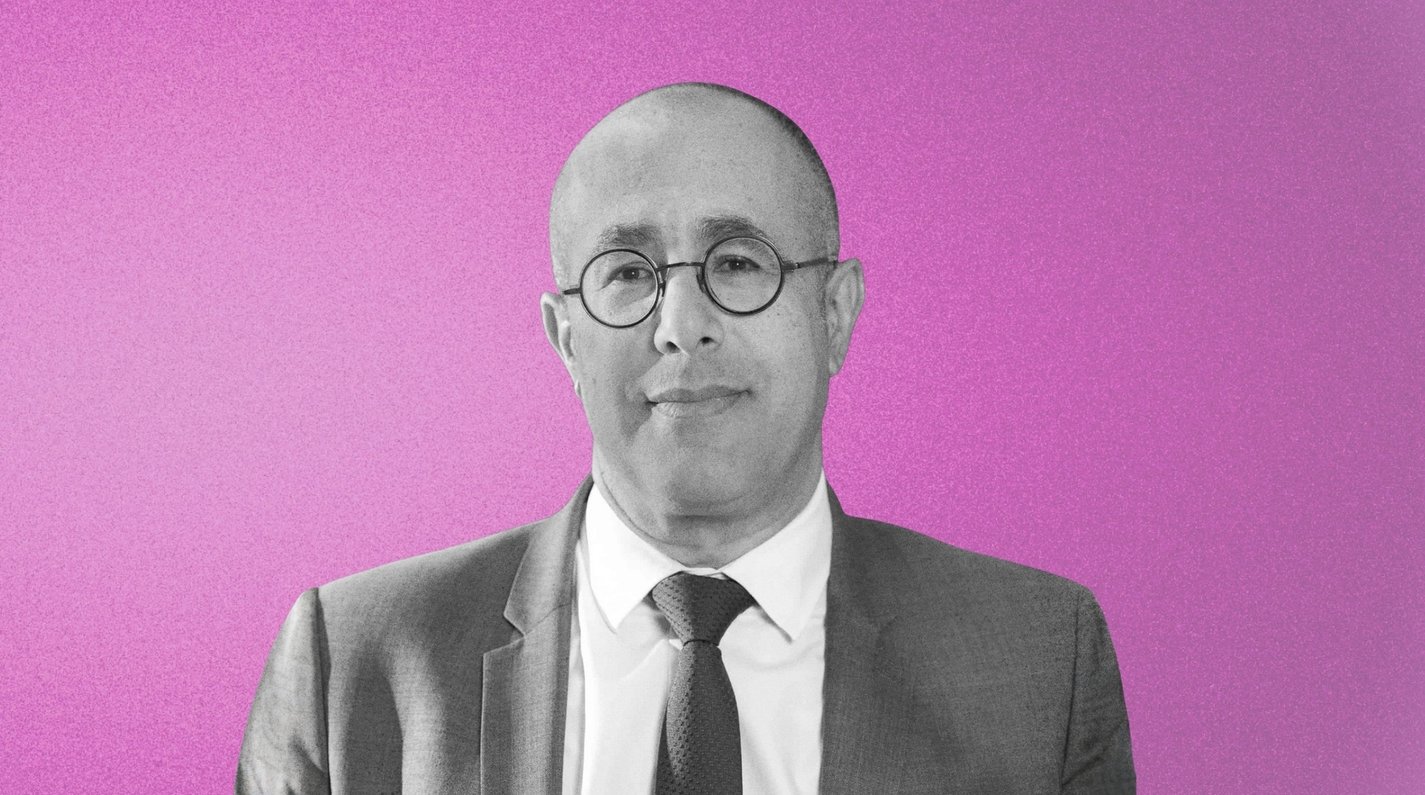
«It is more important than ever to build the foundations of urban resilience»
As cities concentrate people, infrastructure, and economic activity at an unprecedented scale, they are also becoming increasingly exposed to risk. Climate change, natural disasters, social inequality, and economic shocks are converging in urban areas, turning resilience into one of the defining challenges of our time. In this context, cities are no longer just places where global crises unfold—they are also where solutions must be designed and implemented.
Few people have a broader perspective on this transformation than Sameh Wahba, Regional Practice Director for the Planet Department in the Europe and Central Asia Region at the World Bank. His work focuses on helping cities around the world strengthen their capacity to withstand shocks, adapt to long-term stresses, and continue to provide opportunity, safety, and prosperity for all their residents. For Wahba, resilience is inseparable from inclusion, competitiveness, and sustainability—and must be embedded in how cities are planned, financed, and governed.
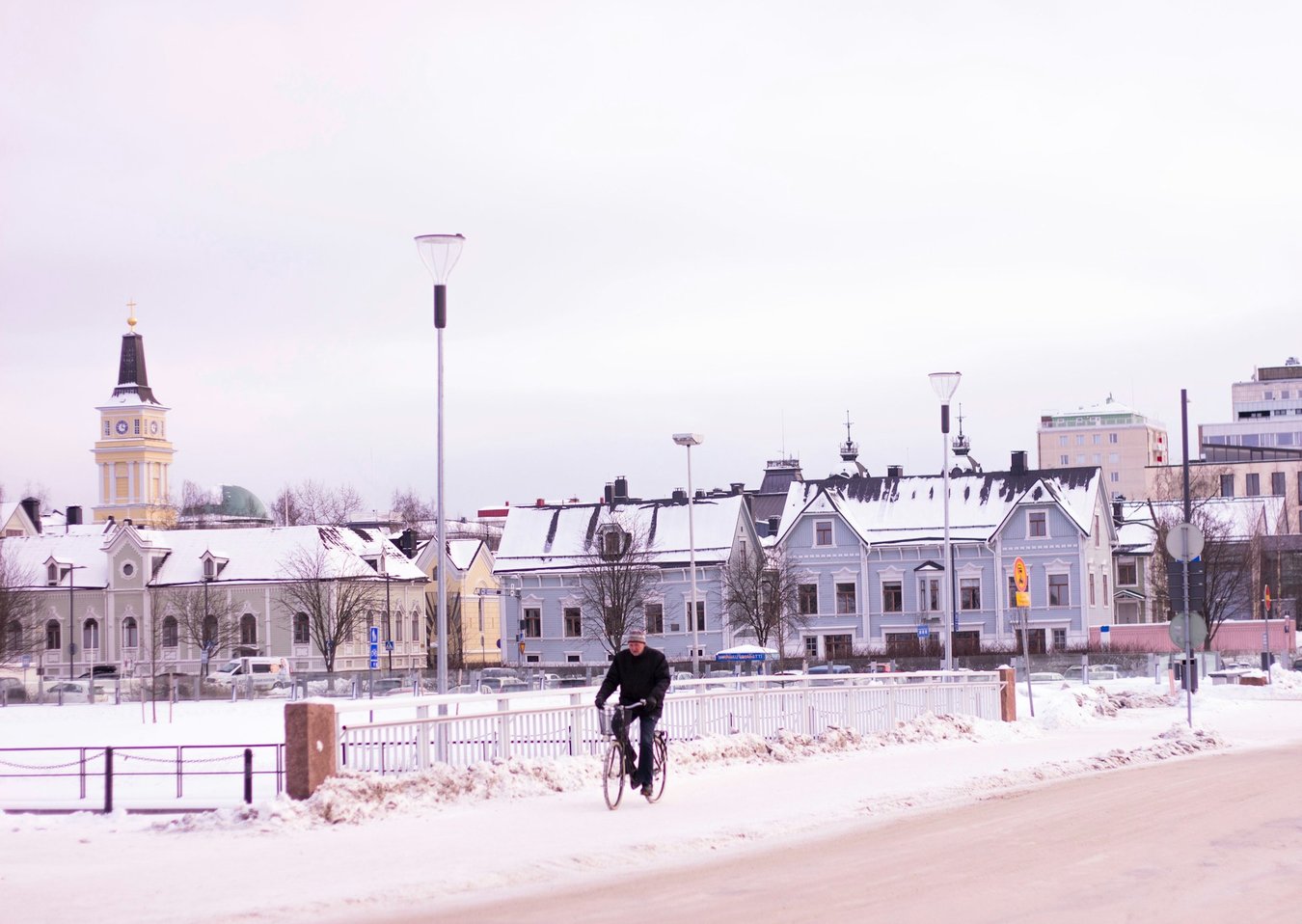
Image by Green Ant on Unsplash
«I would like cities to be livable, inclusive, resilient, and sustainable,» he says. It is a vision rooted in practice: one that recognizes cities’ immense potential to act as engines of opportunity, while acknowledging the urgency of addressing the structural vulnerabilities that put millions of urban residents at risk.
In this interview, Wahba reflects on the main challenges cities face today, the global urban transformations of the last decade, and how resilience can become a transformative force for building more inclusive, equitable and sustainable urban futures.
Cities face three fundamental challenges. The first is inclusion. Due to distortions in land and housing markets, many poor people are excluded from accessing affordable land and housing. They often face a trade-off: either live far from jobs — sometimes two to three hours away — to find affordable housing, or live near jobs but in places where no land or affordable housing is available. This forces many to settle in flood-prone, at-risk, or environmentally sensitive areas, putting their lives in danger. This trade-off creates a major challenge for inclusion.
The second challenge is resilience. As cities concentrate more people and assets amid rapid urbanization and climate change, they become increasingly exposed to risks. The growing frequency and severity of disasters, combined with the impacts of a changing climate, demand that cities build greater resilience to protect their populations and infrastructure.
The third challenge is competitiveness. Cities must create job opportunities and attract private sector investments to prosper and offer meaningful economic prospects to their citizens. Thus, enhancing productivity and competitiveness is essential for urban success.
Urban resilience is a city’s ability to withstand and adapt to shocks and stresses — whether from climate change, disasters, economic downturns, or social disruptions — and to emerge stronger. In a context of rapid urbanization and growing migration, local governments face increasing pressure to plan effectively and deliver essential services. Given the added challenges of a changing climate, building the foundations of urban resilience is critical to making cities better, safer and more livable for their residents.
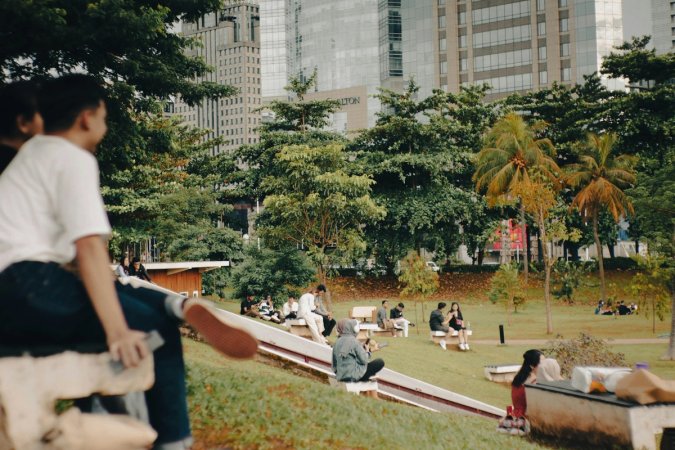
Image by Falaq Lazuardi on Unsplash
There are many inspiring projects aimed at advancing inclusion, resilience, and competitiveness in cities. For example, the Colombo Urban Resilience Program is notable for creating amenities for residents while addressing flooding issues. At the same time, it enhanced property values in the surrounding areas — a true win-win solution we strive for.
Similarly, in Buenos Aires, a transformative project focused on upgrading and socially integrating Barrio 31, one of the city’s iconic informal settlements. Long neglected despite its proximity to the city center, this project improved living conditions for many residents who had previously been cut off from economic opportunities, quality services, and secure tenure.
Projects like these, which drive large-scale transformation in inclusion, resilience, economic development, and livability, are central to the urban work we promote.
Firstly, cities have become the heart of the global development agenda, which is reflected in the Sustainable Development Goal 11 and the urban agenda set in 2016. As more and more people move to cities — 7 out of 10 people globally will live in an urban setting in 2050 — they have become central to the way national governments think about development.
Secondly, cities are also at the heart of the fight against climate change. This is evident from the historic Paris Agreement, and also the World Bank’s Climate Change Action Plan (CCAP) and focus on cities as a major area to focus on, to get to a green, resilient and inclusive recovery in the long run.
Which leads us to the third transformation, which is a strong and lasting focus on building livable and inclusive cities as countries eye a recovery from Covid-19. This mean preparing urban areas to be resilient to future natural disasters and pandemics, as much as possible.
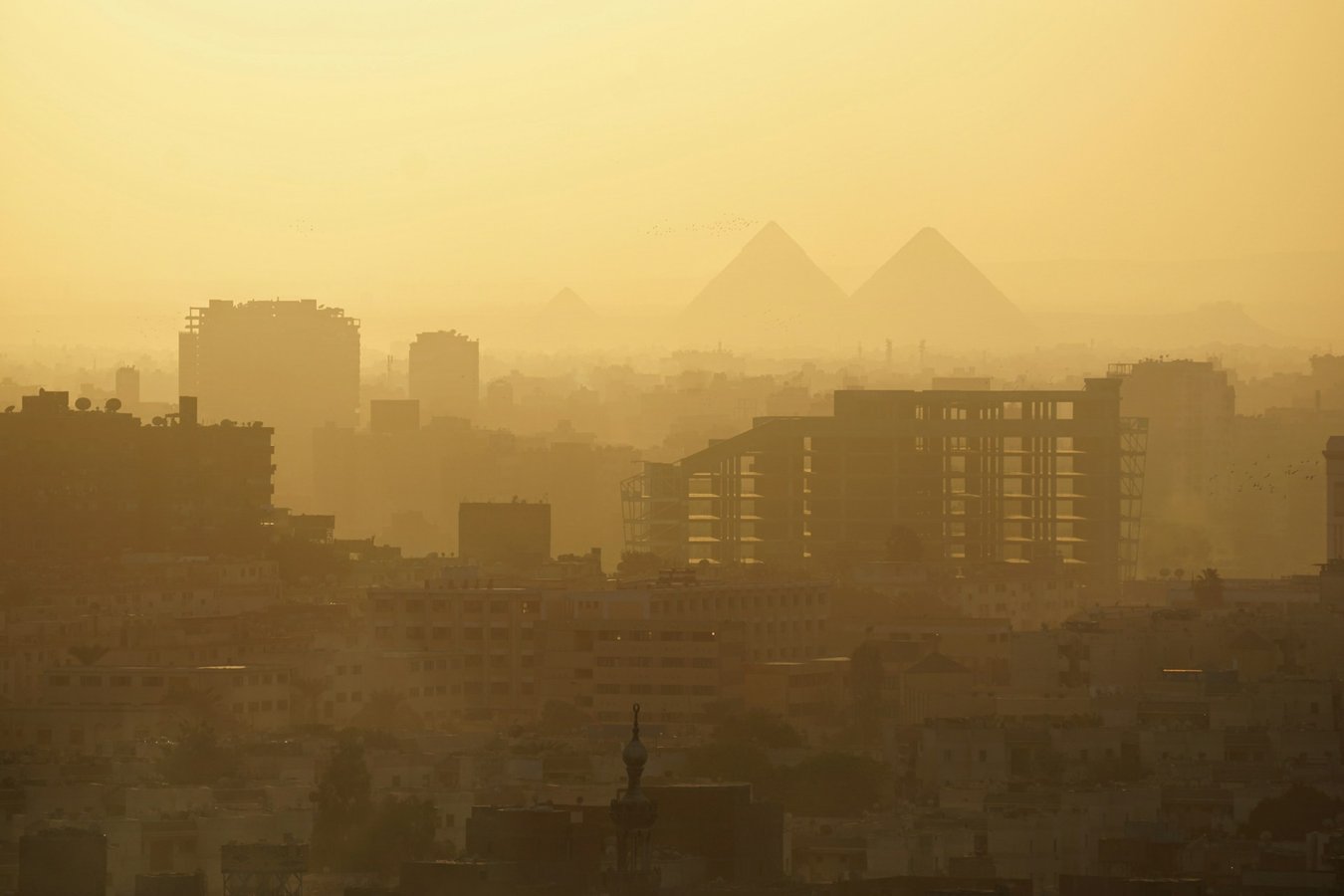
Cairo. Image by Getty Images on Unsplash
My city is Cairo, yes — the city that never sleeps.
The city’s core has high population density, a great concentration of economic activities in overall mixed-use development, together with a diverse culture, rich cultural heritage and numerous amenities including a river at the heart of the city. These attributes combine to make Cairo a bustling and attractive mega-city that never sleeps and which has a surprise at almost every corner.
Setting Singapore aside given its unique city-state status, the following cities come to mind as benchmarks for development in an inclusive, resilient manner.
Helsinki — the world’s most functional city, also a livable and smart city, which is efficiently managed and works for people regardless of their economic status, and which is governed by the motto «what is good for residents is good for visitors».
Seoul, with its livable density, which has developed and expanded through land readjustment, created an efficient public transportation system, and which leveraged urban regeneration, and paid special attention to cultural heritage preservation to transform itself into an economically dynamic and sustainable city — a once inconceivable transformation when the city was just emerging from the Korean war.
And here are two additional benchmark city candidates from amongst secondary cities. One is Medellín, a world leader in urban inclusion, ensuring the connectivity of poor people to jobs through cable cars and bus rapid transit, availing affordable housing, structuring a system of land value capture to finance infrastructure, and promoting innovation. And the other one is Kitakyushu, a secondary city in Japan that is a benchmark in environmental sustainability after decades of industrialization, a city that is promoting exemplary solid waste management including waste reduction and circular economy, and bringing global leadership through the voluntary local review (VLR) process.
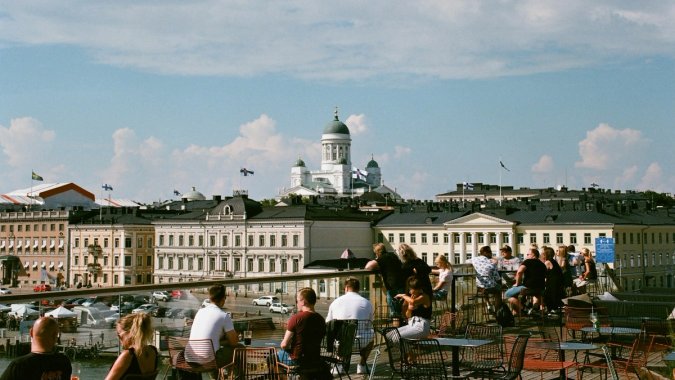
Helsinki. Image by Viktor Kovalchuk on Unsplash
I will mention two. Casablanca, a livable, resilient and inclusive city based on strong public finances with a focus on attracting private investment and creating the necessary enabling environment, and efficient urban management and service delivery.
And Beira, one of the most vulnerable cities globally to disaster and climate risk has scaled up urban resilience and climate change adaptation, including the use of nature-based solutions — parks, mangroves, to green the city and reduce flooding impact, and integrated urban flood development through combining flood protection with solid waste management and urban planning.
Ines Magalhaes da Silva, former Minister of cities and national secretary of housing of Brazil. She designed the world’s largest slum upgrading program PAC urbanização and the world’s largest housing program Minha Casa Minha Vida, which led to improving living conditions to 3 million slum dwellers and availing 6 million affordable housing unit.
And Alain Bertaud, former lead urban planner at the World Bank. Having understood how land and housing markets work and how critical they are for the functioning of cities, he revolutionized the planning profession to become market-oriented, demand-driven. His publication Order without design should be mandatory reading for any urban planner.
By 2030, I envision cities that are inclusive, resilient, diverse and livable. Cities that invest in public spaces and amenities, and in connecting disconnected neighborhoods such as favelas, barrios, informal and squatter settlements. Improving living conditions and tenure security in these areas will help bring people closer to the city’s economic core.
This future city will be less divided, more connected, more inclusive, more equal, and more diverse — a place where everyone can thrive. ●