«The way cities are organized is 200 years old»
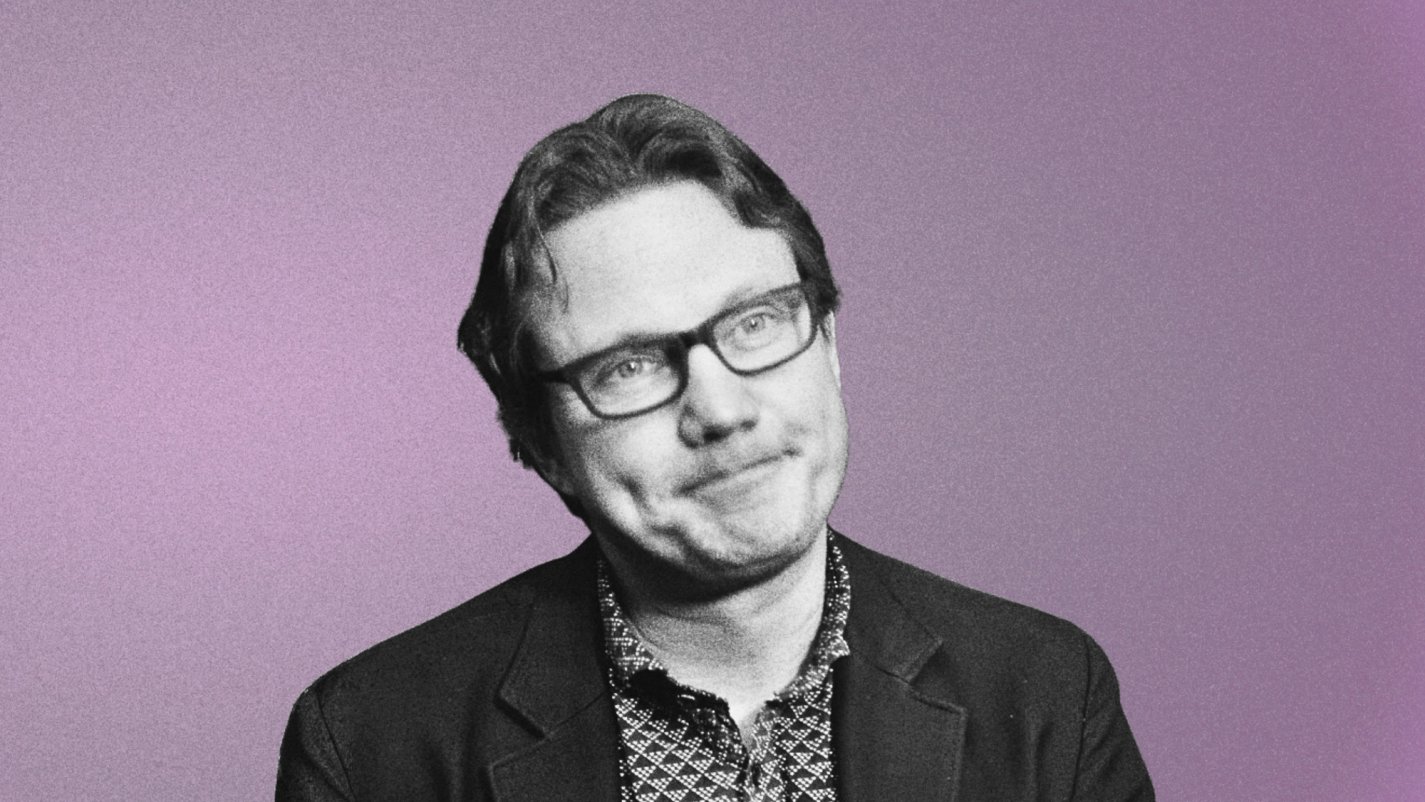
«I truly hope cities can be sustainable, prosperous, and inclusive, delivering a better future for their citizens.» In his work at the intersection of digital innovation and urban governance, Martin Brynskov, Founder Director of Open and Agile Smart Cities, advocates for rethinking how cities manage themselves in the digital age. Deeply involved in international collaborations, he strives to ensure that emerging technologies are deployed transparently, inclusively, and effectively for all.
In this interview, we explore with Martin Brynskov what it means to be an open and agile smart city, why traditional urban management structures are under strain, and how local innovation — from Helsinki to Saint-Quentin — is shaping the future path for cities worldwide.
An open and agile smart city is fundamentally a city that strives to make the best use of digital technologies. Openness means being transparent to citizens, partners, and the world about how it manages communal resources and assets. At the same time, it aims to harness new technologies to innovate. Balancing security, dependability, and stability with agility and innovation is at the core of what an open and agile smart city seeks to achieve.
.jpg?w=1350&q=85&fit=max&auto=format)
Image by Natalia Blauth on Unsplash
The biggest challenge cities face is that their organizational structures are essentially 200 years old—organized in silos managing roads, education, health, etc. Digital transformation, however, cuts across these silos. Optimizing for one sector often leads to sub-optimization overall. The greatest difficulty is reorganizing cities to work more holistically. And that’s hard because cities tend to change slowly—which can also be a good thing.
Cities differ greatly—even within the same country—in size, economic capacity, history, and culture. When I visit a city and after discussing something like waste management or transportation, inevitably we talk about the city’s history, because every city has its own unique timeline. This presents a challenge: digital technologies tend to treat every city the same way, but cities are not the same. To truly serve every city, digital solutions need to be adapted and improved to reflect this diversity.
Helsinki is well-known for its mayor’s vision of making it “the most functional city in the world.” The appointment of a Chief Digital Officer sitting close to the mayor’s office ensured digital technology is central, not peripheral, to city governance—an inspiring model.
Likewise, Saint-Quentin, a small town in France, has demonstrated strong local leadership and collaboration among public officials and businesses, applying similar principles on a smaller scale. Both offer valuable lessons for cities worldwide.
Looking ahead ten years, the cities I envision will likely resemble the cities we have today. The challenge will be to preserve the many positive aspects of our urban environments—dense, vibrant communities that have developed over centuries—while adapting thoughtfully to new demands. The key is to avoid dismantling what already works well, and instead build on those foundations for the future. ●