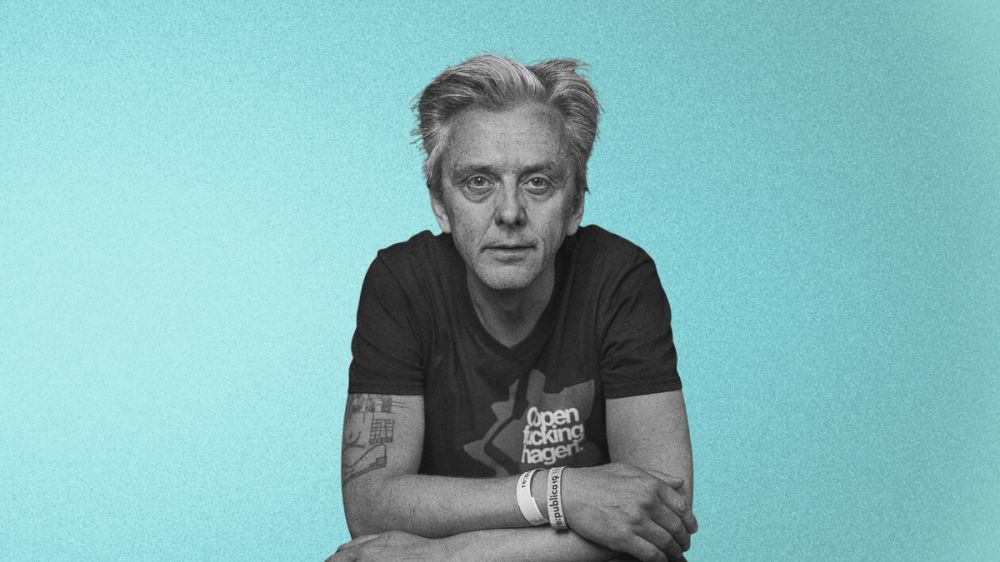
The Monthly Question: Could AI Replace a Mayor?
Imagine a city where your local leader never takes breaks, where the system can adapt in real time to what is happening, where the representative serves as a database, accessing all kinds of information from the past and present. A city where your local leader can quickly adapt to future concerns. Imagine your mayor is artificial intelligence.
What might sound like a dystopian scenario is gaining momentum. In Albania, a minister generated by artificial intelligence was appointed in September 2025 to oversee public contract tenders and prevent cases of corruption. AI is a powerful tool that can analyze, compare, and come up with answers in the blink of an eye to any question and be an expert in any field, having an endless source of information and data.
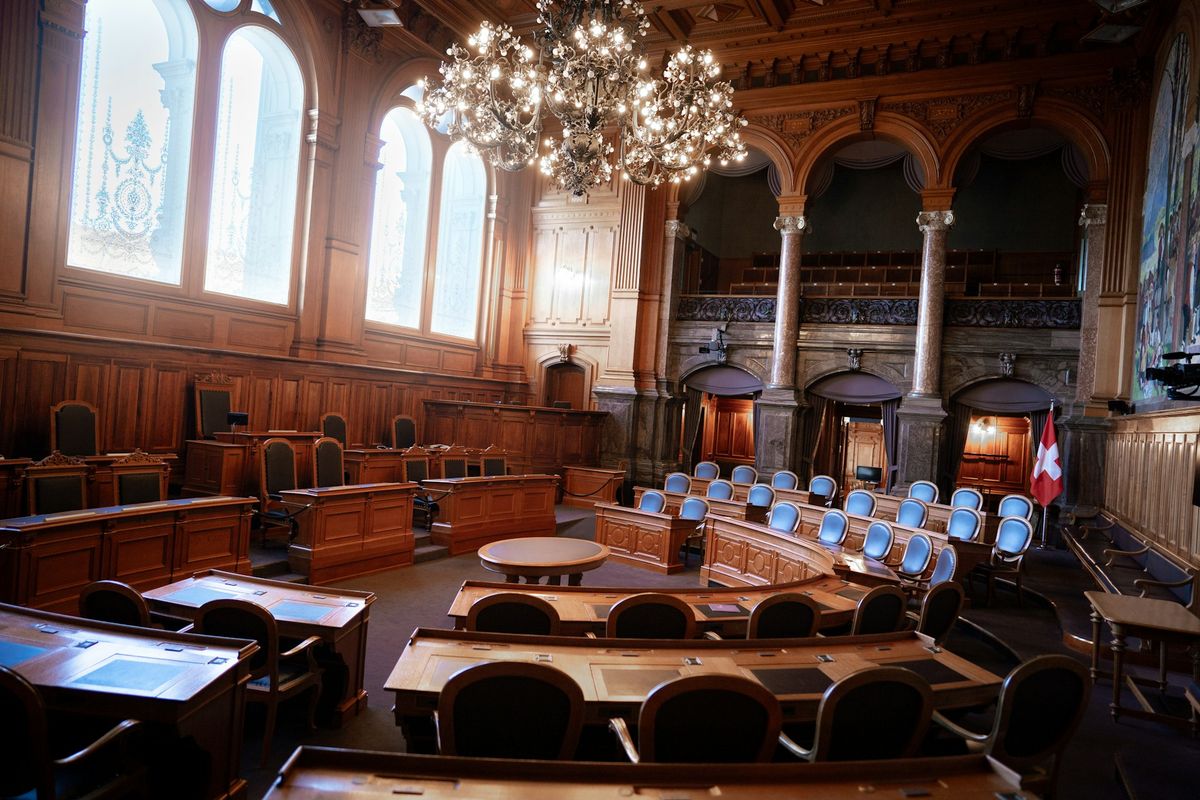
Image by Alin Andersen on Unsplash
A question now arises: could AI replace a mayor? AI and humans aren’t all that different at the end of the day. Humans are inherently imperfect, but so is AI, and they are more similar than we might think. For instance, neither is fully neutral. Both humans and AI have their own biases, understandings of reality, and agendas, where transparency isn’t always a given and where social and cultural contexts can be overlooked.
Nevertheless, there is a key difference between them: AI doesn’t have accountability structures behind it. The foundation of democracy and the governance system of our cities lies in systems of checks and balances that every public servant is subjected to, ensuring performance toward set goals, respect for established processes, and transparency. AI couldn’t be held to these standards, as they are intrinsically linked to human nature and local structures.

Image by Emre Ucar on Unsplash
Having access to a large pool of data doesn’t necessarily mean being capable of making decisions. Factors like the broader social and cultural context, and other intangible elements, are as important as data when making decisions that will affect cities and their citizens. In a world dictated by data and efficiency, public engagement would be endangered and erased from decision-making.
Today, mayors detail in their government plans the policies they want to prioritize, and these are validated through democratic processes. Instead, AI relies on algorithm design, data choices, and optimization targets that respond to a set of norms and structures mostly established by private companies. An AI mayor would always be dictated by the power of its platform over politics, perhaps casting aside a key aspect of a mayor’s role: citizen welfare.

Image by Oliver Guhr on Unsplash
The constant transformation and learning curve of this technology show that it is capable of taking part in cities’ decision-making structures, and several examples reveal that today, AI serves not only as a powerful tool for prediction or efficient management, but also as an important instrument within the fabric of local government. This is a tendency that will only increase over time. So much so that the European Union has positioned itself ahead by regulating AI systems. In 2023, the EU published the first comprehensive legal framework in the world for AI, aiming to balance innovation with the protection of people’s rights.
It is clear that, technically, AI could replace the figure of a mayor. However, the fact that advancements in technology have made this replacement possible does not mean that it should happen. When citizens choose their local representative, they want someone they can relate to, who can be involved in the city’s activities and social networks, and someone who can face criticism for poor management and praise for good policies.
As stated, humans are not perfect, nor is artificial intelligence. Yet people and societies need leaders who can face uncertainty when data is not available. Even though AI could help analyze and complement governance, the human element that mayors bring to decision-making processes is what ensures that, in most cases, cities are led toward a better future. ●
Related Articles

Cities in 2026: 5 Urban Tensions That Will Make Headlines — And 5 Ways to Move Forward
.jpg?w=1000&q=80&fit=max&auto=format)
What's New at the New CitiesToBe?

From Thermal Gaps to Biomimicry: The New Vocabulary of Urban Climate Action