.jpg?w=1425&q=85&fit=max&auto=format)
What Magnets Tell Us About City Branding
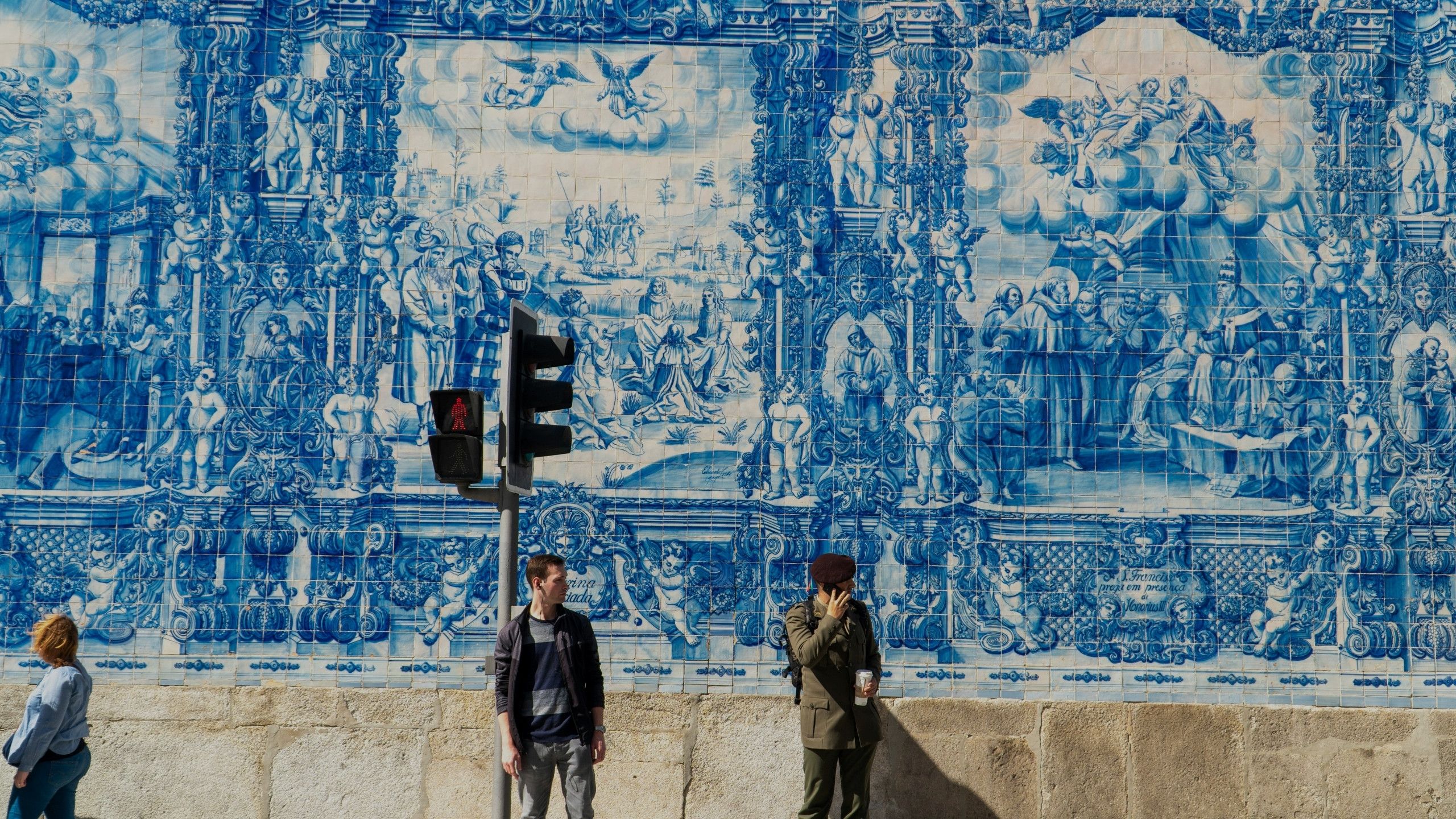
Ever since I moved into my own home, magnets have been quietly colonizing my fridge, arriving from every corner of the globe. Among my treasured collection: a majestic Christ the Redeemer spreading his arms over Rio de Janeiro; a tile made of Porto’s signature blue azulejos; Mount Fuji rising behind Tokyo, with a geisha under her parasol in the foreground; a miniature Eiffel Tower from Paris; two tango dancers in front of Buenos Aires’ colorful La Boca neighborhood; an Amsterdam tulip… and on it goes—about forty pieces in total.
These magnets are souvenirs, gifts, or purchases from trips I’ve taken—or others have—but that’s not what fascinates me most. What makes them remarkable is how, in a few square centimeters, their creators—almost always anonymous—capture the power to transport us somewhere, simply through an image.

Tulips are one of Amsterdam’s most repeated motifs on souvenir magnets. Image by Flying Object, Shutterstock.
And yet, it’s not just the miniature reproduction of a world-famous landmark or a local artistic tradition that works this magic. A magnet of London’s Tower Bridge can instantly conjure fish and chips, Big Ben, bobbies, red phone booths, Queen Elizabeth, driving on the left, Britpop, and memories of visiting London in 2008. Why? Because our brains, starting from a single image or concept, can reconstruct a complex web of symbols and associations tied to a place. If all goes well, those images are not only recognizable—they’re emotional.
And that, in essence, is what city branding is all about.
Cities, in a sense, are products vying for attention on a global stage, competing in a crowded marketplace. In an increasingly urbanized and competitive world, cities—large or small, international or local—must differentiate themselves to attract investment, talent, and visitors. In this marketplace of experiences, city branding becomes the face that helps a city stand out.
But what exactly is city branding?
At its core, city branding is a strategic communication tool. Born from marketing, it creates a unique visual and narrative identity for a city, conveying its value proposition to a target audience—and persuading them that this city is the best choice, whether to invest, visit, or live there. Through its ecosystem of logos, slogans, visual systems, key messages, and outreach plans, a city brand does more than put a name on a map: it gives the city a voice, a personality, a way of expressing its values.
Still, if a city brand wants to truly stand out among the rest, it must be able to connect emotionally with its audience—to create an image that is memorable, unique, and unmistakable. As the expert Barbara Czarniawska put it, “an image of a city depends on both identity and alterity construction and has many constructors: politicians and officials, tourists and citizens, writers and filmmakers, architects and media people…” While city branding is built upon living, organic elements, there are always certain distinctive features that—by one means or another—have the power to generate memorability, becoming iconic anchors of a city’s identity.
In branding language, these are the unique selling points (USPs): unique attributes that form part of a city’s DNA, setting it apart from others and symbolically encapsulating what it represents to the world. Connect the dots, and we’re right back where we started—with those magnets on the fridge. Indeed, USPs can take the form of monuments: Paris’s Eiffel Tower (is there a more iconic, more unmistakably Parisian structure on the planet?) or Rio de Janeiro’s Christ the Redeemer with its instantly recognizable silhouette. They can also be artistic or cultural traditions, like Porto’s blue tiles or Buenos Aires’ tango, which distill the history and culture of their places. Or they might even be elements of nature, like Amsterdam’s tulip or Tokyo’s Mount Fuji.
Of course, “unique selling points” aren’t always tangible objects—they can be far more abstract. After all, phenomena like K-pop and its entire cultural universe could be considered one of Seoul’s USPs; the film industry clearly defines Los Angeles, fashion and design distinguish Milan, and complex concepts such as innovation or functionality characterize cities like Helsinki or Stockholm.
In my work with Anteverti, helping global cities position themselves as Smart Cities through strategic branding, we see USPs as only one part of a robust city brand. They grab attention and serve as narrative anchors, but a brand must start with a clear purpose: what is the city trying to achieve, and for whom? Then, it must understand competitors, define its differentiators (where USPs come in), and finally create a strategy to bring the brand to life.
Are there cities that have successfully leveraged a clear USP to build a brand—one that would also look fantastic on your fridge as a magnet? Absolutely. Two examples immediately come to mind.
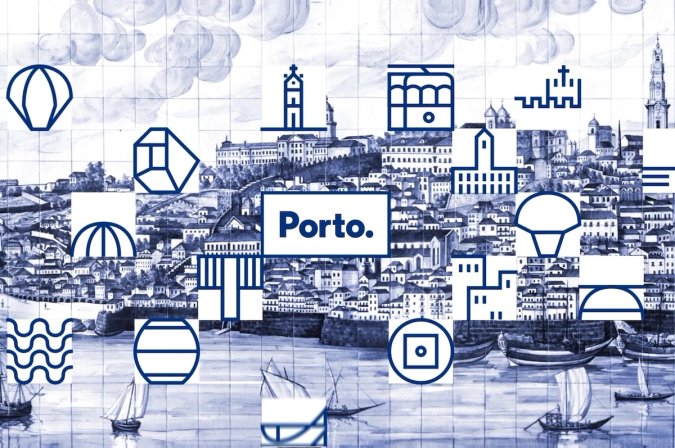
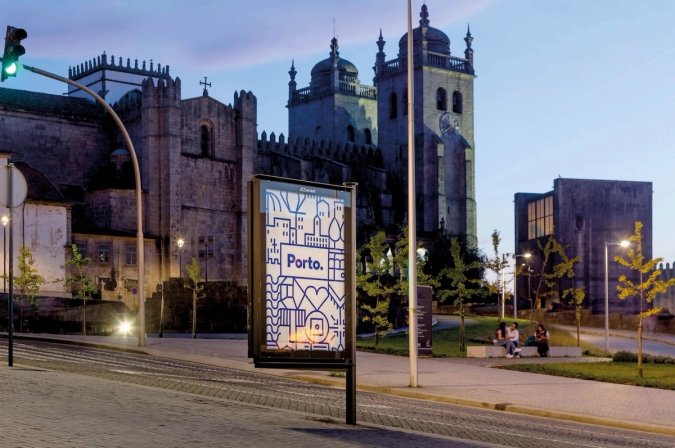
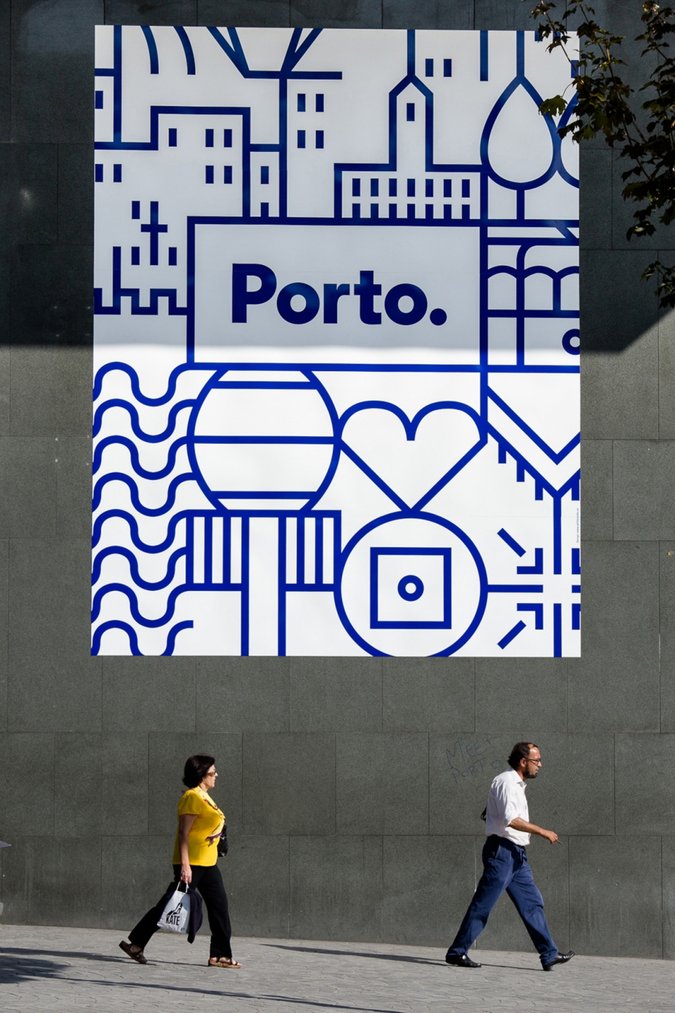
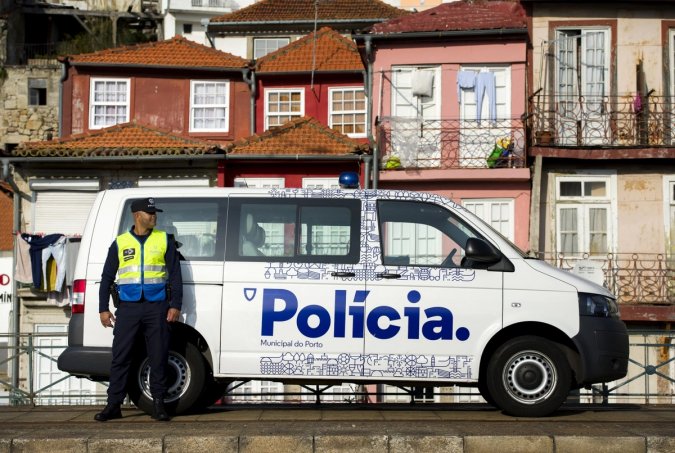
Studio Eduardo Aires | eduardoaires.com
First, the city brand of Porto, created in 2014 by Studio Eduardo Aires, is visually and narratively built around a stunning mosaic of blue and white tiles—the very kind I see every morning in my kitchen. Like pieces that fit together and enrich each other—much like citizens and neighborhoods in a city—the brand conveys a clear, celebratory vision of Porto’s local identity, while remaining versatile and adaptable.
Then there’s Tokyo’s smart city brand, SusHi Tech Tokyo. The name instantly evokes Japan’s most iconic gastronomic USP—sushi—making it instantly memorable. At the same time, 'SusHi' stands for 'Sustainable and High Tech', reflecting the core values that underpin the city’s brand and digital strategy.
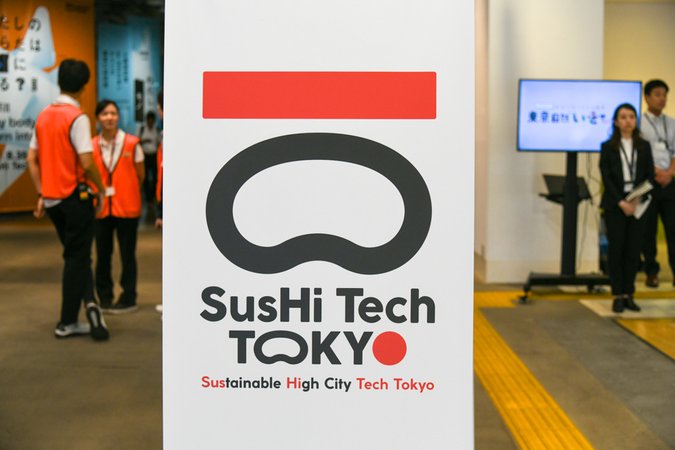

A final takeaway from this global journey? A city brand is only effective if it is memorable, evokes emotions, and transports us to expanded imaginaries. Through their clearly defined and well-executed USPs, both Porto and Tokyo succeed—each within its own domain. Porto’s brand is broad, supporting both tourism promotion and internal communication, while Tokyo’s is sector-specific, playfully and unmistakably communicating the city’s technological ambitions to the world.
In the end, bringing us full circle, they achieve what a magnet does: they embed the intrinsic value of a small piece of the world in our minds—and stick in our memory, just as they stick to the fridge. ●