
«Urban form has a structural impact on the quality of life of citizens»
We all know that urban design, placemaking and infrastructures have all shaped the cities we know today, directly impacting how we live and our quality of life.
But what is 'urban form'? How does it connect to urban performance, and what implications does this have for the future of cities? In an upcoming episode of our series on trends shaping today’s urban landscape, we dive into urban performance with Ramon Gras, co-founder of Aretian and researcher at Harvard University.
...the most complex and sophisticated human creation ever. They are the result of the urban design, place making and infrastructure development efforts of mankind through the ages. And shape and nurture the spaces in which we inhabit, where we relate with one another.
Urban form has a lasting, structural, deep and profound impact on the quality of life of citizens. The way in which the topological, bi-dimensional and the three-dimensional morphological features of the building form, building massing, building heights, the architectural shapes, the materials, the colors, the activity programming… The way all these systems are shaped deeply influences both our individual and collective psychology and the way in which we relate to one another.
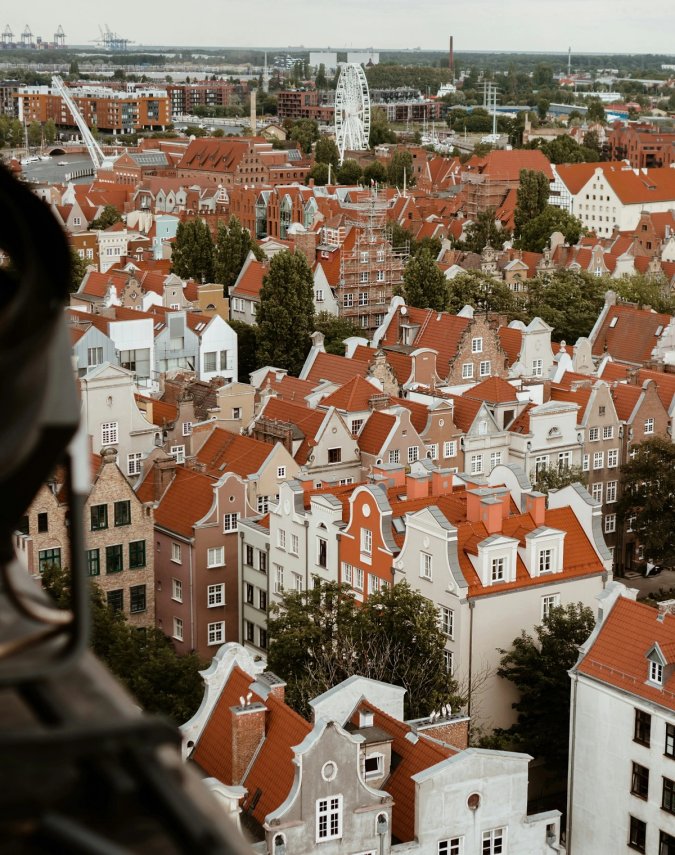
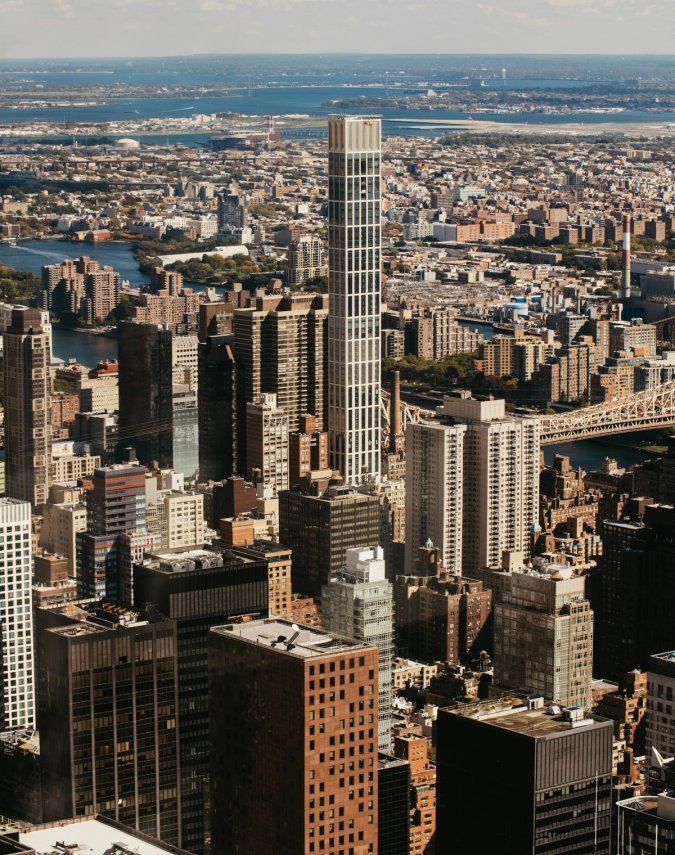
«Urban form has a structural impact on the quality of life of citizens.» Images by Polina Kuzukova (1) and SJ Obijo (2) on Unsplash
Urban performance measures are a methodological attempt, by means of city science and urban design analysis, to measure indirectly the quality of life of citizens, based upon the way in which urban design, place making, and economic development have been shaping our cities. It can be measured in a variety of ways, but the methodology we developed at Harvard and Aretian consists in measuring urban performance KPIS (or key performance metrics) in terms of the urban development and architectural efficiency, the economic development and competency, and the network of talent of or human networks of social collaboration.
By means of city science we understand better the causal mechanisms between urban design, place making, zoning, and the impact that those policy makings and decision-making processes have on the quality of citizens.
However, it is easier to deploy those methodologies in an ex novo or new environment, and obviously, when we’re dealing with a pre-existing city, there’s a number of pre-existing conditions or rigidity in the system which is embedded, that makes it harder to change or modify the urban performance. But, if we can illuminate the complex problems facing society by means of these network theory based complex systems geospatial analysis, we can make very precise, tailored decisions for each and every city and context, to raise the quality of lives of citizens.
For example, some of them may be dealing with increasing the quality of the urban space in terms of compactness or density, others by means of designing or envisioning new architectural spaces, changing or modifying the zoning and the place making activities, or structurally inducing certain behavior by means of smart specialization or innovation pipeline strategies.
In 10 years, I would like cities to be ever evolving complex systems, that structurally benefit from city science analysis. The reason being that, those types of network theory based and complex systems’ analysis help illuminate the challenges that we face as urban development leaders, and help inform much better urban design, architectural design, civil engineering, infrastructure, zoning, place making, and economic development strategies to the benefit of citizens worldwide. ●