«To understand the future of cities, we should turn our eyes to villages»
As urban spaces continue to grow and evolve, the question of who cities are built for — and how — becomes increasingly urgent. Looking ahead to the future, we must imagine cities not only shaped by data and global innovation, but also grounded in local wisdom, human diversity, and well-being.
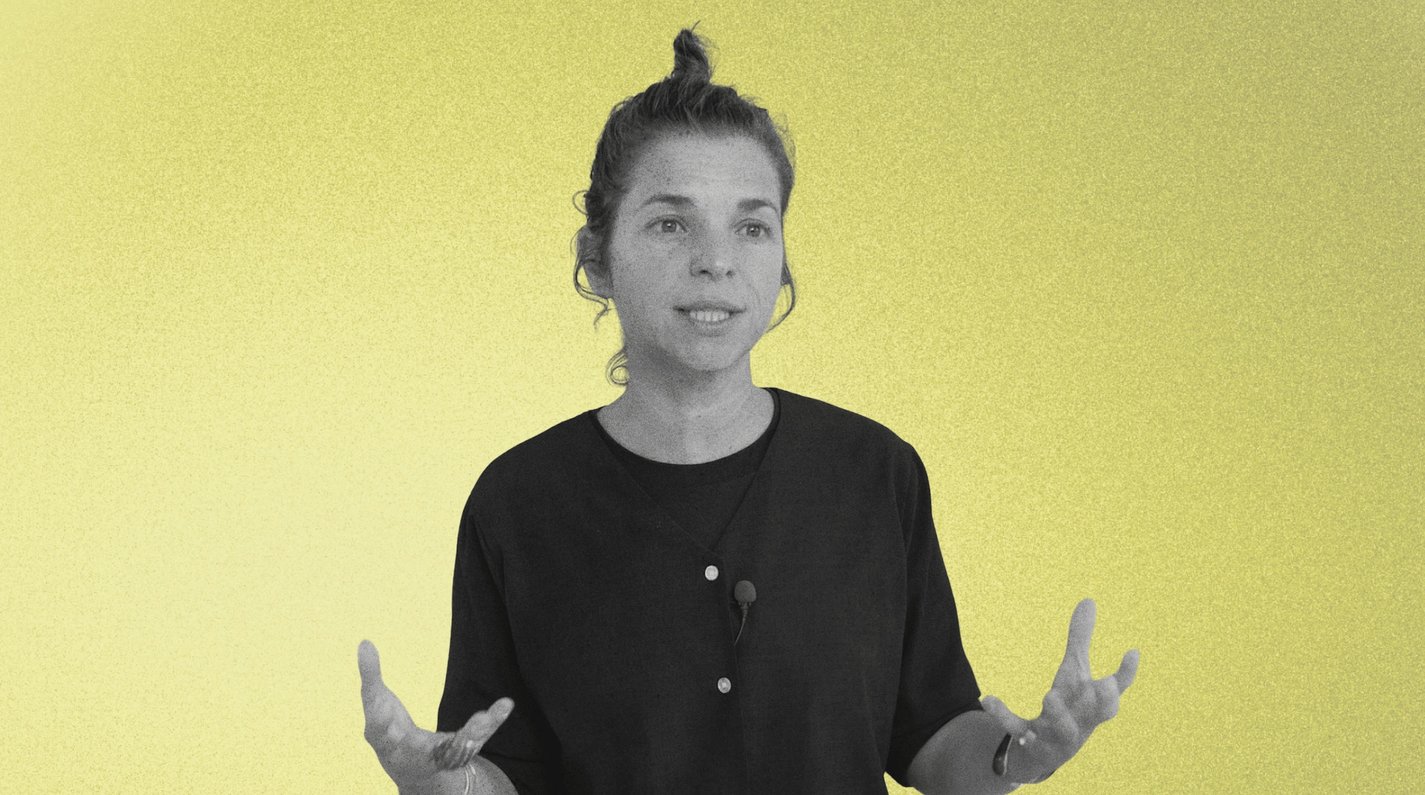
To explore this intersection of the global and local, we speak with Francesca Tur Serra, researcher and cultural journalist at Tendencias.tv. In this conversation, she reflects on the emerging identity of tomorrow’s citizens, and how rethinking technology, health, and tradition can help shape inclusive and resilient urban futures.
If we think of near futures, like maybe 2050, we wish and hope that cities will learn from a global point of view but also merge with local wisdom. Globalization can be understood as something accessible and open — where we all can learn from the data of big cities. But at the same time, we need to blend this with tradition and geographical differences that make us who we are.
So I think cities should be like a perfect mix — between differences, local specificities, and what is happening around the world.
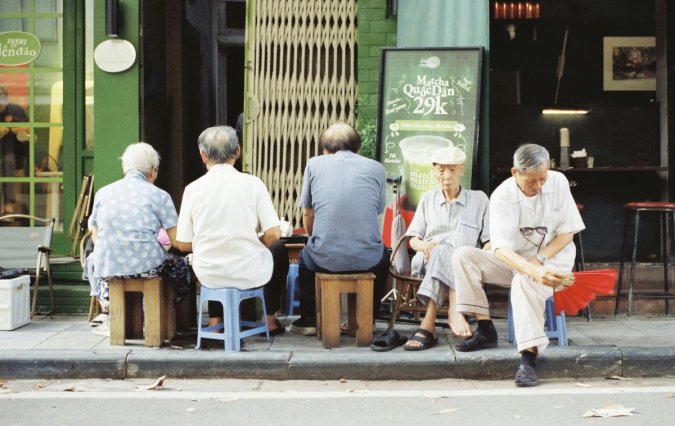
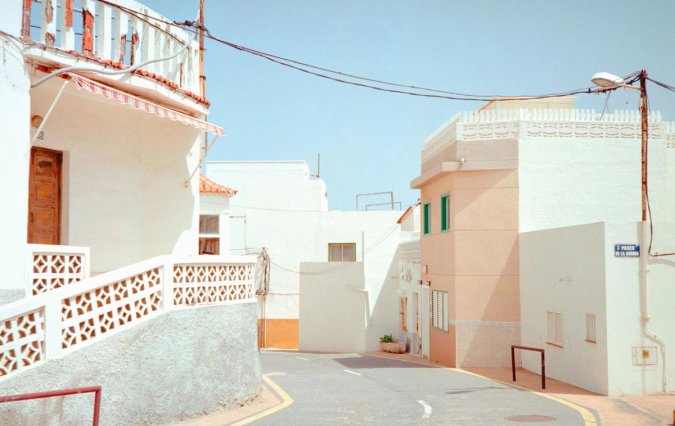
Images by Khanh Do | Janke Laskowski on Unsplash
If we think about citizens of future cities, I think we need to understand different attributes. First, they could be intercultural — a mix of locals, expats, and migrants living together. That brings a lot of new scenarios like co-housings, co-generations, and shared living spaces.
Then, I think we will understand citizens as non-normative, beyond fixed identities — with new ways of understanding love, family, and also work. People are seeking new lifestyles. Maybe I want to live around working people, not necessarily follow traditional work structures.
And health will be central. Not just personal health, but a 360-degree view — spiritual, physical, mental. Even if I’m okay, maybe my family is not. So we’ll see a broader understanding of well-being at the city level.
And last but not least, citizens will be augmented — we’ll use technology not as an end goal, but as a tool to help us live better. Tech must be accessible, must collect data from everyone, from all communities and neighborhoods, and then deliver real solutions to improve everyday life.
We need to understand people in order to drive the future of cities.
Maybe instead of looking at big capitals or smart city showcases, we should turn our eyes to villages, to people living remotely, to those who live outside the mainstream — people who are inventing different ways of understanding work, life, and family.
So I think it’s more interesting to look at traditional knowledge, local wisdom, and how people were doing things generations ago. There’s a lot to learn from those who are more rooted and live off the grid.
In 10 years, I’d like cities to be super open — places where many communities live together, build together, and share common spaces.
I imagine cities like the future of libraries: places where we can share time, share space, maybe borrow or rent things, and create a circular understanding of how we live with one another. ●