The Monthly Question: Is the Contemporary City Doomed to Be a Non-Place?
Cities are made of stories, encounters and shared meanings. Yet many of the spaces we move through every day seem to have lost those qualities. In the 1990s, French anthropologist Marc Augé gave a name to this phenomenon: non-places.
He used this term to describe spaces that lack a strong cultural, historical, or social identity — environments designed primarily for transit, repetition, and efficiency, deeply marked by anonymity and detachment. From shopping malls to hotel rooms, from airports to hospitals, non-places are everywhere. In his book Non-Places: An Introduction to Supermodernity, Augé opposed them to what he called “places”: spaces that enable encounters, foster belonging, and are rooted in shared social and cultural references — in short, what truly makes a city feel like a city.
_Nick_Fancher_Photos_ID4527%20(1).jpg?w=900&q=85&fit=max&auto=format)
Image by Nick Fancher on Death To Stock
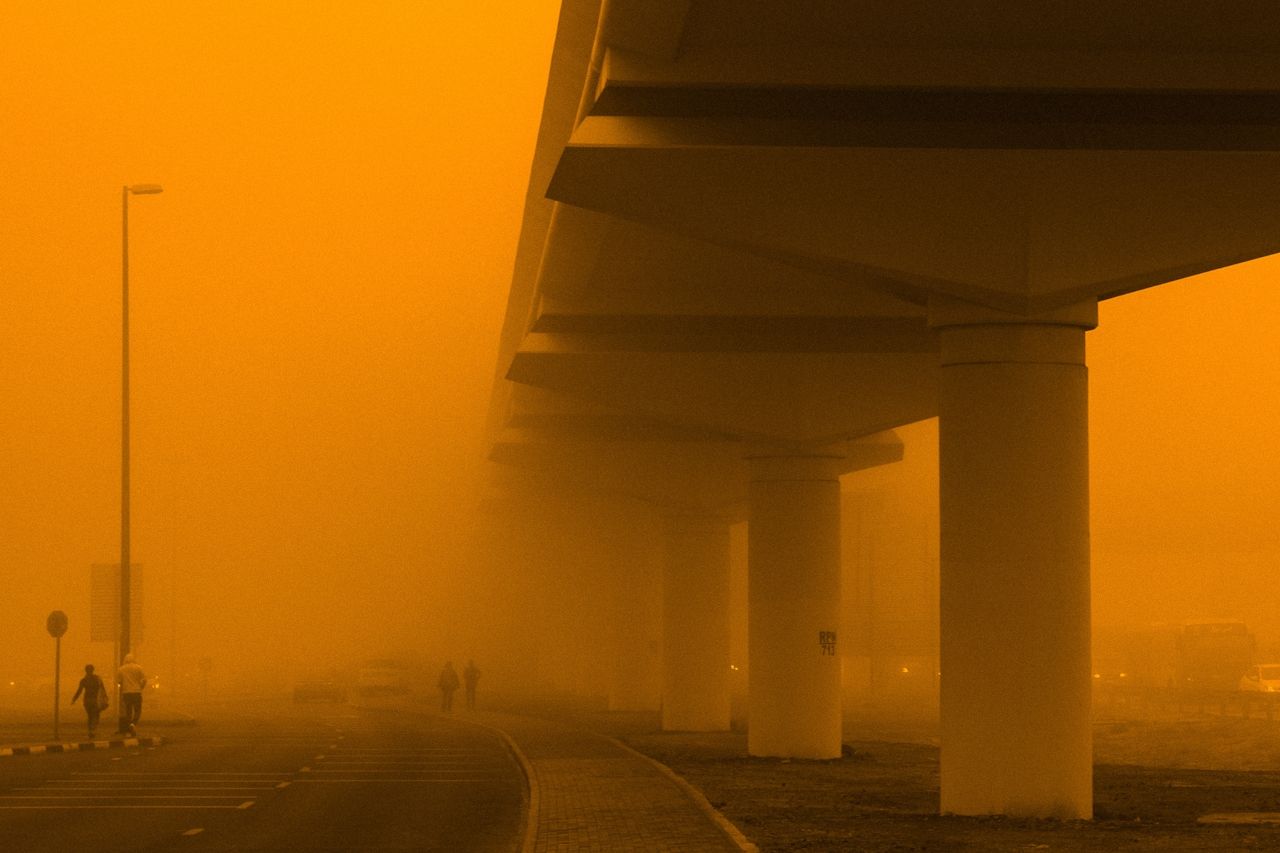
Since the 1990s, the contemporary city can increasingly be read as a landscape shaped by non-places — a phenomenon characteristic of late capitalism and intensified by globalization, mass transit and consumerism. Designed to facilitate the movement of goods and people under a predominantly economic rationale, these spaces take the form of anonymous environments optimized for circulation, functionality and efficiency.
From a broader, systemic perspective, this same condition was addressed by Dutch architect Rem Koolhaas. In 1995, he introduced the concept of the Generic City, opening his essay with a provocative question: «Is the contemporary city like the contemporary airport — ‘all the same’?»
While Augé focused on the lived experience of individual spaces, Koolhaas described an urban condition shaped by infrastructure and global dynamics. Together, the two concepts reveal how non-places function as the building blocks of cities that have increasingly emerged as nodes in global flows of money, people and goods.
.jpg?w=900&q=85&fit=max&auto=format)
Image by Brett Danielson on Death To Stock
As cities become nodes of the global economy, they are expected to provide transit points and vast amounts of information that are accessible, affordable, and standardized — easy to process without requiring much reflection or contextual understanding. As a result, many urban spaces can be navigated almost automatically, following familiar codes of behavior that apply regardless of place. If you have moved through a similar space elsewhere, adapting to the next one requires little effort, at the same accelerated pace at which the world now operates.
A clear example of non-places is airport terminals. Governed by a logic of efficiency and security, they follow standardized and impersonal sequences: identity checks, passport control, permits and boarding passes. Shopping malls, restaurant chains, gyms, hospitals and cinemas also exemplify non-places — public spaces with different purposes but one defining feature in common. They are transitory environments where individuals coexist anonymously, without relating to one another or developing a meaningful connection to the surrounding space.
These environments are associated with specific paths and behaviors: regulated movements, gestures, and bodily acts under constant surveillance. Closely aligned with supermodernity, they are spaces shaped by control and security, designed to accommodate the acceleration of time and minimize friction. They allow us to adapt quickly and uncritically — whether to a specialty coffee shop, a museum circuit, a mass-produced furniture store or a fast-food chain.
The widespread proliferation of such spaces contributes to a loss of cultural specificity and a decline in the quality of social interaction. In other words, homogenization often comes at the cost of creativity, imagination and diversity.
Yet, as difficult as it may seem to slow this inertia, the process of standardization is not irreversible. Similar dynamics can be observed beyond public space, as non-place-like features increasingly permeate private environments. Contemporary architecture and interior design are becoming more standardized, driven by fast production, practicality, and the efficient satisfaction of large consumer markets. A recent case highlighted by Colectivo Bloque Cebra illustrates this trend through a fast-food model of housing production: low-cost, high-speed developments that prioritize efficiency over identity and urban quality, often rendered in the same black-and-white palette.
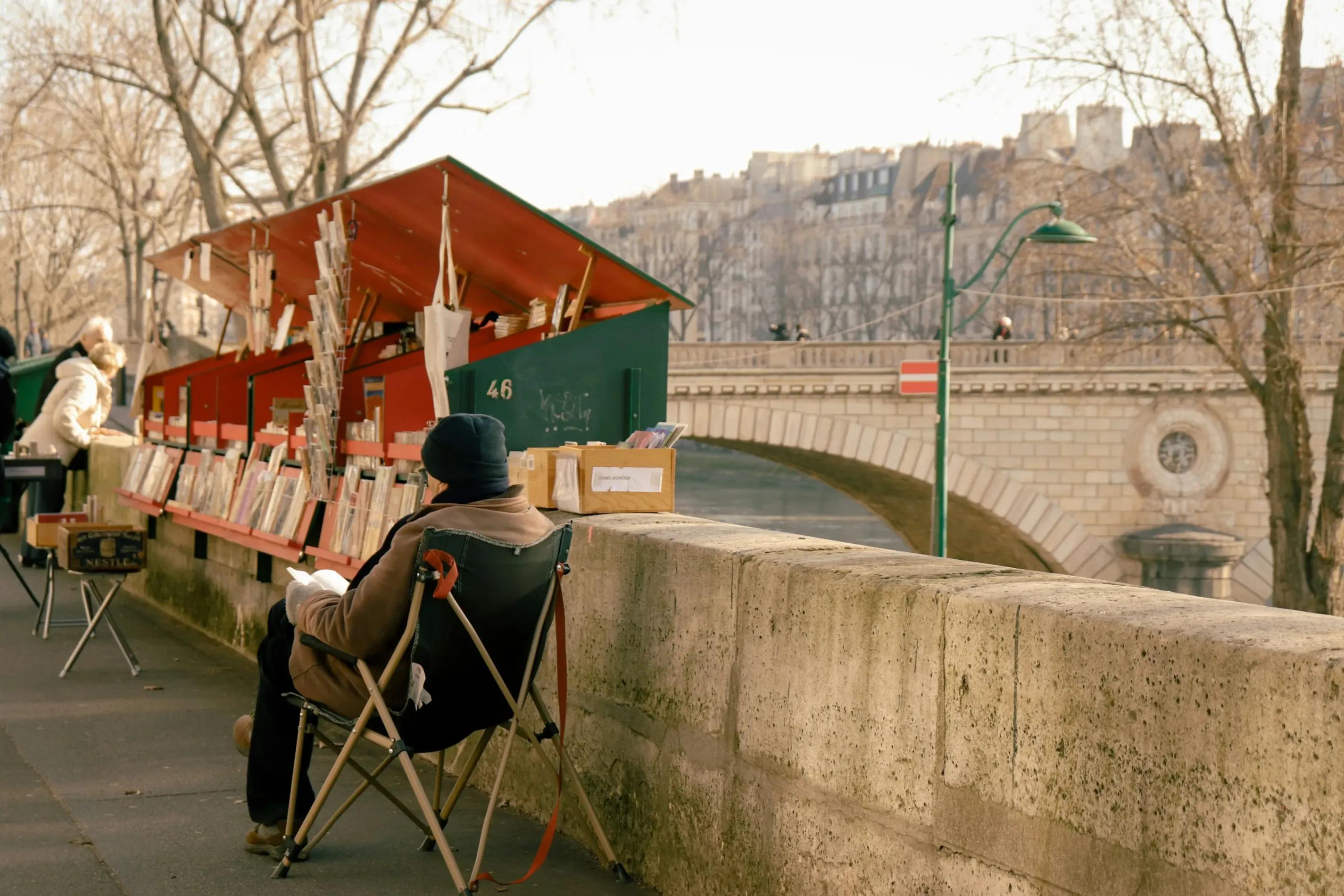
At the same time, non-places are not experienced uniformly. Their meaning depends on individual perspective and use. What feels like a non-place to one person may be familiar and meaningful to another — particularly for those who spend much of their daily lives within it. Airports, for instance, may function as non-places for passengers, but as places of belonging for employees. Non-places can therefore be transitory and impersonal for some, while representing stability and attachment for others.
.webp?w=900&q=85&fit=max&auto=format)
Image by Céline Ylmz on Unsplash
This is where the conversation becomes urgent. As cities plan for smarter and more sustainable futures, becoming future-proof should not come at the expense of meaning or belonging. Cities must remain livable places — designed for all ages, backgrounds and conditions — where public space, service and urban dynamics are grounded in the right to the city.
Caring for the look and feel of streets, investing in distinctive architecture, thoughtful design and inclusive facilities fosters accessibility, well-being, and social connection. Equally important is cross-sector collaboration: municipalities, the private sector and citizens working together to identify local needs, protect local identity, and empower communities. Supporting local entrepreneurs and artisans, preserving cultural and leisure spaces and nurturing everyday urban life are all part of this effort.
The desire to create spaces that feel real, personal, and meaningful is growing. Yet efficiency and standardization continue to shape many urban decisions.
So we leave you with a final reflection — not as observers, but as citizens of the cities we inhabit: Do we still want our cities to be places of identity and encounter? Or are convenience and efficiency quietly redefining what urban life is allowed to be? ●