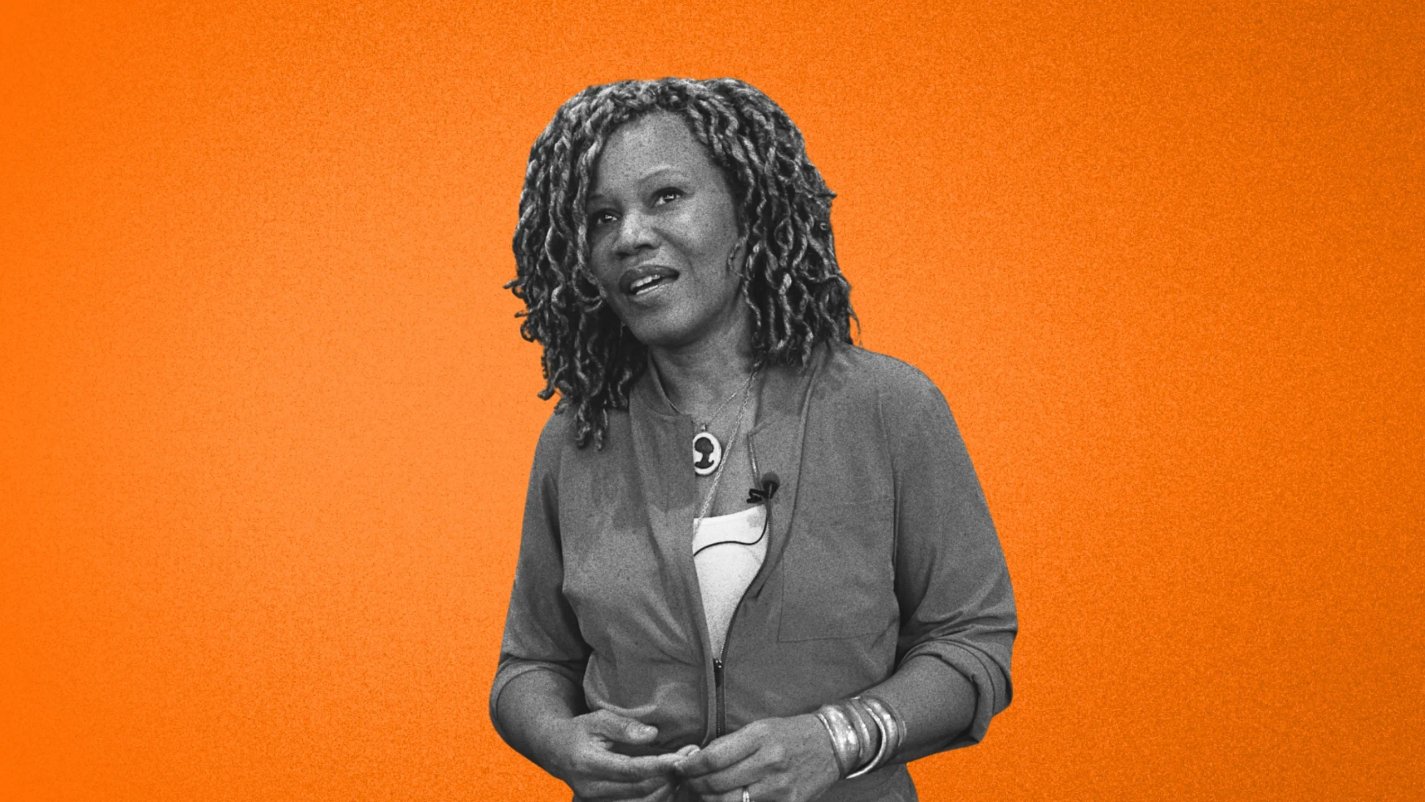
«We want people to feel that they don’t have to leave their neighborhood to live in a better one»
«We want people to feel that they don’t have to leave their neighborhood to live in a better one»
Roger L. Martin, author of 'A New Way to Think', writes that individuals with unique talent can profoundly affect the value and the nature of an organization. Neighbors in neighborhoods can be the same. Collective action can strengthen the quality of life, culture and overall vibrancy of a neighborhood to transform it into a thriving environment.
To explore this topic, we speak with Majora Carter, urban revitalization consultant at the Majora Carter Group. With her, we discuss her approach to talent retention, specially in the borough of The Bronx.
It’s about a talent retention approach. That means using the same kind of approach that businesses use to hold on to their talent, their employees, to keep them happy so that they continue to use it in service of that organization. We need to be doing that in all communities, but in particular lower status communities, by people who both live in those neighborhoods and on the outside. And also looking at the fact that there’s lower health outcomes, lower educational attainments, even higher incarceration rates.
And so, by creating a talent retention approach where we’re not expecting the bright ones, the ones who are academically or creatively or even athletically gifted to leave, we’re not promoting brain drain. What we’re trying to do is to create the right type of infrastructure so that people feel as they don’t have to move out of their neighborhood to live in a better one.
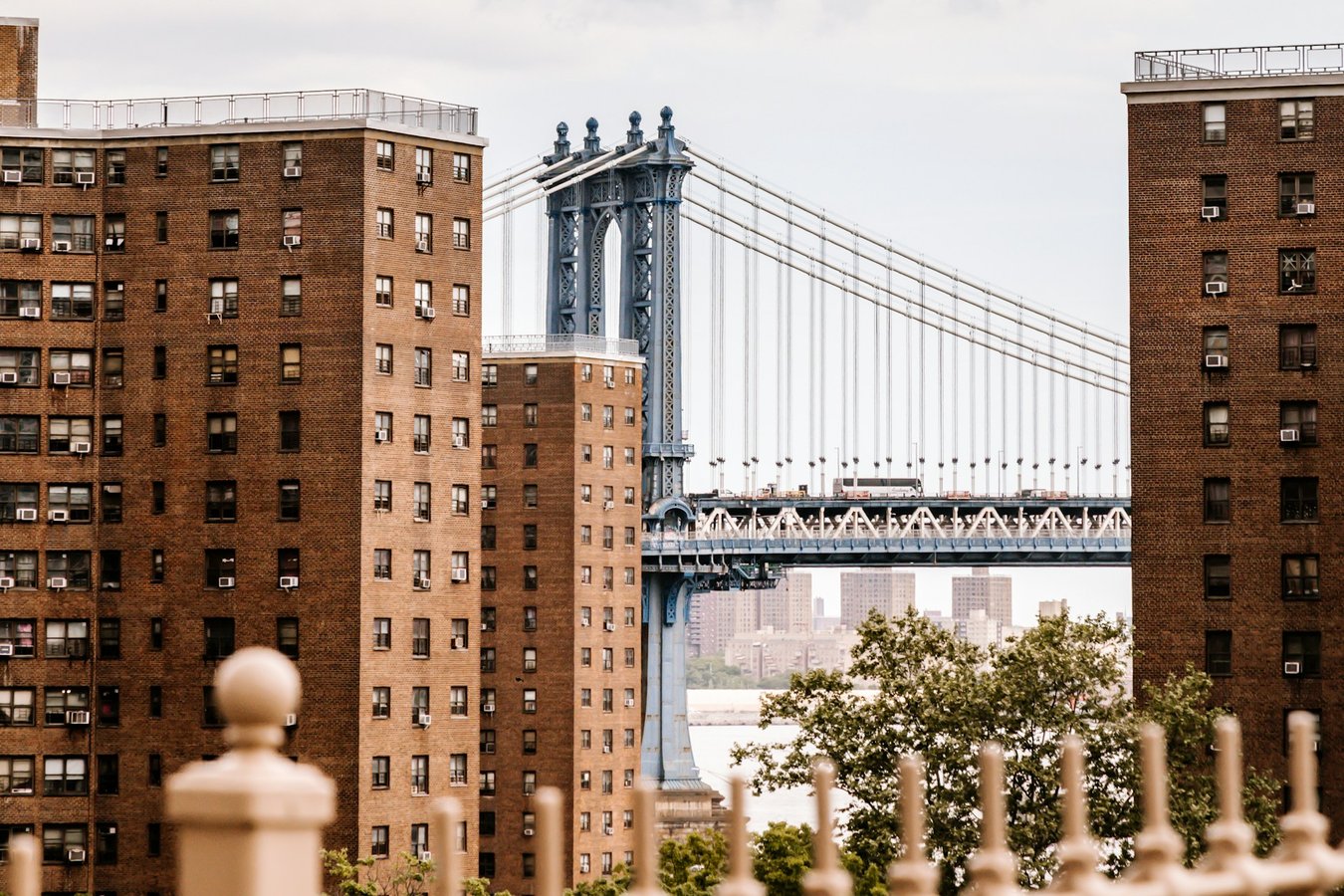
Image by Hans on Unsplash
The approach that we use, this talent retention community development approach, is about creating projects that make people feel like «I want to give my own neighborhood a second look». I don’t want to necessarily measure my success by how far I get away from it and I want to bring, but I want my neighborhood to mean something to me.
When we did the research and polled people about why were they leaving the neighborhood, they told us they were leaving because there wasn’t anything to do. Like «there’s no place for me to go and get coffee with friends, there’s no place to build relationships with people». And so that’s why creating third spaces for that to happen was really important.
Image by Sébastien Lavalaye on Unsplash
One of the projects I think was really important was, you know, coffee and cafés were really important to people, so we decided to build one. We didn’t want to. We literally just found the space and tried to get someone in to fill it. But nobody wanted to do that because the market didn’t quite say that it was that our neighborhood was ready for that. But we were like, «Wait, people leave the neighborhood to experience it, so maybe if we try it here, we’ll do it».
So we opened up a café called the Boogie Down Grind with hip hop in mind, from the decor to the music. It’s really fun. We do open mics, and book readings, and all sorts of events are gathering events and people love it. And it’s because we built that space that we’re seeing other folks either use our space to build their own businesses, to create more, to do networking, to connect with other folks. They’re writing their books there. They’re doing all sorts of things that literally help create a sense that our neighborhood is something that worth staying in. And I think that is another way to really get people to see their community as a different place. ●