
Cleaner, Comfier, Quicker – and for All: Rethinking Mobility for a New Urban Order
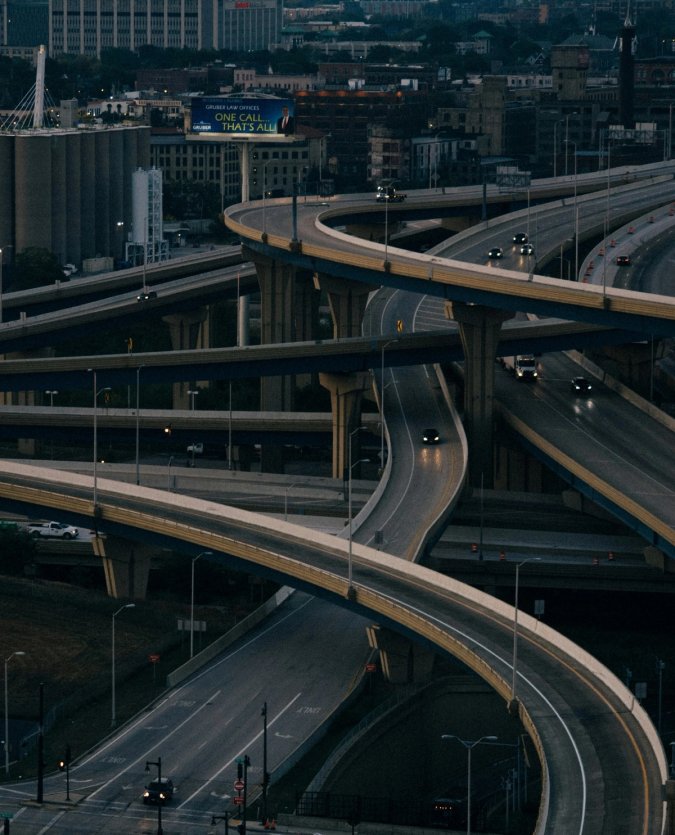
Since their beginnings, cities have been hubs of exchange, innovation, and progress. But the exponential growth of urban populations and the outdated 20th-century mobility model have created a host of problems: congestion, pollution, inefficiency, and — most notably — an overwhelming use of public space in favor of private vehicles.
We now face a critical choice: continue down this unsustainable path or embrace a new model that truly addresses mobility challenges and improves urban quality of life. While there’s no easy or instant solution, there are proven strategies that have made a real difference.
From Resistance to Structural Transformation
Car dependency is not just about infrastructure—it's a mindset. One of the biggest obstacles to urban mobility is the deep-rooted habits developed over decades by city dwellers. Naturally, change brings discomfort and, often, resistance. But some cities have shown that with innovation, leadership, and a clear, long-term strategy, transformation is possible.
Take Amsterdam: it wasn’t always the cycling capital we know today. In the 1970s, its traffic was as chaotic as any modern metropolis. It was through decisive policy, infrastructure investment, and a citizen-focused approach that it reinvented its mobility. According to the European Commission, Amsterdam is now one of the few European cities where over 35% of resident trips are made by bicycle — and its air quality has improved significantly.
Paris, meanwhile, has made bold moves toward becoming a "15-minute city." As defined by Professor Carlos Moreno, this model aims to ensure that people can access work, essential services, and leisure within 15 minutes on foot or by bike. Far from a utopia, it’s proven viable when backed by thoughtful urban planning and strong regulations—such as slashing surface parking and restricting access to polluting vehicles.

Mitchel Lensink, Unsplash
Tom Barrett, Unsplash
Technology and Planning: Allies, Not Silver Bullets
In conversations about innovation, technology often takes center stage as the ultimate solution to urban mobility challenges: autonomous vehicles, electrification, AI-driven traffic management. These can certainly play a role in shaping the cities of the future. But without being embedded in a broader strategic framework and strong policy decisions, their impact will be limited. Technology is not a band-aid for a broken system.
Electric vehicles, for example, eliminate local emissions—but they do nothing to solve congestion or reclaim space from cars. That’s where measures like reducing private car use, prioritizing public transportation, and integrating shared mobility services come in.
Often, true innovation lies in how mobility is managed. Helsinki was among the first cities to develop a “Mobility as a Service” (MaaS) ecosystem, allowing citizens to plan and pay for all their journeys—combining metro, buses, bikes, and shared cars—on a single digital platform. This kind of integration makes public transport far more accessible and appealing, encouraging greater adoption.
The Overlooked Key: Public Space
One element often left out of the mobility conversation is public space. Who does the city belong to? In many urban areas, more than 50% of space is allocated to roads and parking.
Innovative solutions to this issue can often be surprisingly simple—and don’t require the most advanced or expensive technology. Low-emission zones or pedestrianized city centers, for example, can make a big impact. Barcelona has invested in “superblocks” (“superilles”), closing streets to traffic and returning them to pedestrians. New York followed a similar approach with the pedestrianization of Times Square—a project that initially met resistance, but has since proven successful in terms of safety, commerce, and public space quality. Today, this model is expanding to other parts of the city.
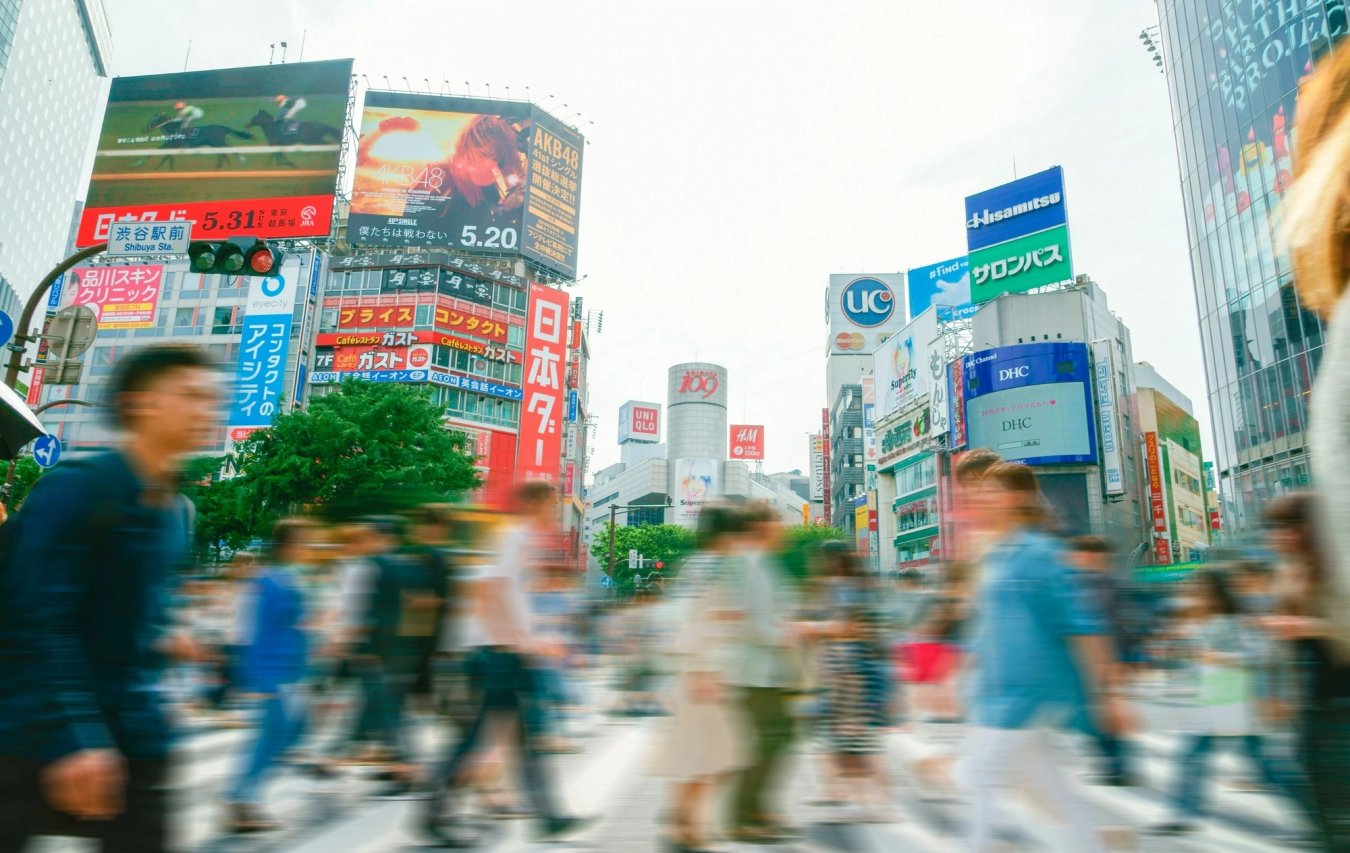
Rodolfo Barretto, Unsplash
No Easy Fixes, But Urgent Decisions
We’re not naïve: every urban solution brings its own challenges. Barcelona’s superblocks, for example, have sparked gentrification concerns that must now be addressed. And not every city worldwide has the capacity to implement the 15-minute model. Yet, overall, where these interventions have been made, pollution has decreased, social interaction spaces have grown, and the quality of public space has risen. In short, both cities and their residents have benefited.
So, the future of urban mobility isn’t just about technology. It’s a strategic choice, a political will, and above all, a commitment to a city model that puts people before cars.
The results speak for themselves: cities that have reduced private vehicle use, improved public transport, and reclaimed space for citizens have seen improvements across the board — from public health to economic vitality. The challenge is less technical than one of strategic planning and execution.
Mobility is not an isolated issue. It reflects how we envision our cities and the kind of society we want to build. More than ever, we need to move from inertia to action. That action is what will drive change and allow us to establish a new urban order that meets the needs of 21st-century cities—and the people who live in them. ●