
Recycling the City: 5 Sustainable Neighbourhoods Giving New Life to What Already Exists
Recycling the City: 5 Sustainable Neighbourhoods Giving New Life to What Already Exists
What does it truly mean for a neighbourhood to be sustainable? Over the past two decades, the concept of the sustainable neighbourhood has been widely adopted by urban projects around the world. Many initiatives have focused on creating new eco-districts or masterplans that integrate renewable energy systems, efficient buildings and abundant green spaces. However, this trend also reveals a fundamental paradox: the construction of entirely new neighbourhoods often involves significant land use, material consumption and emissions. This raises a key question for urban planners and policymakers, which is to what extent can a neighbourhood built from scratch truly be considered sustainable?
But before getting down to business, let’s dive into the key features of what makes a neighbourhood sustainable, as their final goal is to offer a better quality of life based on social, economic and environmental development. There is a strong convergence among different international frameworks. On the one hand, UN-Habitat highlights five essential principles (adequate density, mixed land uses, social diversity, efficient street networks and walkability) which together create compact and well-connected urban environments capable of supporting everyday life. Completing this, C40 Cities emphasises people-centred design, access to services within short distances, low-carbon mobility and meaningful community participation as core components of thriving green neighbourhoods.
On the other hand, the United Nations Development Programme adds that sustainability at neighbourhood scale relies on the alignment between environmental resilience, social cohesion and governance capacity, ensuring that improvements benefit all residents and avoid new forms of exclusion. In parallel, the New European Bauhaus expands this understanding by placing equal value on sustainability, beauty and inclusion as drivers of urban transformation. It promoted neighbourhoods that are environmentally responsible, socially cohesive and culturally meaningful through participatory design processes, high-quality public spaces and solutions rooted in local identity.
Taken together, these perspectives show that sustainable neighbourhoods are not defined solely by technological upgrades or green infrastructure, but by their ability to support proximity, accessibility, participation, identity, inclusion and resilience in day-to-day urban life.
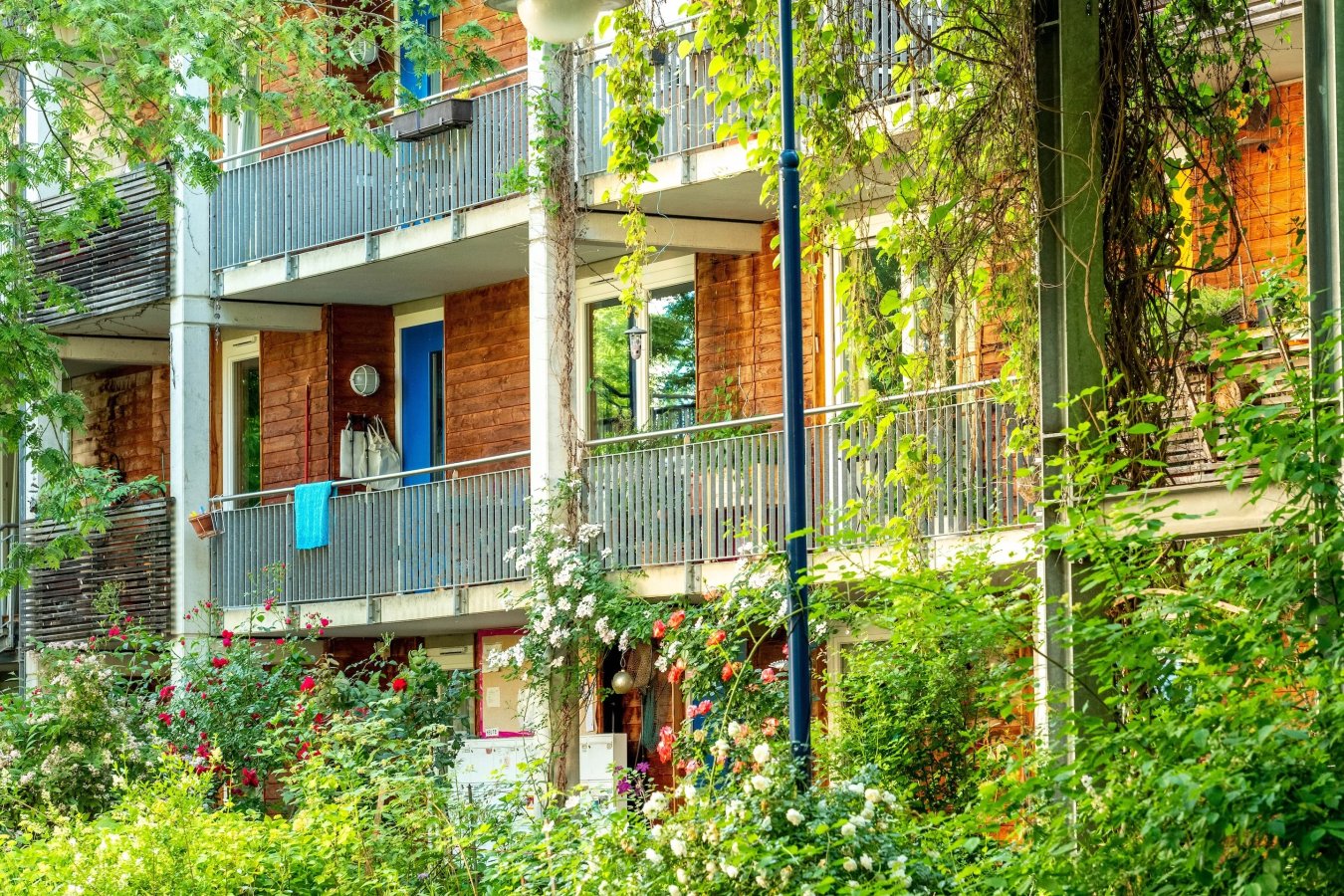
Vauban Eco-District, Freiburg, Germany. Image by Andreas Naegeli, Shutterstock
In practice, however, the “sustainable neighbourhood” label has often been appropriated by real estate developments built on previously undeveloped land, consuming territory, materials and public resources in the process. While building new eco-districts or neighbourhoods may advance construction techniques and materials used, greenfield developments raise other concerns about resources, emissions and affordability. Moreover, they can reproduce spatial inequalities that sustainable urbanism claims to overcome, reinforcing eco-gentrification and pushing up property values.
Therefore, we need to rethink what sustainability means at the neighbourhood scale, and we can start from transforming existing urban fabrics: making ageing districts liveable again, supporting diverse communities, ensuring proximity to services and amenities, and regenerating shared spaces through collaboration between residents, municipalities and local economies. Initiatives such as the C40’s Reinventing Cities or the 2025 OBEL Award reinforce this vision, where sustainability is not only understood in environmental terms but through its social, cultural and governance dimensions.
The following examples illustrate how sustainability emerges from reimagining what already exists, strengthening communities and unlocking the potential of their collective intelligence.
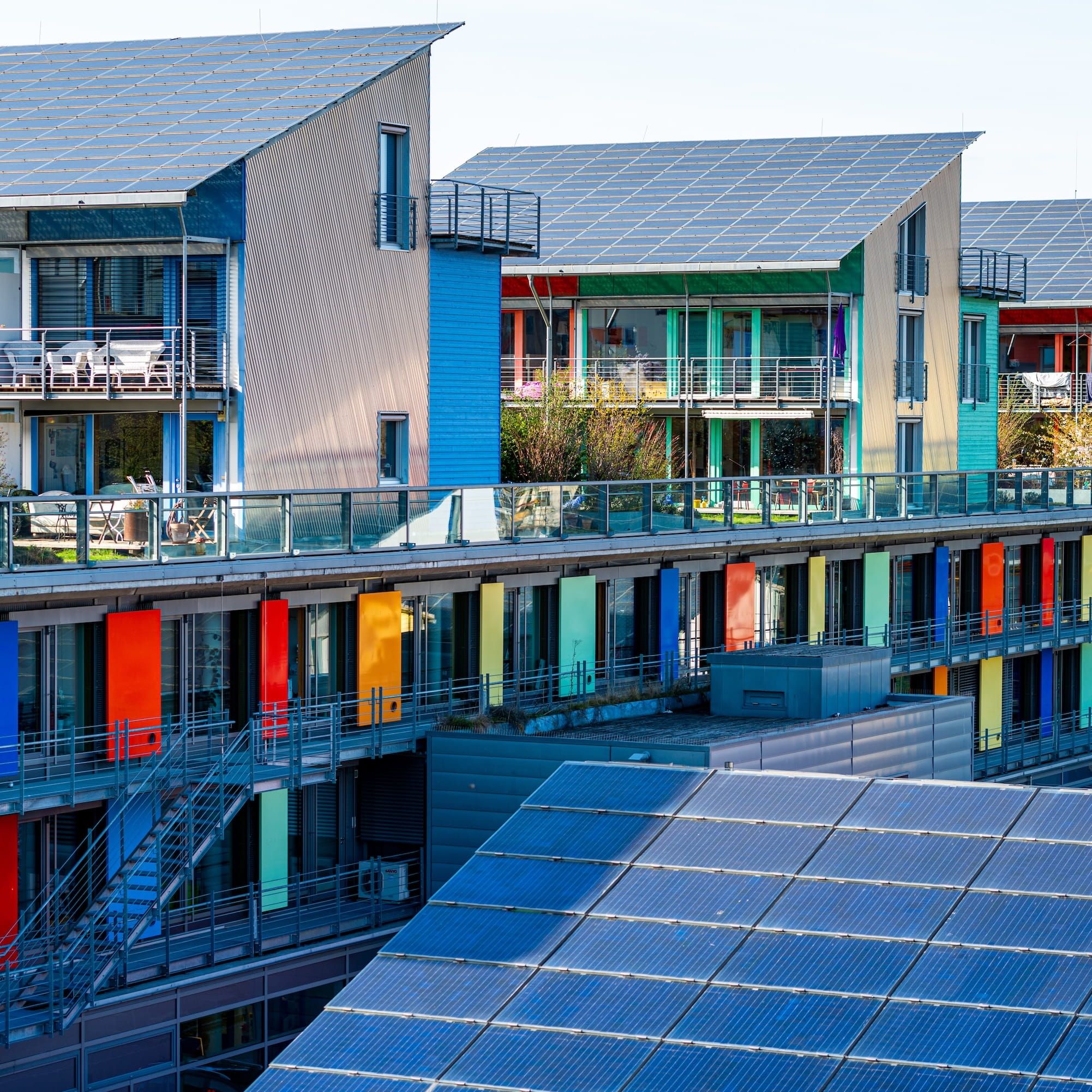
Vauban is widely recognised as a pioneering example of a sustainable neighbourhood created through the transformation of an existing urban area. It was developed on the grounds of a former French military barracks and the actual district demonstrates how compact design, renewable energy systems and strong citizen engagement can shape a resilient and sustainable urban model. Rather than following a top-down planning, Vauban’s evolution was driven by grassroots organisations such as Forum Vauban in the 1990s, which ensured decisions on mobility, housing typologies or public spaces reflected community priorities.
The neighbourhood is structured to prioritise walking, cycling or the use of tram, which lowers transport emissions and enhances street life thanks to the car-reduced streets and accessible amenities. Buildings follow high energy-efficiency standards, with low-energy, passive-house or plus-energy standards. Furthermore, Vauban has a commitment to social inclusivity and quality of life, with a mix of housing typologies (co-housing units, subsidised apartments, private residences), and public spaces that encourage social interactions (courtyards, playgrounds, shared green areas). Vauban represents a good example of well-being-oriented urbanism, integrating sustainability with social inclusivity, involving local government and residents.
.jpeg?w=675&q=85&fit=max&auto=format)
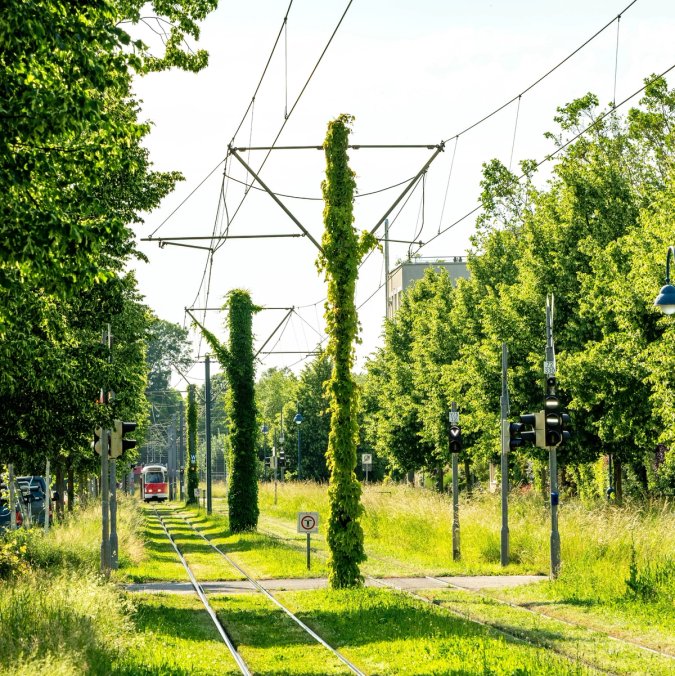
Images by Gyuszko-Photo, Shutterstock | Andreas Naegeli, Shutterstock
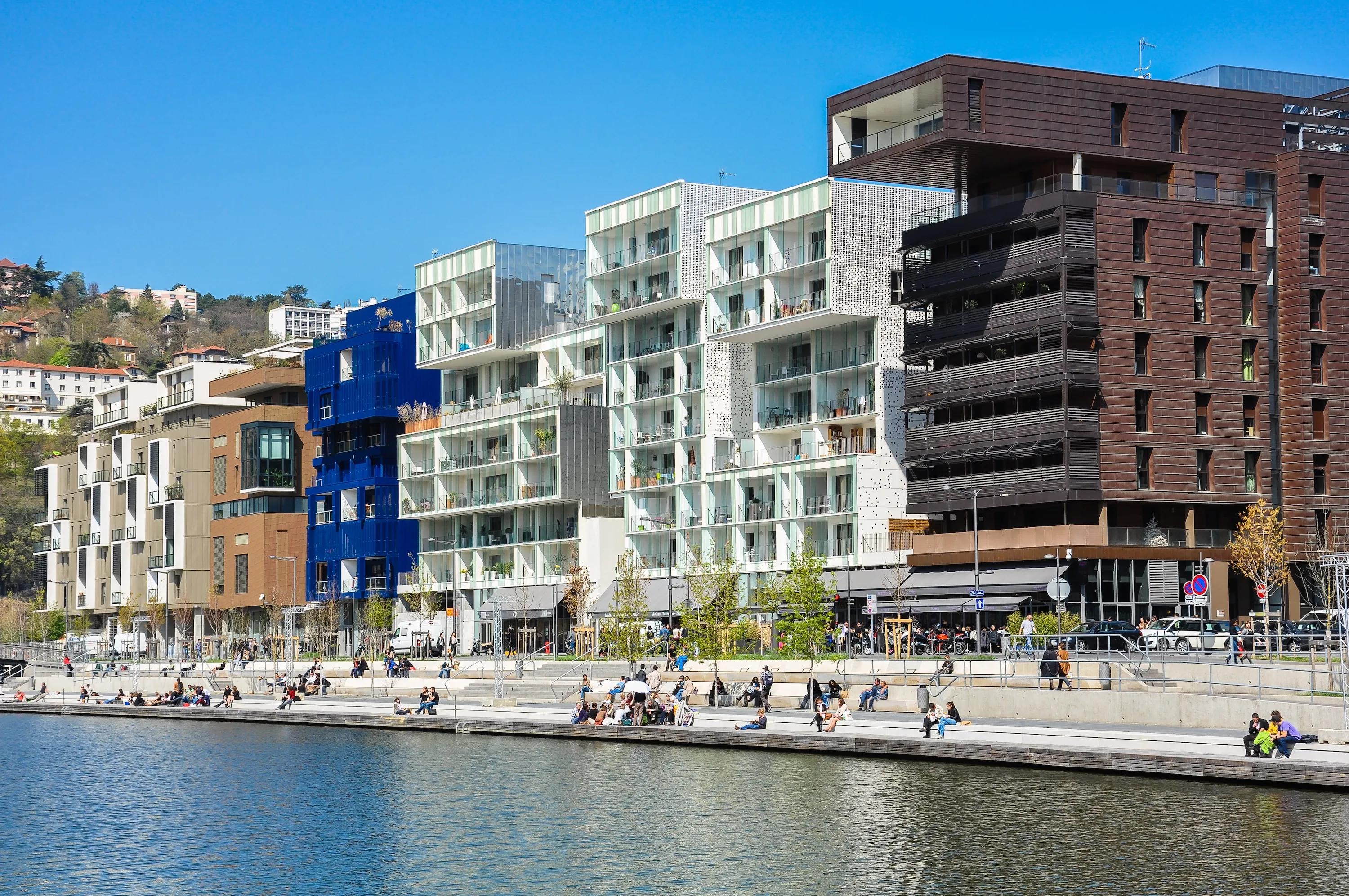
Located in Lyon, La Confluence was historically dedicated to industry and logistics, with warehouses, rail yards, wholesale markets and port activities. With deindustrialisation in the late 20th century, the area was left with large brownfields and derelict buildings. Today, La Confluence has become an extension of Lyon’s city centre and one emblematic sustainable urban regeneration project.
Guided by the public-private development agency SPL Lyon Confluence, the transformation combines mixed-use development, energy-efficient buildings, high-quality public spaces and low-carbon mobility (with pedestrian and cycling networks, new tramway links or the redesigned streetscapes). This transformation also emphasises ecological performance with riverbank restoration, green corridors, innovative energy systems and environmental monitoring. Additionally, cultural institutions, housing programmes and local services were integrated, and the project has incorporated public participation processes through consultations, workshops and idea-collection platforms.
.webp?w=1350&q=85&fit=max&auto=format)
Luis Pizarro Ruiz, Shutterstock
%20(1).jpg?w=675&q=85&fit=max&auto=format)
.jpeg?w=675&q=85&fit=max&auto=format)
%20(1).jpg?w=675&q=85&fit=max&auto=format)
.jpg?w=675&q=85&fit=max&auto=format)
Images by Helsingborgshem
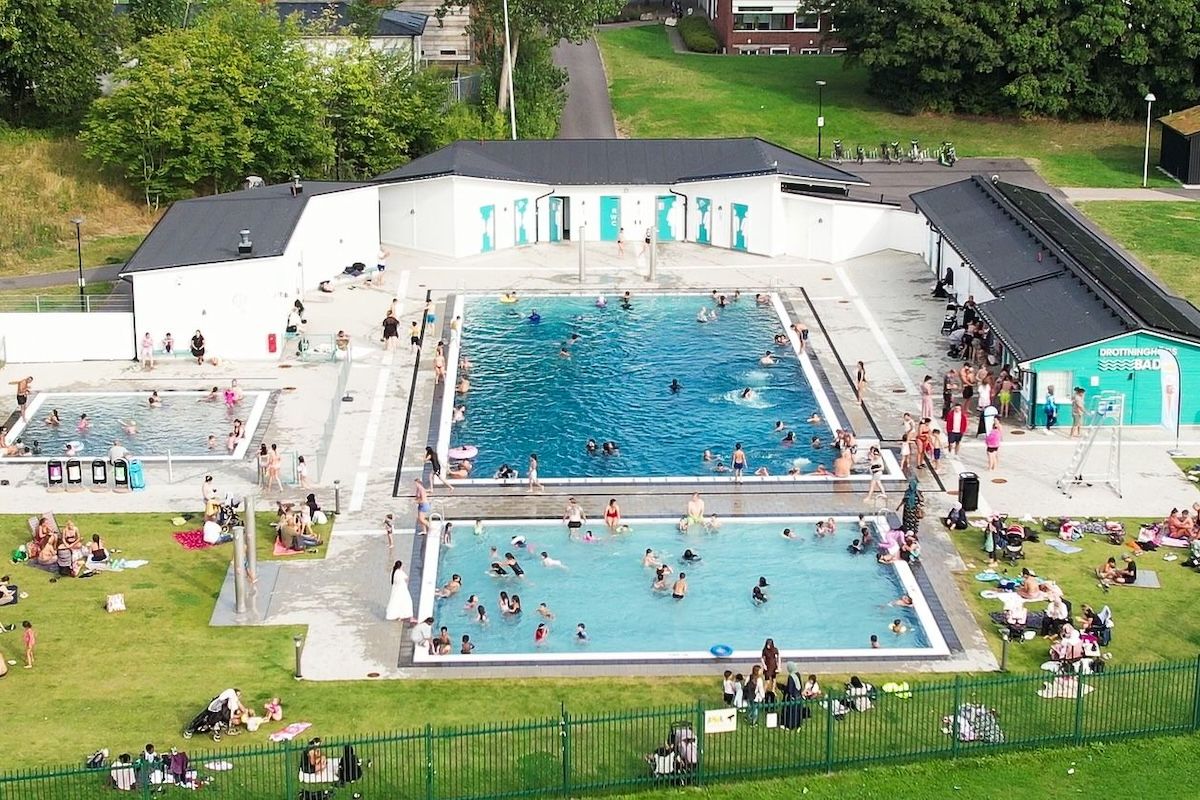
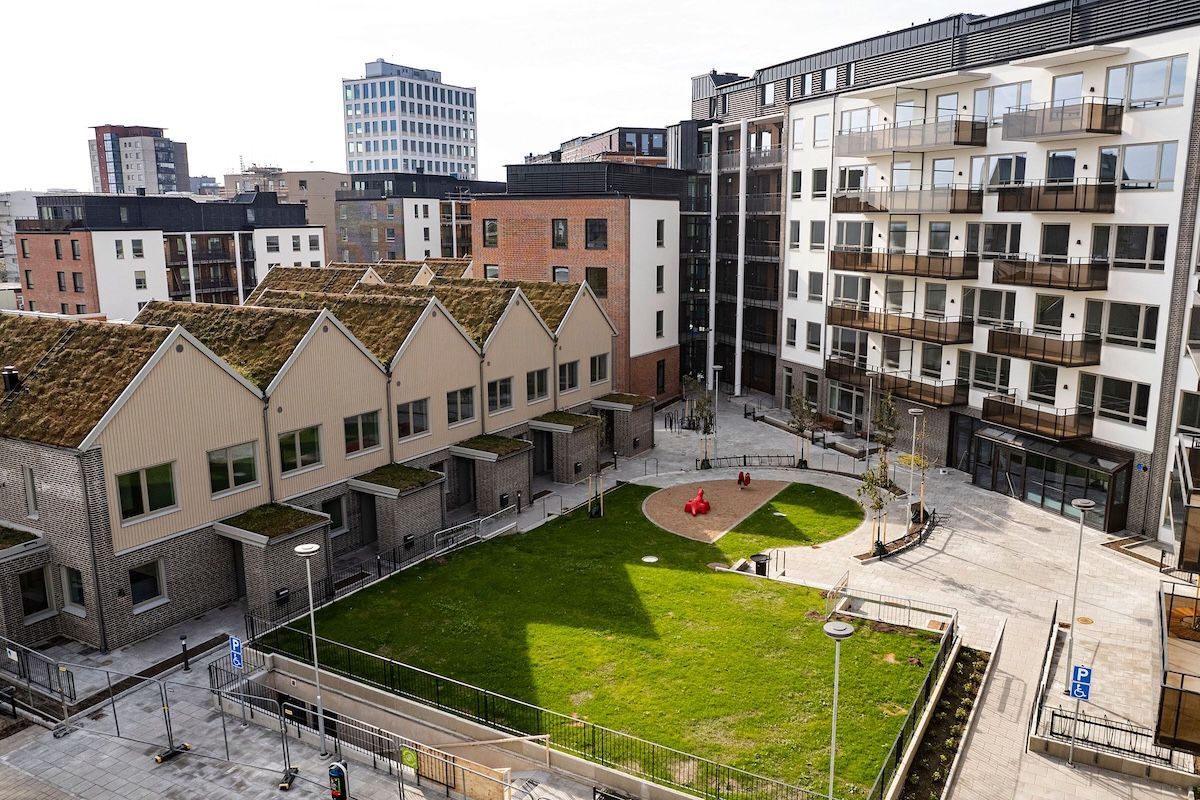
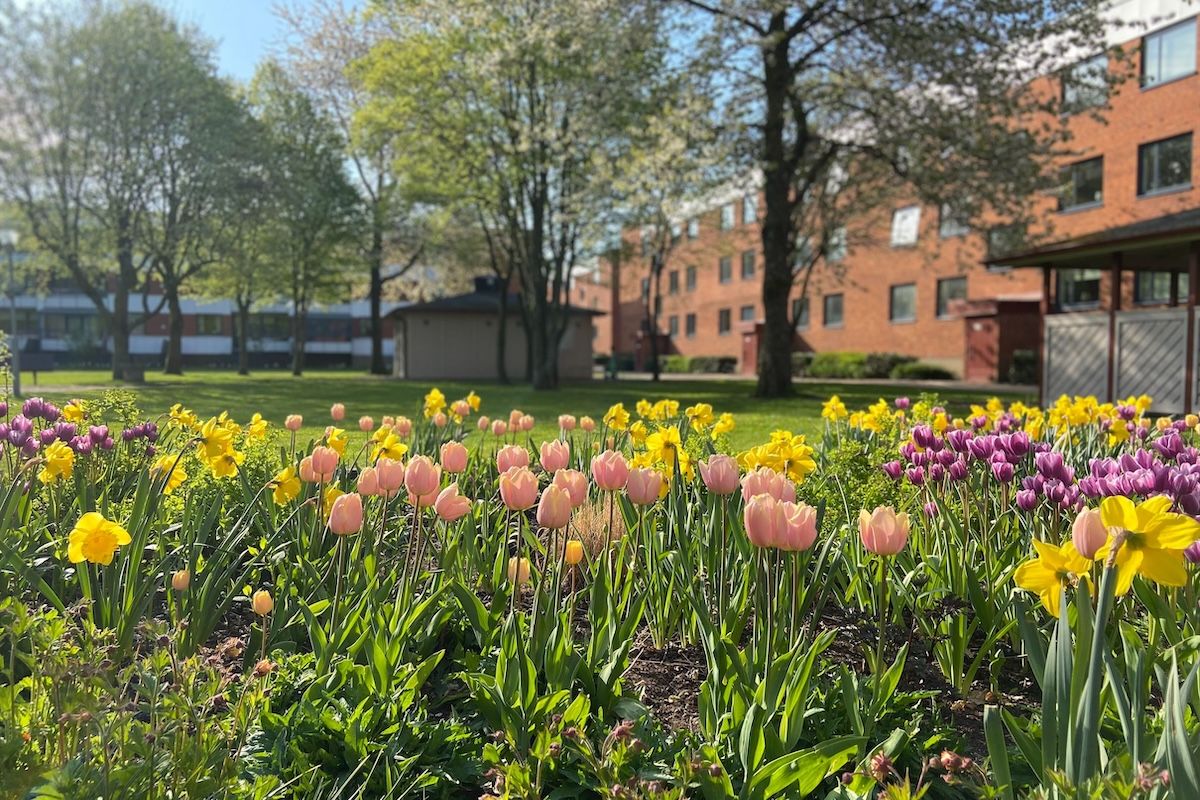
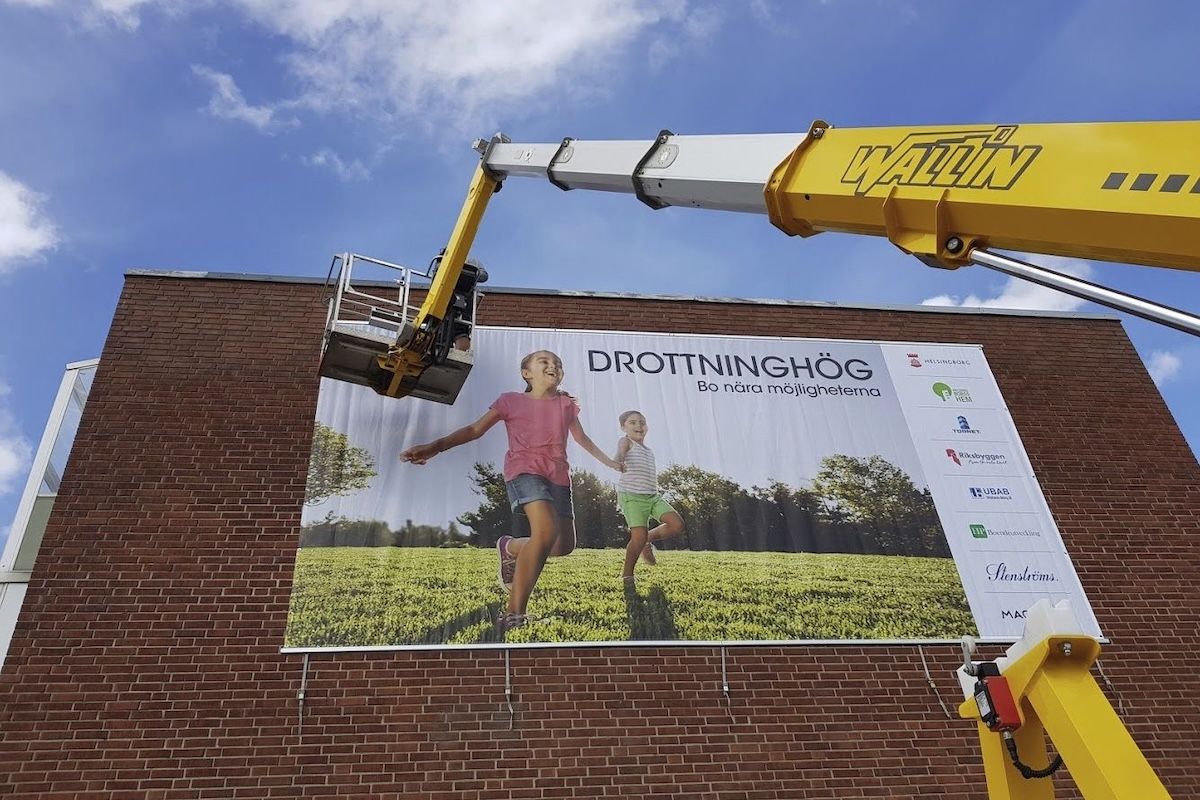
Located in southern Sweden, Drottninghög is an emblematic case of long-term, co-created neighbourhood regeneration within an existing 1960s housing estate. From socio-economic decline, ageing building stock and low public trust, the district is now undergoing a transformation that places residents at the heart of decision-making with the aim to open, connect and densify the area.
The regeneration strategy focuses on environmental, social and economic sustainability, based on dialogues between residents, the City of Helsingborg and real-estate companies. As a result, the interventions respond to everyday needs together with an increased quality of life and public safety, while expanding the green network (urban garden); improving public transport (Helsingborg Express, which covers a large part of the city), walking and cycling connections, and increasing the residential and working space (increasing the movement and diversity of people). The project demonstrates how ageing post-war districts can be revitalised without displacement, advancing sustainability while reinforcing residents’ sense of ownership and belonging, and with closer and stronger ties to the city.
The regeneration of Olot’s historic core, led by the architect and urban activist Itziar González Virós, offers an example of sustainability grounded in heritage, social cohesion and civic participation. Rather than pursuing large-scale redevelopment, this project focuses on rehabilitating existing building, reactivating vacant spaces and expanding affordable housing to reverse depopulation dynamics in the old centre. The interventions prioritise the preservation of local identity while adapting heritage structures to contemporary needs, improving energy performance and accessibility.
A central pillar of the initiative is its participatory governance model, which involves residents, local businesses and cultural actors in shaping priorities through assemblies, workshops and dialogues. This process strengthens community trust and ensures that transformations reflect shared values. Public space improvements, mixed-used programming and new cultural activities aim to bring life back to streets and squares, making the historic centre an inclusive and liveable environment for long-term residents. This example demonstrates how urban sustainability can emerge from caring for existing heritage, strengthening local communities and balancing ecological transition with social justice.
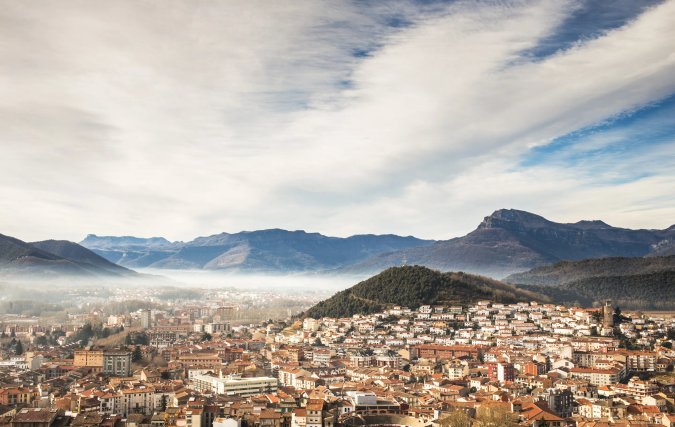
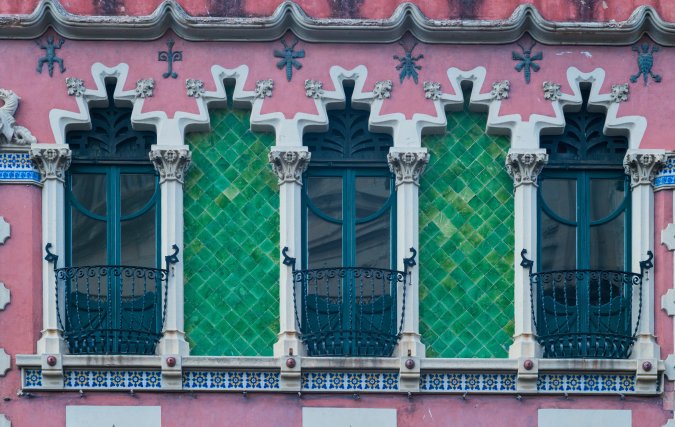
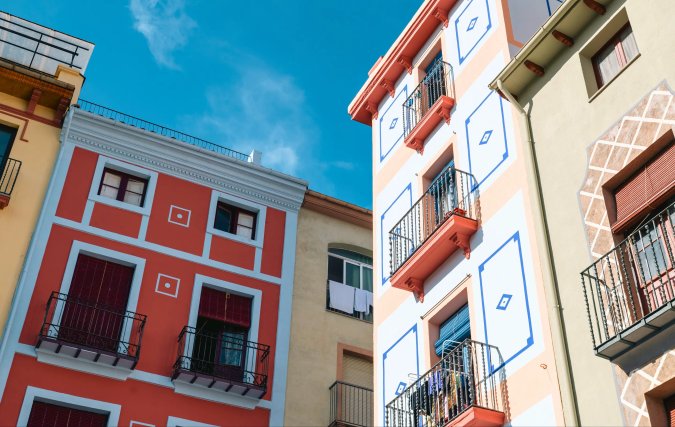
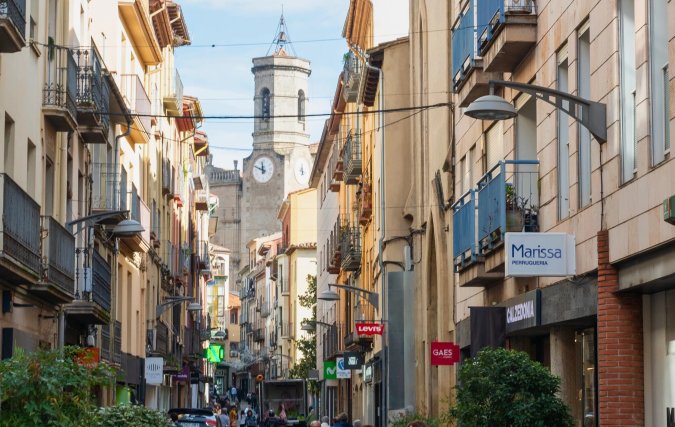
The Historic Center of Olot, in north-eastern Catalonia, Spain | Images by Funky Frogstock (1) | Greens and Blues (2)| Martin SC Photo (3,4), Shutterstock
There is an initiative called Athar Lina in Al-Khalifa (started in 2012) that exemplifies an integrated approach to heritage-based urban regeneration that strengthens community wellbeing while addressing environmental challenges. Led by the Egyptian organisation Megawra, the project works within one of Cairo’s most historic yet socio-economically vulnerable districts, where many monuments and residential buildings face deterioration: Al-Khalifa. Athar Lina combines architectural conservation with adaptive reuse, public space improvement and locally rooted economic development. A defining feature is its focus on community capacity-building, where heritage education, vocational training and craft-based industries enable residents to convert historical knowledge into economic opportunities; thereby reinforcing social cohesion and local pride.
Environmentally, the initiative has pioneered solutions such as extracting groundwater accumulating beneath historic structures and reusing it to irrigate new green spaces. By linking heritage preservation with climate adaptation, neighbourhood maintenance and social empowerment, Athar Lina goes beyond traditional conservation. It shows how historic neighbourhoods can become laboratories for sustainable, community-driven urban transformation that values cultural identity and improved living conditions.
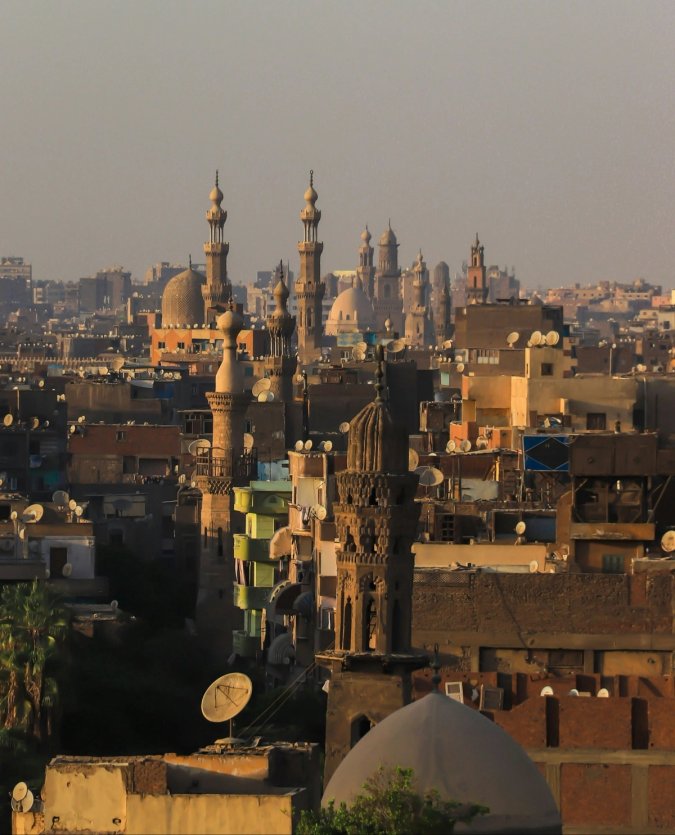
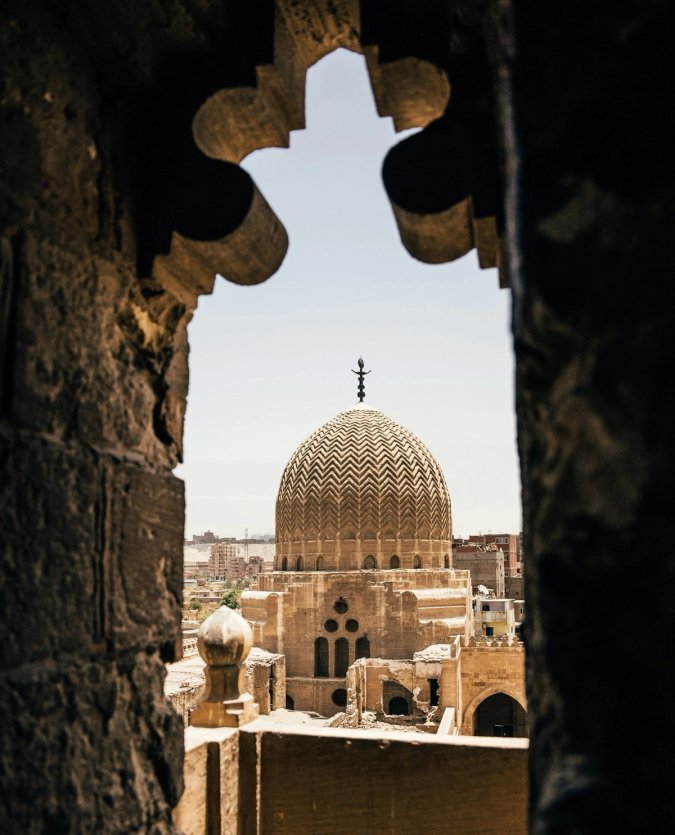
Historic Cairo is one of the places where Megawra operates. Images by Ruben Hansen, Unsplash | Getty Images, Unsplash
Rethinking how we build sustainable neighbourhoods requires shifting our attention from creating new urban areas to regenerating and caring for the places that already exist in our cities. Sustainable neighbourhoods are not only a matter of upgrading or creating infrastructures; they require valuing and recognising the people, experiences and identities that give meaning to everyday life.
This article showcases different urban contexts of transformations that share a similar feature: these “old” districts are or have been reactivated and revitalised, transforming neglected spaces into adapted buildings and infrastructures, diversified and affordable housing, and environments that support proximity-based daily life. In addition, these examples show governance structures that foster long-term collaboration between residents, municipalities and local actors, leading to decisions grounded in shared priorities rather than external agendas. Therefore, we can say that this urbanism is more grounded. Instead of presenting sustainability as an eco-development product, it understands transformation as an ongoing process based on care, co-creation, collaboration and stewardship.
As cities face more climate pressures, demographic shifts and rising inequalities, the neighbourhood scale becomes a strategic arena for designing and implementing changes that are environmentally friendly, inclusive and equitable. The key to accomplishing this lies in regenerating the urban fabric, strengthening social cohesion, and making neighbourhoods more adaptive, accessible and capable of supporting everyday life, meeting the needs of their inhabitants while effectively addressing contemporary urban challenges. ●