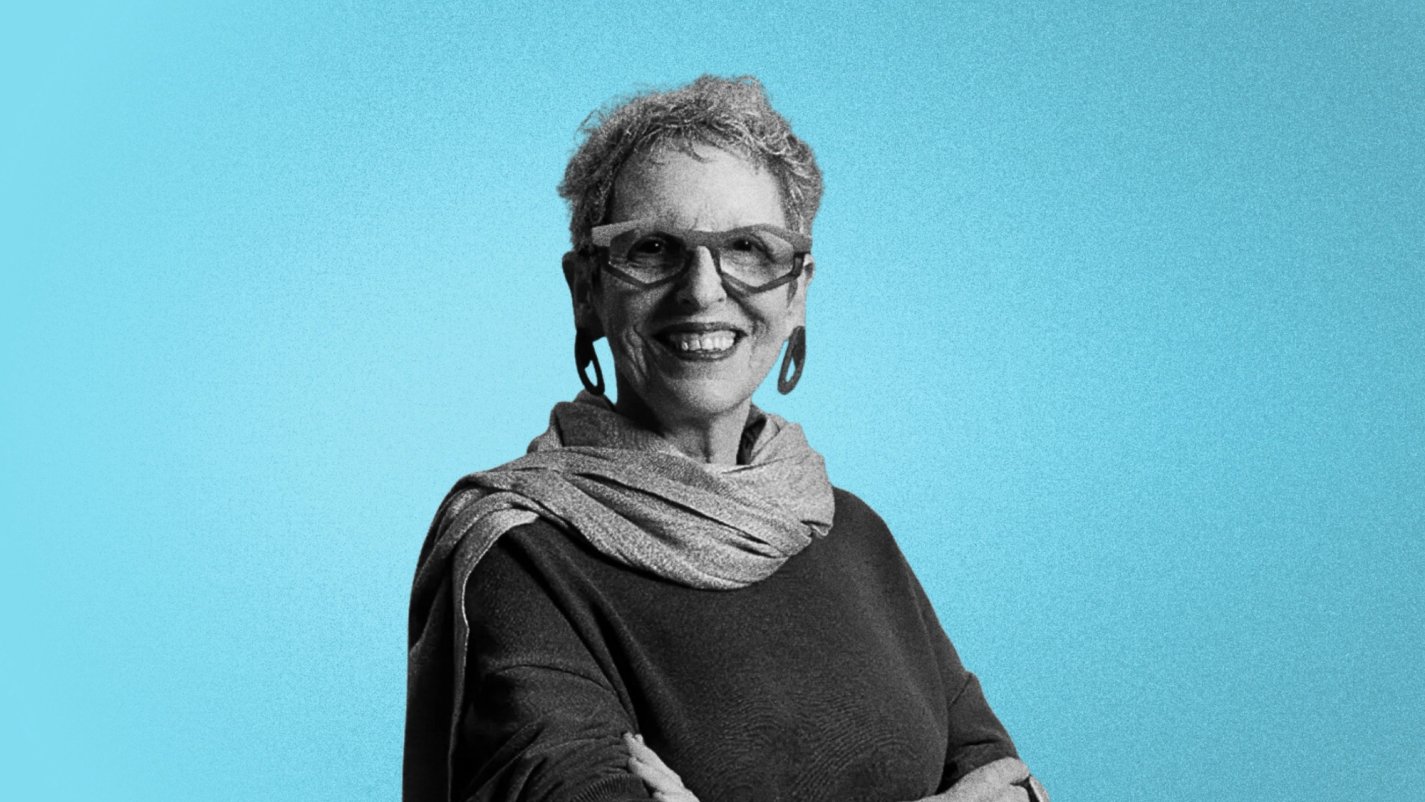
«We need the right to the city more than ever»
In a time when cities are increasingly shaped by global finance, tourism pressure and real estate speculation, the idea of the 'Right to the City' feels more urgent than ever. We address these questions with Raquel Rolnik — architect, urban planner, and former UN Special Rapporteur on Adequate Housing.
In this interview, she reflects on why the 'Right to the City' remains a living, collective struggle; how tourism often masks deeper financial dynamics; and why urban and housing policies must be addressed together, not in isolation.
We badly need the right to the city more than ever. I think the idea of the 'Right to the City' is absolutely alive and on the streets. It’s embedded in the struggles — the ongoing struggles — that we have around the world over the appropriation of public space, or the construction of an idea of the city as a common good to be managed and defined by citizens and dwellers. This also includes the idea of the right to housing, and the right for every dweller to have a place in the city, but also to have a say in the city. And to confront what today is the colonial power that runs our cities, which is finance.
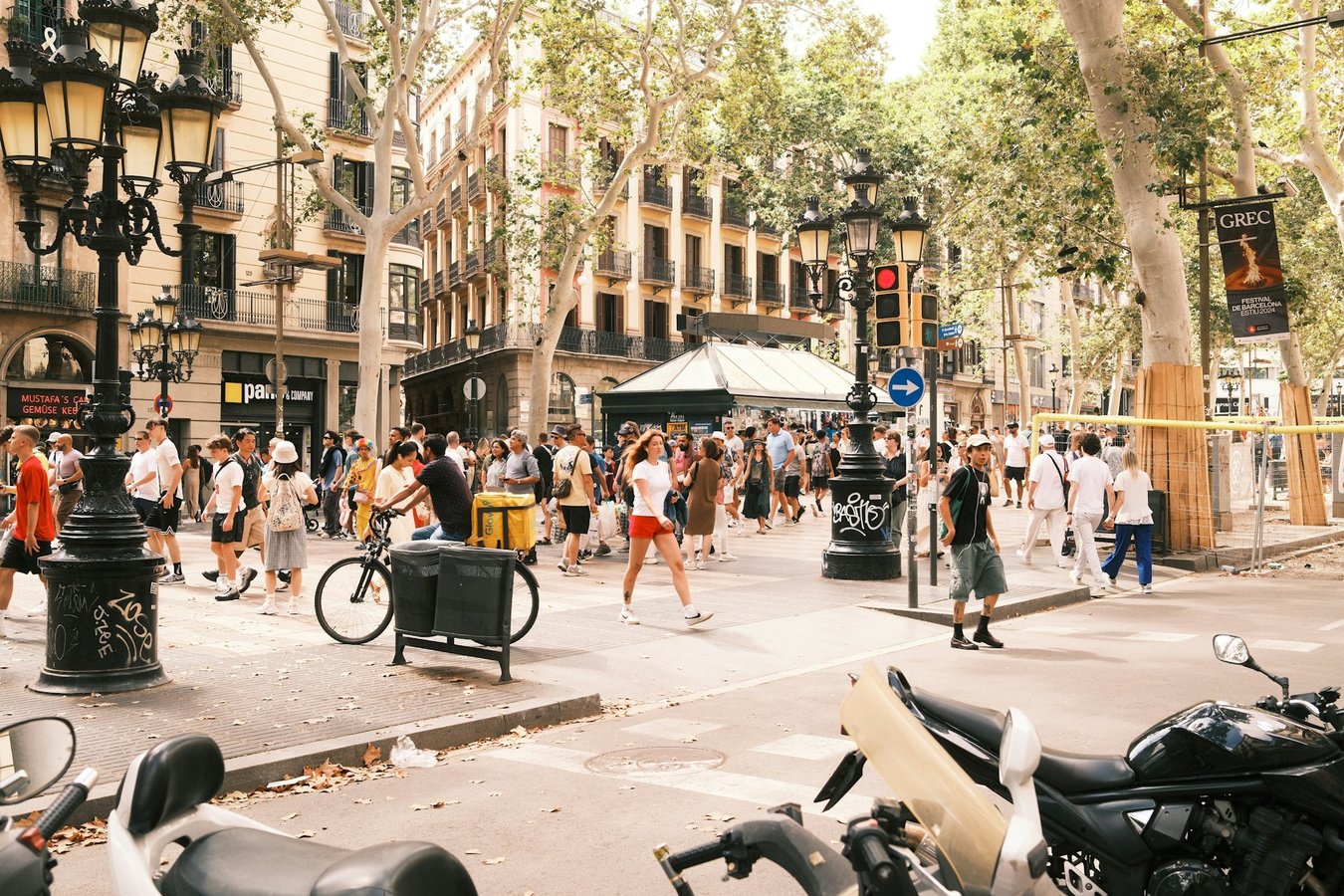
I think that behind the issue of tourism is the real estate financial complex. Because it’s not just that tourism is taking over the city. The question is how much the built space is taken over by finance and by the financial schemes behind tourism. So I think the issue is to address urban policies and housing policies as a whole, not only as an effect of tourism because we are witnessing processes that are much deeper than that.
What we are confronting today are basically two paradigms. One is hegemonic: the idea that the best use of a place is the one that provides more interest for the capital invested in it. The other one—which today is not hegemonic—is embedded in struggles, in resistance, in insurgency: the idea that the best use of a place is the use that meets our needs. And to take urban policy on these terms means to change completely the paradigm of urban policies.