
«Vienna and Singapore tackle housing affordability most efficiently»
«Vienna and Singapore tackle housing affordability most efficiently»
Housing is a vital element with far-reaching implications. It forms the foundation upon which personal and collective plans and projects are built, playing a decisive role in overall well-being. Simultaneously, housing shapes urban dynamics, configuring human and community relationships within our cities. It stands at the core of the attractiveness or decline of entire neighborhoods and sectors. However, from an urban management perspective, housing is a complex sector involving multiple actors, dimensions, and interests. This complexity poses a significant challenge—finding a delicate balance between affordability, low-carbon housing, and the citizen’s right to the city.
In this conversation, we delve into these critical aspects with Dr. Orna Rosenfeld, an independent advisor in Housing and Urban Affairs who has served international organizations, governments, and cities in 56 countries in their pursuit of housing for what she aptly terms ‘inclusive urban futures’.
From the perspective of a housing specialist, a city is a place that houses housing. If we’re thinking as urbanists and architects about housing, we believe that this is one of the urban functions. Maybe it’s not as exciting, but if we imagine a city — especially in our AutoCAD — and we turn off the housing layer, we are not really left with much of the city. Who will go to the museums? Who will use education and transportation? Housing is fundamental to cities. Cities exist because people live there, live together, and inevitably live in housing.
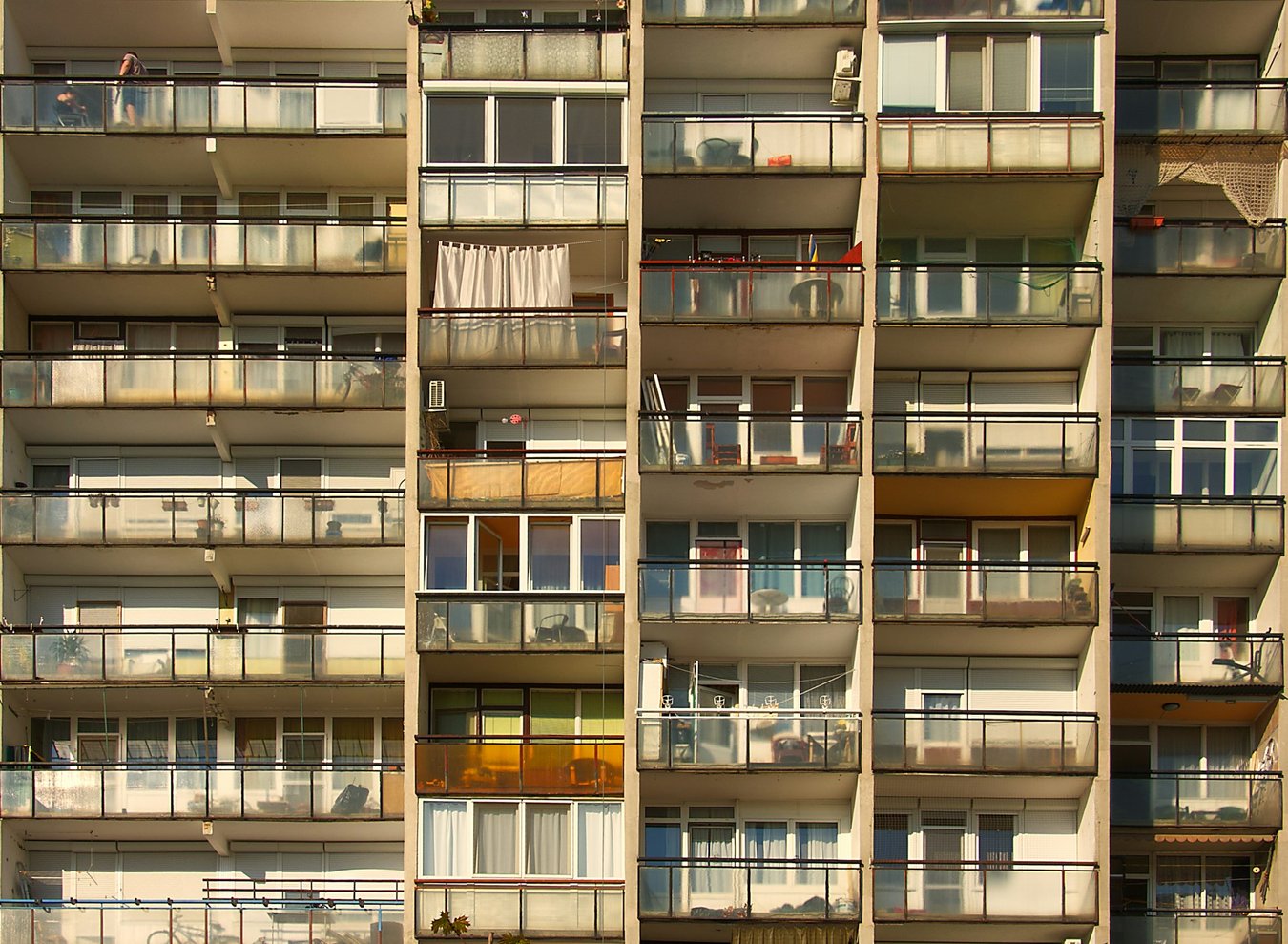
Image by Mihály Köles on Unsplash
Let’s start with the first issue—housing affordability. I think that when we’re looking around the world, we see that our housing systems are rich and diverse. Every single housing system in the world, whether in the global North or Global South, is different. But something that really connects us all at this moment is the challenge of housing affordability. Everywhere we look, we see housing prices going up, and we don’t see incomes rising as fast as the housing prices. Cities face the challenge of providing affordable homes for their population, and I think that’s a great challenge.
Obviously, as we were reminded in COP 27, it is important to move toward implementing the commitments of the Paris Agreement. Linked to that is, in fact, the energy efficiency of our homes. This is not only about CO2; it is also about tackling energy poverty. Unfortunately, now—that is a critical issue, especially in Europe, due to the rising energy prices. So, I’m thinking that, from my perspective, these were two burning challenges we have to address today.
I think that here, I would like to turn the question a little bit and say that we, as built environment professionals, are very ambitious. We want our cities to be cohesive; we want them to be fair; we want them to be safe.
However, we want them to be many other things, and what that boils down to is that we have to have integrative urban development, where different disciplines and professions come together and really help cities become whatever they aspire to be.
Cohesiveness, safety, and fairness are just part of the ambition. We can add inclusiveness, livability, and many other things. But I think the bottom line here is to enable integrative urban development where all our ambitions, expressed in different adjectives, can be built and made into fruition and reality.
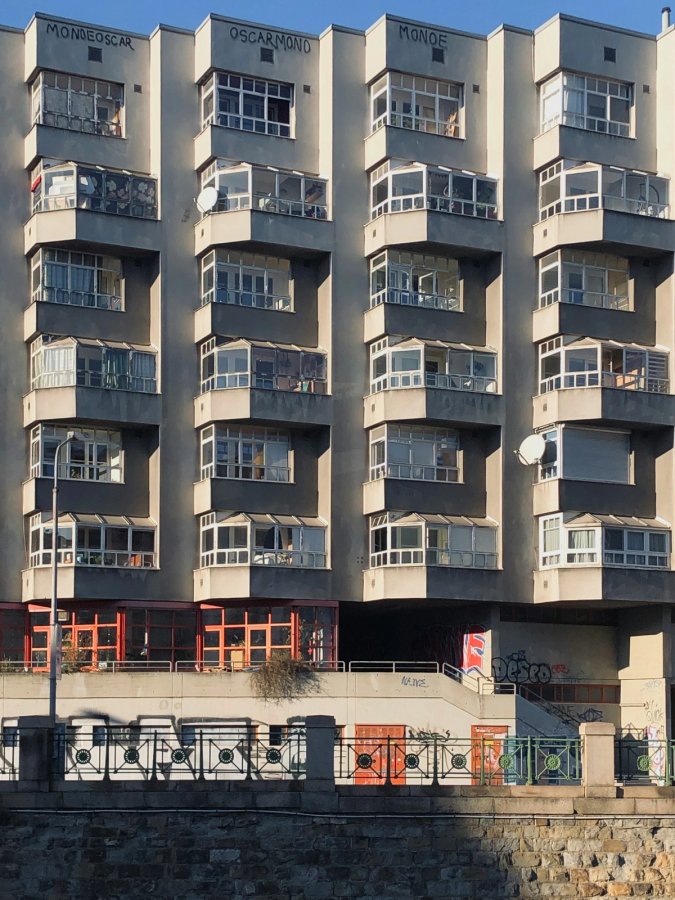
Obviously, as a global advisor in housing, I would like to emphasize that many cities in the world are ambitious in that way, and many are moving toward that direction. The two cities that always come to mind and are always in my heart are Vienna and Singapore. They are winners of many awards in that sense as well. They are some of the places that address housing affordability in the most efficient manner. They stay on course, even though they are not the norm in their context. They keep their direction and allow everybody else to learn from them, even though they are an exception.
.jpg?w=675&q=85&fit=max&auto=format)
Vienna. Images by Arno Senoner (1) and Jacek Dylag (2) on Unsplash
First of all, I think that what we’re all geared up for is decarbonization. We have to decarbonize; we have to make our housing stock, our building stock, emit less into our atmosphere. I believe that is something that realistically can and should happen in the next 10 years.
The other thing is my hope, and that is leaving no citizen without an affordable home. I am not really sure that we will achieve that in the next 10 years, but I think we should redouble our commitment to that goal. Obviously, being able to show that everyone has a home is, in fact, proof of success — it’s a proof of success of our cities and also a proof of success of our economies. ●