
Not Just Sustainable: A Decalogue for Regenerative Urban Tourism
Who has never been — or longed to be — a tourist? In today’s hyperconnected world, where images, destinations and experiences circulate endlessly, the desire to explore new places is nearly universal.
Recognizing this aspiration and the post-war boom of international travel, many cities during the second half of the 20th century strategically embraced tourism as a lever to safeguard cultural heritage, revive declining districts and boost local economies.
Since then, tourism has grown at extraordinary speed. From just 25 million international arrivals in 1950, global mobility is expected to reach 1.8 billion by 2030. Even amid criticism regarding overtourism and its effects on landscapes and social conditions, demand remains strong. People travel for leisure, work, digital nomadism, family, education — and they will continue to do so.
Yet tourism can strain cities when unmanaged: distorting local identity, altering everyday life, intensifying pressure on housing and public spaces, and reshaping urban economies. These tensions make one thing clear: the future of cities and the future of tourism can only progress together. Tourism is not merely an economic sector; it is a cultural and social force that must be deliberately integrated into urban planning if cities aim to preserve both past achievements and future wellbeing.
Guided by this vision, we outline ten principles that can help cities transition toward regenerative urban tourism — tourism that not only reduces harm but actively enhances cultural vitality, strengthens communities, supports ecological processes and enables economies to adapt over time.
1 | Tourism as a Catalyst — Not an End in Itself
The starting point is simple yet fundamental: tourism must serve broader urban goals. It should contribute to local wellbeing, community cohesion and sustainable development — not drive policy single-handedly.
Success, therefore, cannot be measured solely in visitor numbers or revenue. A thriving tourism model is one that reinforces the city’s long-term aspirations: quality of life, cultural vibrancy, environmental resilience and equitable economic opportunity.
2 | Empower Host Communities
Tourism is only sustainable when residents benefit. If it harms access to housing, public services or public space, or undermines environmental and cultural quality, it loses legitimacy.
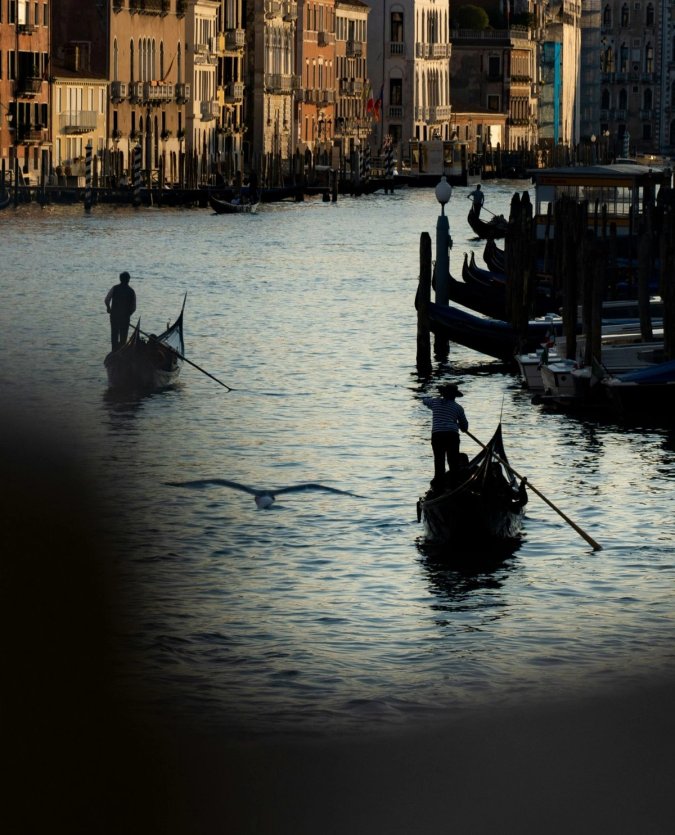
This imbalance is most visible in high-pressure historic centers. In Venice, for example, more than 6 million visitors in 2024 crowded into a city of only 51,000 residents. In Rome’s Trevi Fountain area, Barcelona’s Gothic Quarter or Paris’s Montmartre, visitors vastly outnumber locals at nearly every hour. Smaller towns — from Hallstatt in Austria to Oia in Santorini — feel the pressure even more acutely.
These examples reveal a key truth: sustainable tourism requires understanding cities as complex, heterogeneous systems. Solutions must be tailored at the hyperlocal scale and developed collaboratively with those who live there.
Some cities are already doing this. Barcelona identified eight High-Visitor Areas around emblematic sites such as the Sagrada Família and Park Güell, and co-designed management plans with residents and stakeholders. This targeted approach helps preserve everyday life while improving the visitor experience.
3 | Shape a Clear, Shared Vision
Tourism may add complexity, but cities always retain agency. They can — and must — decide the kind of tourism they want to welcome, the values they want to protect and the impacts they hope to generate.
A shared strategic vision — built with residents, businesses, institutions and civil society — provides coherence and prevents fragmented decision-making. It aligns expectations, clarifies priorities and ensures that tourism supports the city rather than reshaping it by default.
Crafting this vision requires listening first and acting second. Residents are not simply stakeholders; they are the co-authors of the city’s identity and future. A long-term vision rooted in local values allows tourism to evolve sustainably and predictably.
4 | Think Long-Term, Act Strategically
Short-term fixes may relieve pressure temporarily, but they rarely build resilience. With the tourism sector projected to generate $16 trillion globally by 2034 — more than 11% of the world economy — cities cannot afford improvisation.
A strategic approach means:
- Planning infrastructure and mobility with anticipated visitor flows in mind
- Setting measurable, realistic goals
- Evaluating policies continuously
- Aligning public and private actors behind the same long-term objectives
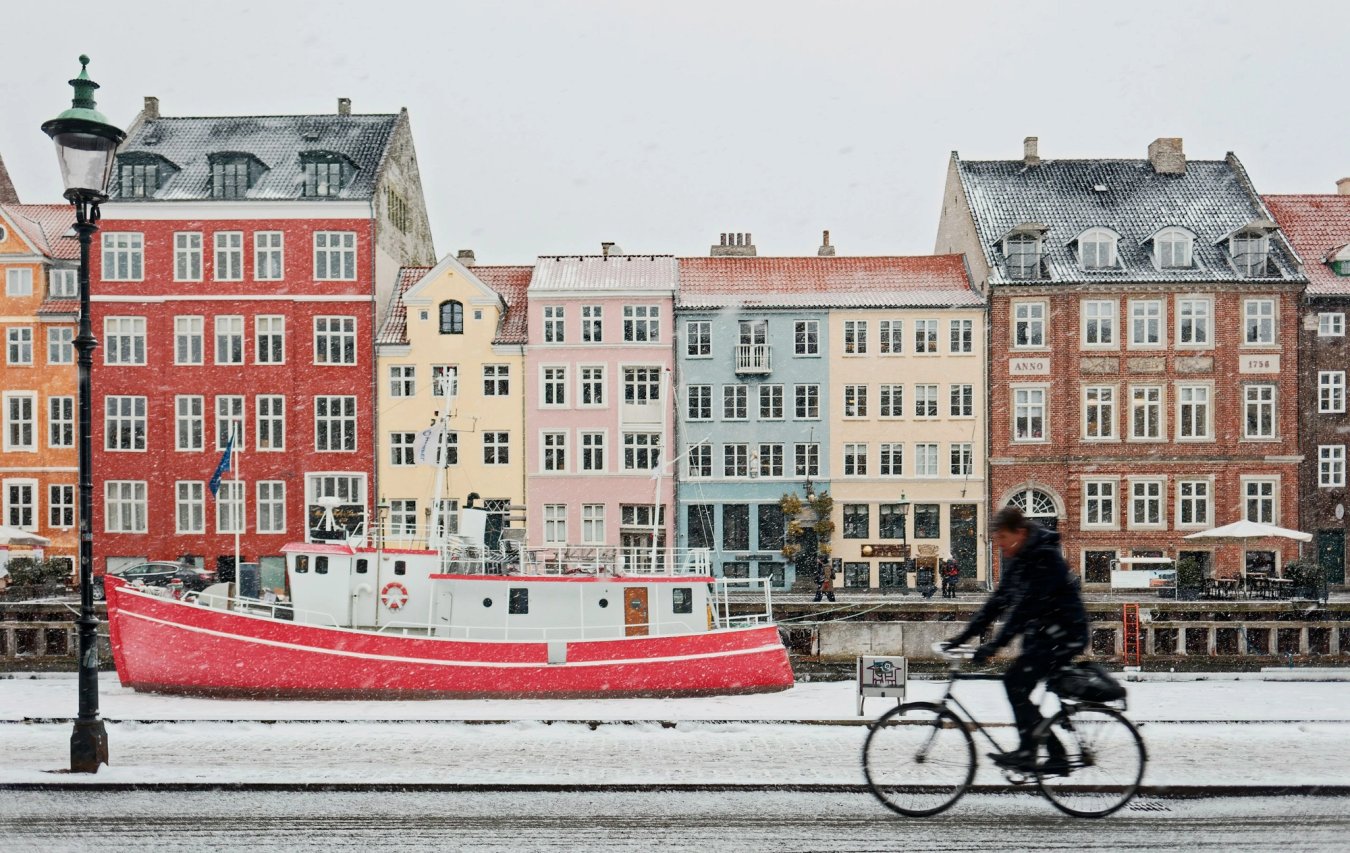
Copenhagen illustrates this holistic commitment. Its tourism strategy is tightly interwoven with its sustainability agenda. Initiatives like CopenPay, which rewards eco-friendly behavior, integrate sustainability into the visitor experience itself. The result is a tourism model that is coherent, behavioral and aligned with the city’s values.
5 | Collaboration Creates Win-Wins
Tourism intersects with housing, mobility, culture, urban planning and local economies — to name just a few. Addressing these interdependencies requires dismantling governance silos. Cities cannot design effective mobility plans without understanding visitor patterns, nor protect housing affordability without accounting for the full spectrum of short-term rentals.
Collaboration enables holistic solutions. A practical example comes from Lloret de Mar, a Mediterranean destination with only 42,000 residents but nearly 1 million annual visitors. By developing a shared municipal data framework, this Catalan city enabled public institutions and private operators to jointly analyze visitor flows, coordinate services and respond more efficiently. Transparency built trust — and trust enabled better outcomes for residents, visitors and businesses.
6 | Innovate — But Ground Decisions in Evidence
Innovation only works when grounded in real data. Digital tools such as urban digital twins, sensor networks or AI-based forecasting platforms can help cities anticipate impacts, manage flows and adapt strategies. But their effectiveness depends on continuous observation.
Tourism observatories — such as those in Barcelona, Lisbon or Paris — exemplify this. By collecting and interpreting data on visitor profiles, movement patterns and socioeconomic impacts, they provide an evidence base for planning, regulation and communication.
If cities want to improve, they must be able to measure change.
7 | Protect Local Specificity — Your City’s Uniqueness
Tourism thrives on uniqueness. But unmanaged tourism can erode precisely what makes a place special. When artisan shops are replaced by souvenir chains, when traditional cafés give way to standardized franchises, or when residential blocks convert entirely to short-term rentals, a city risks becoming a generic backdrop.
Housing markets illustrate this tension vividly. A European Commission study shows that in cities like Paris, Milan and Rome, neighborhoods with high concentrations of tourist rentals experience rising prices, shifting services and increasing displacement risks.
Preserving authenticity, therefore, requires balancing economic opportunity with everyday livability.
Small interventions can also make a big difference. Santiago de Compostela’s preservation of traditional shop signs or Buenos Aires’ legal protection of Bares Notables — historic cafés central to its cultural identity — demonstrate how safeguarding the ordinary can strengthen the extraordinary.
8 | Commit to Environmental Integrity
There can be no sustainable tourism without ecological responsibility. Cities must reduce tourism’s environmental footprint — from water use to mobility emissions — and actively protect local biodiversity.
Measurement is essential. Valencia pioneered a citywide tourism carbon-footprint system, assessing emissions from hotels, transport infrastructure and tourism activities. This allowed the city to become the first globally to certify the carbon footprint of its entire tourism sector.
Environmental stewardship is not optional; it is the backbone of long-term urban and economic resilience.
9 | Act at the Metropolitan Scale to Spread Benefits
Overconcentration is one of urban tourism’s greatest challenges. Spreading visitor flows across both space and time reduces pressure on central districts while distributing opportunities more evenly.
Metropolitan-scale planning can:
- Diversify attractions and activities
- Support local economies outside city centers
- Reduce overcrowding and transport bottlenecks
- Reveal lesser-known destinations to visitors
Barcelona’s 2024 Manifesta 15 festival exemplified this. By extending the cultural program across 11 metropolitan municipalities, organizers reduced congestion in the core city while stimulating regional cultural participation and economic activity. Visitors experienced a richer, more varied territory — and the wider region shared in the benefits.
10 | Build a Shared City Brand That Tells an Authentic Story
Beyond policy and infrastructure, cities must also consider what they project to the world. A city brand is not a logo but a narrative ecosystem: a set of shared meanings, identities and values that shape perceptions and guide behavior.
A strong brand:
- Attracts the right type of tourism
- Builds resident pride and belonging
- Aligns stakeholders around a coherent vision
- Reinforces the city’s strategic objectives
The iconic I Love NY campaign illustrates how a simple, powerful identity can generate global recognition while uniting residents and institutions behind a shared story.
When co-created with local communities, a city brand becomes a collective asset — not just a marketing tool.
In Conclusion: A Regenerative Future for Urban Tourism
Tourism will continue to grow, diversify and reshape cities. The question is not whether cities should engage with tourism, but how. The ten principles outlined here offer a practical way forward: urban tourism that is regenerative, community-centered, ecologically responsible and strategically designed for long-term resilience.
By treating tourism as a catalyst rather than an end, placing residents at the heart of policymaking, collaborating across sectors, embracing evidence-based innovation and protecting local identity, cities can ensure that tourism enriches rather than diminishes urban life. This is not an abstract ideal but a concrete roadmap — one that empowers cities to thrive while offering visitors authentic, meaningful experiences.
Tourism can be a powerful force for good — but only if cities choose to shape it with intention, intelligence and care. ●