.jpeg?w=1425&q=85&fit=max&auto=format)
«Disruption means deciding outside the box»
«Effective communication is essential in promoting sustainable urban futures.»
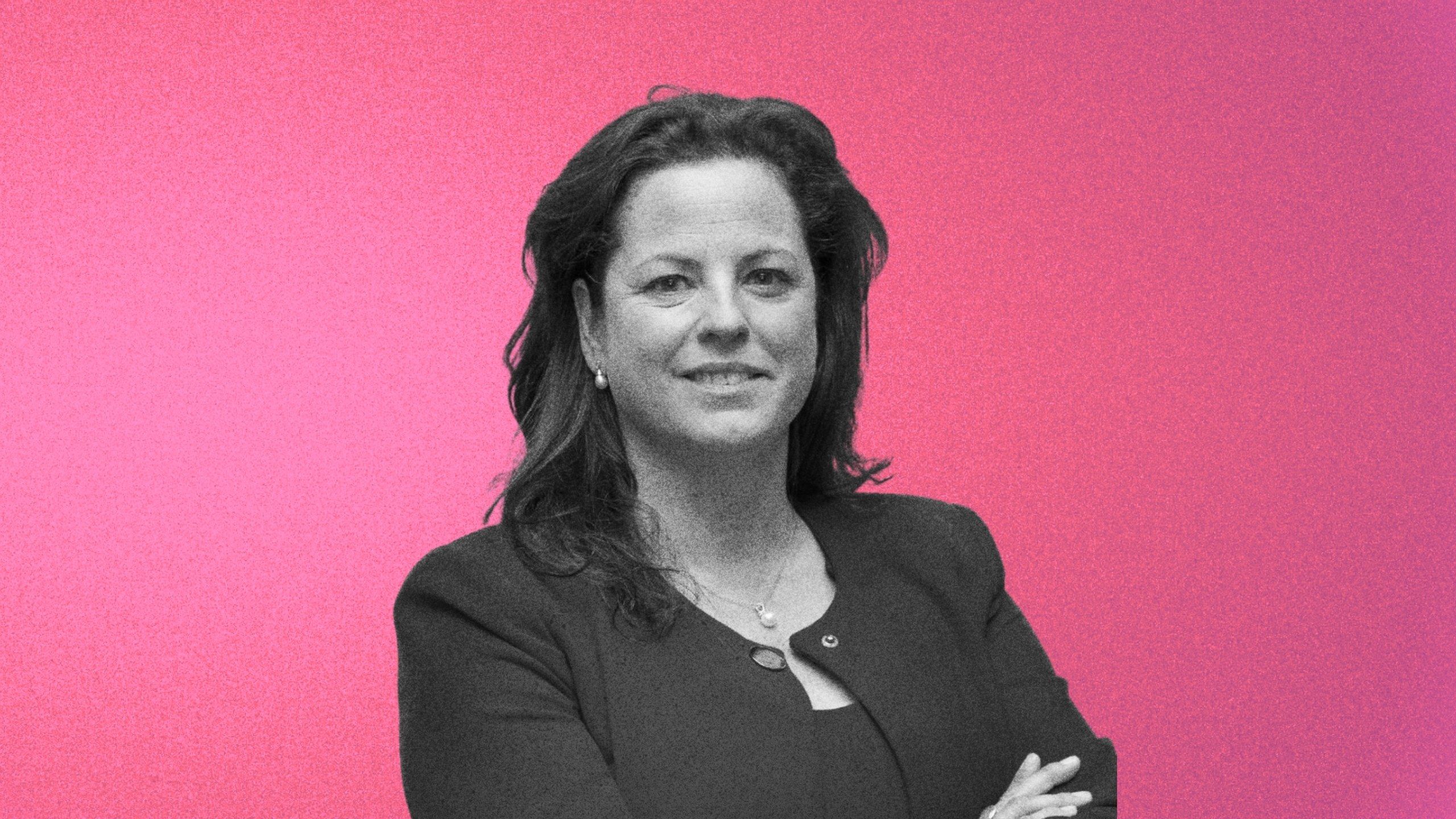
Natalia Olson-Urtecho brings a multidisciplinary perspective spanning technology, policy, and urban strategy. Through her work, she champions a citizen-centered, approach to digital transformation, advocating for bold disruption while underscoring the power of communication in shaping smarter and more inclusive cities.
In this CitiesToBe interview, Natalia reflects on what defines a city today, the challenges of digital transformation, and how strategic disruption, data, and storytelling can help cities turn complexity into opportunity.
A city requires a holistic approach. Whether it’s a megacity like Mexico City, with 24 million inhabitants, or a smaller city of 100,000 people, a city is defined by connectivity, citizen involvement, collaborative systems, and infrastructure—water, parks, public services—all working together. Cities are complex, yet they can be managed simply if we become smarter in how we govern them.

«Disruption means deciding outside the box.» Image by Prometheus on Unsplash
Many cities remain somewhat old-fashioned and struggle to adopt new technologies effectively. Bridging this gap requires investment strategies that enable cities to fulfill their missions by leveraging technology. There is a significant divide that must be addressed.
Disruption means challenging the status quo—doing things that haven’t been done before, even when regulations or opinions say otherwise. Much innovation comes from saying “yes” when others say “no.” Disruption isn’t limited to technology; it can involve civic engagement and social progress, like increasing women’s participation in governance, which has been a historic shift.
Cities differ widely—Barcelona is evolving digitally, Mexico City is focusing on engagement, and smaller cities may prioritize infrastructure like transportation. Technology helps by enhancing communication and providing reliable data, which leads to better policymaking and decision-making. Many cities will develop digital platforms to serve their communities more effectively.
During my time as a zoning commissioner in Philadelphia, I insisted that only green buildings be approved. This upset developers, but it also inspired change. One man shared that his young granddaughter refused to ride in his car unless it was environmentally friendly—showing how communication and storytelling can influence behavior and inspire generations toward better choices. Effective communication is essential in promoting sustainable urban futures. ●