«When you ride a bike, the city opens itself to you»
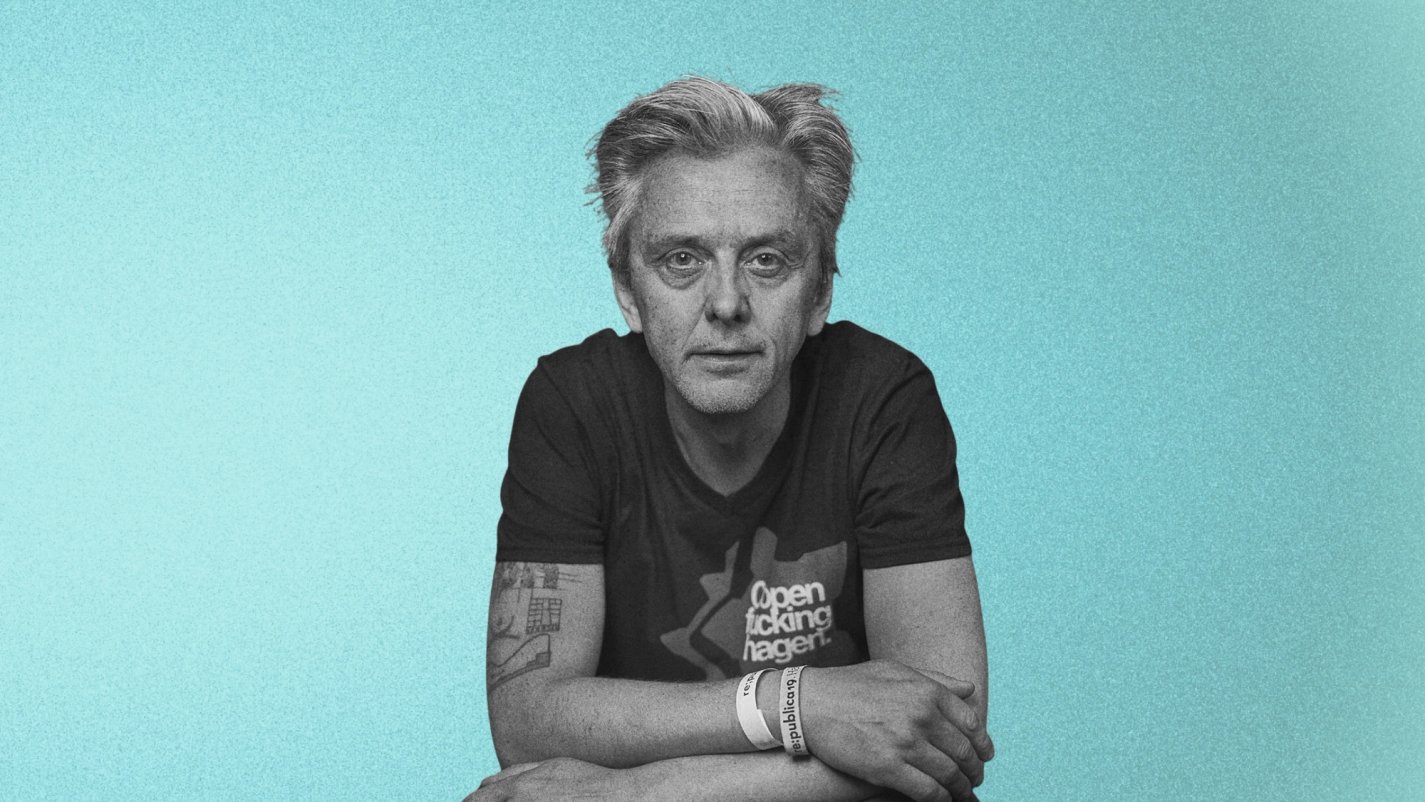
Mikael Colville-Andersen is one of the leading voices in what he calls 'bicycle urbanism'. As former CEO of the Copenhagenize Design Company and CEO of Coolville Design Lab, he has spent years advising cities and governments around the world on how to become more bicycle-friendly.
For Colville-Andersen, integrating bicycles into urban mobility is not a lifestyle choice or a niche environmental policy — it is a matter of design and democracy. If pedestrians have sidewalks and cars have roads, bikes need their own coherent and continuous network. Copenhagen proves that this transformation is possible: today, 62% of its citizens cycle to work. But it was not always this way.
From Seville to Buenos Aires and Detroit, cities are now reclaiming space for cycling. And when it comes to Barcelona, Colville-Andersen has a clear reference in mind: Ildefons Cerdà. What would the urban planner think if he saw what happened to the streets he designed?
In my years of experience, I have specialized in helping cities and governments around the world become more bicycle-friendly. I call it bicycle urbanism — putting bicycles back into our cities as a means of transport.
A bicycle is really just a fast-moving pedestrian. When you ride a bike, the city opens itself to you. You experience the weather. You notice the details — the clock towers, the buildings, the people around you. Even in rush hour, like in Copenhagen, you can smell people’s perfume or shampoo, look at their shoes, observe each other.
It is probably the most anthropologically correct form of transport we have ever invented for cities.
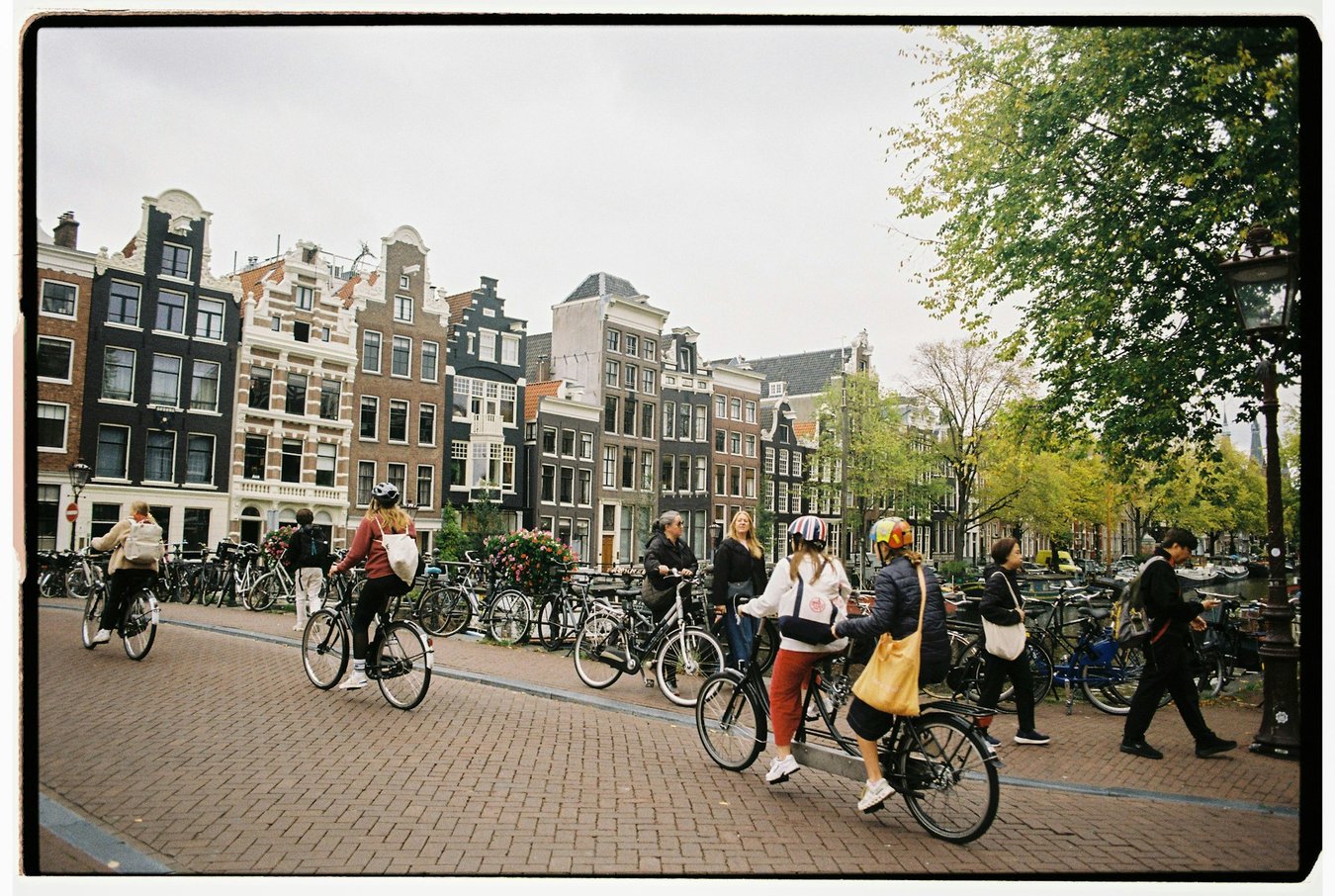
Image by Lawrence Krowdeed on Unsplash
Pedestrians know where they should go — they have sidewalks. Cars have their own space, buses have theirs. So we need to create space for cycling.
This has happened in Copenhagen. It has happened in Amsterdam. And it is happening around the world. It is a global movement, and it is a fascinating time in urbanism.
But we have to understand something very clearly: you do not mix bicycles with pedestrians, and you do not mix bicycles with cars. Bicycles need their own space, and they need it in a complete network that makes sense.
When I walk around Barcelona, I know where to go because sidewalks are everywhere. If I am driving, I know where to go because roads are everywhere. We need the same logic for bikes — not on every fourth street, but wherever it makes sense and wherever people are moving in the city.
Creating that space is the first step.
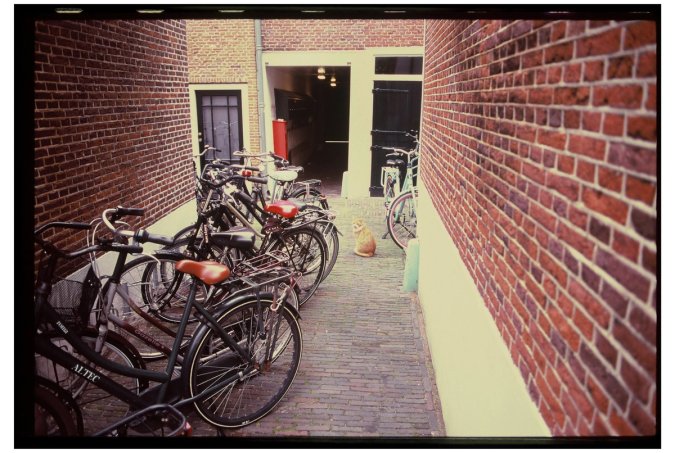
Image by Lawrence Krowdeed on Unsplash
In Copenhagen and Amsterdam, you have your own space. If you ride on the sidewalk in Copenhagen, pedestrians will shout at you. If a pedestrian walks on the bike lane, cyclists will shout at them. Cars know where they are supposed to be. At intersections, everyone mixes briefly, and then they return to their respective spaces.
It is simply good design.
This is not traffic engineering — that approach has failed miserably for seventy years. It is about thinking about our cities from a design perspective. If we designed our streets instead of engineered them, we would be decades ahead of where we are now.
Taking back the streets in a democratic way for transport is absolutely possible. Copenhagen did it.
In the 1950s and 1960s, we had so many cars that we almost killed our bicycle culture. We were like an American city in the late 1960s — very few people were riding bikes. We had nearly destroyed it.
Then, in the 1970s and 1980s, and especially in the 1990s, we rebuilt it. We said: stop, this is stupid. Let’s go back to where we were before. And we did.
Now other cities are doing the same. Seville is doing it. Buenos Aires is doing it. Our biggest client at the moment is Detroit. We recently designed their entire bicycle infrastructure network based on best practices.
Everybody wants to do this.
.jpg?w=1350&q=85&fit=max&auto=format)
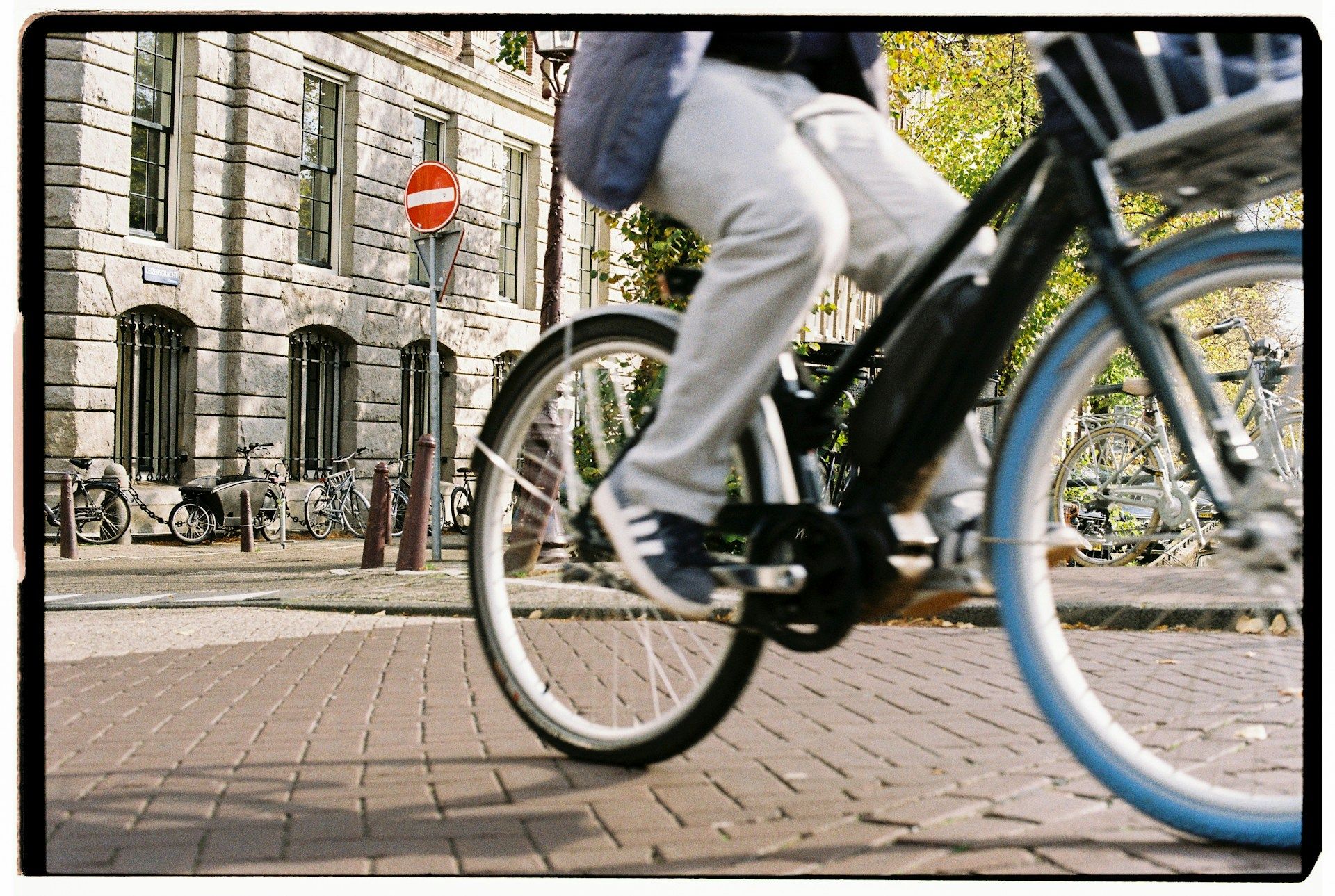
Image by Lawrence Krowdeed on Unsplash
Cerdà, who designed Barcelona’s layout, did not imagine cars filling every corner of the city. If he could see what we have done to his beautifully designed streets, he would roll over in his grave.
We need what I call 'New Cerdaism.' That means taking the Barcelona we know — the layout Cerdà built — and taking it back to what he intended. And that was not filling every street with cars or trying to find parking everywhere.
We need to reclaim that vision.
Streetfilms.org is an excellent resource. For more than ten years, they have been producing short, internet-friendly videos about what is happening in cities around the world in terms of urbanism.
There is a lot about cycling, but also about pedestrian projects and broader urban transformations. It is probably one of the best resources on urbanism available online. ●