«Public space has to enable the idea of community»
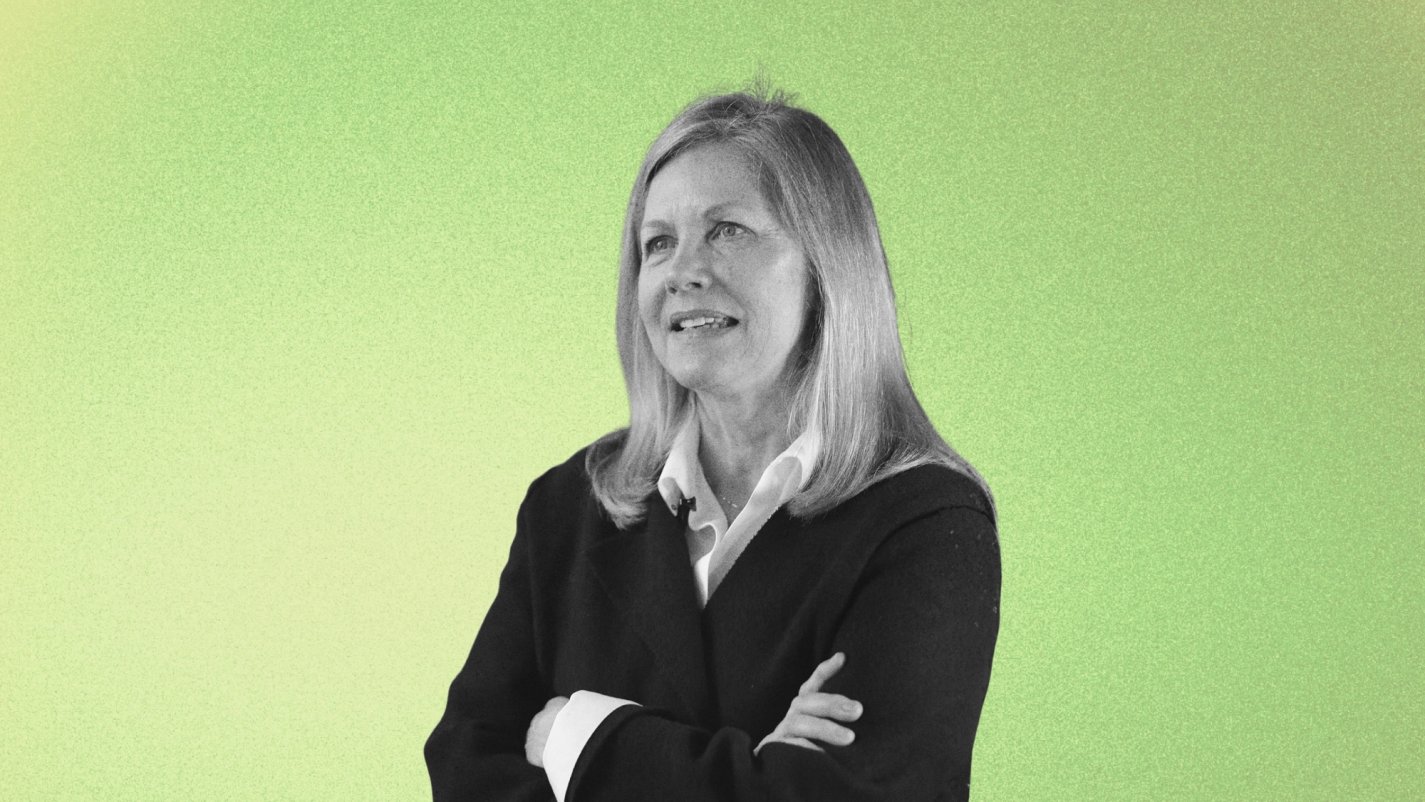
«Cities are the physical space that can bring us together and allow us to appreciate our diversity.» This is the vision of Martha Thorne, architectural academic and former Executive Director of the Pritzker Architecture Prize, when reflecting on the role of cities in shaping society. Throughout her career, Thorne has championed the idea that architecture and urban design must serve broader human needs — sustainability, inclusivity, and adaptability.
In this CitiesToBe interview, we talk with Martha Thorne about the evolving role of architecture in the face of global challenges, how infrastructure must be reimagined as part of the urban fabric, and why public space must become a flexible, communal platform in tomorrow’s cities.
I think cities are facing many challenges. Specifically in architecture, there’s a kind of dichotomy between civic or iconic buildings and what you might call background buildings. Our cities aren’t always shaped by the architects commissioned for landmark projects. There are many other agents involved — private developers, the public sector, and sometimes old, abandoned buildings. So, there are many aspects of architecture that contribute to the city, and each requires a different approach.
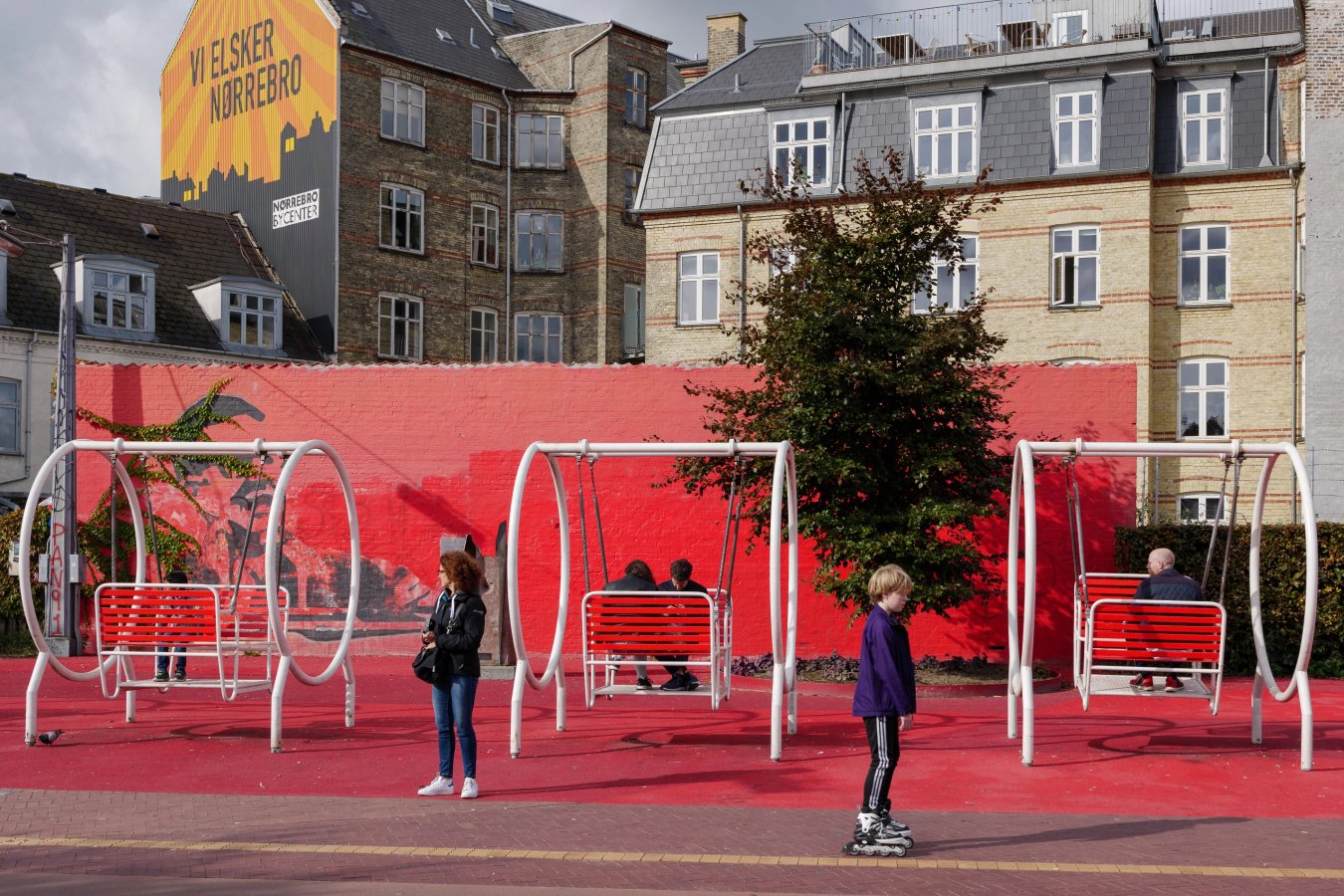
Image by Peeradontax on Shutterstock
Another important aspect of cities and the built environment is that infrastructure is increasingly shaping our urban spaces. Infrastructure — whether roads, public transportation, recycling systems, or energy networks — all have a huge impact on cities.
In the past, infrastructure was often invisible, but in the future, we’ll see it more and more. As technology advances, this visibility will only increase. There can sometimes be friction between infrastructure and architecture, but my hope is that we come to see infrastructure as part of the same continuum, treating it as an essential part of the city’s fabric.
Absolutely. Architecture can be a fantastic tool for sustainability — and it must be. Global warming cannot be addressed effectively unless architecture itself is sustainable.
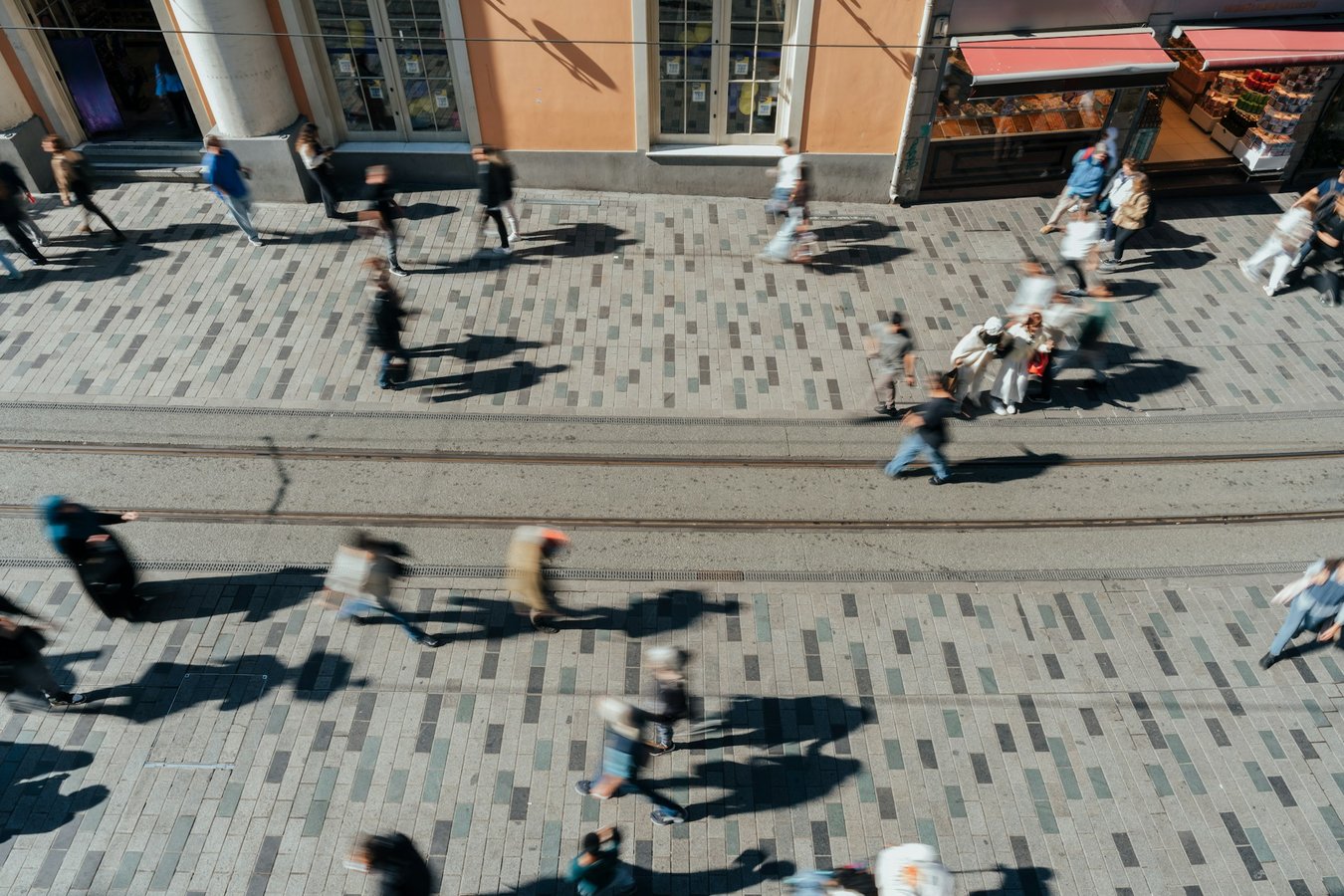
Image by Yunus Tuğ on Usnplash
Regarding the Pritzker Prize, I see an evolution in its focus. When it started over 40 years ago, many winning works were iconic buildings. But more recently — take Glenn Murcutt in 2004, for example — sustainability has become a key value. The same goes for Frei Otto and his philosophy of “touching the earth lightly.”
We can also look at Alejandro Aravena, with his “half a house” concept and the social role of architecture, which clearly includes a sustainability component. This might be community sustainability, cultural sustainability, or architecture for disaster relief. I think the architects selected today by the jury all embody this sustainability dimension. The discussion about what sustainability means and how it can be expanded is ongoing, and I’m hopeful it will become even more relevant in the future.
What we’re seeing in terms of space is more hybridization. We no longer have just office buildings, schools, or houses — many activities now happen in the same place.
When thinking about public space, we have to remember that it must accommodate many types of behaviors and welcome diverse publics. We can’t design public space as just a playground for children, a resting area, or an activity zone. Instead, it should allow for multiple, compatible activities close to each other — activities that can change throughout the day.
Perhaps the most important quality is the freedom to choose. We can’t control how people behave; instead, we need to enable them and foster a sense of community. We can’t predict exactly what the future will bring, but having natural, open spaces in a city can certainly make it more humane — and hopefully, make people happier. ●