«Scientists and city planners cannot stay siloed»
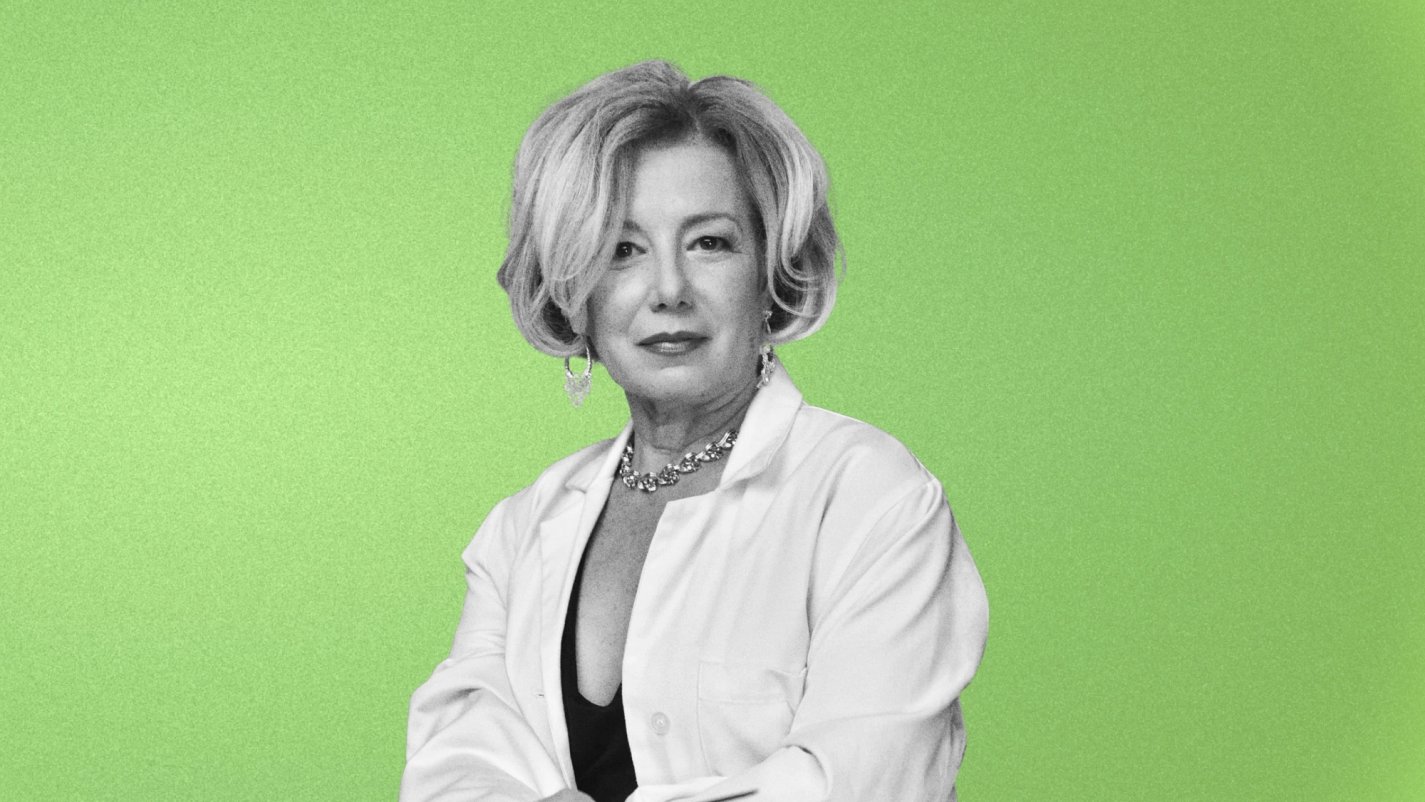
«My name is Laura Tenenbaum, and I would like cities to be clean, inclusive, and beautiful.»
A science communicator and expert in climate change, Tenenbaum advocates for stronger connections between research, policy, and citizen engagement to confront the environmental pressures cities are already facing. Her work focuses on translating complex science into public dialogue and action, particularly in urban contexts.
In this interview, she reflects on the climate-related threats confronting cities today, the importance of scientific dialogue in policymaking, and her vision for an urban future free from fossil fuels.
Sea level rise is one of the most important things affecting coastal cities—low-lying ones in particular. So everywhere from New Orleans to Venice—but it’s not just those two. So many cities that are coastal are facing the impacts of sea level rise now. We’re not even waiting—it’s already happening.
Cities are also facing heat waves, because they have what's called the urban heat island effect. There's a lot of asphalt and pavement in cities, and that tends to be black, which absorbs heat more. So cities tend to be hotter. Add that to increased global temperatures, increased daytime temperatures, increased nighttime temperatures, and heat waves—and cities are really feeling the pressure.
You also have water shortages. More people live in cities, more people use water. I’m from Southern California, and we are experiencing a drought and water shortages even without climate change. And then climate change exacerbates that.
Another huge challenge is energy—where are we getting our energy from? Are we still burning fossil fuels? Many cities are still powered by natural gas plants. I think Barcelona is one of them, as is my hometown. So the challenge is: How do we move away from that and toward renewable energy—wind, solar, hydroelectric?
Climate change is the perfect opportunity for researchers and city planners to interact.
Scientists need to find better ways to communicate with the people who are actually able to do something about it—city planners, policymakers, city staff. And those city planners need to listen to the research community. It's a dialogue.
I’ve been to several conferences where this kind of interaction is fostered, and I think this one here is a great example. We cannot stay siloed in our separate worlds—we have to come together. The more conferences and workshops that are designed to facilitate this kind of collaboration, the better the results will be.
.jpg?w=1350&q=85&fit=max&auto=format)
Image by Chris Czermak on Unsplash
With most scientific discoveries, when science tries to communicate with the public, people usually start with a blank slate. But climate change is the exception. Everybody’s already heard about it. It’s already politicized.
People come into the conversation with their minds already made up. That’s a huge challenge for science communicators.
There’s been a massive disinformation campaign led by moneyed interests—those who make a lot of money from selling fossil fuels and the industries tied to them. And that campaign has been wildly successful in confusing people and slowing down action.
It makes me angry. It makes me sad. It’s done a disservice to humanity and to the environment as a whole.
By 2030, I’d like to see no more combustion engine cars—maybe they’ll exist in a museum or something, but we’ll be completely moved on to electric vehicles. That shift should already be done.
But the bigger challenge is power plants. A car lasts maybe a decade. A power plant? Fifty years. So I’d like to see an electrified city—completely powered by renewable energy—but we have to make sure we’re not rebuilding or repowering fossil fuel plants in the process.
We need to make that shift on both fronts—transportation and energy—if we want to build a truly sustainable urban future. ●