«Smart cities differ from one continent to another»
Talking about Smart Cities is not talking about a homogeneous or univocal term. There is a global consensus that Smart Cities are those that seek to improve people’s lives and the management of services through —mainly— strategic planning, innovation and technological solutions. However, the Smart City, far from being a replicable model from city to city, is an approach that is projected with different nuances and focuses around the world.
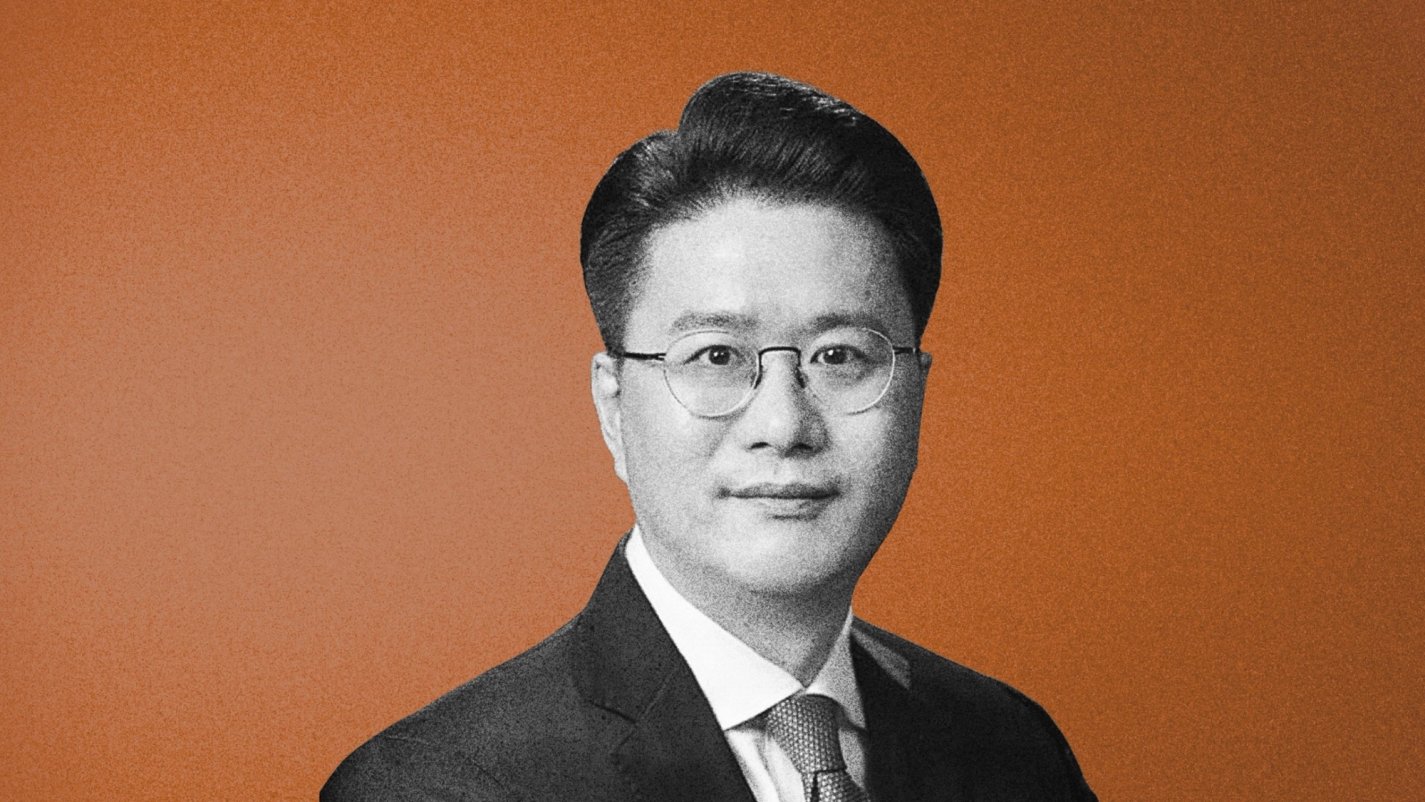
Professor Jung-hoon Lee leads the Smart Cities Index Report, an initiative promoted by the University of Cambridge (United Kingdom) and Yonsei University (Republic of Korea) that has analyzed, in its 2022 edition, 31 leading cities from all over the world and its level of development in Smart City terms. He shares with us his insights on the evolving nature of smart cities globally, highlighting key trends, geographical differences, and the transformative potential of emerging technologies in urban environments.
I think the general concept of a smart city involves using ICT technologies to improve citizens’ quality of life, while also making cities more productive and sustainable. From my perspective, however, I’ve been working on smart cities more as regional innovation platforms—focusing on creating new economic opportunities and enhancing quality of life.

Image by Christopher Lee on Unsplash
In the 2022 Smart Cities Index Report, we surveyed 31 cities, examining various policies, services, infrastructure, and innovative projects. From this, we identified three key trends.
The first is inclusivity. In the wake of the pandemic, more cities are rethinking and reformulating their strategies to close the digital divide by improving accessibility and providing better services for socially vulnerable groups. There are growing efforts to ensure no one is left behind in this transformation.
The second trend is intelligence. Cities are becoming more intelligent by adopting technologies from the Fourth Industrial Revolution, especially artificial intelligence. AI is now being applied across multiple sectors, not just isolated ones, and its growth—particularly during the pandemic—has exceeded expectations.
The third trend is integration. Data is increasingly becoming a core driver of innovation in smart cities. Cities that take a comprehensive, integrated approach to urban data management are leading the way in smart city development. In contrast, those with a fragmented, piecemeal approach risk falling behind, widening the gap between cities.
These are the patterns we observed in our research.
I think it starts with Europe, where the focus is more on smart and sustainable cities. They place greater emphasis on sustainability, net-zero concepts, and take a bottom-up approach—highlighting citizen engagement and the use of living labs.
In Asia, in countries like Korea, Japan, and China, the emphasis is more on infrastructure. For example, they are investing heavily in urban transportation systems and tend to adopt a top-down approach to policymaking and technology implementation.
In the United States and North America, the focus is on data-driven initiatives—exploring how data can be leveraged to build new ecosystems. There's a strong emphasis on developing innovative business models and integrating them into urban environments.
Each of these regions takes a distinct approach, which makes it fascinating to see how they might learn from one another and create synergies. It will be very interesting to watch how this evolves in the future.

Image by Gianpaolo La Paglia on Unsplash
I would say that Amsterdam is a particularly interesting city to observe. They are positioning themselves as a leader in the circular economy and are steadily becoming more sustainable. In our study, we found that a significant portion of their services is related to energy and the environment—showing a stronger focus on sustainability compared to other cities. In fact, over 50 percent of their initiatives are centered on sustainable development, clearly indicating the direction they’re heading.
The second city I would highlight is Seoul — and its Metropolitan Government. They’ve been experimenting with a wide range of initiatives, especially in breaking down silos by integrating data. For example, during the COVID-19 pandemic, they developed a system to trace the movements of infected individuals and sent warning messages to people who had been in the same locations, advising them to seek medical attention. This kind of real-time tracking had never been done before, and breaking those institutional barriers was a major achievement.
Another fascinating development in Seoul is its work with the metaverse. The metaverse is becoming an increasingly relevant concept in the smart city context, and Seoul has been recognized as one of Time’s Best Inventions of 2022 for its efforts. The idea of creating a metaverse public square is especially compelling, and I find that approach both innovative and exciting.
First, based on our index report, one major future trend is the transformation of transportation. The concept of universal mobility is expected to grow, alongside the rise of micro-mobility options like e-scooters and other multimodal services. These will increasingly integrate with public transportation to form a seamless, comprehensive system. In addition, urban air mobility will emerge as a new mode of transport, offering citizens faster and more flexible commuting options.
Second, the way we collaborate is set to change through what we call "meta and twin transformations." This is a particularly fascinating shift. Since the pandemic, entering virtual spaces via the metaverse is no longer seen as separate from the physical world—the two can now complement and enhance one another. Work environments are evolving, and the younger generation is already experiencing this shift in schools. They are comfortable with virtual collaboration, which points to the future of how we will work. Personally, I’m still adapting to it, but it’s clearly on the rise and will likely spread throughout the urban sector.
Lastly, the creation of new value chains will be a particularly exciting development. Traditional value chains are being disrupted, and entirely new ones are beginning to emerge—especially in the mobility sector. It will be fascinating to see how business models evolve to support smart and sustainable cities. One compelling example is the concept of city logging, where urban facilities and infrastructure are used to sense, record, and visualize data within digital twin or metaverse environments. This area is poised to become one of the fastest-growing sectors, and it's clear that citizens will be among the primary beneficiaries of these innovations. ●