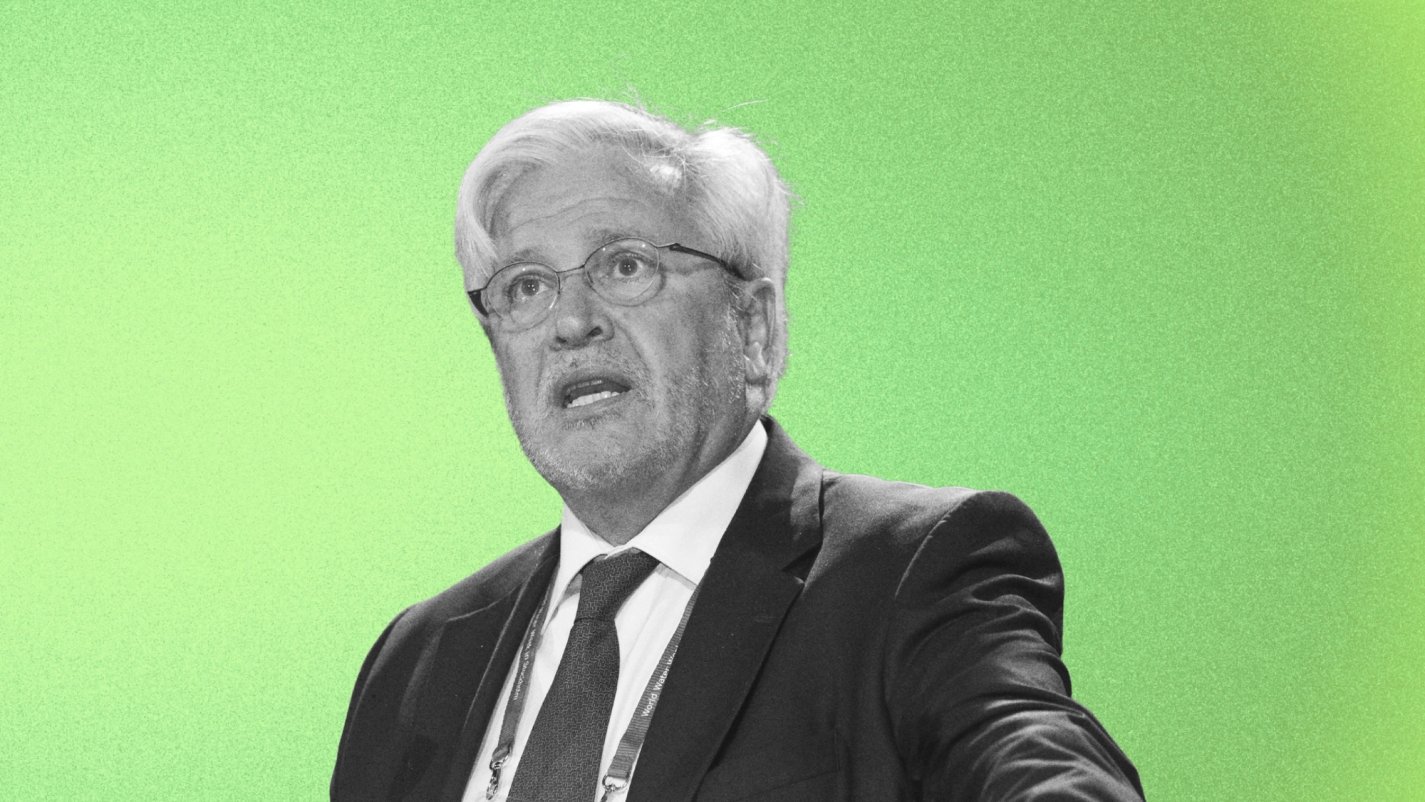
«Good urbanization requires a collective effort»
Cities, if planned and managed well, can become one of the most powerful tools for sustainable development. They hold the potential to address many of the challenges our planet faces today — from inequality to climate change.
Coinciding with the first anniversary of the adoption of the New Urban Agenda in Quito, the outcome document of the Habitat III conference, we spoke with Joan Clos, Executive Director of UN-Habitat. In this conversation, he reflects on the key priorities identified in the Agenda: the renewed role of central governments, the relationship between urbanization and development, and the critical link between urbanization and climate change.
Urbanization is a complex phenomenon. Yet, as Clos argues, when managed professionally and collectively, it can change the destiny of millions of people — and of the planet itself.
As we measure what is happening in urbanization today, we detect quite a number of issues that can be improved. That is perhaps the most relevant lesson we can draw from the Habitat III process, which took three years of preparation and involved extensive new research.
We tried to approach urbanization with facts and figures — not only with opinions or wishes. Once you measure urbanization properly, you realize there are many questions that require urgent intervention.
The New Urban Agenda has put several important issues on the table to engage a new global conversation about urbanization.
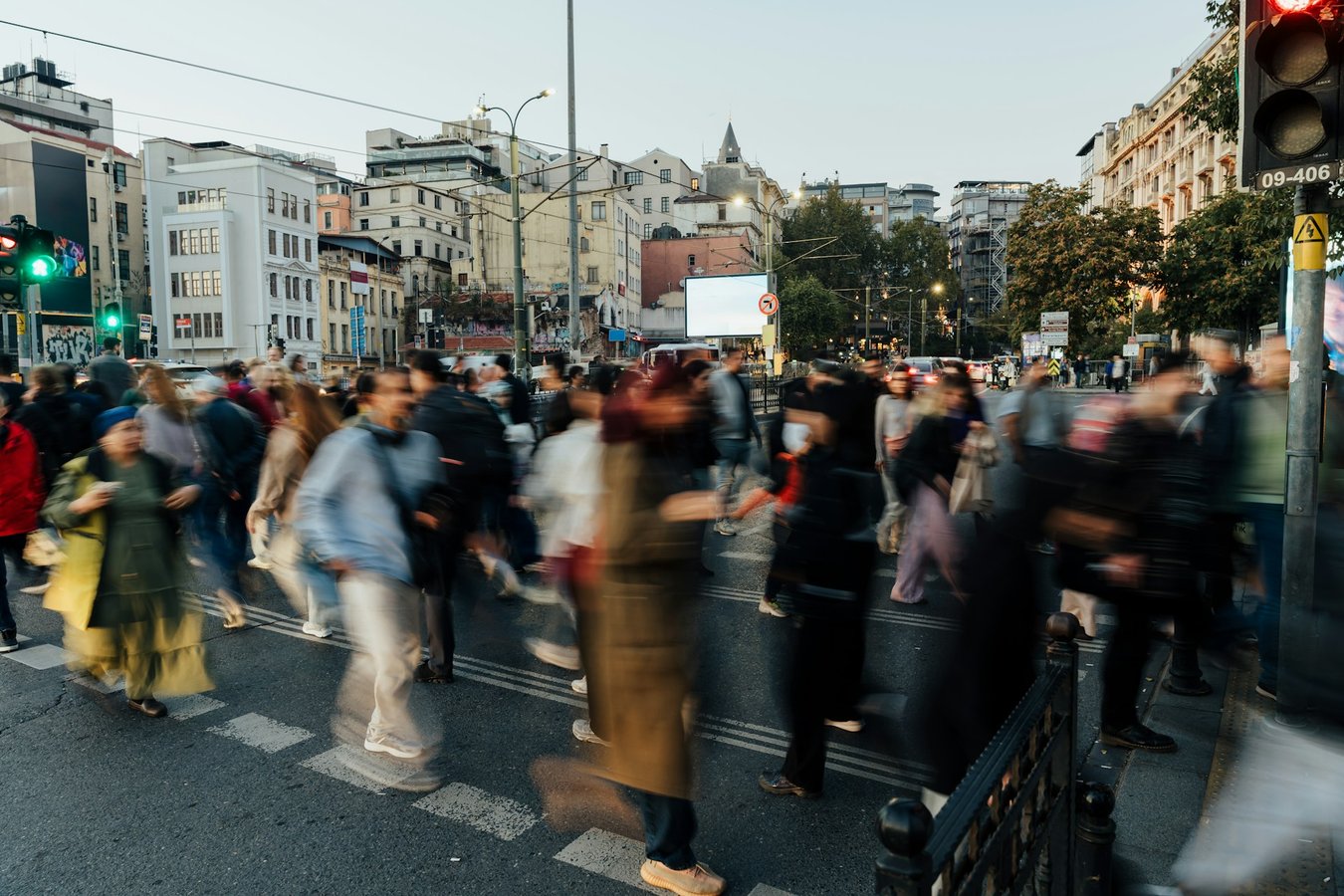
Image by Yunus Tuğ on Unsplash
I would synthesize them into three major questions.
First, there is the renewed role of central government — the state — in the quality of urbanization. Of course, local governments are very important, and their quality is determinant for good outcomes. But we need to rethink, in a new way, what the role of the state is in shaping the quality of urbanization. It is an important one.
Second, there is the question of the contribution of urbanization to development. From an academic point of view, this is not entirely clear. There are many scattered ideas, and it has become common sense to say that urbanization naturally contributes to development.
However, this topic requires a second reading — a more in-depth analysis of what urbanization actually provides and how it increases the chances of development, especially in countries where development is most needed and which, at the same time, are urbanizing the fastest.
This represents a new opportunity to link urbanization and development in a more structured and evidence-based manner.
Indeed, the third major topic is climate change and the contribution of urbanization to it, which is very significant. Between 70% and 80% of greenhouse gas emissions are related to urbanization.
Urbanization is therefore extremely linked to climate change — not only because of emissions, but also because urban areas are highly exposed to its effects. A very large proportion of the world’s urban population lives along coastlines, for example.
This is clearly a matter that requires the attention of all stakeholders. The New Urban Agenda calls on everyone to address these challenges collectively.
Good urbanization requires a collective effort. It requires consensus and a shared understanding of what we are talking about.
Sometimes this need to engage with complexity clashes with modern life, which tends to look for easy solutions — silver bullets or ideas that appear to solve everything at once. Unfortunately, urbanization lies firmly in the realm of complex topics.
But there is good news. If urbanization is dealt with professionally and competently, it can change the destiny of millions of people — and of planet Earth. ●