.jpeg?w=1425&q=85&fit=max&auto=format)
«Urban innovation takes imagination and political courage»
«I would like our streets to be safe, accessible, sustainable, and lively places for people»
This is the urban vision of Janette Sadik-Khan, one of the world’s leading voices on sustainable transportation and urban transformation. As former Commissioner of the New York City Department of Transportation and a principal at Bloomberg Associates, she has been at the forefront of reshaping how cities around the world think about their streets—not as conduits for cars, but as public spaces that put people first.
In this CitiesToBe interview, Sadik-Khan reflects on the untapped potential of our urban streetscapes, the power of simple low-cost interventions, and why a shift in mindset—more than any new technology—will ultimately shape the cities of tomorrow.
When you think about it, our streets have looked the same for decades. So many things have changed in our cities—new people have arrived, new technologies have emerged, new industries have developed—but our streets have remained exactly the same.
We need to bring new imagination to what is possible on our streets. What’s been hidden in plain sight is the potential between those lanes of traffic. We’ve forgotten that streets can be more than just ways to move people from point A to point B. Streets can be lively places—places that make it easy for people to walk, bike, and take the bus quickly and accessibly. That is the future, and that’s the power of what we can do when we think of streets as more than just spaces for cars.
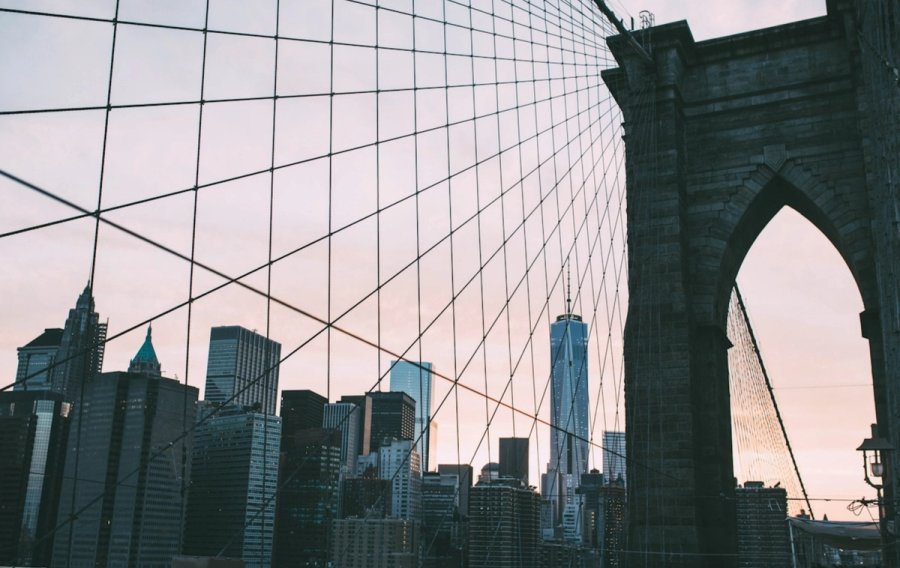
Image by Allie Lehman on Death to Stock
You know, it doesn’t have to take a lot of time or money. You can use paint, planters, or rocks from old projects to outline the kind of city you want to see. It really just takes some imagination and political courage to try. You can literally show the potential of your street just by painting the outline of what you envision.
Technology has a huge role in our future, but the way it’s often discussed isn’t necessarily how we need to think about the transformation we want to see on our streets.
When you talk about autonomous cars, Uber, electric vehicles, or shared mobility, a car is still a car. It takes up the same amount of space on the street, right? So we’re not just trying to replace the types of cars we have—we’re trying to make our streets better for people.
That’s what we’re aiming for: not just more cars on the street, but easier ways for people to get around. We’re declaring a kind of transportation independence for our streets that gives people choices in how they move—healthily, safely, accessibly, and affordably. That’s the secret sauce for the cities of the future. ●