
By and for Communities: 10 Projects Making Daily City Life Better Around the World
By and for Communities: 10 Projects Making Daily City Life Better Around the World
“What is the city but the people?” asked Coriolanus in Shakespeare’s tragedy. And what are a city’s challenges, if not the challenges of its people? It’s a question that still resonates four centuries later. At its core, urban innovation is about responding to the everyday issues faced by those who inhabit cities—not with abstract solutions, but with ideas grounded in real needs and lived experiences.
In our work curating urban innovation conferences, supporting global awards, and advising cities around the world, we’ve consistently encountered projects that put this people-first vision into practice. They respond to specific urban challenges and the needs of citizens—from mobility to housing, from waste collection to emergency alerts—and, at the end of the day, enhance neighborhoods and promote better city life in tangible, everyday ways.
This article spotlights ten of them — initiatives that use innovation — tech-driven or not — not as a trend or buzzword, but as a meaningful tool, adapted to the unique contexts of each city and its communities. Each project is innovative in how it reimagines a specific aspect of urban life and impactful in the real, tangible difference it’s already making in people’s lives.
1 | Get Online London Ecosystem — London, UK
- Innovative because...
It created the UK’s first city-wide sustainable digital inclusion ecosystem. - Impactful for...
Reconnecting excluded residents to opportunity, services, and civic life.
The Get Online London platform goes beyond mobile phone donations — it combines refurbishment, connectivity, and local support networks to close the digital divide. The program partners with public, private, and civil society organizations to support those most at risk of digital exclusion, from older adults to job seekers. It is on track to reach 75,000 Londoners while avoiding nearly 3 million kg of CO₂ through tech reuse.
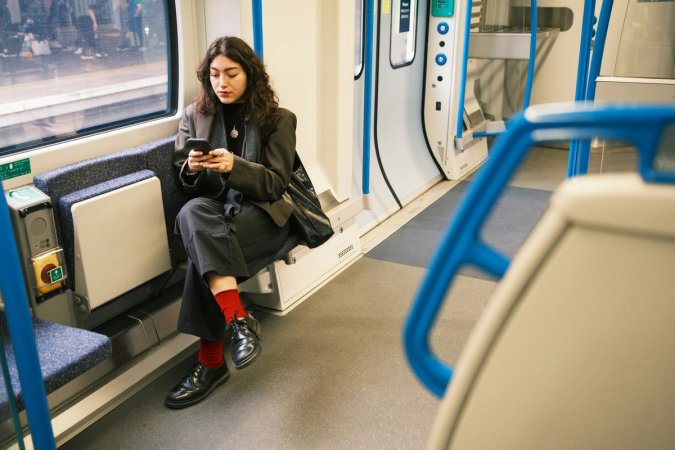
Image by Felipe Ditadi on Unsplash
2 | Digaê! Civic Media Project — Maceió, BR
- Innovative because...
It empowered favela youth to become civic storytellers and media-makers. - Impactful for...
Reclaiming public narratives and influencing urban policy through lived experience.
Digaê! trains young people in grotas — informal hillside communities — to produce videos, podcasts, and social media that reflect their realities. These youth now directly engage with decision-makers and help shape the local development agenda. The project bridges the gap between communities and institutions, using storytelling as a tool for democratic participation.

Image by Daniel Ferro on Unsplash
3 | Youth Participatory Budgeting — Brno, CZ
- Innovative because...
It puts participatory democracy into practice in schools. - Impactful for...
Creating a generation of students who learn civic skills by doing.
Brno’s youth participatory budgeting program involves students in secondary schools across the region. They propose and vote on real-life projects — from mental health rooms to outdoor study spaces — with guidance from municipal staff. It’s now one of the largest youth PB initiatives in Europe, building habits of collaboration, leadership and accountability from a young age.

Image by Denis Kvarda on Shutterstock
4 | HousingNowTO Transparency Platform — Toronto, CA
- Innovative because...
Iit turned housing data into public infrastructure. - Impactful for...
Holding the city accountable and empowering citizen advocacy.
HousingNowTO is a volunteer-driven platform that visualizes the progress of affordable housing developments in real time. Originally created by a group of civic technologists and planners, it helps residents, journalists, and advocates track timelines, affordability targets, and community consultations — creating pressure for action and transparency.
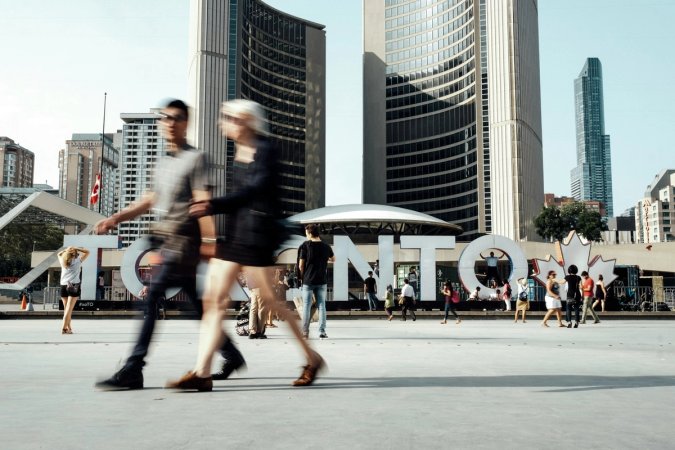
Image by Dan Newman on Unsplash
5 | Weyonje Sanitation Alert System — Kampala, UG
- Innovative because...
It uses mobile reporting to make sanitation services responsive. - Impactful for...
Reaching underserved residents with safer, more efficient waste collection.
Weyonje is a digital tool that lets residents of Ugandan capital flag when pit latrines need emptying, connecting them to certified service providers. Even without smartphones, residents can report through local health workers and community reps. It enables data-driven sanitation planning and has already improved services for tens of thousands in informal settlements.
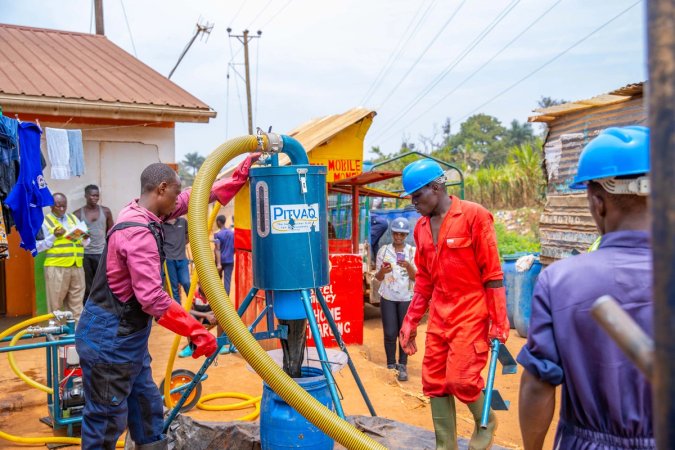
Image by Weyonje Campaign on X
6 | Dengue Early Warning System — Cauayan City, PH
- Innovative because...
It uses IoT technology and community engagement to predict dengue outbreaks. - Impactful for...
Enabling early, localized responses to a major public health threat in vulnerable communities.
Cauayan City’s system integrates image-based Ovicidal/Larvicidal traps and an online platform to detect Aedes aegypti eggs, the vector of dengue fever. The device records egg counts, forecasts potential outbreaks, and alerts communities to take preventive action. While still at pilot stage (tested in three communities), it aims to fill a national gap in early warning infrastructure. It’s a promising example of citizen co-creation and localized tech for health resilience, and was selected as finalist for Bloomberg Philanthropies' Global Mayors Challenge 2025.

Image by Muhammad Mahdi Karim on Wikimedia Commons
7 | Active Travel Dashboard — Dublin, IE
- Innovative because...
It centralizes diverse mobility data into a publicly accessible tool. - Impactful for...
Making cycling and walking patterns visible to planners, residents and advocates alike.
The Dublin Active Travel Dashboard brings together census data, Google mobility data, and physical sensors into an interactive map. Developed collaboratively with universities, transport agencies, and city departments, it allows users to overlay active travel infrastructure and assess its effectiveness using metrics like CO₂ savings and avoided deaths. Fully replicable, the platform sets a new standard for how cities measure and promote active mobility.
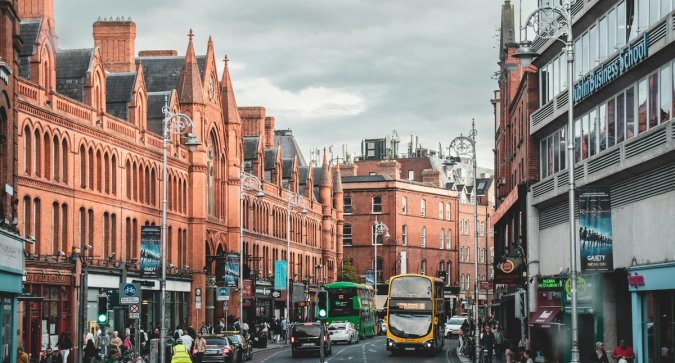
Image by Nir Himi on Unsplash
8 | Dongdaemun Digital Market — Seoul, KR
- Innovative because...
It blends smart city tech with hyper-local urban regeneration. - Impactful for...
Improving safety, waste management and accessibility in a key economic district.
In Seoul’s Dongdaemun district, authorities modernized traditional market areas by installing real-time traffic and waste monitoring systems, creating a local recycling plant, and digitizing services tailored for elderly vendors and customers. The initiative has increased efficiency, cleanliness, and inclusivity in a high-density commercial zone. Its implementation maturity and demonstrable results make it a strong example of neighborhood-scale digital transformation.

Image by Sean Pavone on Shutterstock
9 | Cold Room Project — Rourkela, IN
- Innovative because...
It combines solar energy with women-led cooperative food storage. - Impactful for...
Reducing post-harvest food loss and increasing rural incomes.
Rourkela installed five solar-powered cold rooms in urban vegetable markets, run by trained women from Self-Help Groups. These units preserve unsold produce, enabling vendors and farmers to avoid spoilage and earn more. Supported by the UNDP and Bloomberg Philanthropies, this low-cost, replicable model integrates renewable energy, gender empowerment, and food resilience. It strengthens rural-urban linkages while demonstrating scalable social innovation.

Image by Rohit Dey on Unsplash
10 | MISTO Platform — Kyiv, UA
- Innovative because...
It unifies critical urban services and citizen participation into a single platform. - Impactful for...
Maintaining urban functionality and engagement in a wartime context.
Last — but not least — MISTO is an all-in-one digital ecosystem featuring a mobile app for residents and an integrated dashboard for city administrators. It offers emergency alerts, transport tools, real-time information, e-governance features like participatory budgeting, and utility management. Poised now for rollout in Ukraine’s three largest cities, MISTO shows how even the most severe crises can drive innovation — bringing together resilience, efficiency, and democratic engagement in one scalable solution. ●

Image by Andrew Petrischev on Unsplash