In Images: An Ever-Urbanizing World
We see it around Tehran, where vast satellite cities emerge at the desert’s edge. We see it in Mongolia, where once-nomadic communities settle on the fringes of growing cities, pushed by the accelerating impacts of climate change. We see it in London and Shenzhen, where skylines rise year after year, with steel and glass stretching ever higher. If the 21st century has a defining feature, it is the relentless expansion of cities reshaping the planet.
Yet this urban condition is relatively new. For most of human history, life unfolded in small rural communities, closely tied to the land or the sea and the resources they provided. In 1920, according to the United Nations, only 19% of the world’s population lived in cities. That balance shifted decisively in 2007, when—for the first time—urban and rural populations became equal. By 2050, around 75% of humanity is expected to live in urban areas. The message is clear: cities are becoming our primary habitat.
But what does this growth look like on the ground? From the hyperdensity of Dhaka to Iran’s new commuter towns, or the temporary urban forms built by those fleeing violence in Cox’s Bazar, cities reflect the challenges shaping our time: managing resources responsibly, ensuring livable conditions, and remaining resilient amid rapid global change. In this transformation, traditions shift, spatial logics evolve, and new urban realities emerge.
To explore these changes, we turn to photography. The eleven images curated here, selected from the CitiesToBe Photo Award, our international urban photography contest, offer a visual entry point into the evolving condition of urban life—and into the tensions, contradictions, and possibilities shaping the cities of today.
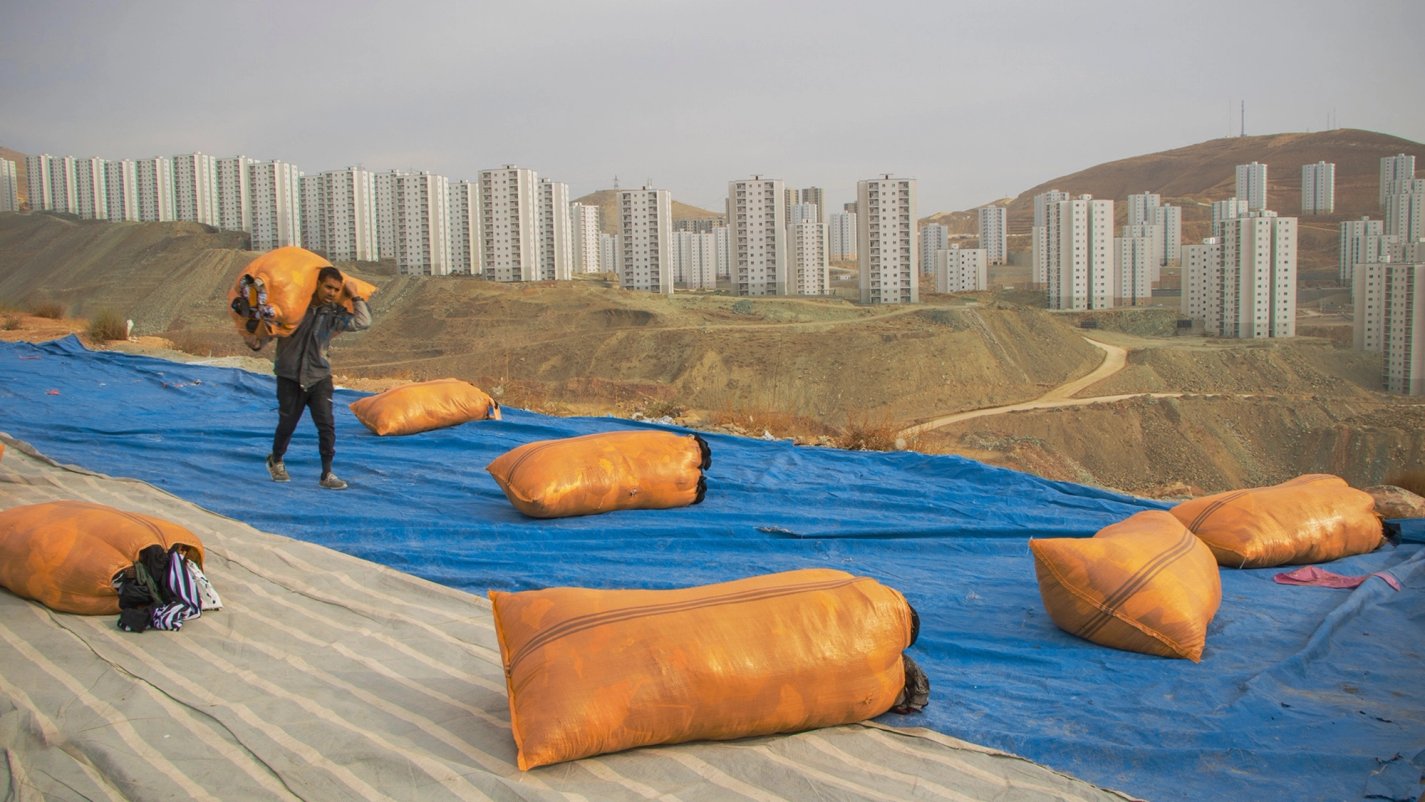
Urbanization may begin with rupture, but it also unfolds through coexistence. In this image, city, farmland and human presence share the same visual plane, revealing the fragile balance between expansion and continuity inherent in urban growth. It reminds us that cities do not emerge in isolation; they grow out of existing landscapes, economies, and ways of life. The question is not whether cities expand, but how these relationships are transformed — and what is lost or preserved along the way.
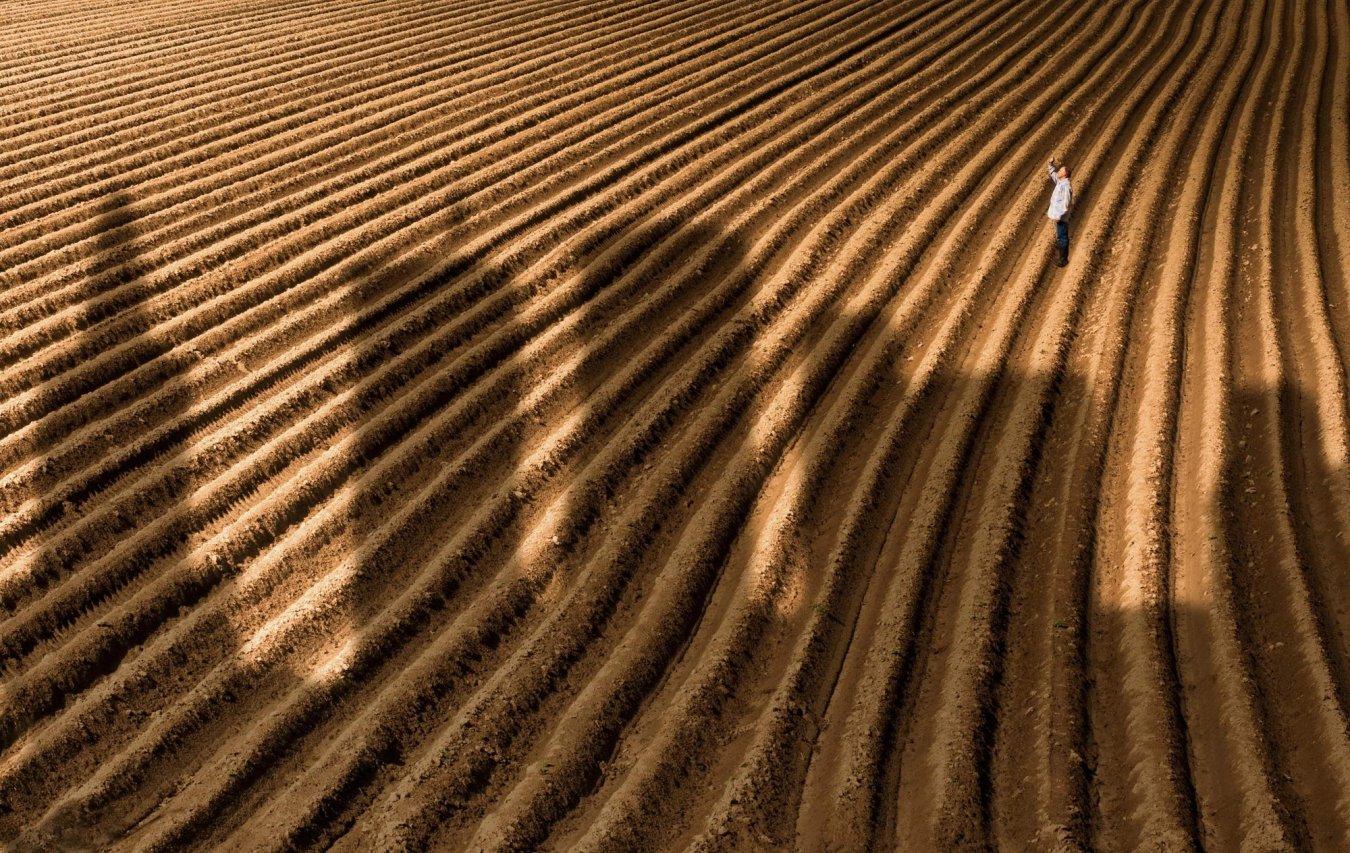
'Shadow', by Jacek Cislo
As cities densify, individual lives become embedded in larger social systems. This image reflects urban life as a condition of constant proximity, where collective rules, behaviors and rhythms shape personal identity. Density is not only spatial — it is also psychological and social. The megacity amplifies both connection and conformity, raising questions about how individuality survives within expanding urban masses.
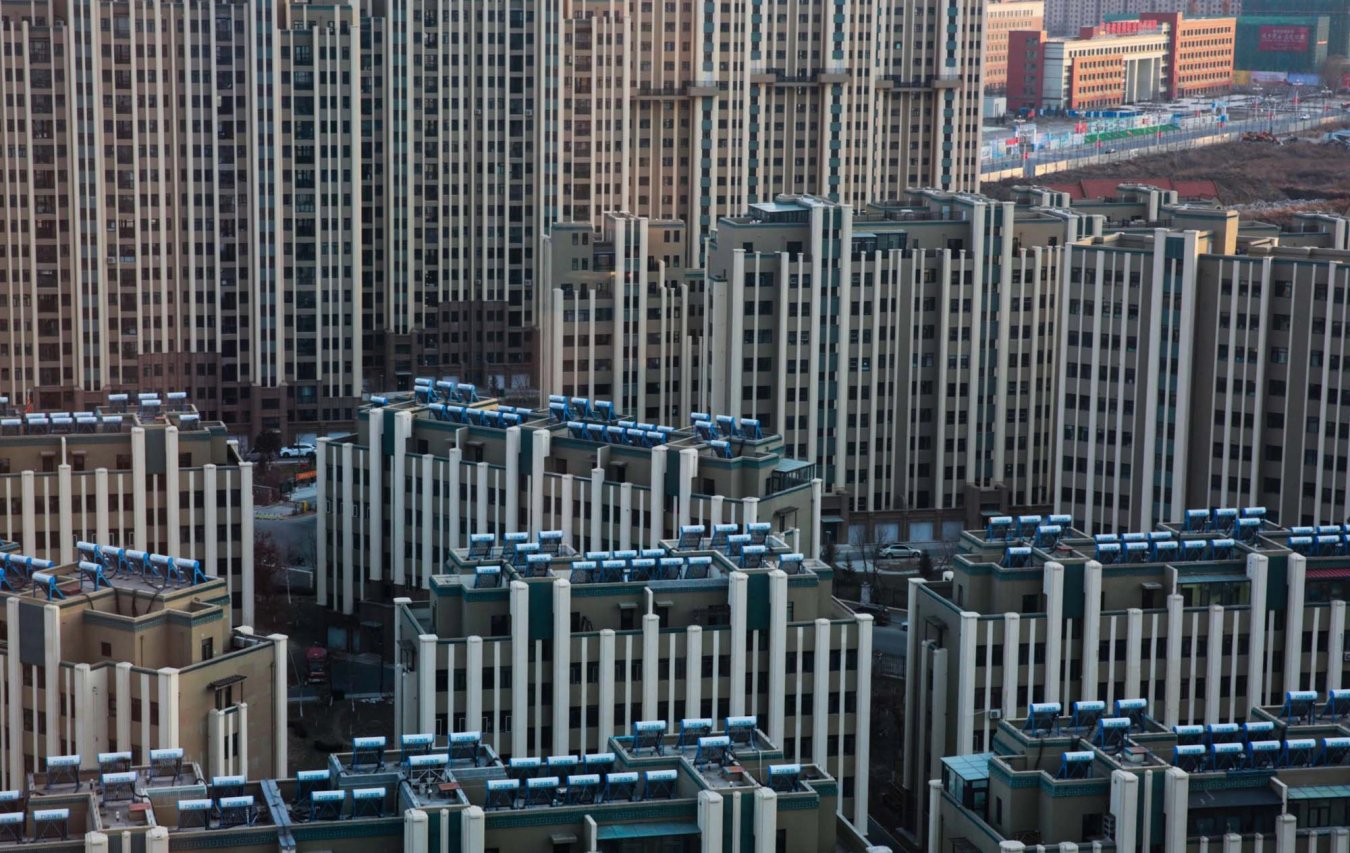
'Group Living', by Luo Jian
Few cities embody accelerated urbanization as clearly as Shenzhen. Built almost overnight through economic experimentation and technological ambition, it represents the promise — and pressure — of instant urban growth. Infrastructure expands, services improve and innovation thrives. Yet speed itself becomes a challenge, forcing cities to confront how progress can remain sustainable, equitable and humane as scale increases.
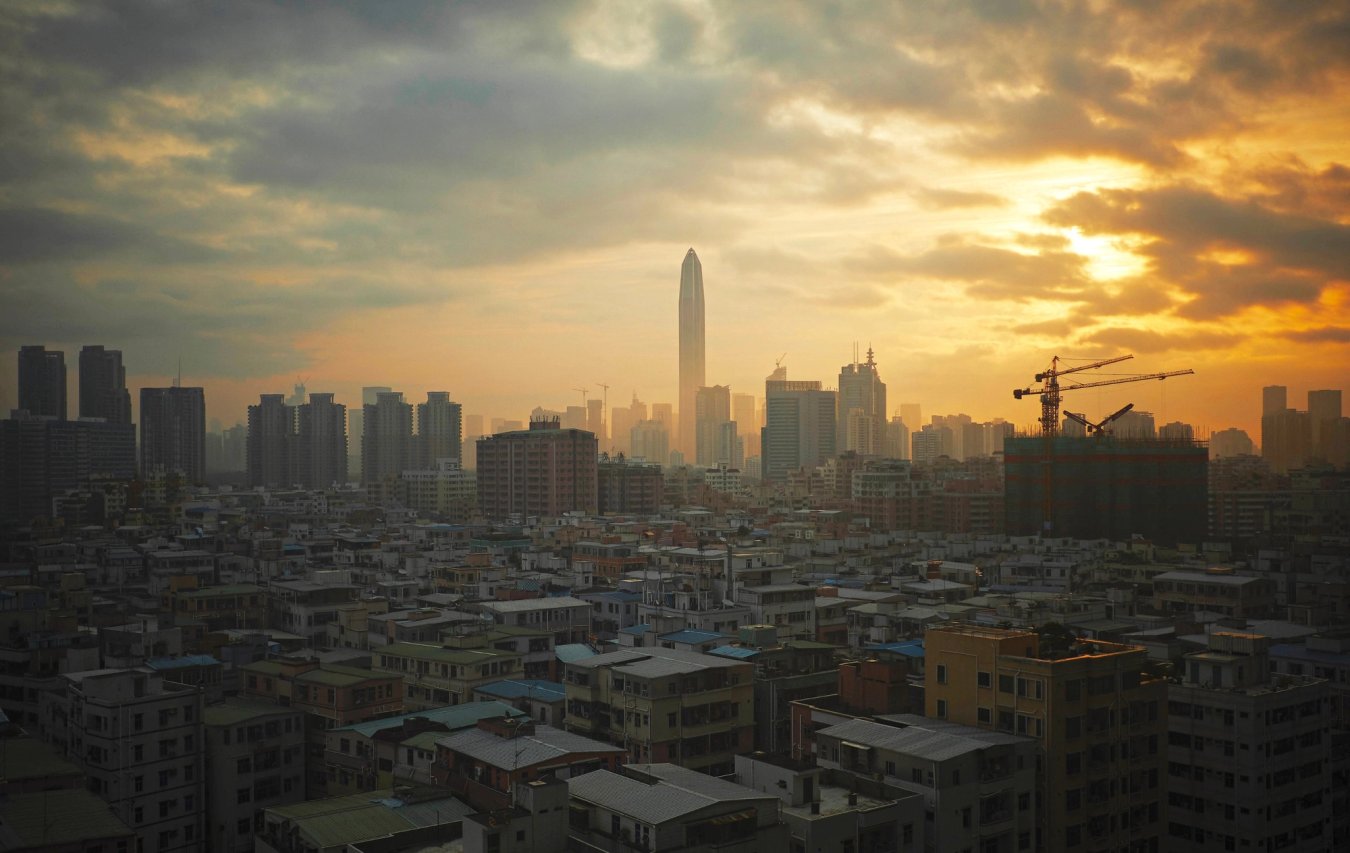
'Shenzen', by Marlon Villaverde
As cities globalize, housing increasingly shifts from shelter to commodity. In London’s redeveloped districts, architecture caters more to international capital than to local life. Repetition replaces character and absence replaces community. The city’s center illustrates how a financial landscape — occupied on paper but empty on the ground — challenges the very idea of urban belonging in cities that Europe has long claimed as civic and social commons.
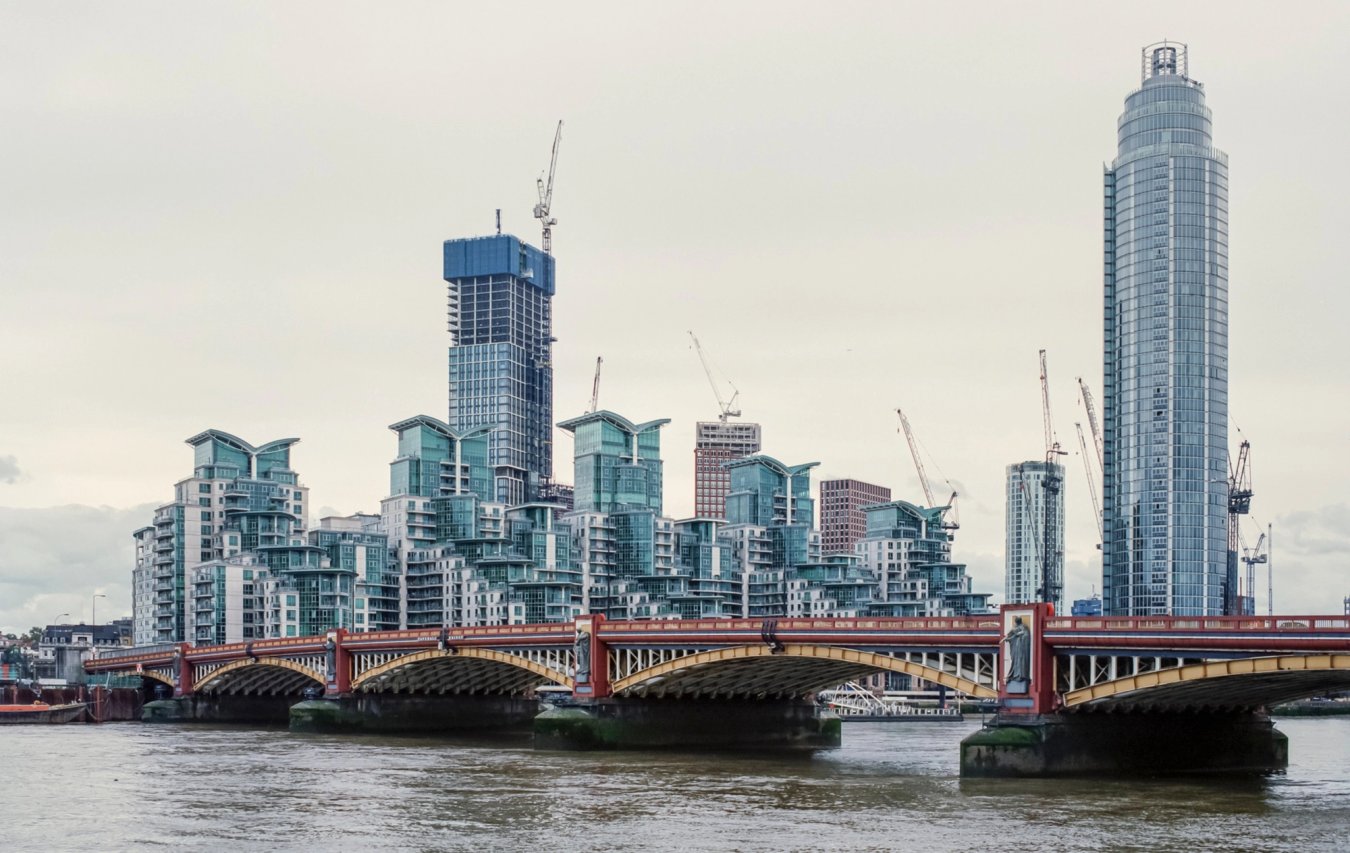
Nine Elms, London, October 2019, Gianluca Calise
Infrastructure often precedes life. This image captures a city in suspension, where construction races ahead of habitation. Elevated railways and monumental buildings create a sense of scale that overwhelms the human presence. The boulevard becomes a metaphor for urbanization without pause — a journey toward growth that never quite arrives at completion.
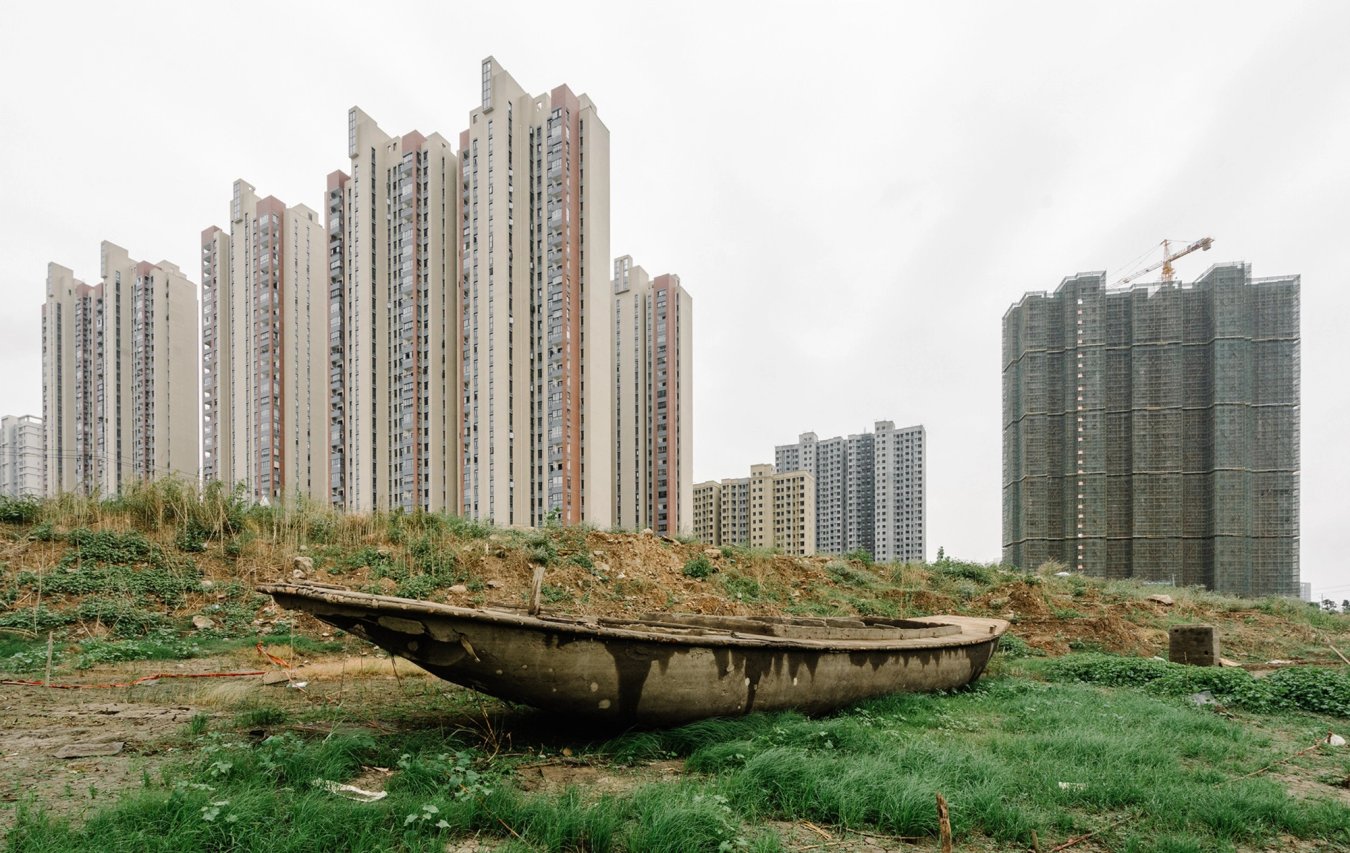
'Wuhan Boulevard', by Alessandro Zanoni
We cannot deny that sudden urban development leaves atmospheric and environmental traces. Pollution, once exceptional, becomes routine; loss becomes normalized. In Karaj, the changing color of the sky reflects how environmental degradation is absorbed into daily life. The image asks what future generations will consider natural — and whether adaptation quietly replaces responsibility.
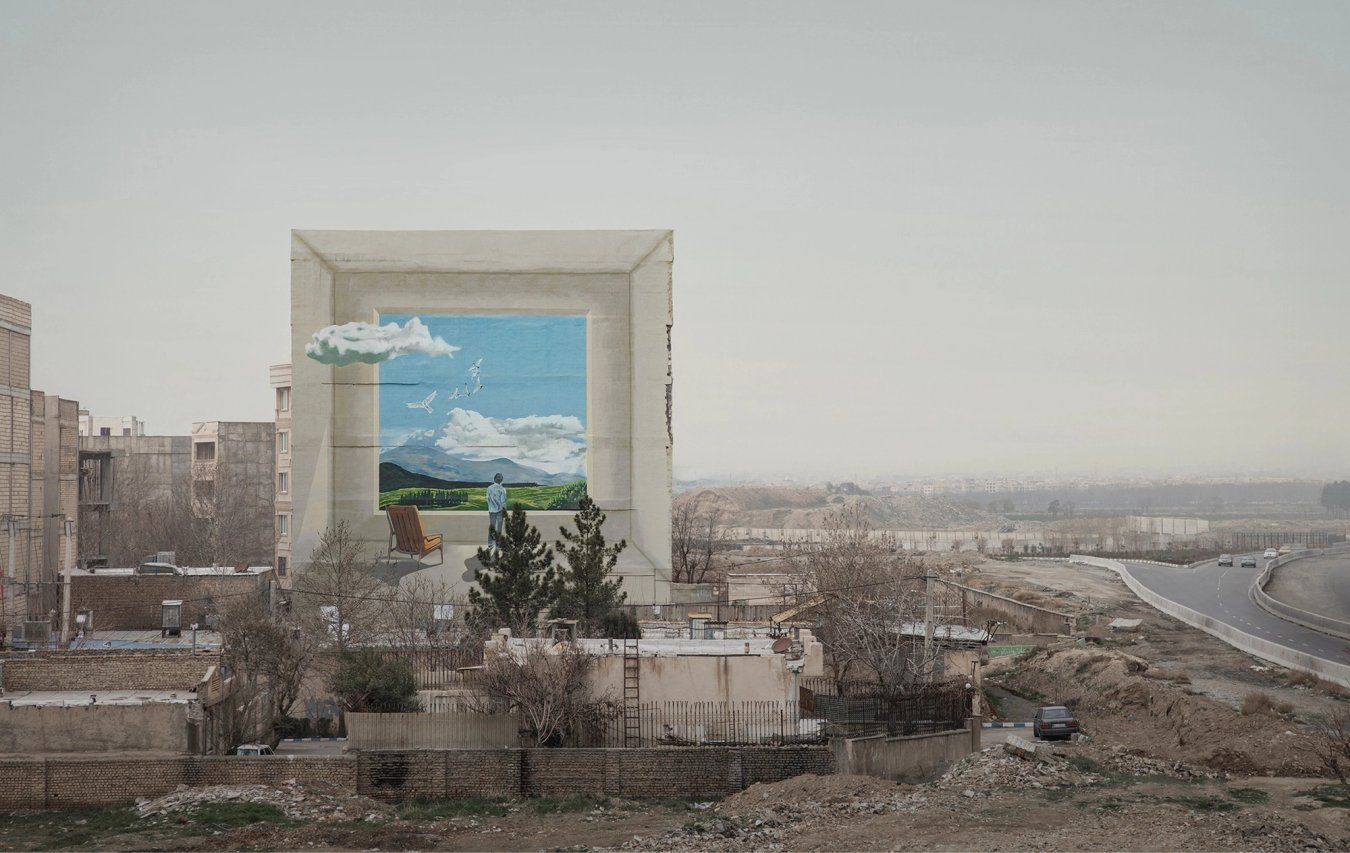
'Alternative Landscape', by Ghazaleh Yazdanparast Tehrani
As cities expand outward, development collides with the landscape. What was once open land becomes fragmented by concrete, infrastructure and speculation. This image, taken in Tehran’s outskirts, captures the violence of unbalanced growth, where urgency overrides care and urban form advances faster than collective reflection.
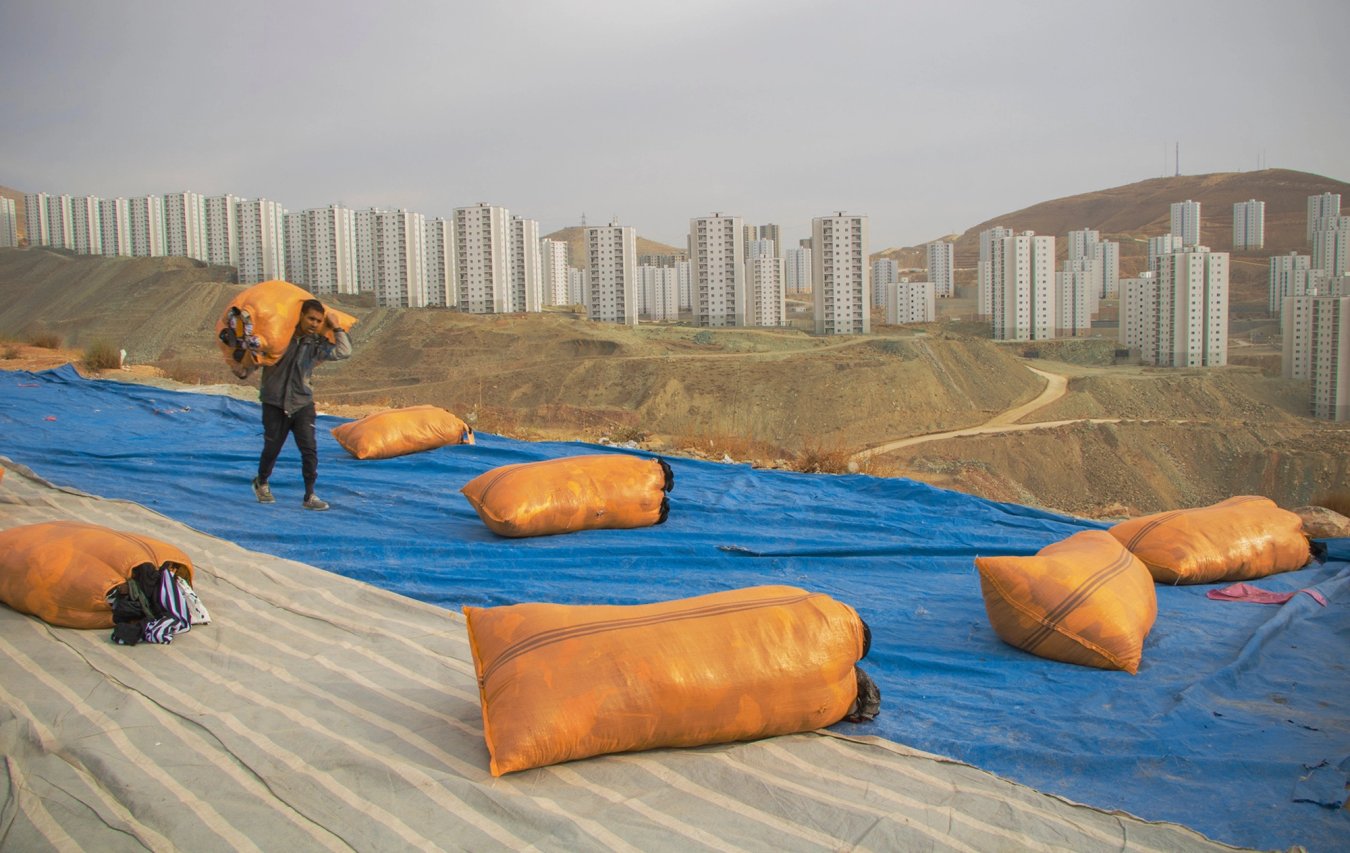
Invasion, Seyyed Mohammadvahid Nasseri
Still in Iran — as in many other parts of the world — satellite cities promise relief from congestion and high costs, yet often reproduce new forms of confinement. The architecture here evokes enclosure rather than opportunity, raising the question of whether expansion truly improves urban life — or simply relocates density to the margins.
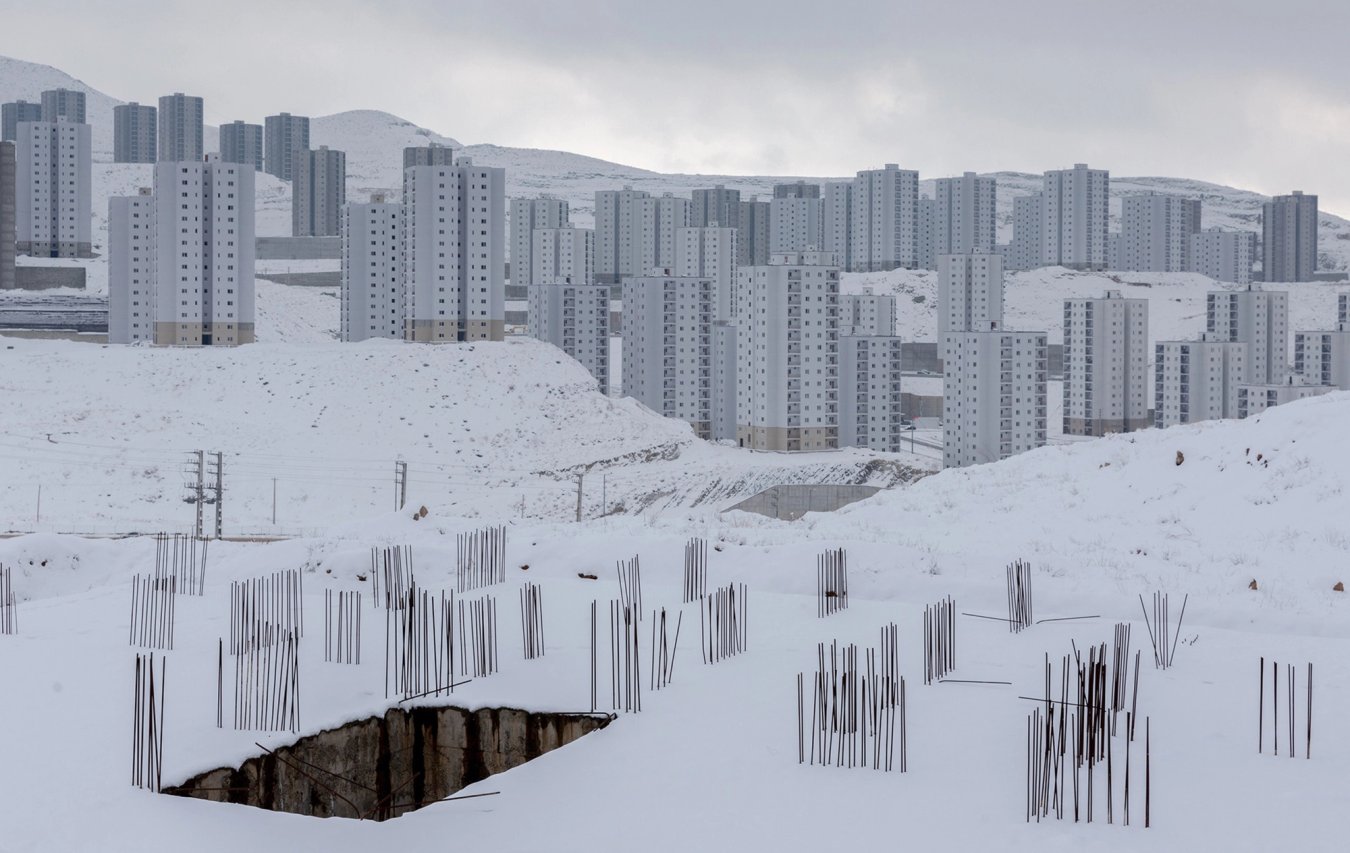
'Dungeon', by Farnaz Damnabi
Just as we cannot deny the environmental impact of urban growth, we also cannot ignore how climate change accelerates migration from rural areas to cities. As traditional livelihoods collapse under environmental stress, cities become refuges of last resort. The resulting settlements are often informal, under-served and precarious — revealing how global crises are etched into the urban fabric. This is the subject of this photograph by Nathalie Daoust, the winning image of the CitiesToBe Photo Award 2023.
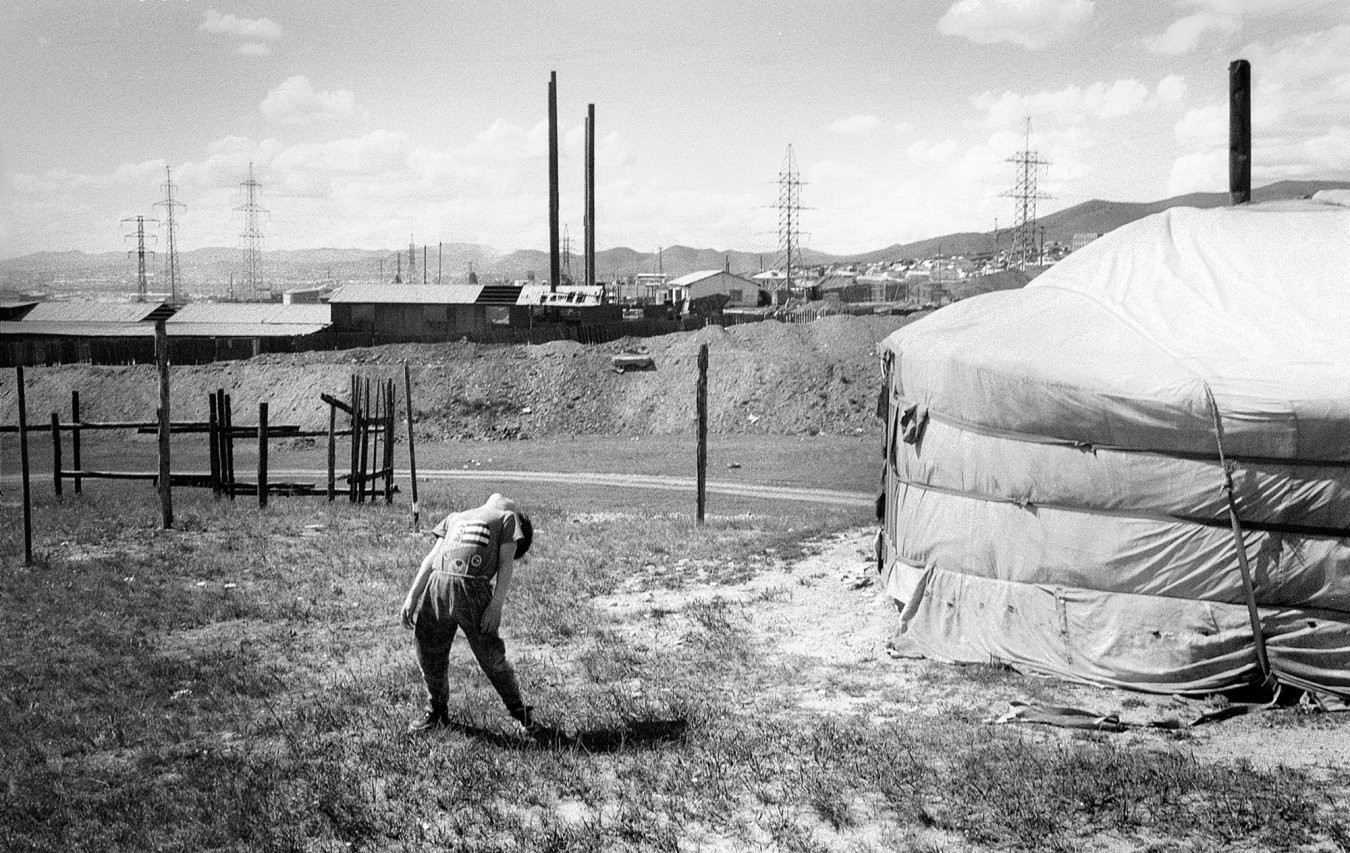
'In the Shadow of the Big City', by Nathalie Daoust
Extreme density exposes the limits of urban resilience. In spaces like Dhaka’s Geneva Camp, survival overtakes dignity. This image confronts us with the social cost of growth that fails to include, reminding us that urbanization without equity deepens inequality rather than alleviating it.
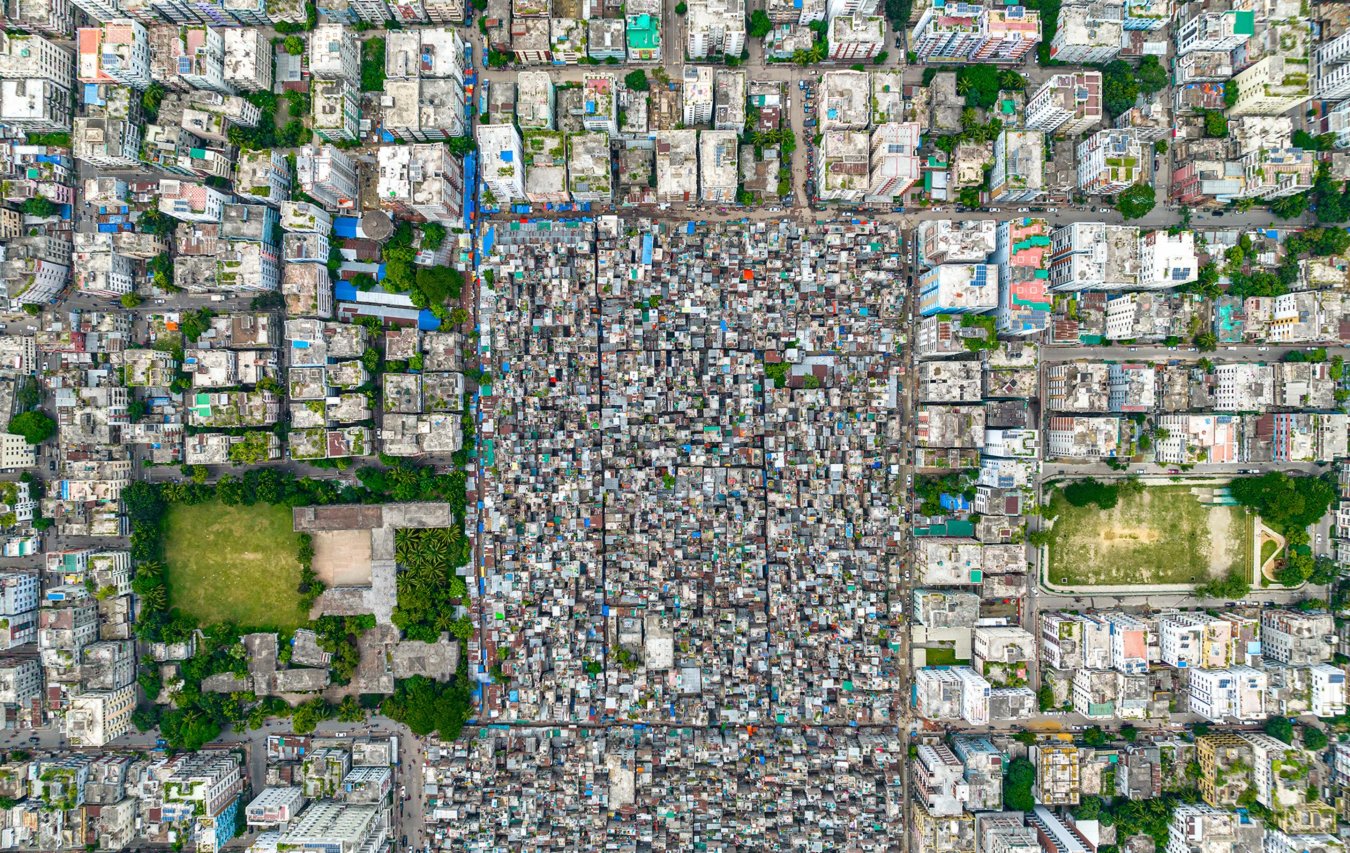
'Life of Humans in an Inhuman Way', by MD Asker Ibne Firoz
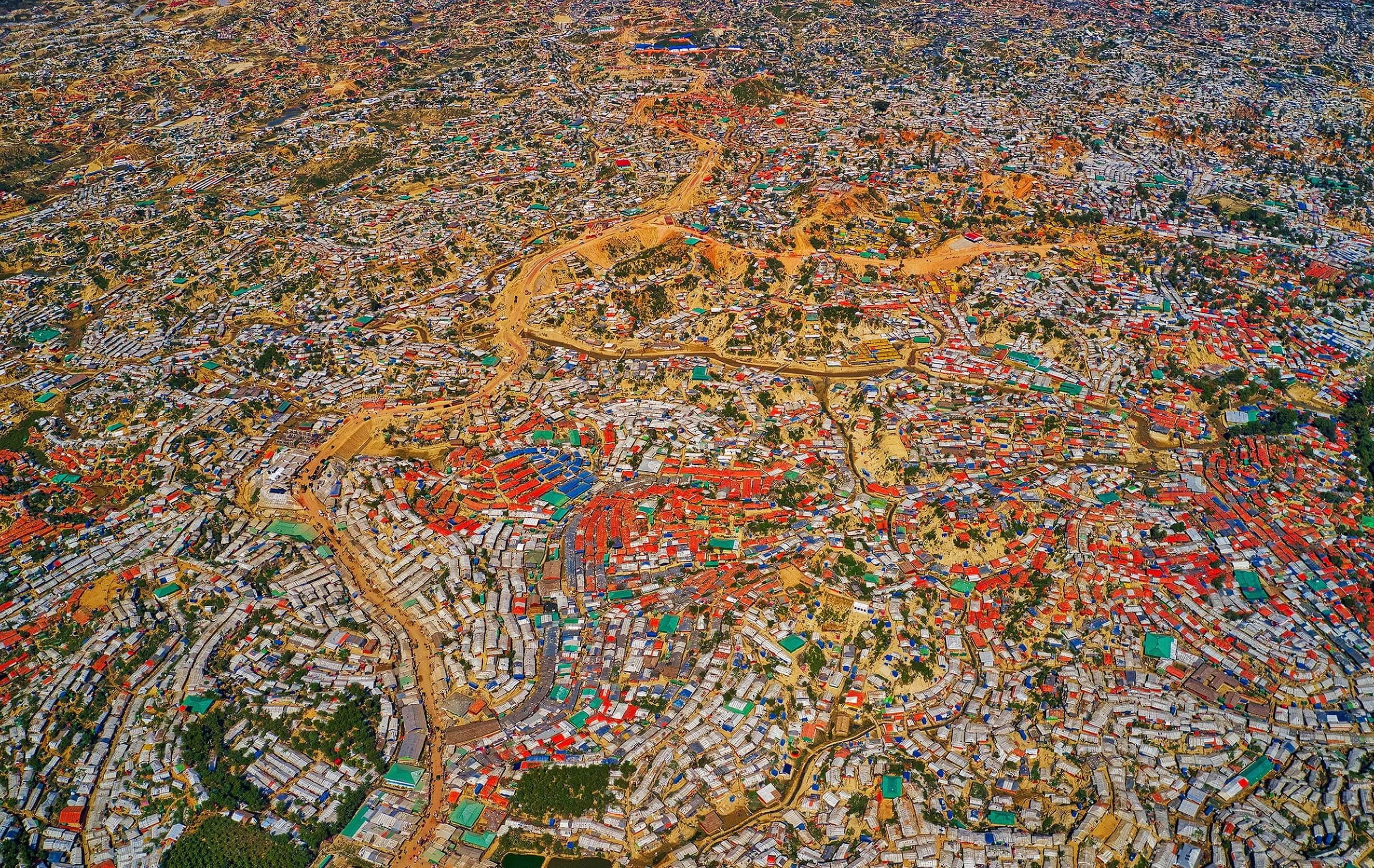
This visual trip closes where permanence dissolves. Refugee camps — designed as temporary — sadly become long-term urban realities. They reveal the most fragile edge of urbanization, where displacement, crisis and resilience converge. Here, the city is no longer a promise of opportunity, but a structure of survival, forcing us to rethink what urban life means in an era of instability.
%20(1).jpeg?w=1350&q=85&fit=max&auto=format)
'World’s Biggest Refugee Camp', by Azim Khan Ronnie