«Heritage is the foundation for resilience in cities»
In an urban context shaped by the climate crisis, mounting housing pressures, and deep social inequalities, historic heritage is often treated as a luxury of the past or reduced to a resource for tourism. Yet a growing number of expert voices argue the opposite: heritage — both tangible and intangible — is a critical infrastructure for building more just, resilient and sustainable cities.
Far from being static, heritage embodies accumulated knowledge about how to inhabit territories, manage scarce resources and sustain communities over time. In places such as historic Cairo, these heritage-rich urban fabrics remain home to deeply rooted communities and offer concrete responses to contemporary challenges, from housing access and climate adaptation to social cohesion.
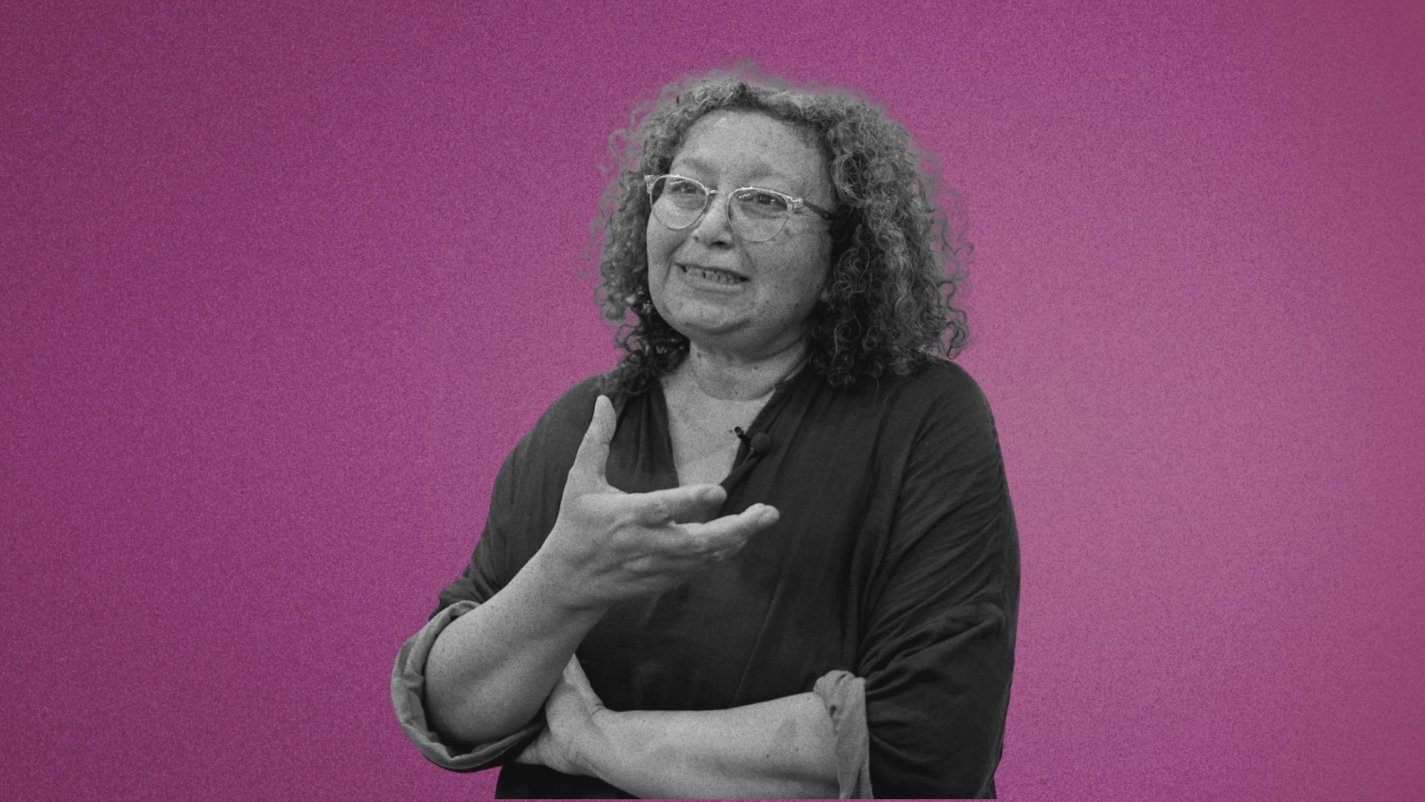
In this interview, we speak with May al-Ibrashy, founder of Megawra – Built Environment Collective, about the importance of understanding heritage as a living, shared process. Through her work on the Athar Lina project — “heritage as ours” — al-Ibrashy makes a compelling case: only when communities directly benefit from their heritage can they truly become its custodians and carry it forward into the future.
Heritage is the foundation for resilience in cities, and it’s also right now the best way to provide housing and services for people without being extractive with the environment. It teach us a lot also, especially at the time of climate change, about how people historically dealt with climate change.
And they are the places where the most rooted communities live — and that’s very important for cities. We now have a very different understanding of heritage that we did 30 years ago. Now it is an integrated kind of inheritance from the past that includes tangible and intangible heritage, customs, living heritage and so forth, which means that the communities that are rooted in these places, in these cities, are very much part of heritage. They are heritage in the making, if you will. To bring them into the process of becoming custodians of their own heritage, they have to feel that they benefit from it.
So you only feel a sense of ownership and you only take care of something if you feel that you benefit from it.
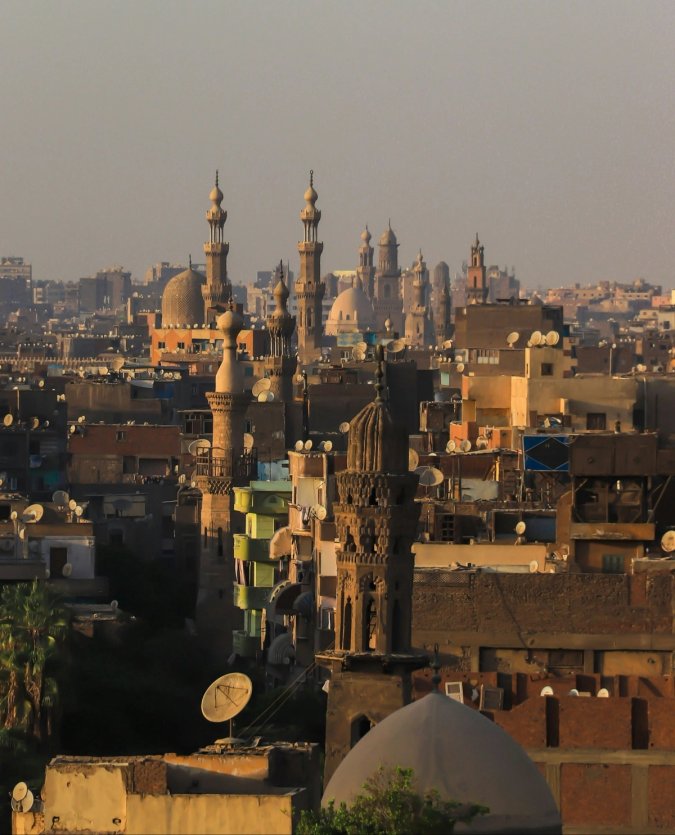
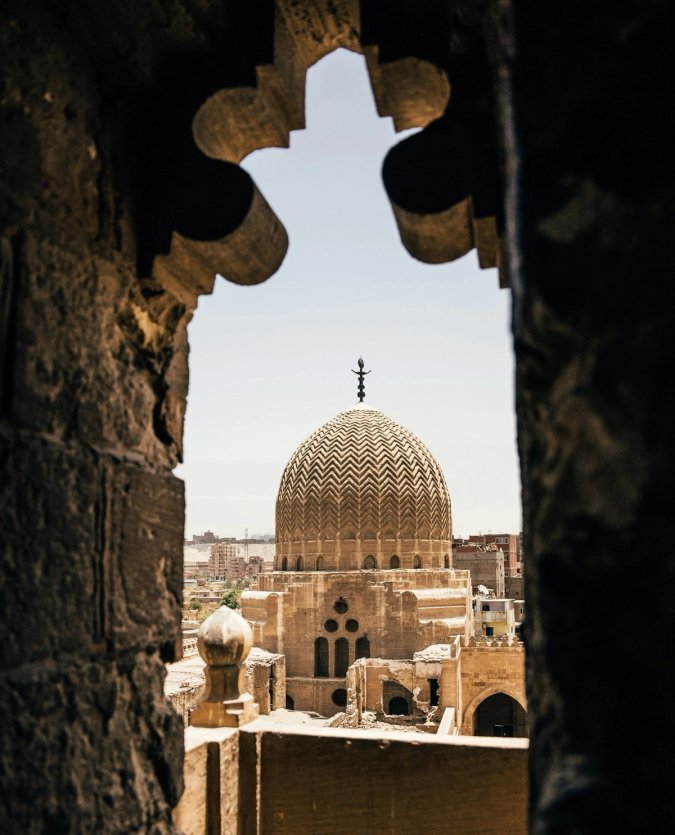
Images by Ruben Hansen, Unsplash | Getty Images, Unsplash
The problem is that people often think heritage is static, anti-future and resistant to change. In reality, heritage is a tool — a vehicle that carries us into the future. When heritage is perceived as static and anti-change, it is not properly invested in, nor is it adequately integrated into public policy in the way it should be. Another major issue is that when governments engage with heritage, it is often primarily for tourism or heritage industries, rather than for the communities who live with and within this heritage.
In historic Cairo, we work on a project called Athar Lina, which translates as “heritage as ours.” The aim is to foster a sense of ownership by ensuring that communities directly benefit from their heritage.
We work on preservation of historic buildings and adaptive reuse, and making them accessible and having them speak for communities. We also work on heritage education and heritage industries, vocational training to get people to use their historical knowledge to actually benefit economically. And we also work on an urban level to improve historic cities, but more importantly to link it to the environment.
So, for example, one of our most innovative projects involves extracting groundwater from under historic buildings and using it for green spaces to provide water in Egypt, which is a water poor country.
I would like cities to be just and equitable. Humane for their communities. And I would like them to keep their memory of the past and to pass it on to the future. ●