
Gender Balance in Conferences: Challenging? Yes, But Doable Too
Imagine you are invited as a speaker to an internationally renowned event, or to a conference organized by a well-known business university. You arrive at the venue with your PowerPoint ready and your discourse prepared, slightly nervous but confident. As you get ready to hit the stage, imagine you are approached by a man who, instead of handing you the clicker and microphone for your talk, provides you with some leaflets and asks you to give them away to people in the room, assuming you are the hostess of the event (being the only woman in the room at that moment). He could also ask you, instead, if you are a student who is interested in the topic of his session, or who must write an essay for your university course.
These are, believe it or not, situations we have experienced personally as female professionals throughout our careers in the Smart Cities industry. Unfortunately, they are not only mere anecdotes, but they are also scenes that portray the role women are still relegated to, in many sectors of the contemporary professional realm.
It is March 2023 and women are still second only to men in most sectors. Drawing from this problem, events have proven to be the vivid representation of this issue at a global scale. There still is a meaningful minority of female speakers at international congresses. But why is this still happening? Is it because women are less capable and, therefore, less worthy of visibility and recognition?
Images by Smart City Expo World Congress
Getting to the Root of the Problem
As curators of big events about cities and all the different fields these entail (including urban planning, technology, economy, management, infrastructures, social inclusion and so on) we have identified a clear tendency to have a majority of male speakers at professional congresses and big events. Although this tendency has become somehow normalized, it is obviously not right and there is an urgency for it to be changed.
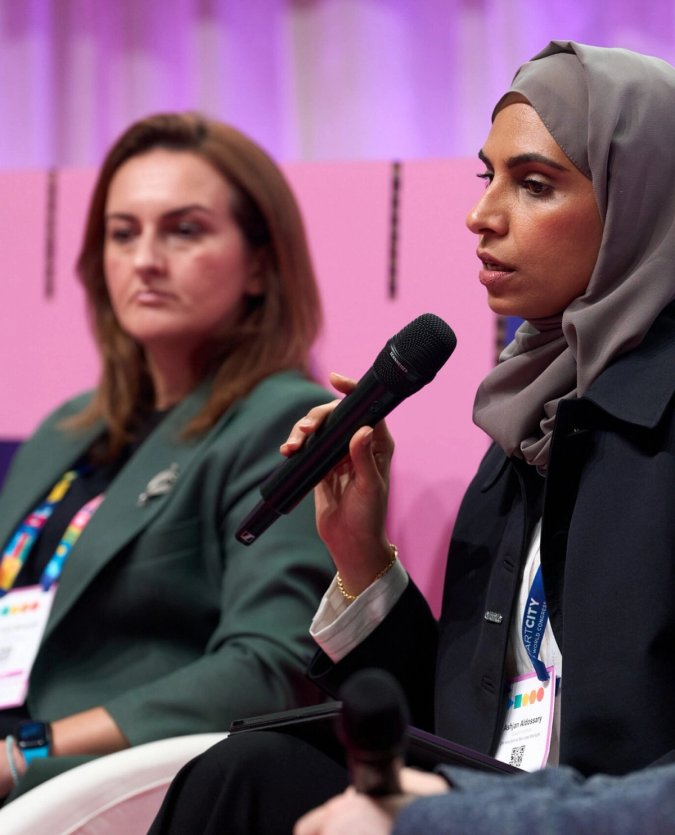
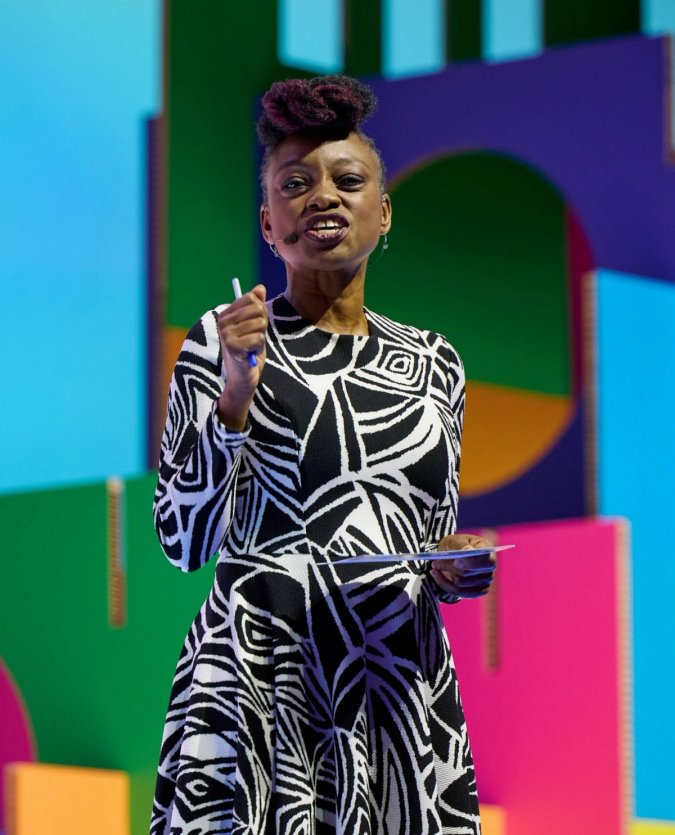
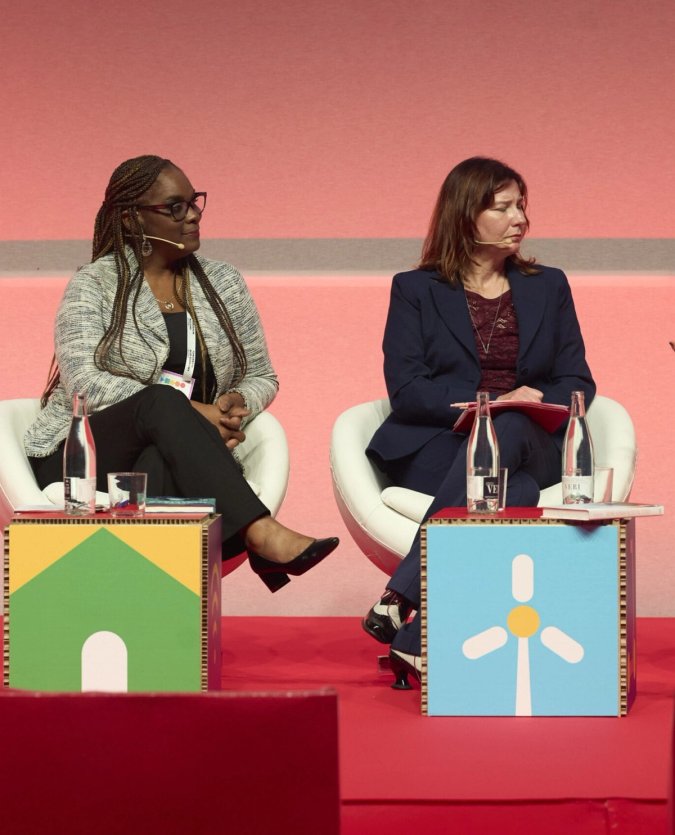
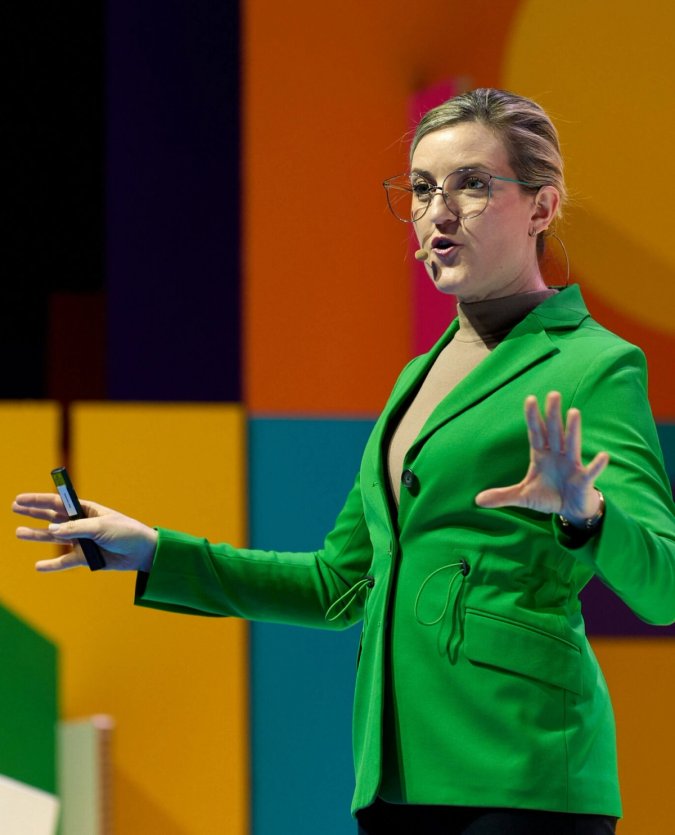
We are, for instance, the curators of the Smart City Expo World Congress, a very large event organized by Fira Barcelona since 2011, which has become the leading event on Smart Cities in the world. A few years ago, together with the whole Fira Barcelona team, we decided it was about time to create a gender balanced program, so we started working towards achieving that goal. Before 2018, the congress counted with 26% of women speakers, in the last edition of the event, in 2022, we finally reached 51%.
Although we can proudly claim that we have reached our objective, we must admit this was not the easy task we thought it was going to be. When it came to including more women in the program, it became truly challenging to find female speakers in common expert platforms and databases.
Women have gained visibility on social media when it comes to beauty, health, fashion, fitness, and other related topics, but they are still not visible enough in economy, technology, business, engineering, politics and, overall, positions of power.
This lack of visibility stems from different reasons. Firstly, all the fields mentioned above have historically been relegated to men, while women have traditionally been assigned to the domestic realm and the care economy. These gender roles are unfortunately still present in our 21st Century society, and they have a clear influence on women, who may feel a lack of entitlement to dedicate their professional careers into certain fields of knowledge.
Secondly, women have traditionally had to carry the mental and logistical load of the household (kids, shopping, cleaning and all related topics to domestic life). That is why it can be much more difficult for them to be able to conciliate their professional and their personal career as men do.
Finally —and possibly owed to the reasons mentioned above—, women are much less promoted to higher positions. In the public sector, at an international level, there are clearly only a few women who hold the title of President, Prime Minister, Mayor, or similar positions. According to UCLG, less than 5% of the world's mayors are women, and only around 20% of local councilors are female. In the private sector, we find many less women in high roles such as CEO, Director, or other C-suite positions. The World Economic Forum (WEF) recently identified that only 15% of the CEOs at Fortune 500 (the annual list of the largest US corporations) are women. As the WEF also quotes, this number lowers to an insignificant 5% when taking into consideration CEOs globally, according to a recent report published the past July by BoardEx.
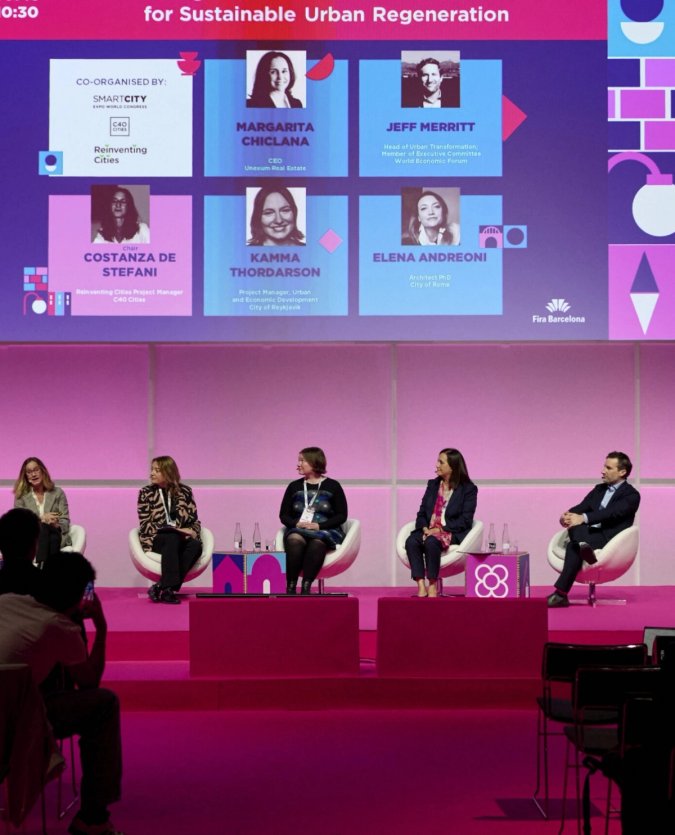
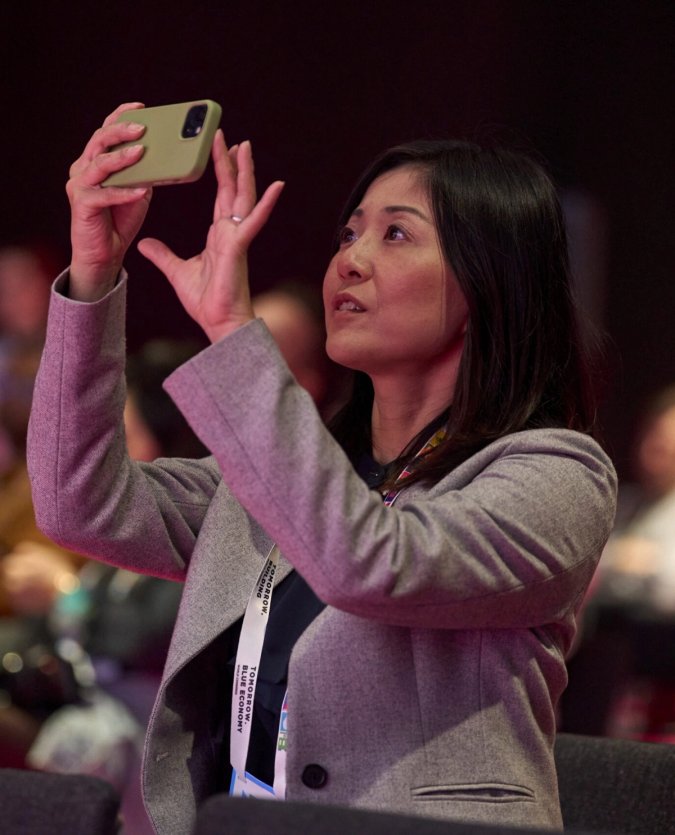
Images by Smart City Expo World Congress
In conclusion, and regardless of the sector, women are dramatically underrepresented in positions of power and therefore, they do not tend to have enough visibility in order to be spotted as potential speakers when curating a congress. This underrepresentation gets even more alarming when it comes to other minorities in terms of gender, race or ethnicity.
The Need for Counteraction
At Anteverti we are aware of how challenging it is to ensure real parity in prominent events, that is why we have taken drastic actions in order to achieve it. Aiming to reach a 50-50 gender equality in our programmes, we ensure that at least 80% of the speakers we invite initially are women, which has proven necessary in order to balance the commonly male dominated high positions, such as Mayors or high-level corporate representatives. As an additional example of such a pledge, institutions such as the United Nations have, in recent years, started a commitment for their representatives to only speak in panels that are gender balanced, declining their participation in sessions that don't guarantee such parity. Actions like these allow for gender equality in events, ensuring that female expert's voices are heard. At the same time, they avoid the mere tokenization of women, consisting in avoiding all men panels, and frequently used nowadays to make an event look good and socially acceptable.
In conclusion, it may require triple time to find female speakers, but with perseverance the search becomes fruitful and far more enriching. It is when you commit to organizing truly diverse events that it becomes clear how crucial it is for women's voices to be represented. The transversality of the contributions and visions of varied and gender balanced sessions has proven to drastically outweigh previously common and easier choices, such as inviting the first talents that event organizers find, disregarding the mixture of their backgrounds. Once women take the stand repeatedly, it will become the norm, and we will fortunately see this effect being echoed in plenty of other events. ●