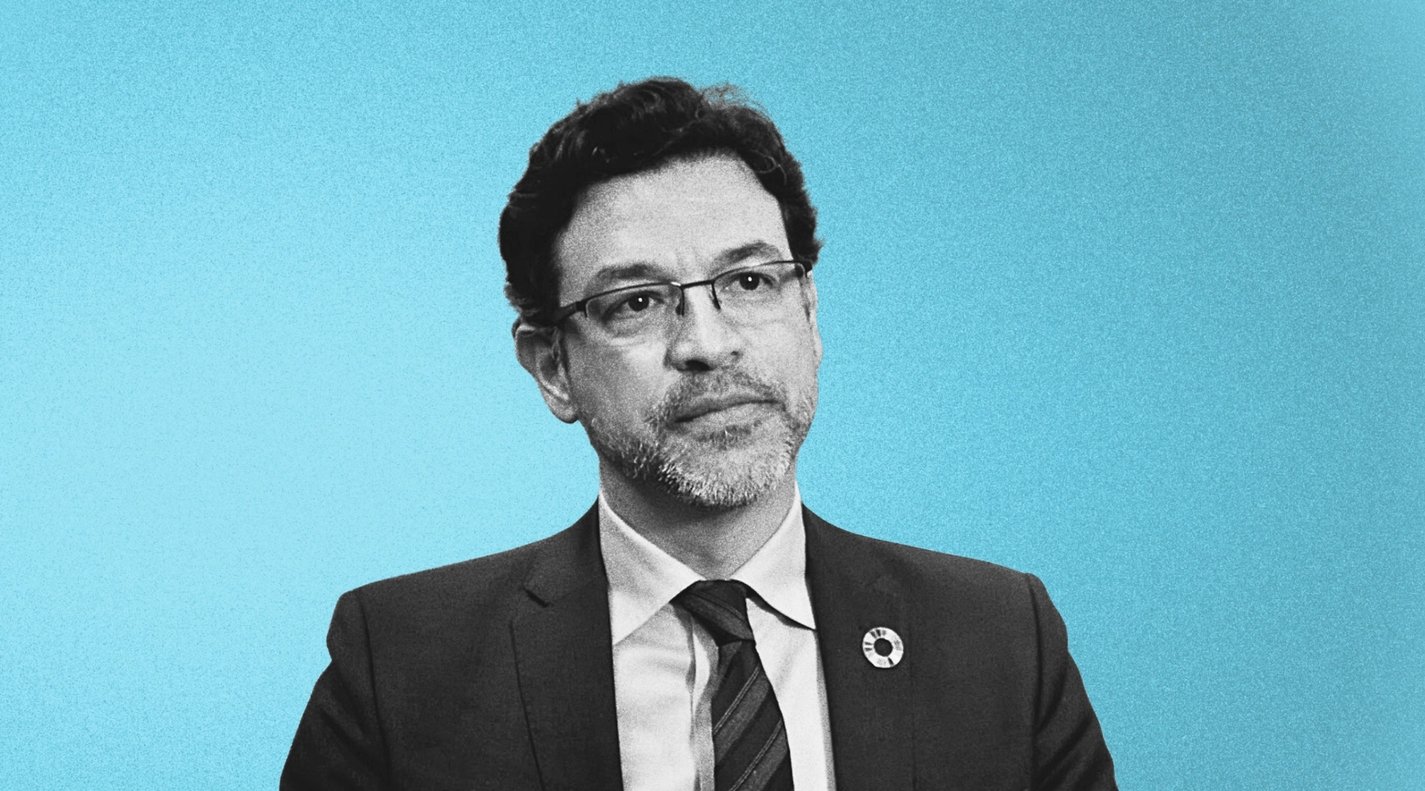
«Latin american cities face one main challenge: inequality»
«I want cities to be fully inclusive — spaces that truly represent what equality means for human beings».
These are the words of Elkin Velásquez, Regional Director of UN-Habitat for Latin America and the Caribbean, as he reflects on the current state and future of cities across the region. With decades of experience promoting sustainable urban development, Velásquez underscores that addressing urban inequality through better planning and inclusive urban policies is not just necessary, but urgent.
In this interview, we explore with Velásquez the deep-rooted challenges facing Latin American cities, the need for a paradigm shift in urban planning, and how localizing the Sustainable Development Goals (SDGs) can translate global agendas into real, transformative change in people’s everyday lives.
I think we need to focus on one main challenge — which is connected to many others — and that is inequality in our cities. This inequality is expressed through socio-spatial segregation. Of course, this challenge relates to the difficulties that the region and its cities are currently facing. But it is also the result of a historical process marked by very weak planning.
That said, there are many opportunities to overcome this situation, and we need to work hard to do so.
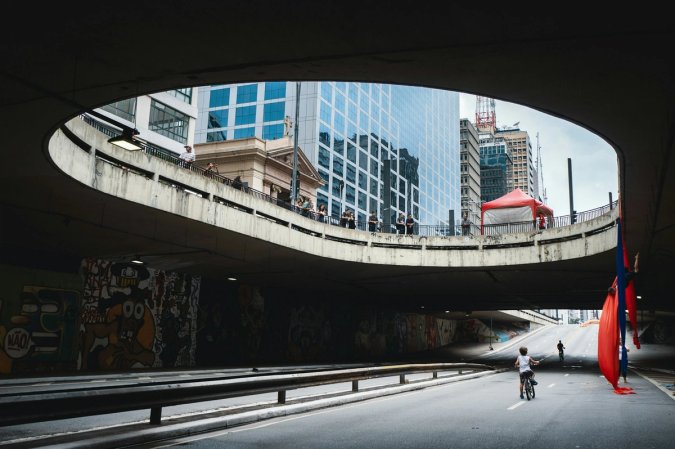
Image by Gilberto Olimpio on Unsplash
I believe we need to plan cities so that people are more included, not segregated. We must see cities as unified entities, not as a patchwork of neighborhoods — some privileged, others lacking access to basic services or opportunities that a city should provide. City systems should guarantee access and opportunity for all.
We also need to view the city as a place to truly mainstream equality and promote social and economic inclusion. It is a fundamental framework for building a society and an economic system that offers opportunities for everyone.
The global agendas exist to support countries and cities in efforts to leave no one and no place behind. However, these goals need to be localized — contextualized according to the unique circumstances of each city, and even the specificities of each neighborhood.
We need to develop practical toolkits and approaches that help make the SDGs meaningful and embraced at the local level. If we keep discussing the SDGs from a high, abstract perspective without integrating them into daily life and neighborhoods, it will take much longer to achieve them.

Image by Shot by Cerqueira on Unsplash
Cities still have a lot of work to do in integrating the SDGs into their planning processes. We also need to develop more tools to measure progress effectively.
For example, UN-Habitat is developing the City Prosperity Index, which tracks the evolution of SDGs in cities in an integrated way — covering at least half of the SDG indicators. This toolkit is promising, but now we need to scale it up. The next decade should focus on accelerating the achievement of the SDGs in cities exponentially.
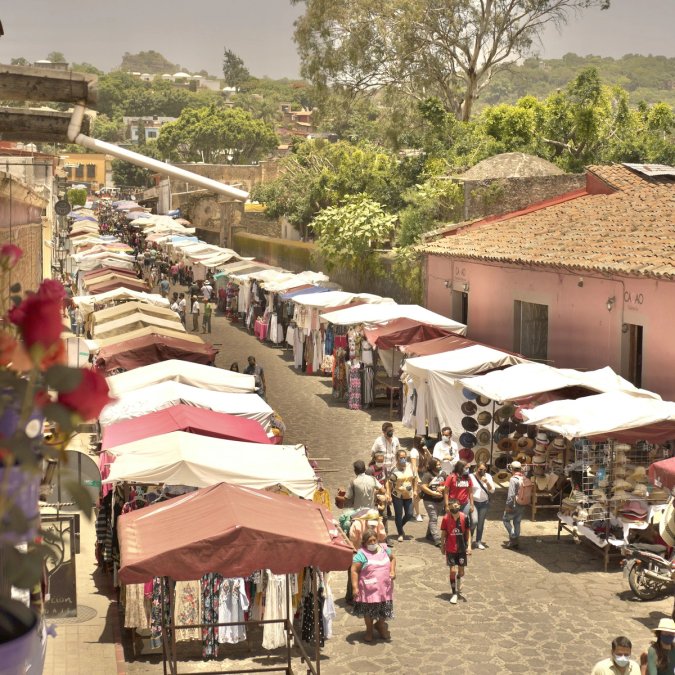
Image by KaroGraphix Photography on Unsplash
By 2030, I would like to see cities that are fully inclusive — that genuinely facilitate life for families and neighborhoods, providing abundant opportunities, access to services, and, ultimately, happiness.
This transformation needs to be reimagined at the very local level — down to the neighborhood and even the street. If we don’t achieve this, the SDGs will remain abstract concepts for most people.
We must change the conversation and tell the story differently. Of course, it’s important to continue building strong databases, robust approaches, and maintain national and regional perspectives to support progress.
But at the individual level, we need to do much more. Because it is when a citizen, walking down the street, can say: “This street has improved my quality of life — better schools, better access to social and environmental services, and real opportunities” — that we can truly say the SDGs have made a difference over the past decade. ●