
«I see AI as a way to make our cities behave like nature»
We live in a world where data is continually generated, spanning every location and moment, facilitated by a diverse array of devices integrated seamlessly into our environment, industrial processes, and daily routines. The adage ‘Data is the new oil’ has permeated our discourse and literature for some time now, and rightfully so. Data serves as the catalyst for transforming experimentation into new, disruptive tangible responses and solutions, inevitably influencing the design of our cities, structures, and communal spaces in response to this global, ever-evolving paradigm shift.
How can data science inform and optimize urban planning? How does AI help us design materials and build cities in a more intelligent way? We discuss data, innovation and the urban environment with a world benchmark at this intersection: Professor Carlo Ratti, director of the MIT Senseable City Lab and founding partner of the design and innovation office CRA-Carlo Ratti Associati.

Image by z ww on Unsplash
I would say the cities are a beautiful accelerator of humanity. So, cities are a way that bring us together to make sure that together we are more than each of us.
Today, data is important everywhere. For instance, artificial intelligence wouldn’t exist without data. You need data to train artificial intelligence, and it applies to all the things we use in our everyday life, but it also applies to the city. So, thanks to data, we can better understand cities, we can design them better, but also we can change the way we live in them.

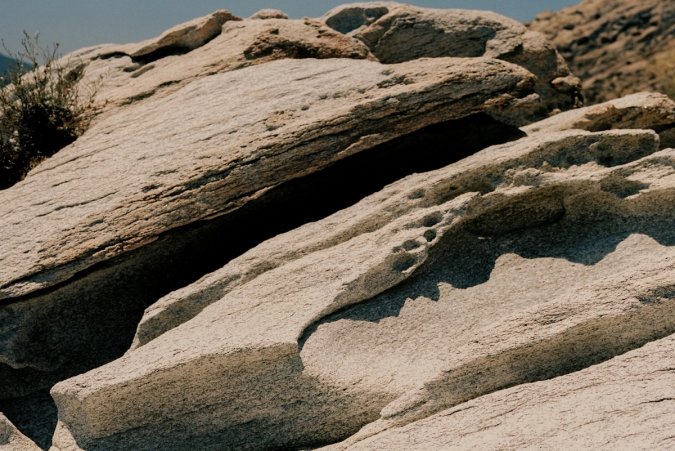
«We're trying to rethink the construction industry and also think about new materials.» Images by Daniel Farò on Death To Stock
A lot of people today focus on technology, but really what is behind all of this is the integration between the natural and the artificial world. I think about artificial intelligence as a way to turn our buildings, our cities, and in general, the world of the artificial, into something that starts behaving a bit more like the natural world.
An example of this is what we’ve been doing with Maestro Technologies through the project AI Timber — it’s actually about trying to rethink the construction industry and also think about new materials. AI timber is a way to use AI in order to create a new type of CLT — cross-laminated timber. And so, this CLT actually starts from nature, from the irregularity of nature, and uses AI to save material and create a better and more optimized building material. ●