.webp?w=1425&q=85&fit=max&auto=format)
«We need to provide our communities with opportunities to be engaged
Cities are home to more than half of our world’s population and the crossroads of our communities. According to UN-Habitat, spatial inequality is higher nowadays than two decades ago. Climate change intensifies inequalities and vulnerabilities. And a large part of urban residents do not have convenient access to open public spaces. One way to address these issues is by engaging and listening to a wide representation of the inhabitants of the multiple neighborhoods of cities.
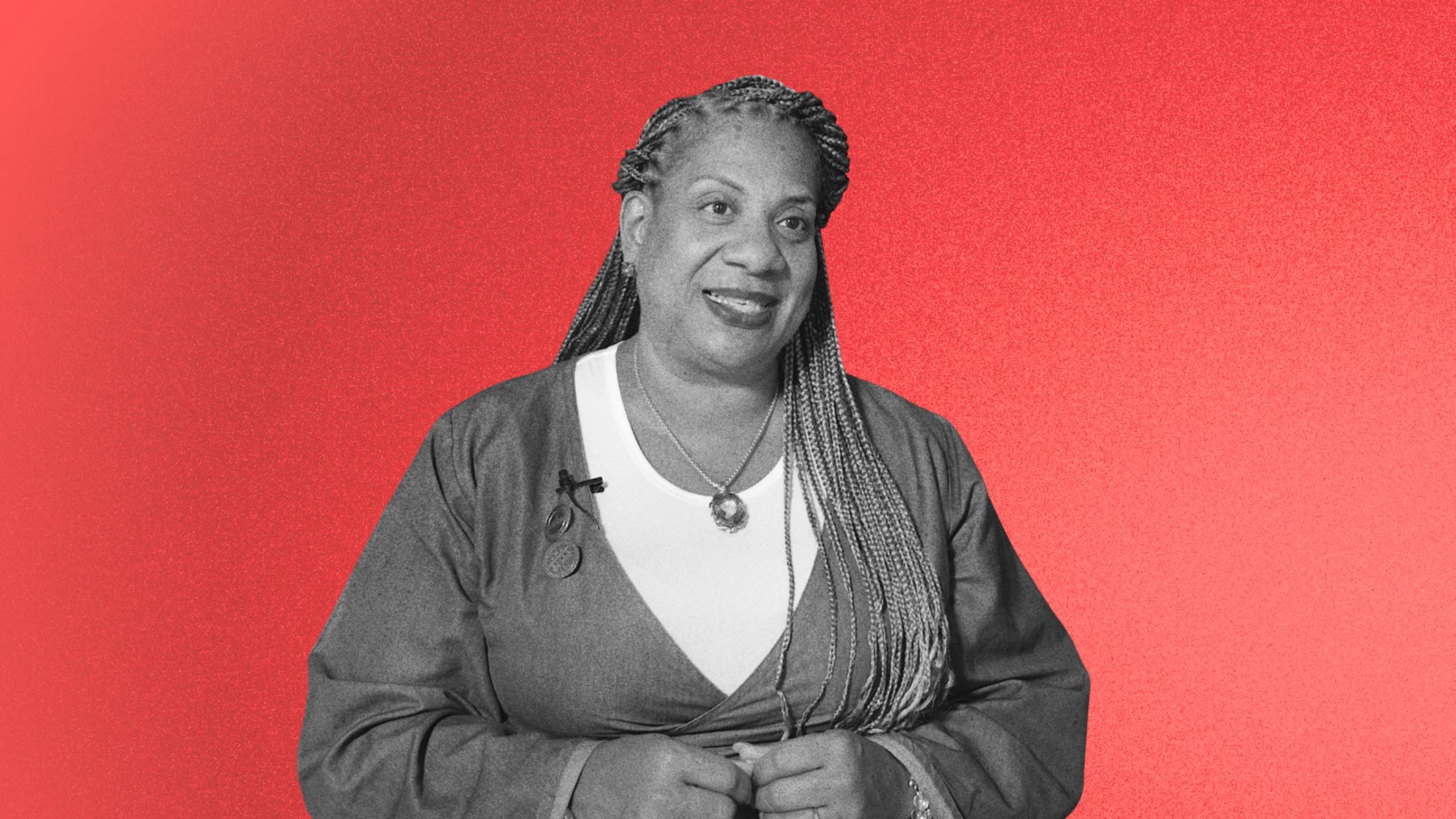
What are the ways we have to build diverse and inclusive communities? In an upcoming eposidoe of our series focusing on the trends shaping today’s urban landscape, we delve into the implications of building communities with Shawyn Patterson-Howard, Mayor of Mount Vernon (New York) and National President of the African American Mayors Association.
The African American Mayors Association represents over 500 black mayors. And we do two things: elevate the voices of black mayors across the United States, and give them a strong platform on which to stand and be heard, that individually they may not receive depending on the size of their city; and collaborate on issues of importance, whether it’s public health, economic development, education, policymaking. It’s very critical that we collaborate so that our voices can be amplified, and we’re not just standing alone and competing against one another.
One way to include everyone is making sure that we’re educating all of our citizens and residents on what’s happening in our communities, not just local communities but the world. Because global and local issues are all the same. We also have to make sure that we’re providing opportunities for them to be engaged. Community engagement is critical, and we need to bring them to the table and allow them to ask questions and be heard. We want to make sure that diverse communities are at the table: young people, working class, working class poor as well as the wealthy, our seniors… It’s important that we’re hearing everyone’s voices. Our cities are the crossroads of our countries, where so many people live, and so we want to make sure that at the crossroads of our community, the quilt that we are creating is strong and lasting, and is equitable and includes everyone’s voices.
.jpg?w=1350&q=85&fit=max&auto=format)
«It’s important that we’re hearing everyone’s voices.» Image by Marlen Stahlhuth on Unsplash
One way that we make sure that decision-making is transparent in my community and a lot of the other communities that are represented by the African-American Mayors Association, we use social media to get that information out. Covid was devastating, but I think what it forced cities to do, is to make sure that all of their meetings are on social media and that they’re broadcasted live in real time. That you’re educating residents about the schedule of public meetings so that they can come.
And another way that we can make sure it’s transparent is, within the advisory boards and commissions in your city, recruiting people of all ethnic, socioeconomic, educational backgrounds, and all neighborhoods throughout your cities, so that no part and no segment of the community has a larger voice at the table, and that everyone’s voice is heard and that the decision is blended, based on what everyone needs. Equity is critical for the success and the growth of our cities.
In 10 years I would love to see cities where we have housing that is not just affordable to everyone (as we have seen that this is a problem across the world), but that its sustainable and green, so we’re building a green economy in our communities. Because if housing is affordable, but utilities are not affordable, then it brings an extra burden. We have to make sure that transportation is available for people to be able to get to jobs, but not just jobs in their neighborhood that might be low paying, but get a little bit further out into other neighborhoods where they have greater job options which can bring them a living wage. And we have to make sure that our education systems are equitable. Education is the great equalizer, in a community where people don’t have education, they don’t have access to jobs and the tools that they need to become successful. Just because you might be born in poverty or born in a rough neighborhood, it does not mean that that’s where you have to stay. So I want to see communities where economic mobility is built into the fabric of housing, education, transportation and economic opportunity. ●