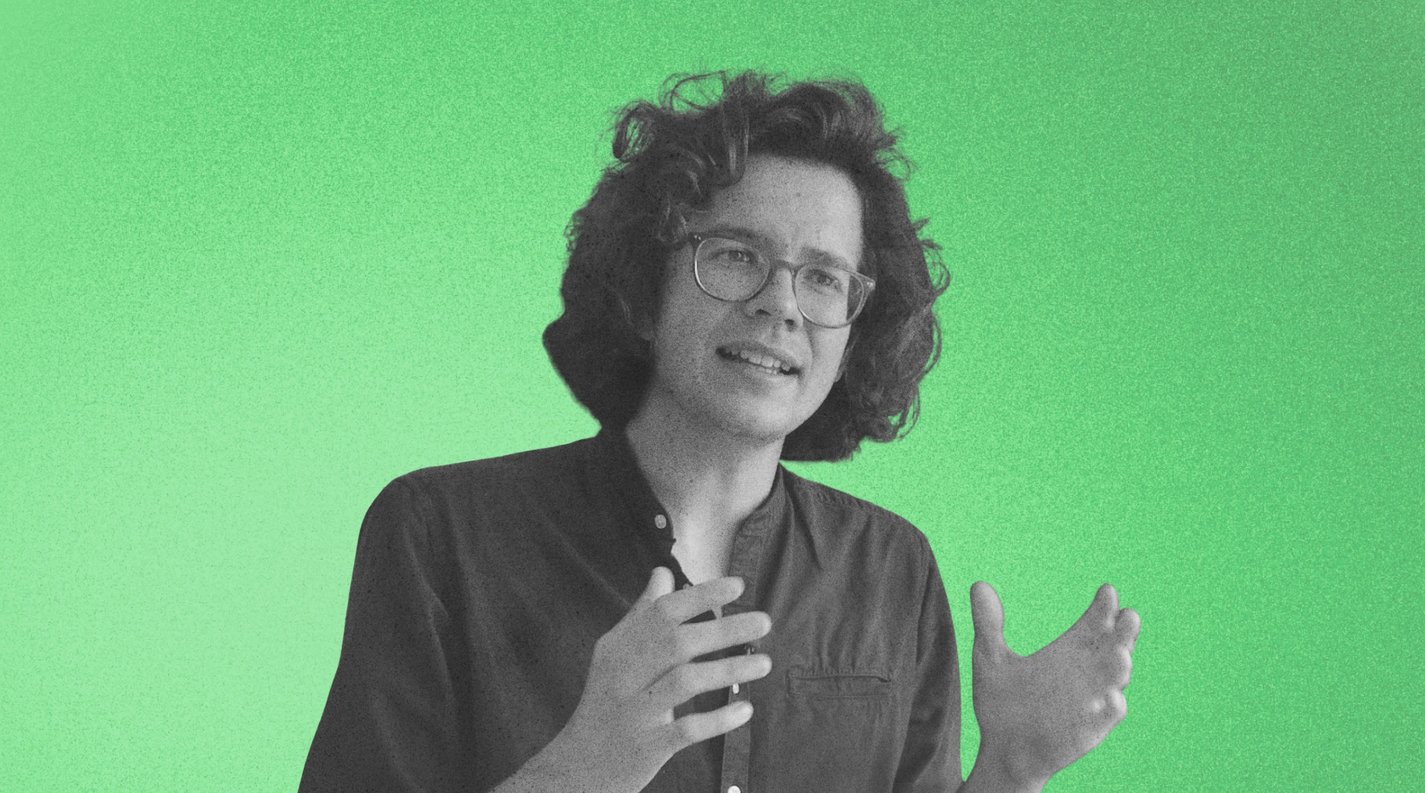
«It's incredibly important to plant trees close to where people are»
Urban greenery is emerging as a critical component in the fight against the climate crisis. Trees are more than just symbols of nature — they are tools for environmental resilience, climate regulation, and urban livability. As cities face intensifying heat, pollution, and ecological degradation, restoring forests within and around urban spaces offers practical and sustainable solutions.
To explore this topic, we speak with Felix Finkbeiner, founder of Plant-for-the-Planet, an organization working to restore forests around the world. With him, we discuss the environmental and social value of urban trees, the challenges in regreening efforts, and how cities can store, rather than emit, carbon.
The reason we want to bring back trees and bring back forests are multiple. Obviously, they help us fight the climate crisis, they help protect biodiversity. For all trees, anywhere, if we grow these forests — if we grow these trees where people are, in cities, near cities — they also help us control temperatures in the summer, and they help provide clean air for people. And that’s why it’s so incredibly important that we don’t just plant trees far away, but we plant them close to where people are.
.jpg?w=1350&q=85&fit=max&auto=format)
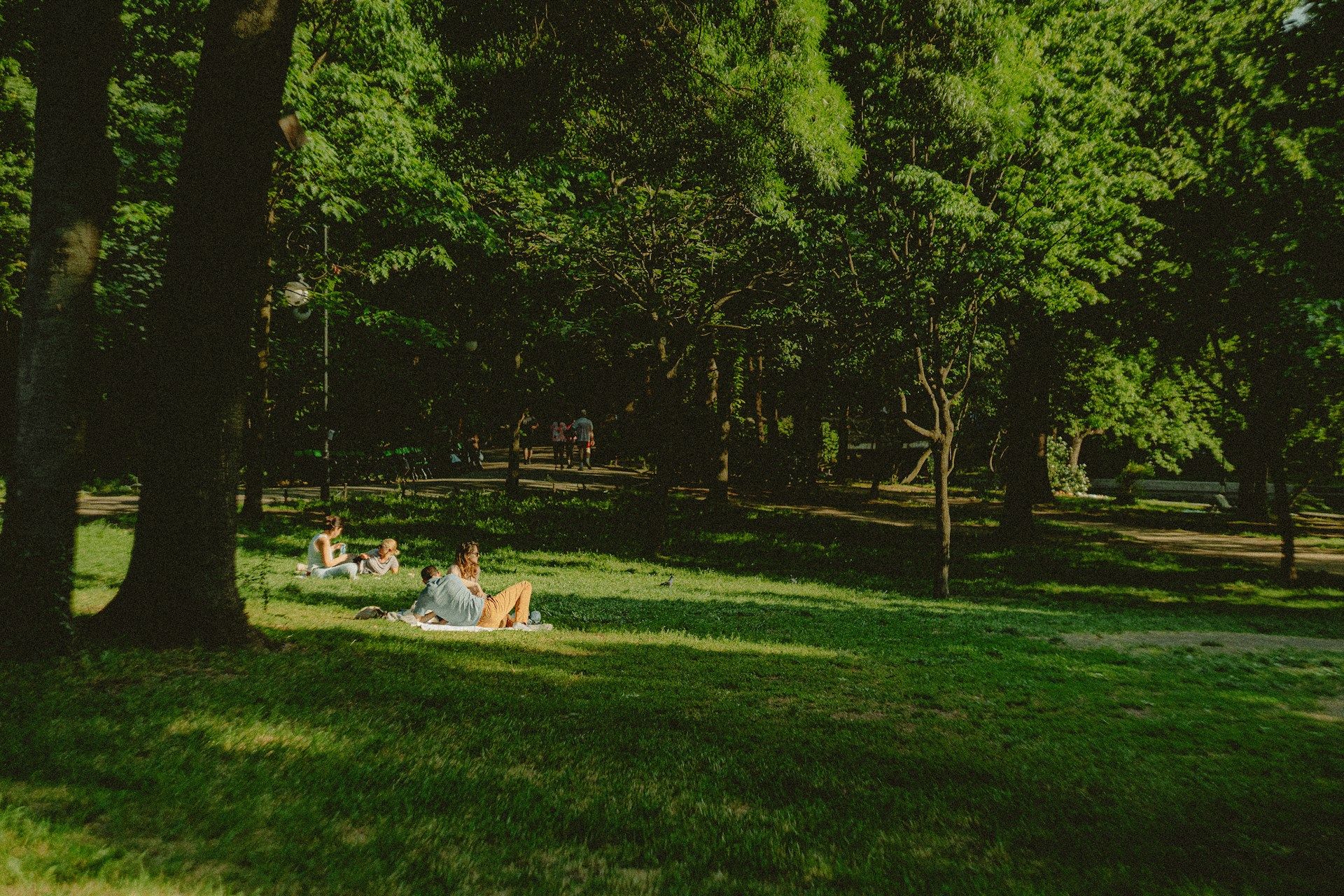
Image by Demeter Alexandru on Unsplash
The biggest challenge in regreening is usually that when you’re working in cities, you have to figure out so many different land rights, that in the end, planting a tree — which is usually relatively cheap — becomes very expensive. If we are to make a meaningful difference in the quality of life of people in cities, we need to manage to restore forests, to plant trees at scale. One example is the city of Granada, where we’re currently working to plant 200,000 trees. Now, lining up all of that approval at the beginning is really tricky and takes a long time. But only if you do that preemptively can you get to a point where planting these vast numbers of trees is affordable. Otherwise, you’ll spend hundreds of euros, if not thousands, per tree — and you cannot afford to meaningfully regreen your city.
The climate crisis is an enormous challenge, and of course, the most important thing we have to do is reduce our greenhouse gas emissions. Without that, preventing the climate crisis is impossible. And here, construction — the way we build buildings — is essential to addressing the climate crisis. Very simply, about 13% of all our greenhouse gas emissions come purely from the construction industry — from producing cement and from producing steel for construction. So we have to find a way to avoid these 13% of emissions, and the best thing we can do is shift construction to wood-based construction.
Why? First of all, we don’t produce vast amounts of emissions when we grow trees to build buildings. And second of all, these buildings then continue to be carbon storage. So these trees, when they grow, absorb vast amounts of CO₂, and that CO₂ is then stored in the wood, in the tree — and when it’s converted into a building, that carbon continues to be stored there.
So if we can increasingly shift to wood-based construction, we can build houses that don’t cause emissions but actually store emissions. That’s the most important thing we can do in cities. But of course, in the next step, we also have to regreen — directly in our cities, and also the environment around.
I would like cities to be green spaces. I would like everyone to be able to appreciate their home country’s biodiversity — not out in the forest, but directly at home, in their city. ●