.webp?w=1425&q=85&fit=max&auto=format)
«Second cities are becoming attractive for people and resources»
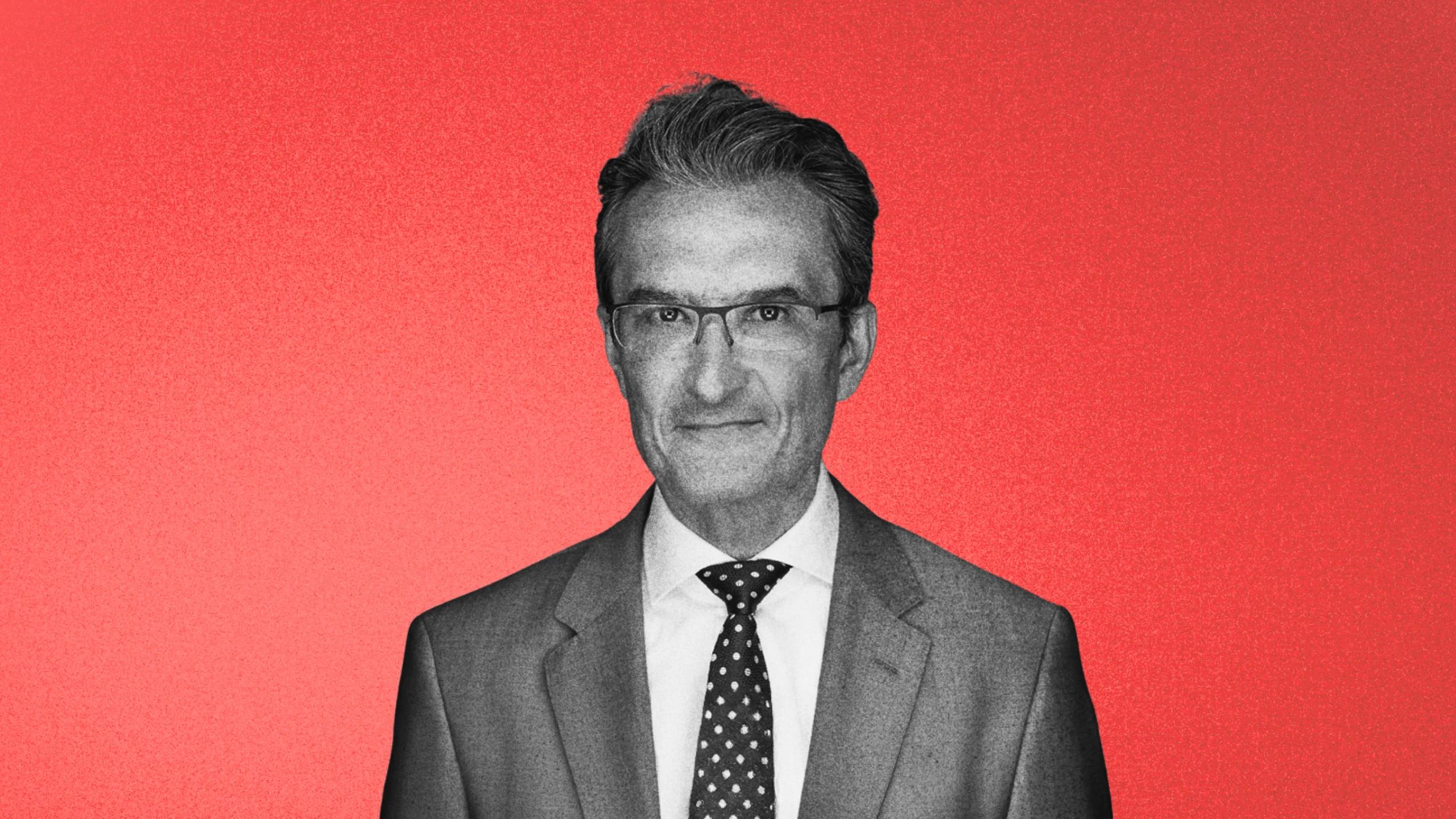
Arturo Bris ranks among the top 100 most-read finance academics in the world. He is Professor of Finance and leads the world-renowned IMD World Competitiveness Center (WCC) in Lausanne, Switzerland, which has pioneered research on how nations and enterprises compete to lay the foundations for future prosperity for more than 30 years.
Since 2019, IMD WCC added a city-focused ranking to their range of research products. This is how the IMD WCC Smart City Index was born, assessing both the economic and technological aspects of smart cities and their “humane dimensions” — quality of life, environment, and inclusiveness. In 2023, the fourth edition of the index looked into city living in 141 cities, placing Zurich (Switzerland), Oslo (Norway) and Canberra (Australia) in its top 3.
At CitiesToBe we had the opportunity to intersect Arturo’s vision and expertise on global competitiveness with the perspectives facing the urban world.
A city is basically a group of people that decide to live together and that, of course, needs to get together in a way that provides the right services for everybody. I think that the city has to be an attractor.
We look at competitiveness from the country’s point of view and we talk about how competitive China is or how competitive Brazil is. But more and more we see that economies are moving towards cities as centers of attraction. Today, for example, it is very difficult to talk about the United States as a single country, because there are many differences between Los Angeles, Minneapolis or Austin. So, more and more, the economic focus is put on cities. And this also means that governments and countries need to focus on the development of cities as centers of economic activity. I bet that in the next hundred years, a big part of the world’s population will be living in cities — if not 80 or 90%. We need to take them into account.
We realized that when assessing competitiveness, you cannot ignore that there are differences within countries. So let me say first that competitiveness refers to prosperity, to the ability to generate prosperity. And that is how we attack the study of smart cities — for us, a smart city is a city that uses technology to generate prosperity for their citizens.
Based on that, and answering your question, some of the lessons that we have learned is — number one — that very often there is a divide between technology and citizens’ needs. It has been considered for some time that having a smart city is about having smart traffic lights, smart cameras, and smart parking without realizing that this technology needs to fit the needs of the citizens.
The second lesson that we have learned is that the best cities tend to be the mid-sized ones. The cities that rank on top are cities like Singapore or Zurich, which are not mega cities. And in fact, none of the megacities from China, for example, are even in the top 20.
And the third lesson is that it is very important to listen to citizens. Our ranking compares perception of citizens with what it is truly done in the city, and what we have found is that many times there is a big gap, a mismatch that tends to exist in many cities.

Image by Alex George on Unsplash

Image by Maresa Smith on Death to Stock
The competitiveness of the countries is going to be determined to a greater extent by how well cities are placed.
I think there are two big trends that we will see happening. One is the fast and impressive development of cities in certain parts of the world, primarily Southeast Asia and the Middle East, where you have cities like Medina or Jeddah in Saudi Arabia, but also Dubai and Abu Dhabi as well as Bangkok, that are focusing a lot on human development and they are going to make an extraordinary progress about it. And this means that they are going to also bring their countries to become more competitive in that trend.
The other trend is towards second cities. If you look at countries in the western side, you see that governments are trying to develop cities that are not necessarily the capital city. That is what we call second cities — and second cities are becoming more and more important. For example, Manchester in the United Kingdom or Austin the United States. These type of second cities are becoming an attractor for people and resources and they are undermining the position of the big megacity or the capital in the country.
I would like cities to be sustainable, listening to the needs of citizens, advancing technology, and primarily contributing to generating prosperity, quality of life and promotion of human development. ●