«Each city pioneers something — even if that simply means confronting its own challenges»
«Each city pioneers something — even if that simply means confronting its own challenges»
This interview is part of the series ‘10 Years, 10 Urban Ideas’, a special feature created for Anteverti’s 10th anniversary.
Throughout our 10 years, at Anteverti we have worked to help cities in their search for smart and efficient solutions. But cities do not exist in an isolated environment—they are related to their metropolis and the region in which they are inserted, and an adequate approach to urban affairs depends, to a large extent, on the collaboration between the different levels of government. This also happens, naturally, in Catalonia, where Anteverti was born and where we have carried out more collaborations since 2011.
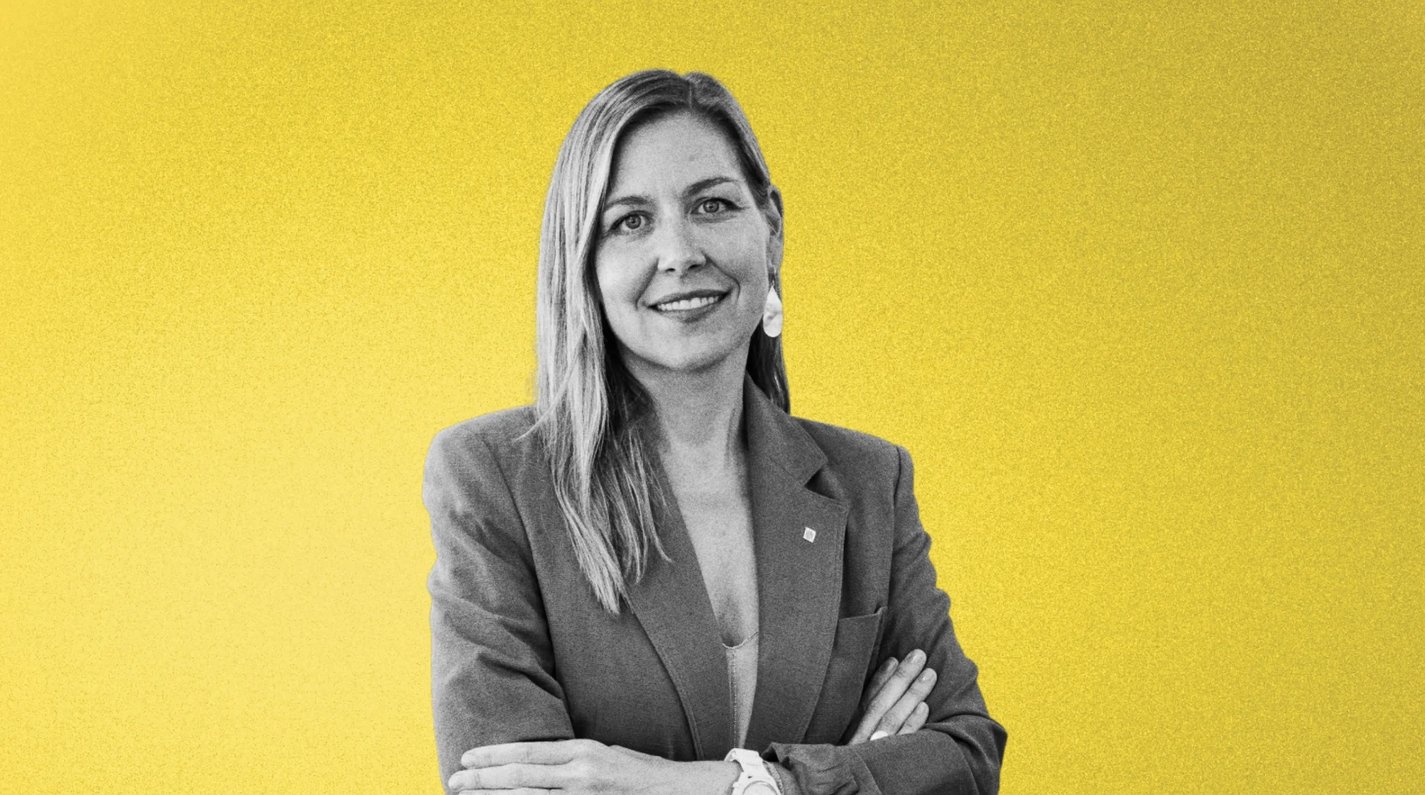
One of them is the support provided recently to the Government of Catalonia for the elaboration of the “Agenda of towns and cities Catalonia 2050”, Catalonia’s new urban agenda — which was launched in June 2022. Today, it is a pleasure to have in this series Maria Galindo Garcia-Delgado, Director General of Digital Nation and Urban Agenda of the Government of Catalonia (2021-2022). Let’s take a look at her answers to our 10-item questionnaire.
I am from Barcelona. Barcelona is my city, and the city no matter where I go, I always go back to!
One virtue? Its unique soul — in everything: architecture, urban deployment in different one-of-a-kind neighborhoods, gastronomy, the most amazing urban beach, a tech scene that puts Barcelona at the top of cities world-wide, amazing museums to get lost…
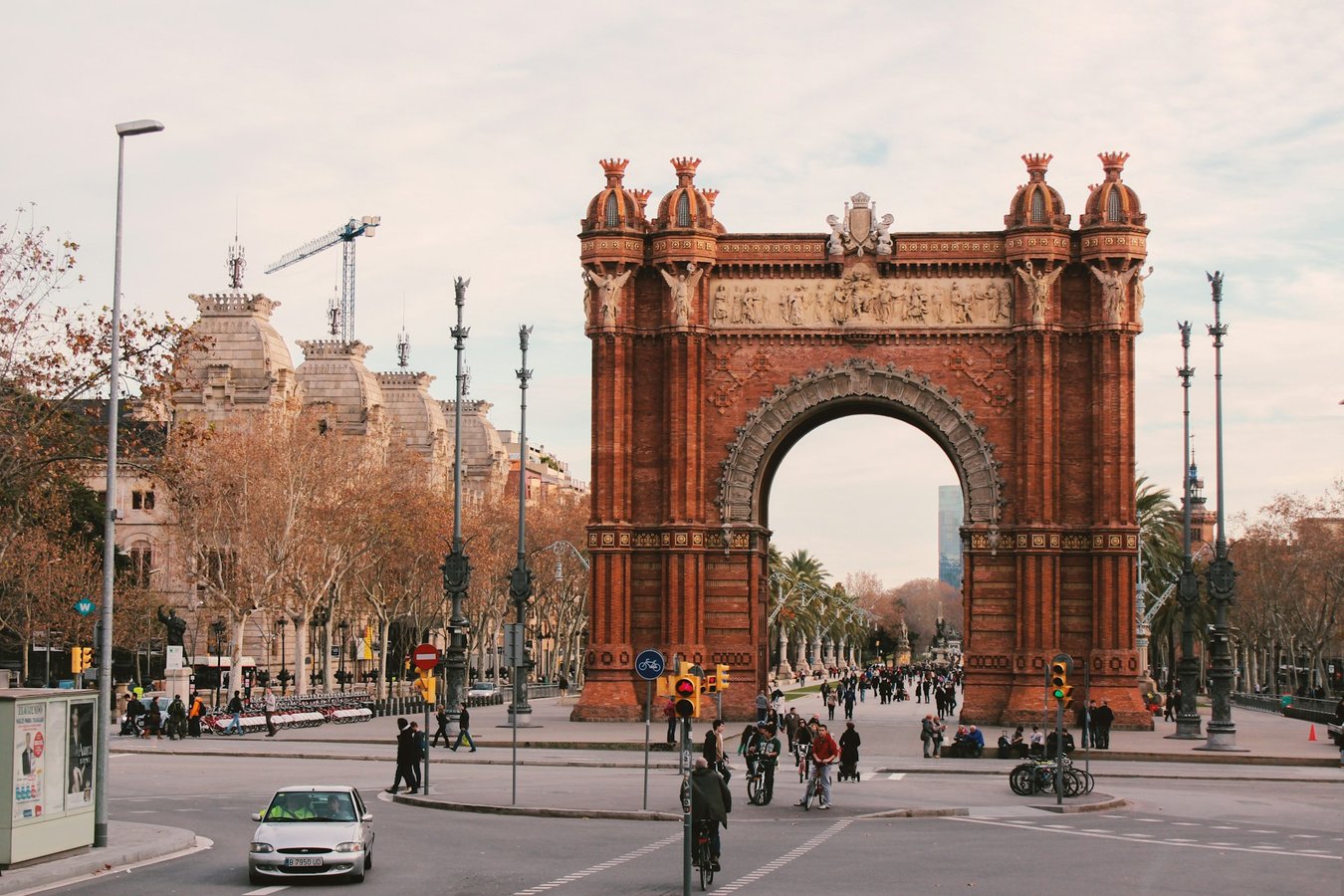
Image by Kristina Skoreva on Unsplash
There is no doubt that one of the most profound transformations of recent years has been digitalisation. Accelerated by the Covid-19 pandemic, technology has reshaped our urban habitats: our homes are no longer only places to live, but also to work and spend leisure time. This shift extends to our buildings, neighbourhoods, and cities as a whole.
At the same time, a stronger sense of community and belonging has emerged. People increasingly identify with the places they live in and seek to play an active role in shaping their development.
Alongside this, growing awareness of the climate emergency is influencing how we think about our urban environments, from mobility and transportation choices to the need for greener, more resilient public spaces.
I’ve been working for a number of cities worldwide and I think that at some point each city pioneers at something— even if that means just confronting their challenges.
Nevertheless, I was (and still am) amazed at how back in 2003 London launched the congestion charge. That’s almost 20 years ago!
I’d say let’s look at the African continent and its development in the years to come.
Pilar Conesa — she knows who, what, where, when in the urban scene better than anyone. And Vicente Guallart — he’s got that talent to always envision urbanism 10 years from now.
...will be amazing places full of green and empty of cars. ●