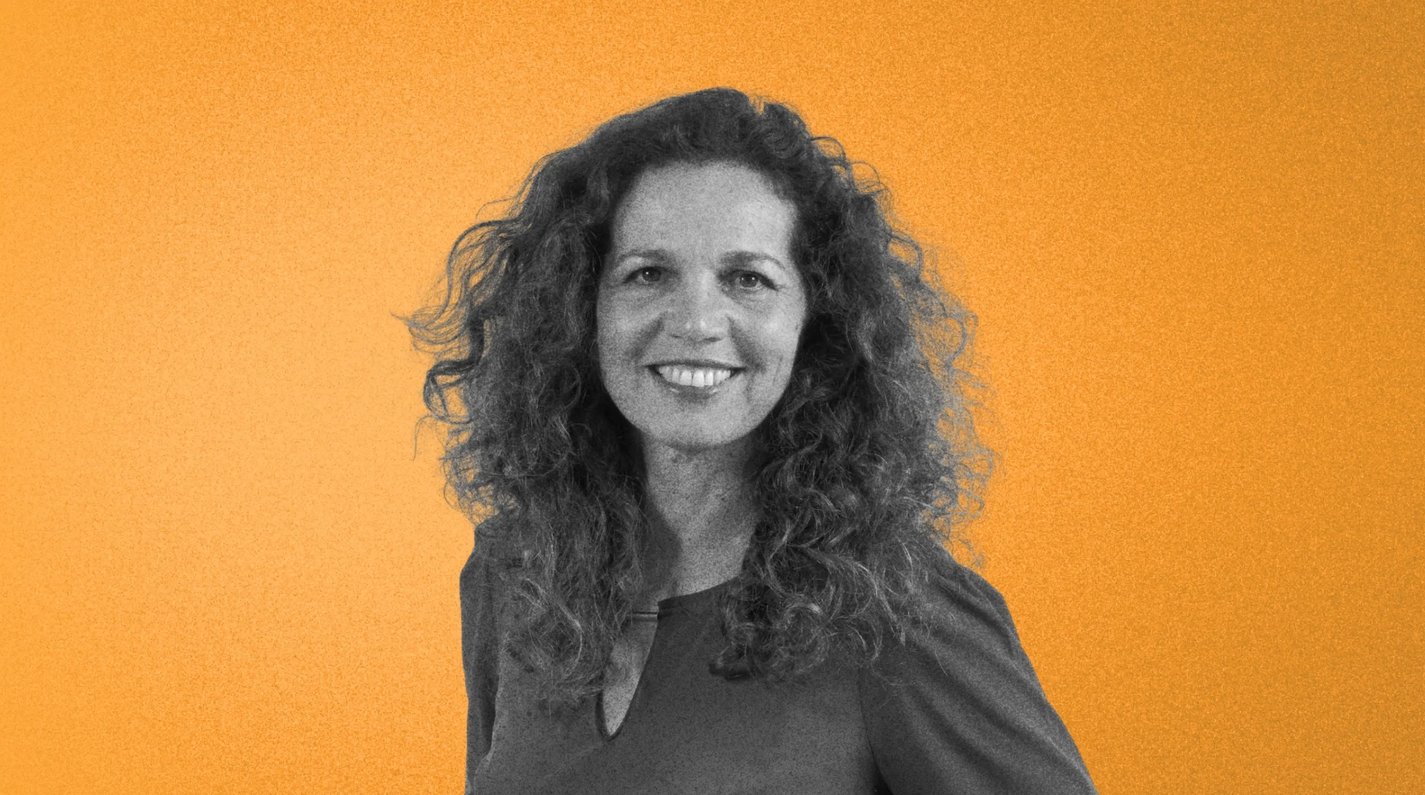
«You can’t talk about a 'benchmark city' without talking about New York»
This interview is part of the series ‘10 Years, 10 Urban Ideas’, a special feature created for Anteverti’s 10th anniversary.
«Raising the quality of life of each Tel Avivian through partnerships that enhance the city’s values of openness, innovation, inclusion, and opportunity» That is the goal of the Tel Aviv Foundation, the institution of which Dr. Hila Oren is CEO.
A city maker with a deep passion for urbanism and a vast experience in city making, marketing and branding, Dr. Hila Oren has always been involved in making her city a beacon of innovation and positioning it as a global leader. Her efforts contributed to Tel Aviv being recognized as the ‘smartest city’ in the World in 2014 by the World Smart City Awards, delivered annually at the Smart City Expo World Congress in Barcelona. It is also because of her work that we met Dr. Hila Oren years ago — and today we are very pleased to present her contribution to this series.
Here are Dr. Hila Oren‘s answers to our '10 Years, 10 Urban Ideas' questionnaire.
Tel Aviv is a non-stop inclusive ergonomic city — a pioneering vibrant, dynamic city that constantly changes and shifts. A city that listens to its residents and creatively reflects their wishes, wants and needs. A city that welcomes all, where social responsibility and community life are fueled by the innovative spirit of the start-up city. From the beach to the high-rise, high-tech offices of the top companies globally, Tel Aviv will sweep you off your feet and inspire you to grow.
Firstly, I'd mention public spaces. Cities have been looking to the outside to answer the most basic needs of each resident — creating Pocket Public Spaces that embody the urban values of pluralism, equality, freedom, and quality living for all. Safe, welcoming spheres where anyone and everyone can meet, work, and study. The global shift toward public spaces that function as “equalizing outdoor community centers” betters the well-being of both visitors and residents alike.
Secondly, shared economy. City bikes, “Ototel” (municipally operated care rental share in Tel Aviv), small community gardens, where communities grow food together in the middle of the city — cities across the world have been providing more and more sustainable affordable solutions that allow residents to share resources, consume less than in turn strengthen a sense of community.
Public Spaces and Shared Economy would not exist without the urban technological revolution we have seen, across the world, in the past 10 years
And finally, technology. Harnessing the power of new technology — from citywide WIFI to municipality apps, advance residents’ well-being in urban areas across the world. Connecting communities, creating safer streets and public spaces, changing the way we commute, global cities have applied innovative thought to creatively use new technology in impactful ways that enhance urban values.
You cannot talk about a 'benchmark city' and not talk about New York City, the original Gotham. From the Spanish Flu to 9/11 and Covid-19, the resilient NYC repeatedly reinvents itself with inspiring flexibility and changes accordingly to its resident’s needs at the time. A leader in well-planned, high-end public spaces such as Little Island that acts as an equalizer — where everyone is welcome to use a carefully thought out, luxurious, multifunction public sphere.
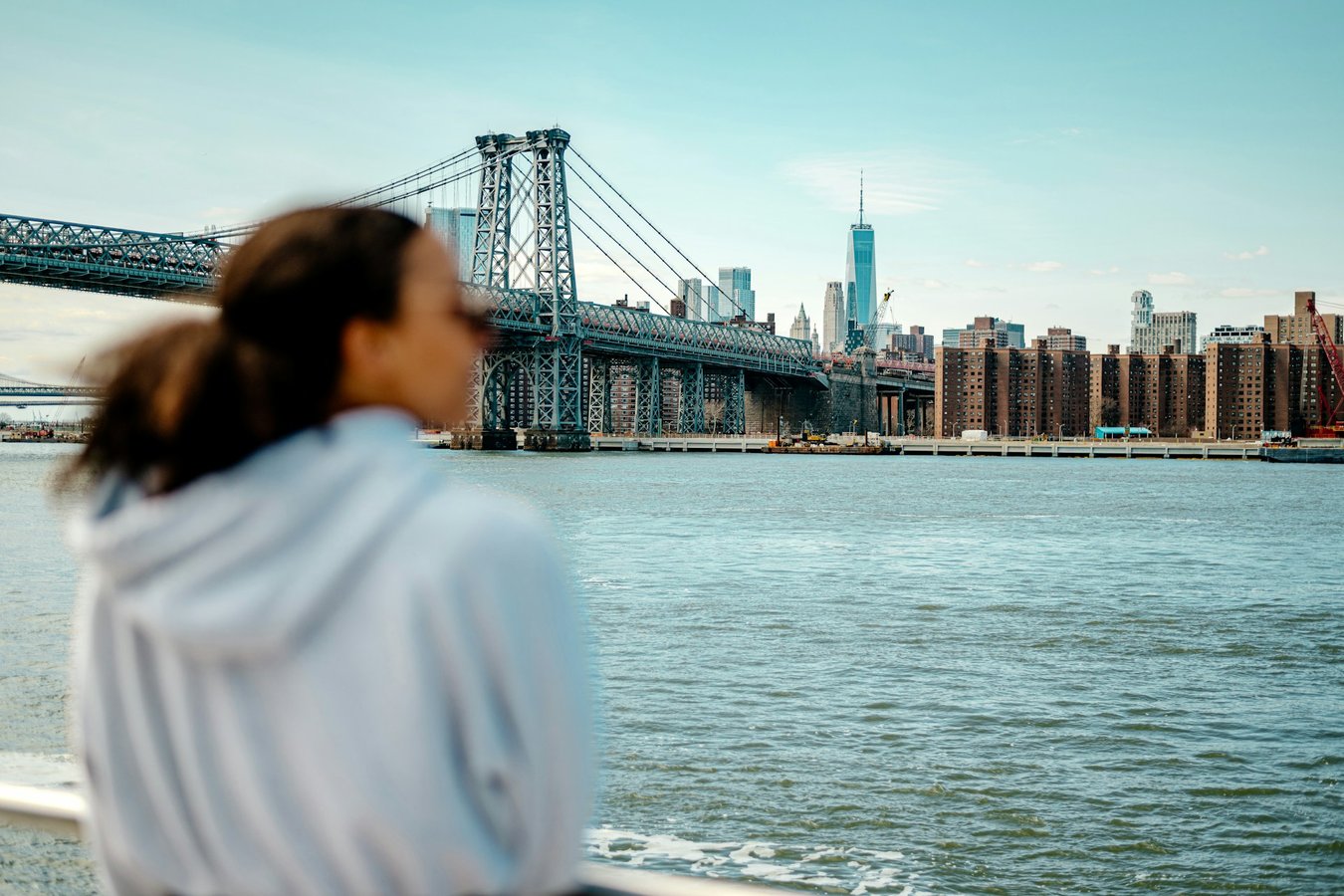
Image by Katelyn Perry on Unsplash
My emerging city is Christchurch, New Zeeland – a city that had managed, with great sensitivity, to weather the storms brought on by an earthquake and a deadly shooting in a Mosque. Putting the resident’s needs at the heart of the municipality’s actions, Christchurch has become an inspiring city that knows how to turn words into actions— successfully rebranding from the Garden City to the Exploring City — inviting travelers and explorers worldwide to join the wonder that is Christchurch.
To me, Professor Saskia Sassen, who coined the term “The Global City” and whose research makes us all better urban planners, and Jane Jacobs, an inspirational city-maker, an urban visionary, and a great believer in Social Capital — are one of my most admired urban experts. Their ideas, from years back, combined, are at the heart of the ergonomic cities of 2022.
With his tattoos and seemingly casual attitude, Yiannis Boutaris, the former mayor of Thessaloniki, Greece, is a true statesman that has brought the urban core values to Thessaloniki. An avid advocate of free speech, social responsibility, and equal rights to all, Boutaris fought, at times at the face of real resistance, to turn the city into a welcoming city to all religions, genders, and communities.
…the space and the place of inclusive, value-based, community life, creating ripple effects across the globe. ●