
«Asia is where the most interesting things are happening»
This interview is part of the series ‘10 Years, 10 Urban Ideas’, a special feature created for Anteverti’s 10th anniversary.
Throughout these 10 years, we at Anteverti have been weaving a solid and prolific network of experts with whom we collaborate regularly. One of them is Esteve Almirall, Professor of Innovation at Barcelona’s Esade Business School and Director of its Center for Innovation in Cities.
As passionate as we are about urban innovation and the link between technology and the city, Esteve was one of the founders of the European Networks of Living Labs, and has been deeply involved in the Smart Cities movement since its inception — just like us. Today, it is a pleasure for us to launch his contribution to our ’10 Years, 10 Urban Ideas’ series.
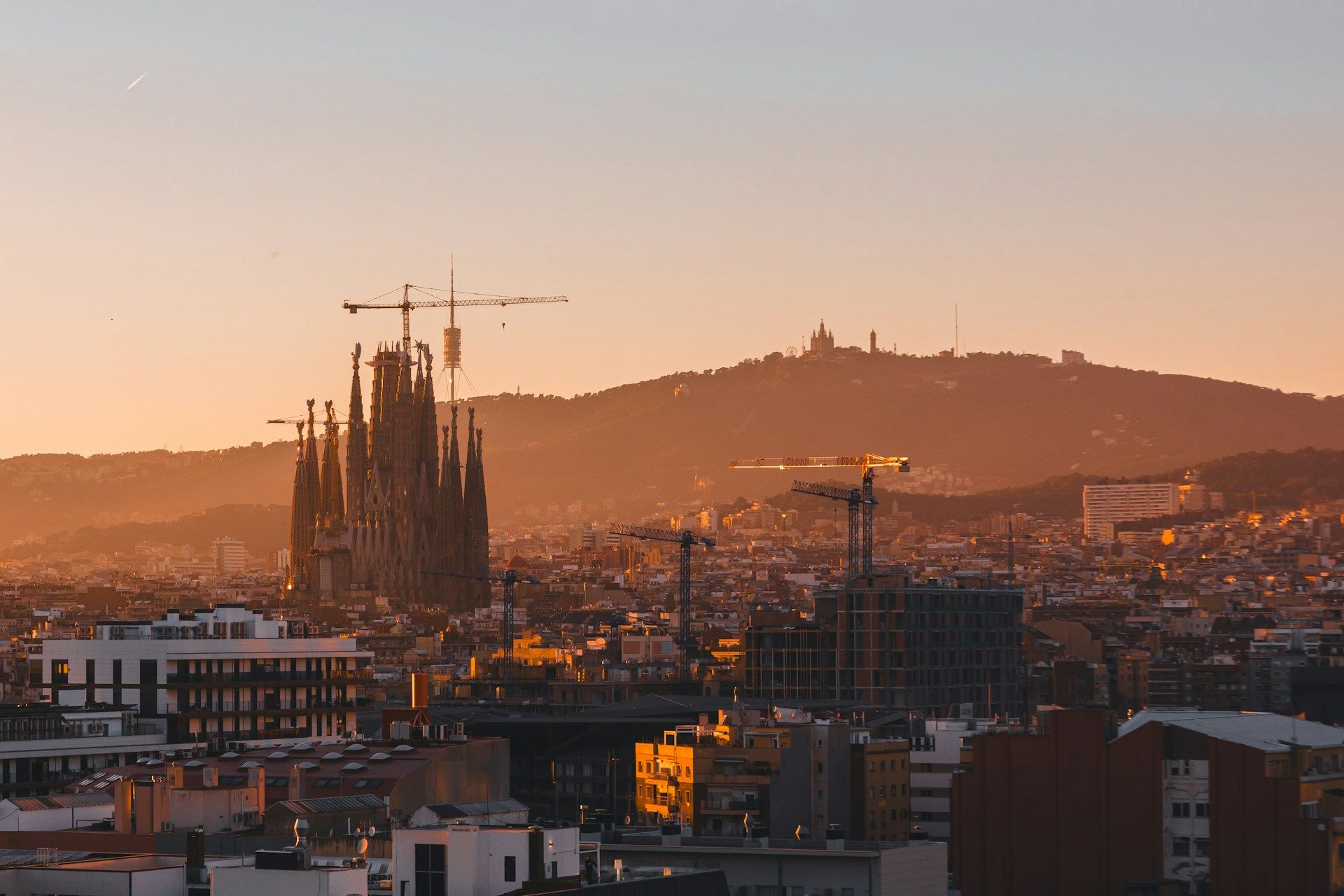
Barcelona is my city. What makes the city of Barcelona unique is its combination of common sense and rashness [‘seny i rauxa‘, as we say in Catalan] that has created some of the most interesting things we have and have happened in Barcelona.
1. The redefinition of mobility. We have witnessed the emergence of new mobility formulas and the transformation of existing ones. From cities where combustion engine cars and public transport were dominant we have moved to cities with bicycles, e-scooters and sharing mobility options. This, with the ambition of transforming vehicles from personal use to shared use, reconquering urban spaces and eliminating much of the environmental and noise pollution.
2. The redefinition of the city space. Urban space was meant for uses — not people. There is a clear reorientation towards creating more livable, people-oriented cities using a range of experimental tools to innovate — such as tactical urban planning aimed at adjusting spaces through fast, cheap and transitory experiments. New York City is probably the most representative example of the use of these tools to innovate by experimenting — and the best results can be found in Paris.
3. The redefinition of governance. Hierarchical governance of cities has evolved in two directions. In the first place, many cities have turned to being a platform that provides tools for civil society and citizens to develop. And on the other hand, we have seen how the emergence of data has transformed management into more accurate, experimental and evaluable management. Hierarchical decisions made from a political ideology give way to consensual decisions based on data and executed by a multitude of actors, not just the city council. A major step is the evaluation of projects and their rectification based on results.
The city where we see the most interesting transformations in recent years is without a doubt Paris. The micro-forests, the 15 Minute City, the radical change in the conception of mobility and the role of the city are evident in Paris. Obviously, transforming Paris is not easy, but the Parisian ideas and projects have influenced what we understand by Smart Cities around the world.
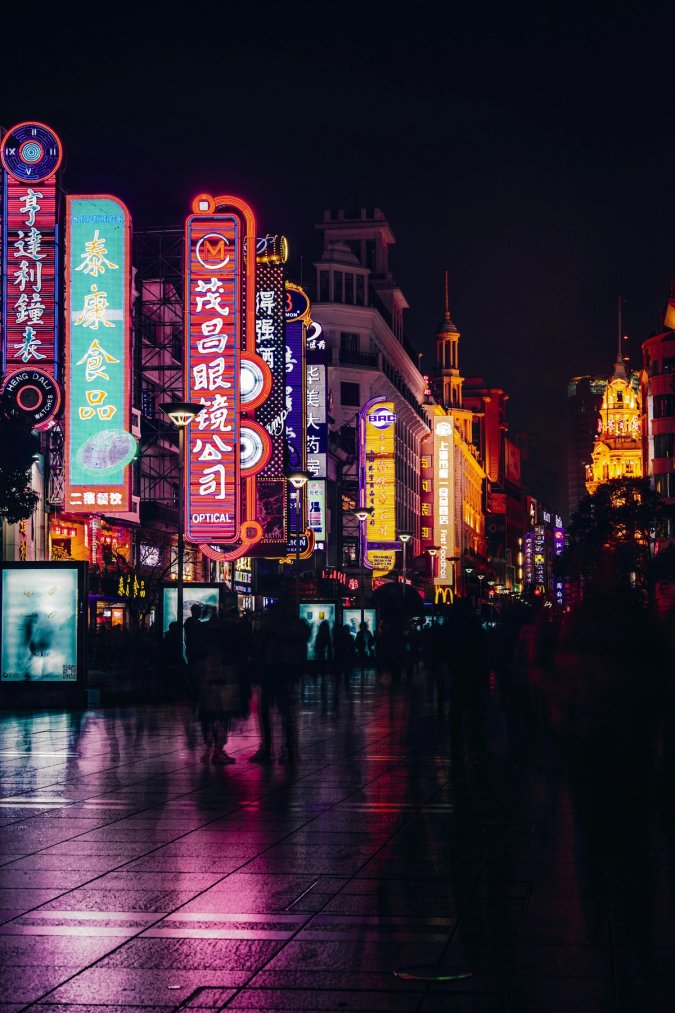
I think we need to look at Asia. That’s where the most interesting things are happening, which we obviously won’t always agree on. Integrated data processing in terms of mobility, security or assistance is without a doubt the most advanced in the world; and also the emergence of green neighborhoods or wooden buildings. But not only that: the integration of innovation in the city, as in places like Shenzhen and incubators like HAX, is something unique that advances us not only the industry future, but also the innovative ecosystems that will make it possible.
.jpg?w=675&q=85&fit=max&auto=format)
If there’s one idea that has had a global impact in recent years, it’s the 15-Minute City by my friend Carlos Moreno and its implementation in Paris by Mayor Anne Hidalgo.
The idea is simple, but its transformative power and its impact on the daily lives of those of us who live in a city is unprecedented. Cities are different before and after this idea, because their conception and goals change radically. It is also certainly admirable for its global impact, especially in the Western world, and for how it has penetrated very well all the new city projects that have been presented everywhere.
…cities will be more humane and digital. ●