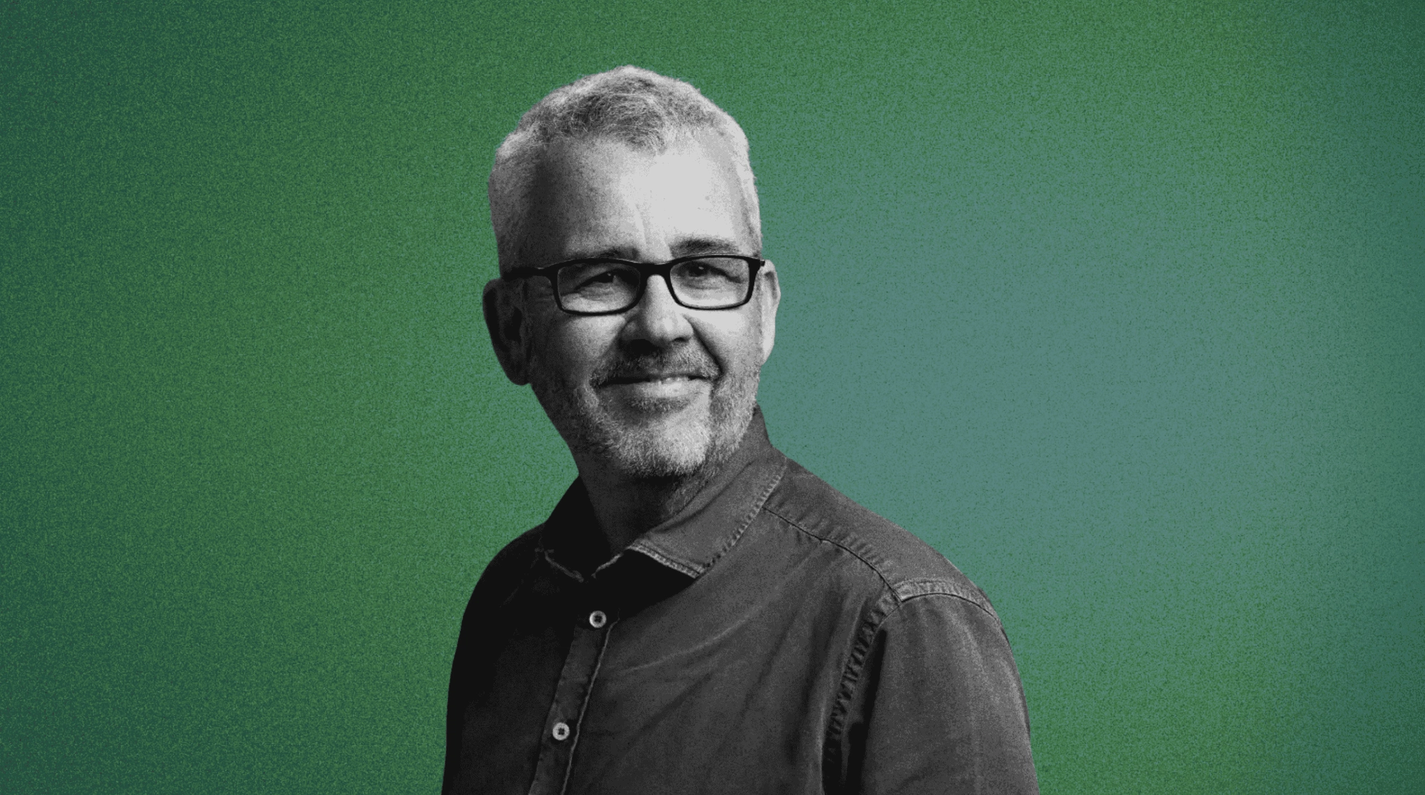
«In the coming years, urban innovation will be strongly shaped by China and Southeast Asia»
«In the coming years, urban innovation will be strongly shaped by China and Southeast Asia»
This interview is part of the series ‘10 Years, 10 Urban Ideas’, a special feature created for Anteverti’s 10th anniversary.
Independent think tanks are essential to help understand the dynamics behind the urban world — and make it move forward. Since 2013, CIDOB – Barcelona Centre for International Affairs has participated in more than 40 international research projects aiming at analysing the global issues that affect political, social and governance dynamics, from the international to the local.
One of CIDOB’s specific research programs is the Global Cities Programme, which focuses on the role of cities and metropolises in the generation and testing of global solutions, on their growing power within the international governance scenario and on their socio-economic and environmental challenges. And It is our pleasure to have Agustí Fernández de Losada, Director of CIDOB’S Global Cities Programme, in our series ’10 Years, 10 Urban Ideas‘.
Barcelona is my city of birth and residence. It is also the city that inspires and occupies me. Barcelona is an eminently rebellious city that uses creativity to try to transform reality.
1. Technological and digital disruption.
2. The centrality of the ecological agenda.
3. The growth of inequalities and social unrest.
Amsterdam, a city that has been transversally committed to innovation, placing the rights and climate agendas at the heart of its public strategies and policies. I find it very interesting.
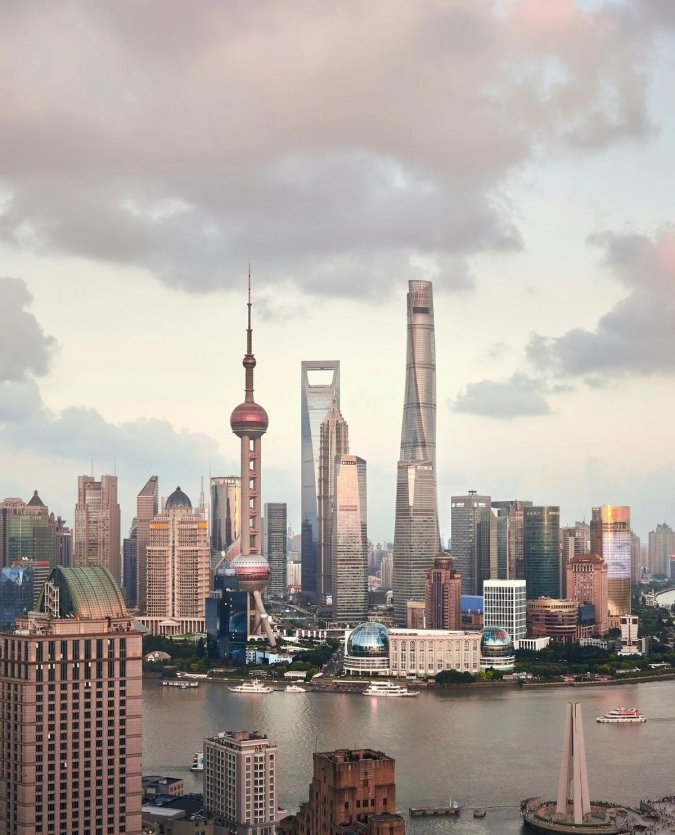
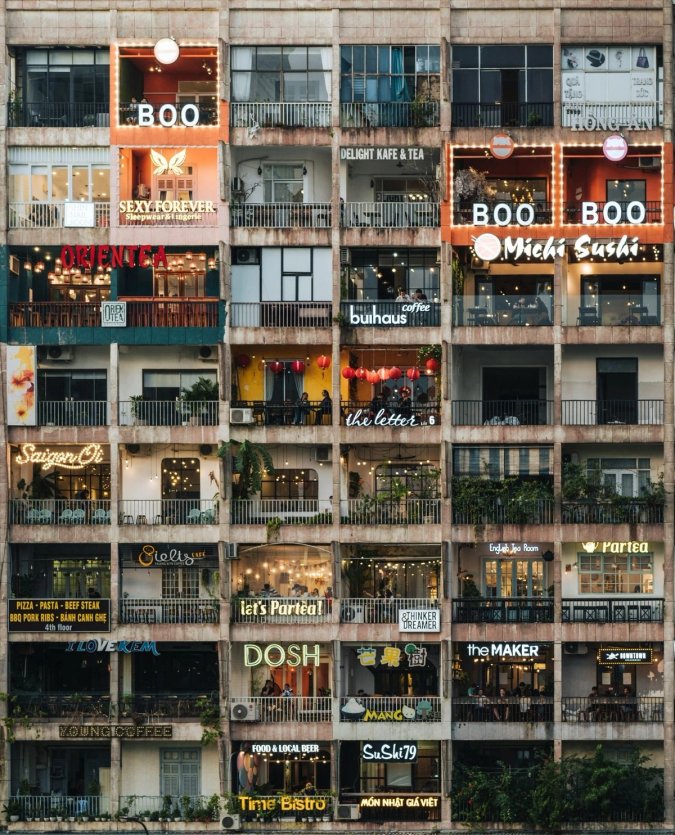
It is difficult to focus on a particular city. I believe that in the coming years the concept of urban innovation will be very marked by what is happening in the large urban regions of China and Southeast Asia. I think we also need to look at the urban explosion that will take place in Africa.
To be original I will choose a couple.
Saskia Sassen — for raising awareness of the concept of global city and explore globalization-related phenomena that distort urban life by generating segregation; and Richard Sennett — for his critical and provocative view of society, the urban environment and global challenges.
…even more unequal if we don’t aim for fair ecological and digital transition processes. ●