Much More Than Meeting Places: 5 Public Spaces Redefining City Life
Much More Than Meeting Places: 5 Public Spaces Redefining City Life
In a time when much of our daily life takes place in digital environments, the importance of physical public space has become more evident than ever. Cities need places where people can meet, interact, and experience life beyond the virtual sphere. Public space is no longer just the background of urban life; it has become one of the main settings where social interaction, environmental awareness, and civic identity take shape.
Public spaces are not only parks or plazas. They can be infrastructure, playgrounds, streets, reused highways, or former industrial sites. What defines them today is not their category, but their capacity to host life, absorb change, and respond to multiple urban needs at once. The most interesting examples are often those that allow several things simultaneously – working as social spaces, environmental infrastructure, cultural settings, and everyday meeting places, all at once.
Many of the most inspiring projects today share a common trait: they move beyond conventional design solutions to create spaces that are at once functional, meaningful, and resilient. Rather than being designed for a single purpose, they are conceived as open environments that remain flexible enough to evolve over time and accommodate different uses and communities.
From climate-adaptive squares to storytelling playgrounds or parks built on obsolete infrastructure, the following projects show how public space can enable community life, integrate multiple functions, and respond to environmental challenges at once - taking city life to the next level.
One of the clearest examples of how public space can combine play, identity, and community is the work of the Danish studio MONSTRUM, whose projects span countries across the globe. Their playgrounds go far beyond recreation, becoming immersive environments that function as true pieces of civic infrastructure. Rather than standardized solutions, each project is conceived as a unique environment inspired by local culture, history, or natural ecosystems. In this way, play becomes a tool not only for entertainment, but also for place-making and collective identity.
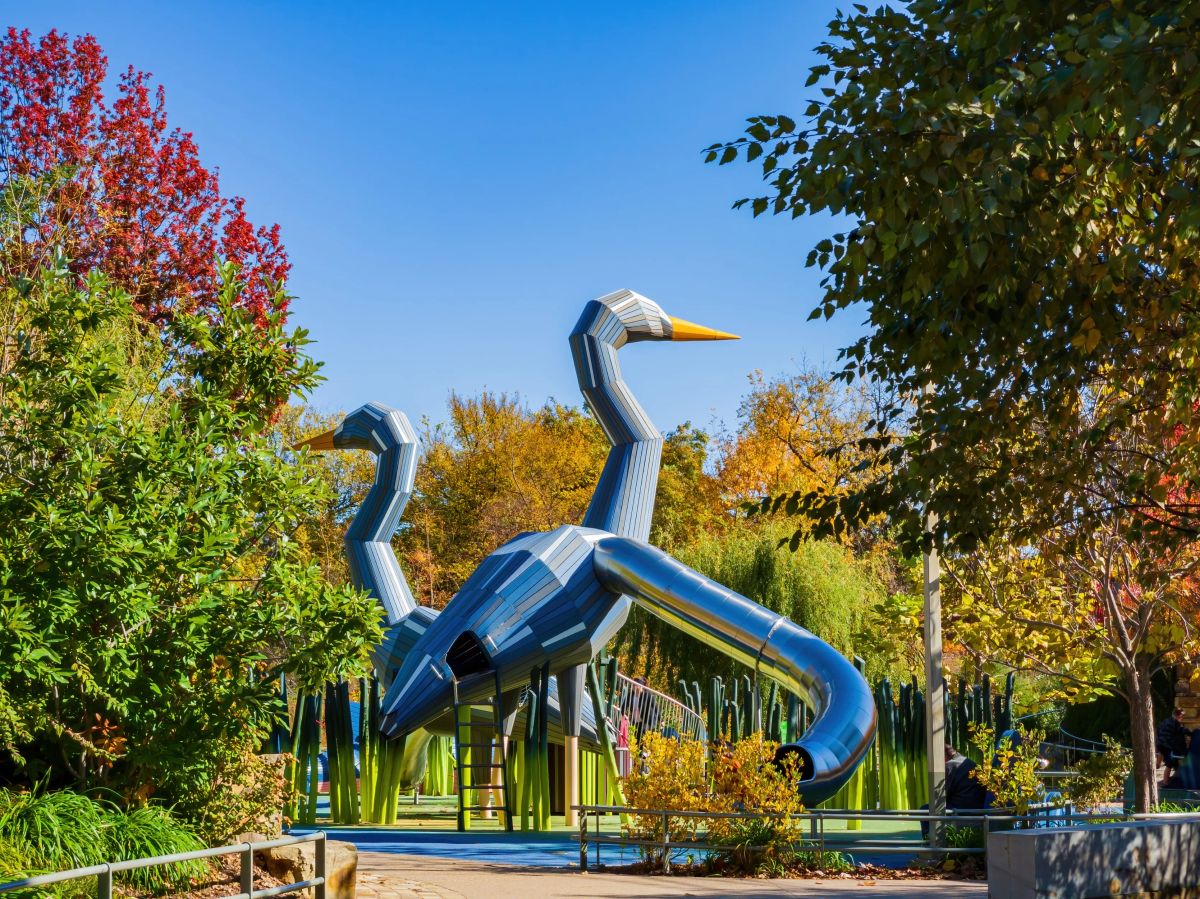
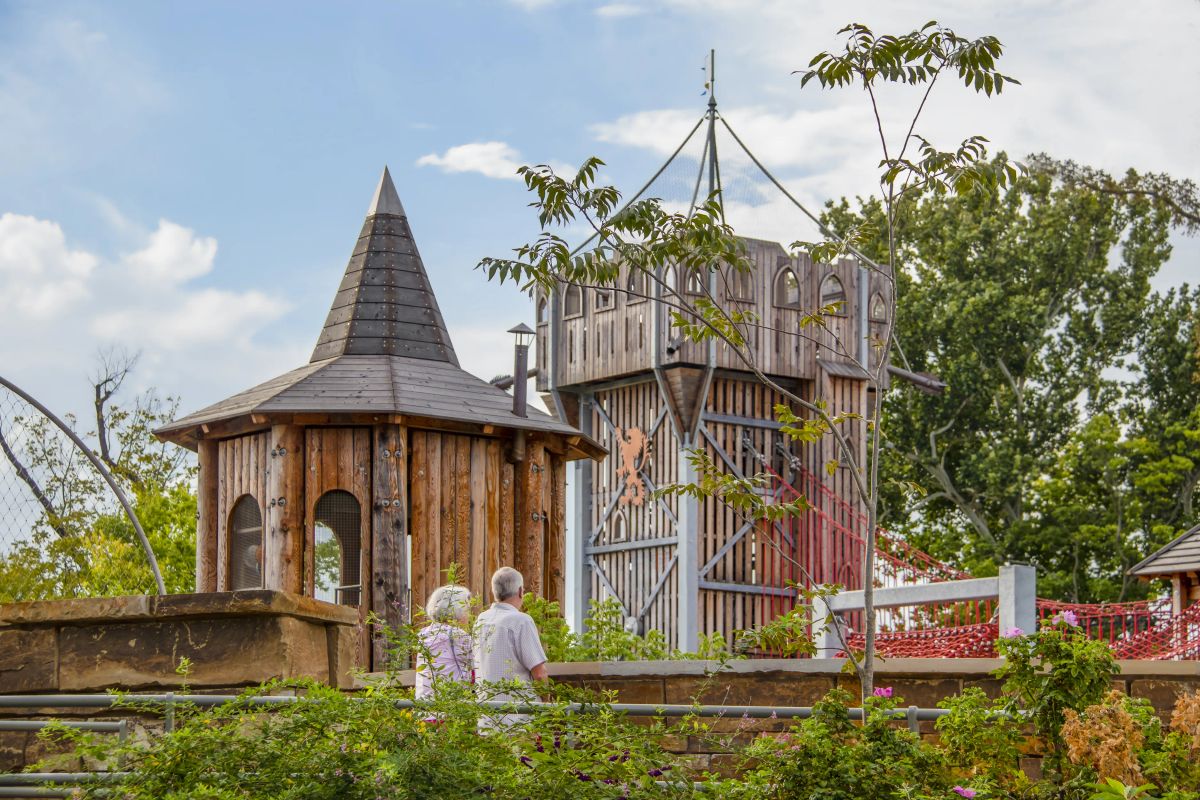
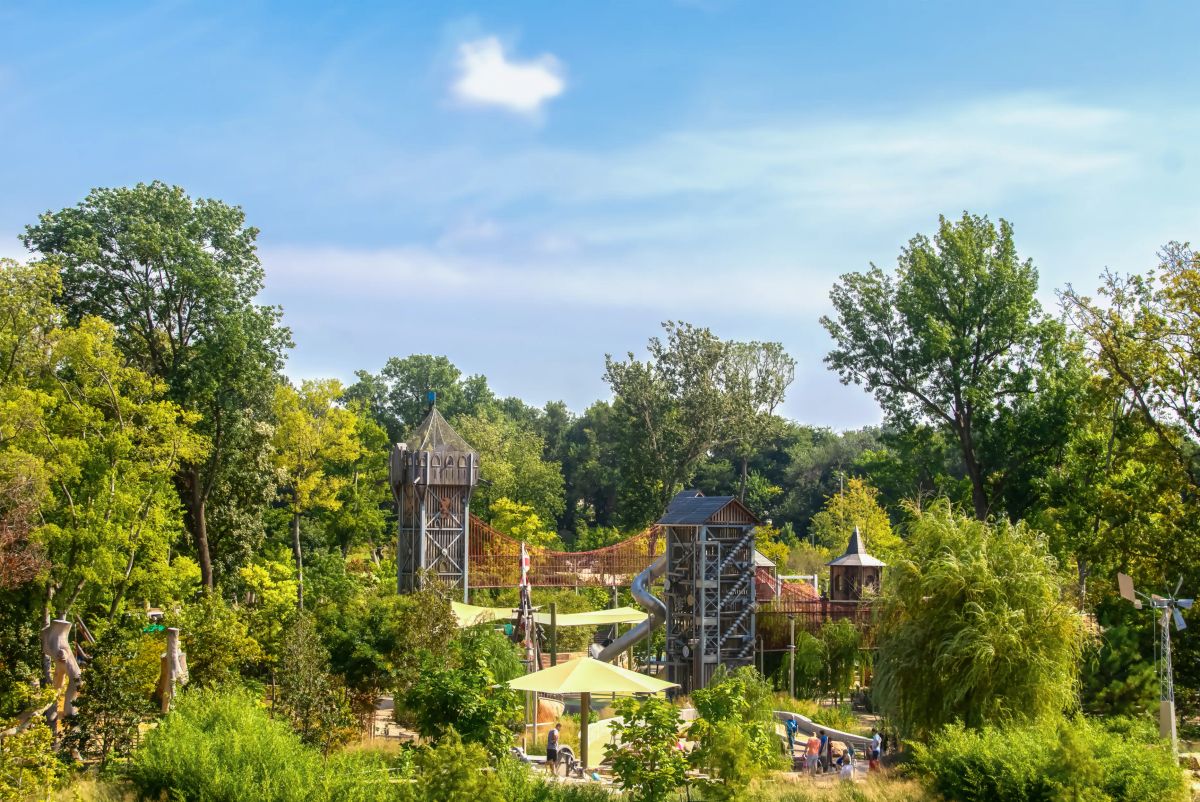
A particularly illustrative example is “The River Giants” playground at the Gathering Place park in Tulsa (Oklahoma, US). Inspired by the river wildlife, the structure creates an immersive storytelling environment that attracts both local families and visitors. In this context, play becomes a powerful tool for place-making, capable of generating identity and reinforcing the attractiveness of public space.
Inclusivity and accessibility are central aspects of MONSTRUM’s approach. Their playgrounds are designed for children of all abilities, integrating physical, cognitive, and sensory dimensions. Materials matter too: sustainability is embedded in both material selection and construction processes, with a predominant use of wood and durable low-impact materials. Through this approach, playgrounds evolve into a form of civic infrastructure, combining recreation, education, environmental awareness, and social cohesion.
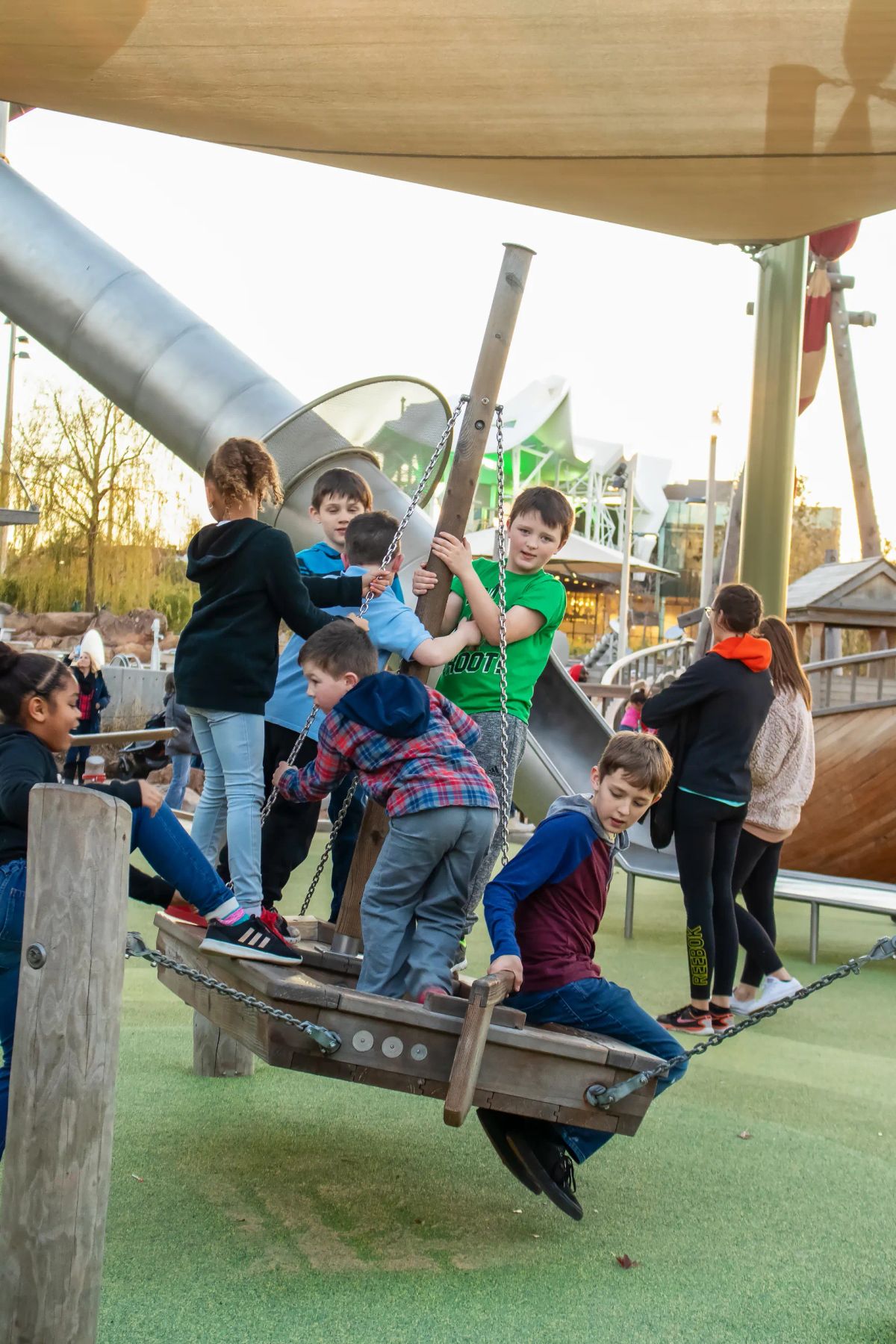
Images by Susan Vineyard on Dreamstime.com
The Waterplein Benthemplein in Rotterdam is a paradigmatic example of how public space can combine climate resilience, urban design, and social use. Designed by De Urbanisten, this “water square” transforms conventional drainage infrastructure into a visible and multifunctional civic environment.
Under normal conditions, the square operates as an active public space for sports and leisure. During heavy rainfall, it becomes something else entirely: it temporarily stores up to 1.7 million liters of water, helping to prevent flooding in surrounding neighborhoods. This dual functionality –an infrastructure with two lives– lies at the core of its innovation.
The project integrates blue and green infrastructure into everyday urban life without compromising usability or accessibility. It demonstrates how climate adaptation can be made visible and experiential, embedded within the public realm instead of hidden underground.
Beyond its technical performance, Benthemplein has become a key meeting point for the local community, particularly young people. By making water management something you can see, walk through, and play in, it also raises awareness about climate challenges, offering a highly replicable model for cities seeking to combine environmental resilience with vibrant public spaces.
%20(1)%20copia.webp?w=900&q=80&fit=max&auto=format)
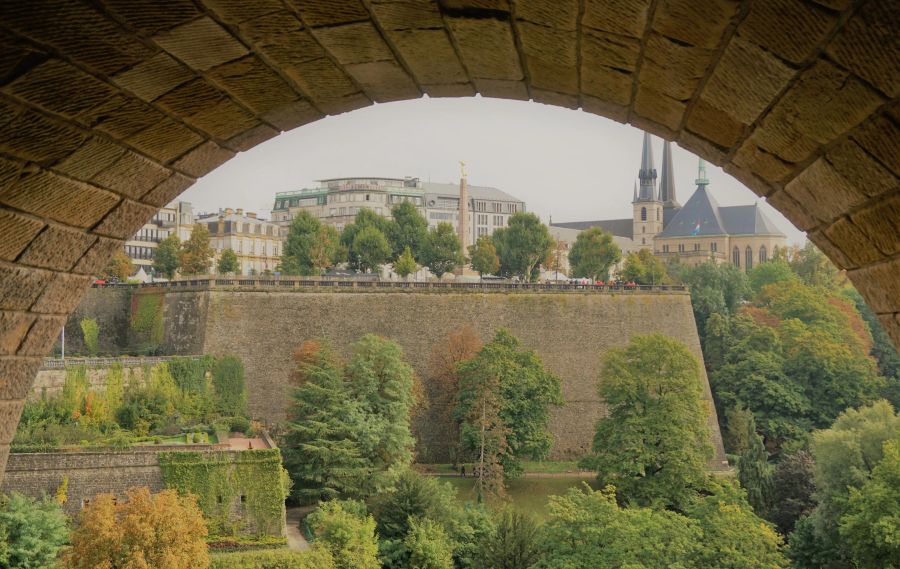
WorldWander, Shutterstock (1) | CBA Architects (2) | GilPe, Wikimedia Commons (3,4)
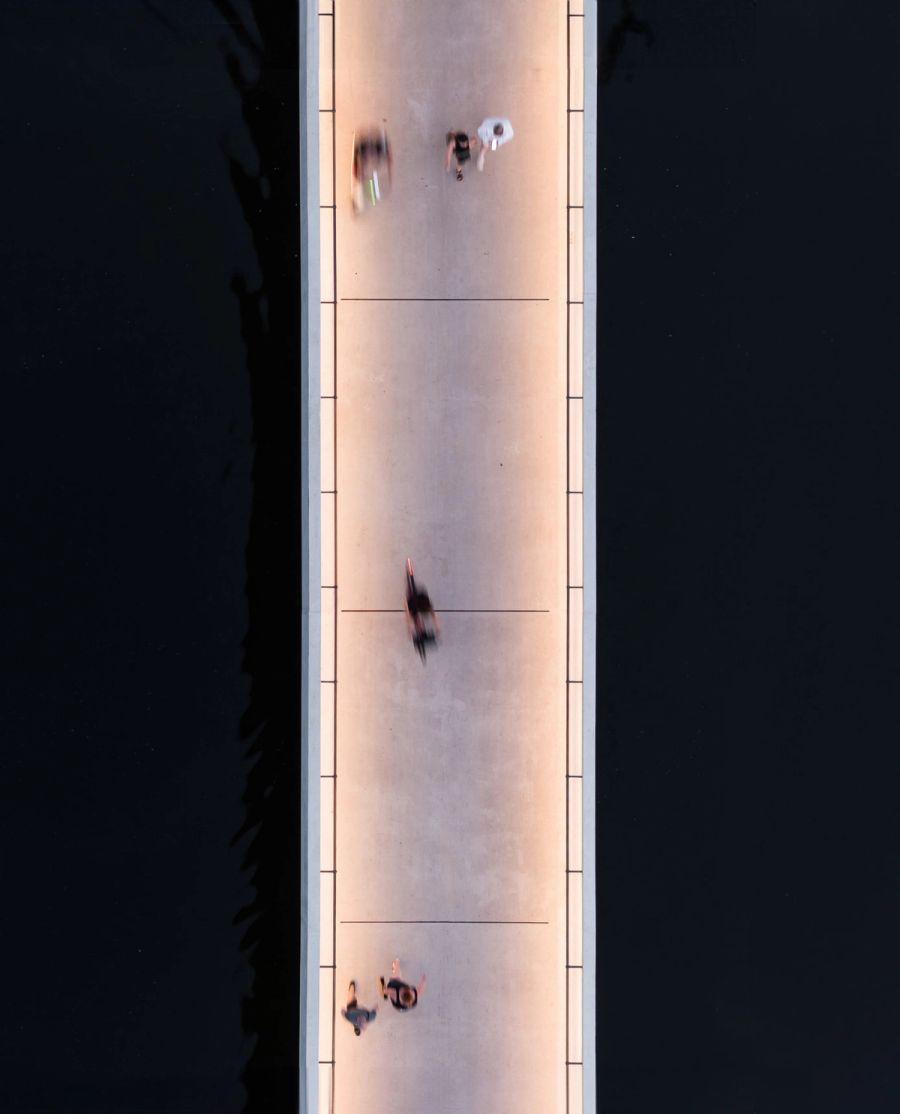
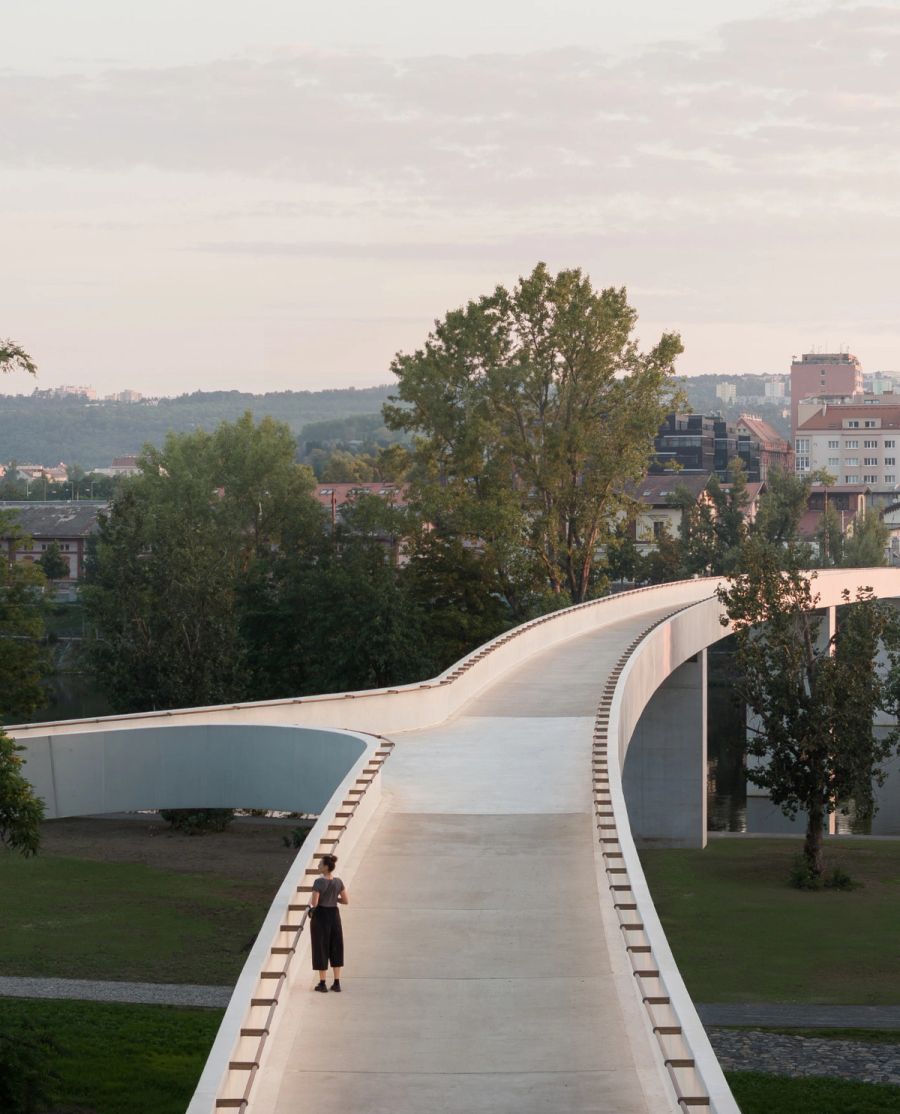
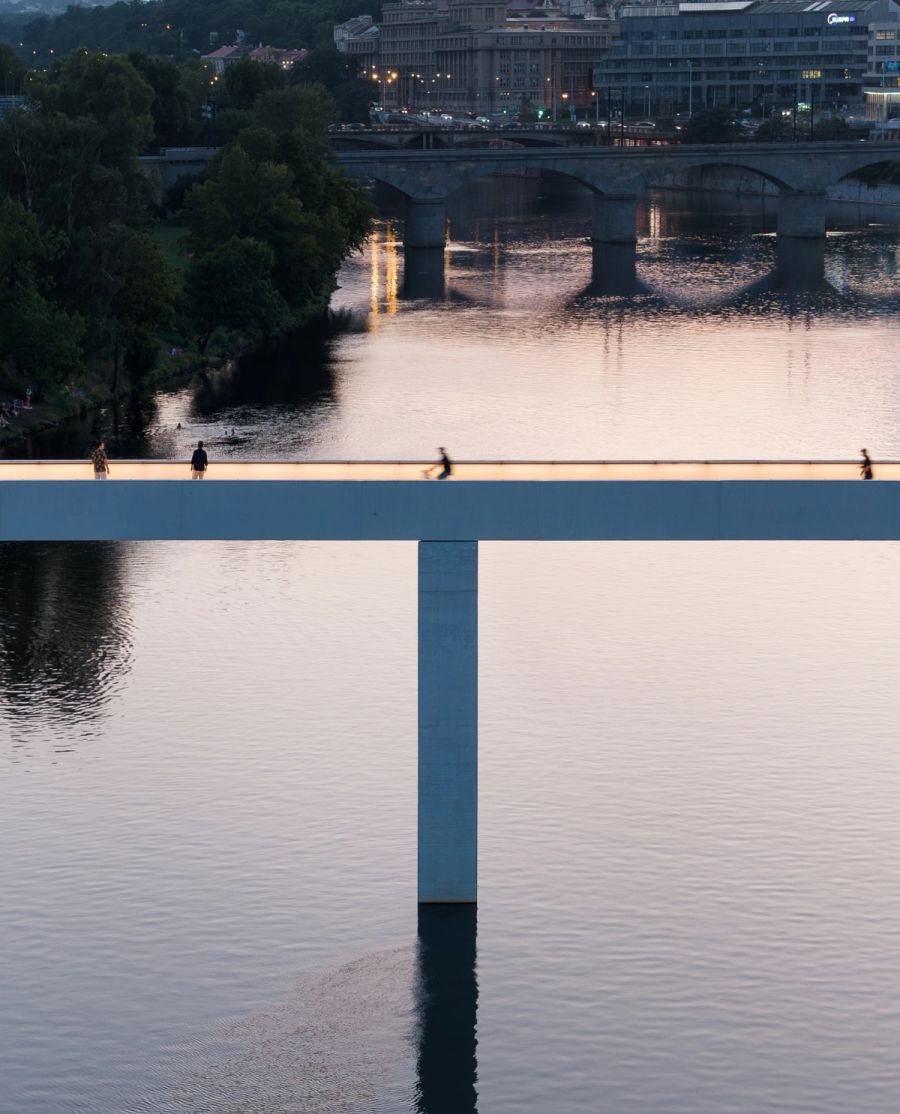
Jingyue Central Park in Changchun represents a new generation of large-scale public spaces where ecological design, digital innovation, and long-term operational thinking converge. Developed under an EPCO model (Engineering, Procurement, Construction and Operation), the project incorporates management and maintenance strategies from its initial conception, ensuring sustainability over time and that the space remains adaptable well beyond its opening.
The park functions as a dynamic and adaptable urban ecosystem. It includes multifunctional spaces capable of hosting a wide range of activities, from community gatherings and cultural events to everyday leisure, while also integrating public space beneath and around infrastructure elements. This flexibility allows it to respond to changing urban needs, turning it from a fixed design into a living framework for everyday city life.
From an environmental perspective, Jingyue Central Park acts as a green lung for the city. Through nature-based solutions and the use of eco-friendly materials, it enhances biodiversity, improves air quality, and contributes to urban cooling. At the same time, digital tools and integrated planning systems support more efficient operation and maintenance, helping to ensure the space performs well over time.
Altogether, Jingyue shows what a contemporary public space can look like when environmental performance, social value, and operational sustainability are treated as inseparable, a model worth watching for any city seeking to build resilient, flexible, and community-oriented urban environments.
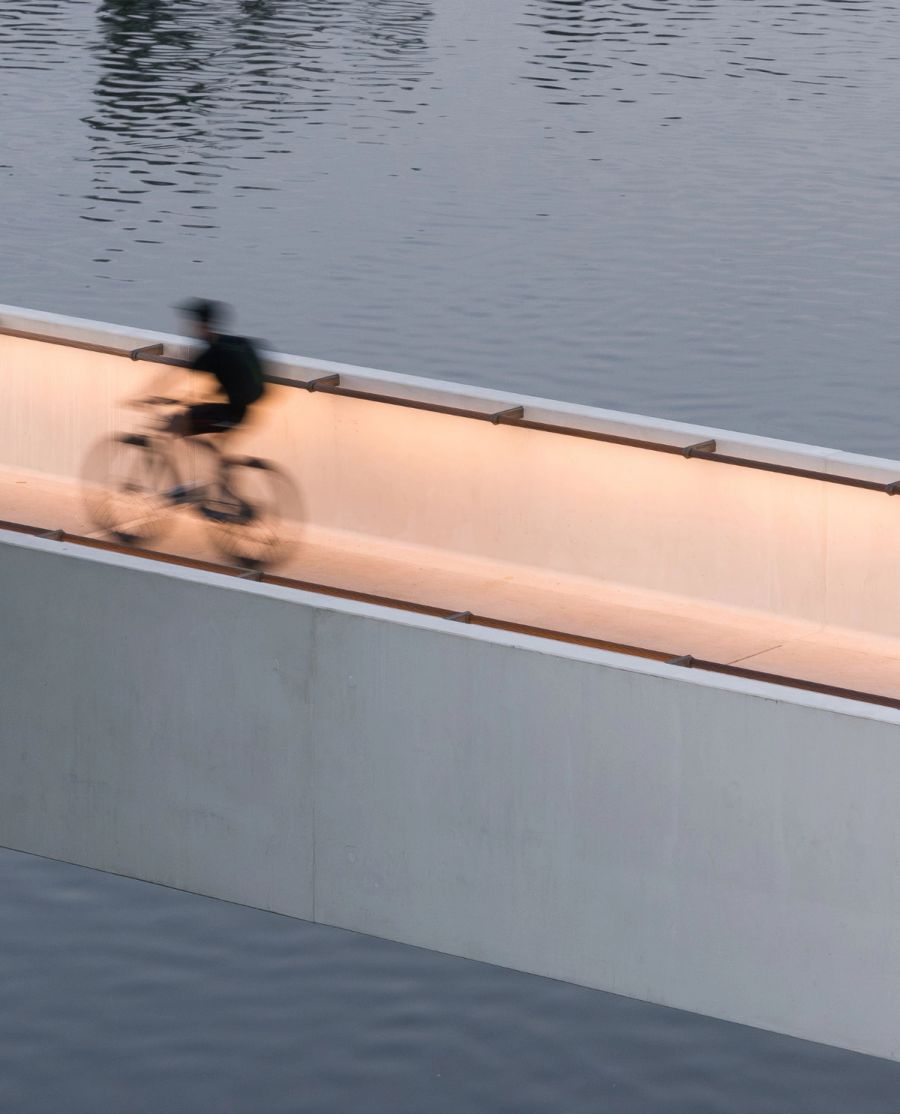
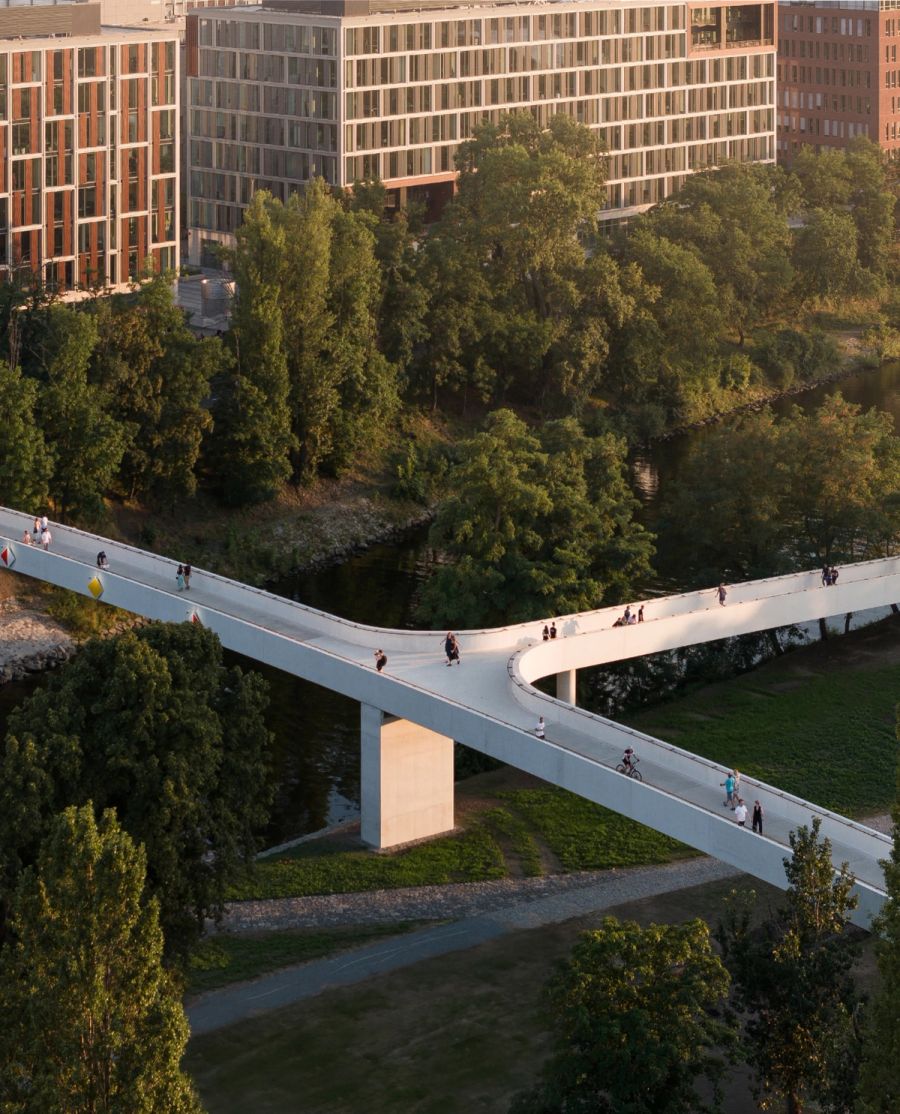
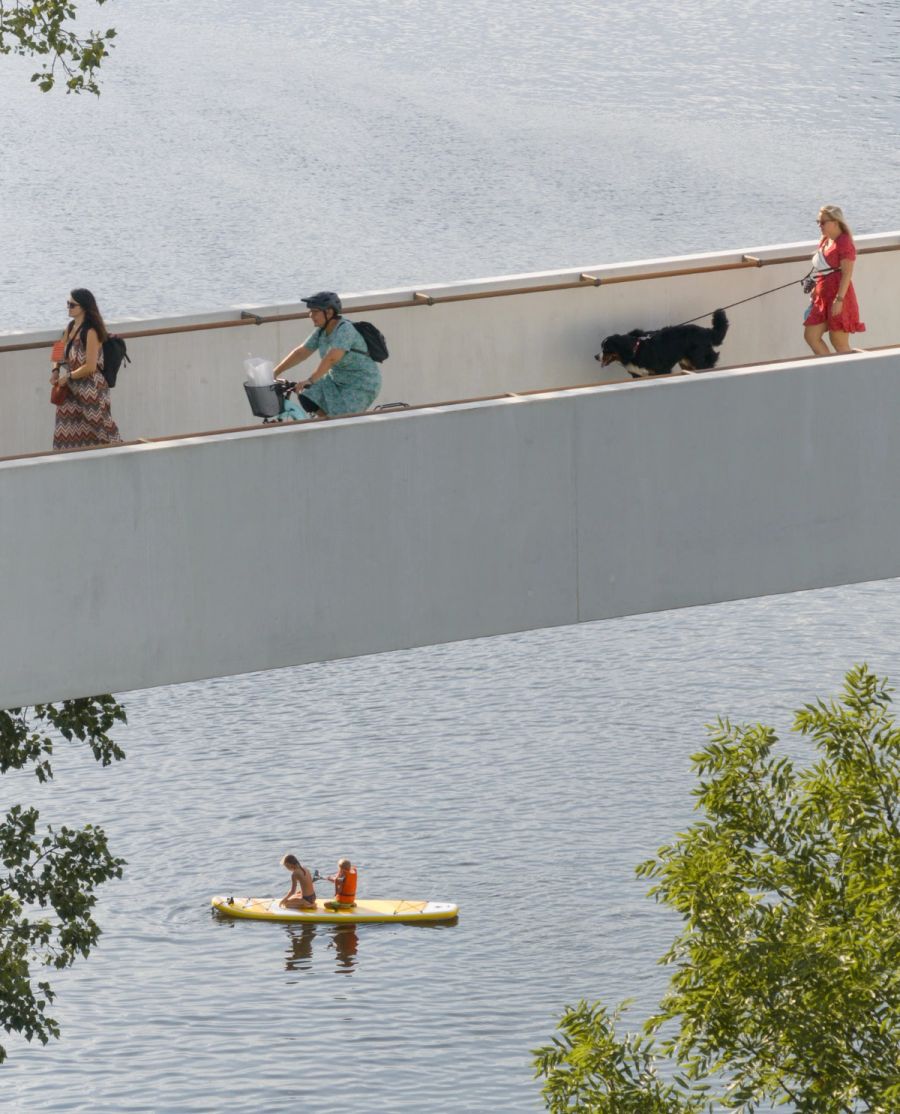
Alex Shoots Buildings - @alex.shoots.buildings
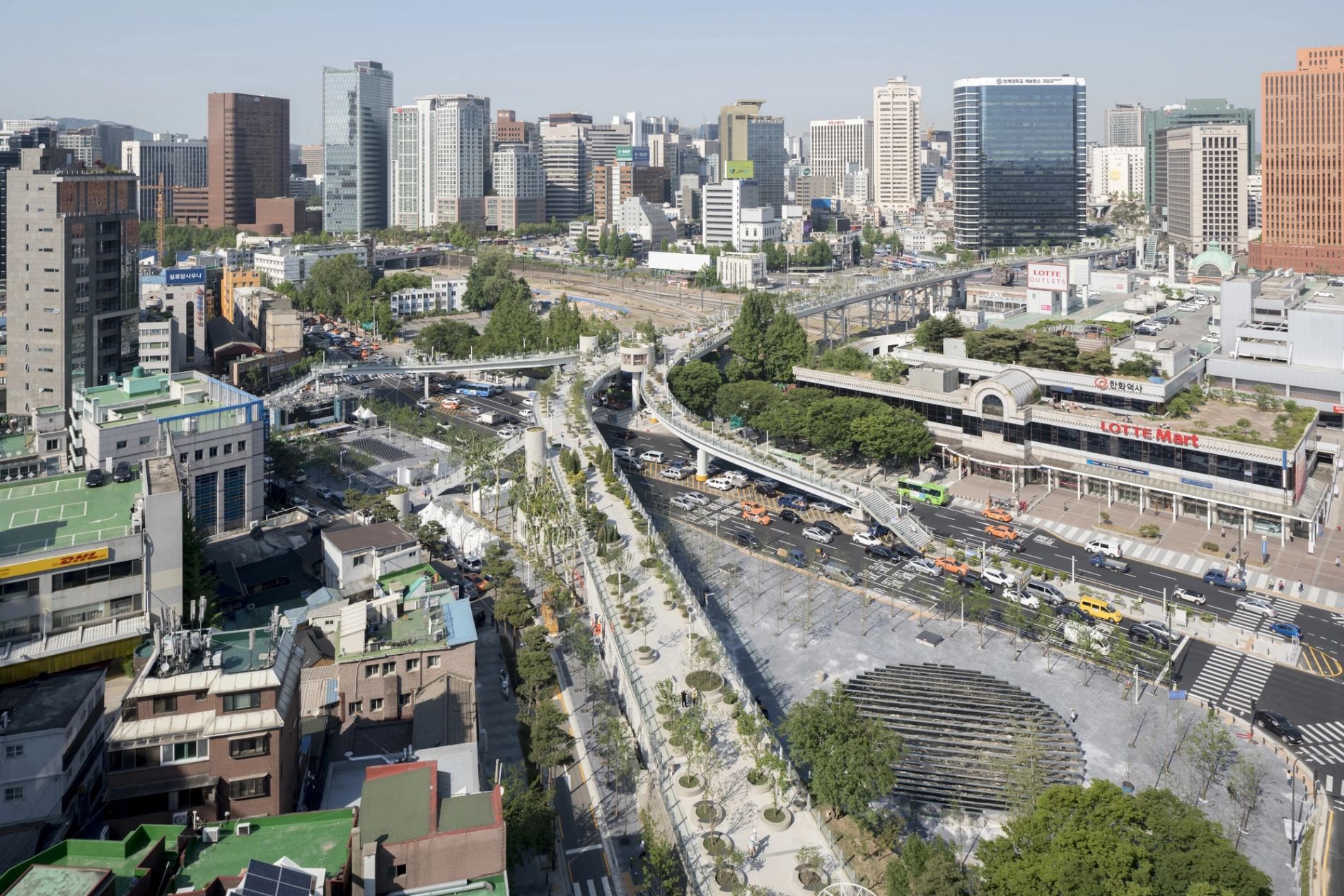
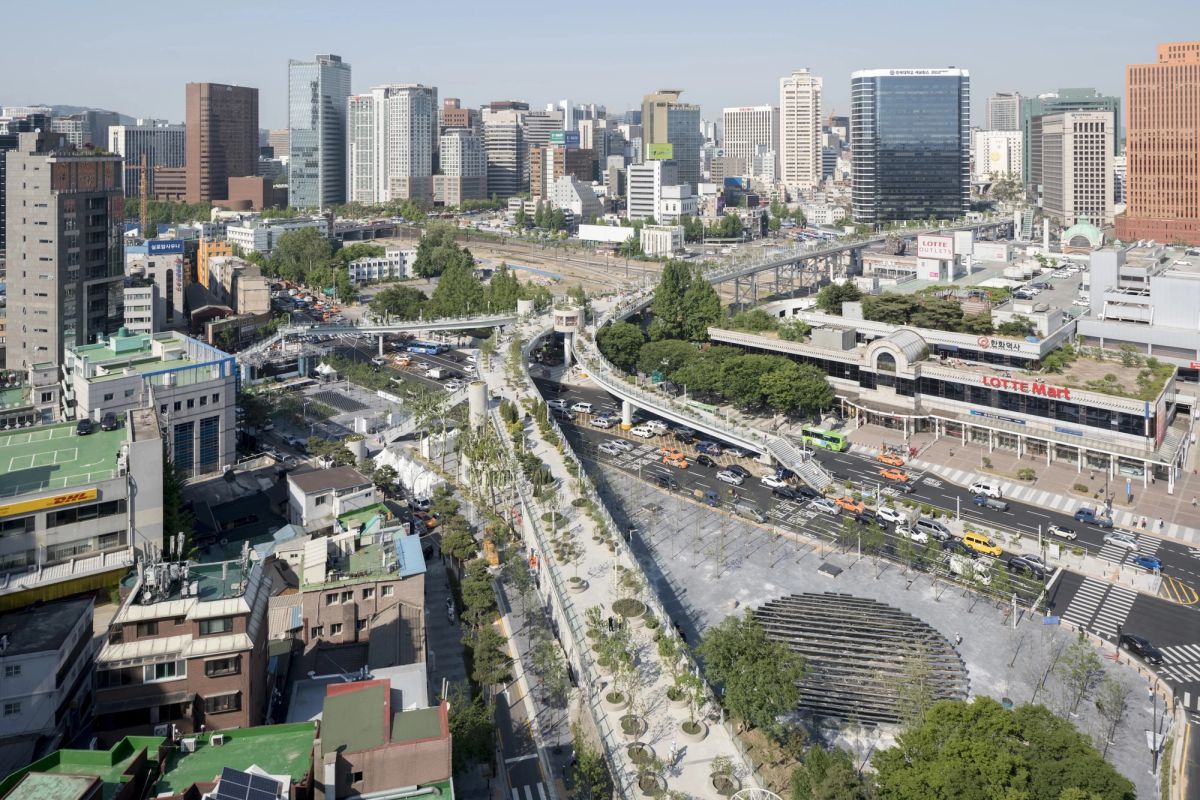
Cities are increasingly exploring new layers of public space, using existing structures to create entirely new environments above the ground. Seoullo 7017 Skygarden in Seoul transforms a former highway overpass into an elevated park that combines ecological design, urban connectivity, and everyday public life. Designed by MVRDV, the project turns this obsolete structure into a one-kilometer linear garden, based on a unique “plant village” concept that brings thousands of plant species together into a landscape that shifts with the seasons, reconnecting neighborhoods while bringing nature back into the heart of the city.
The project is often compared to New York’s High Line, which served as an important precedent, but its approach responds to different urban conditions. Here, the emphasis is less on cultural programming or real-estate activation and more on biodiversity, walkability, and everyday use. The result is a botanical landscape that reintroduces local species into the dense urban fabric, changing character as the year progresses.
Beyond its visual impact, the project shows what reuse can do. By building on existing infrastructure, the intervention reduces material consumption while creating a new pedestrian layer that reconnects neighborhoods previously separated by traffic corridors. The city gains a second walkable level, and a completely different way of being experienced.
Seoullo 7017 shows how public space can emerge from unexpected structures, combining environmental resilience, urban connectivity, and everyday civic life. More than an iconic design, it is a replicable argument: obsolete infrastructure need not be demolished. It can be reimagined.
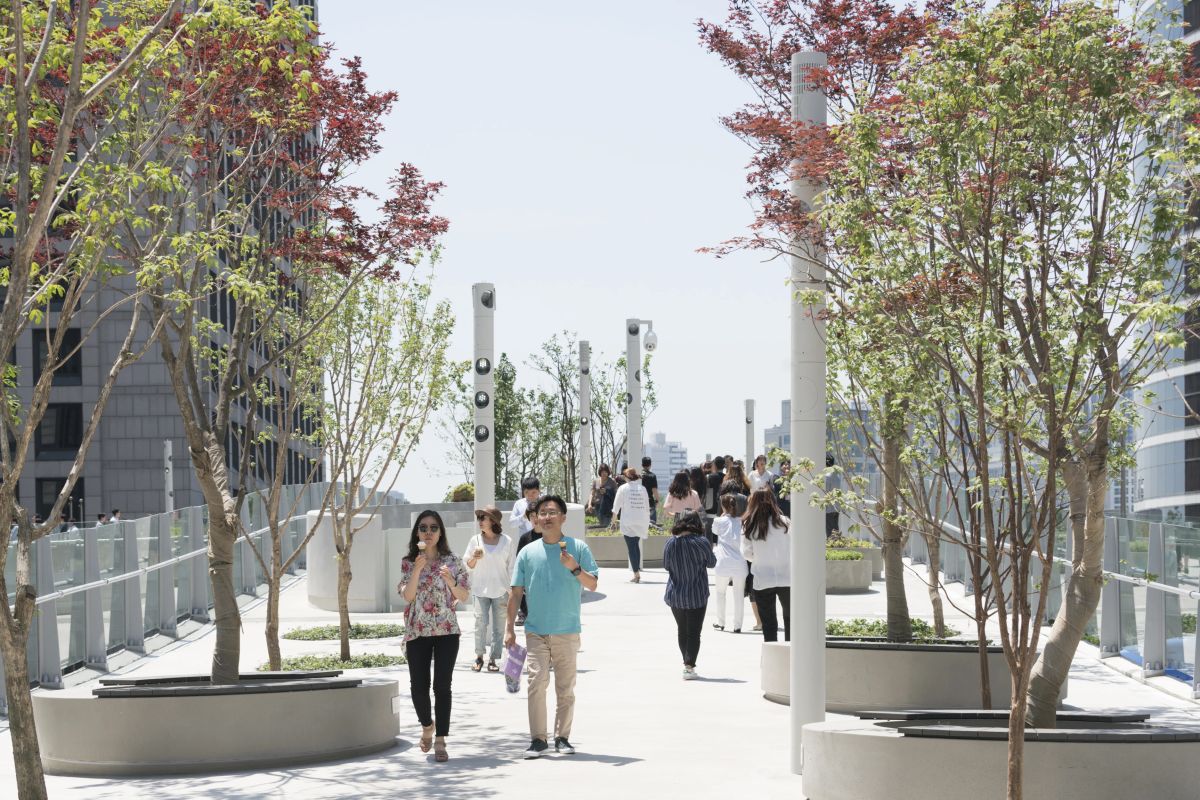
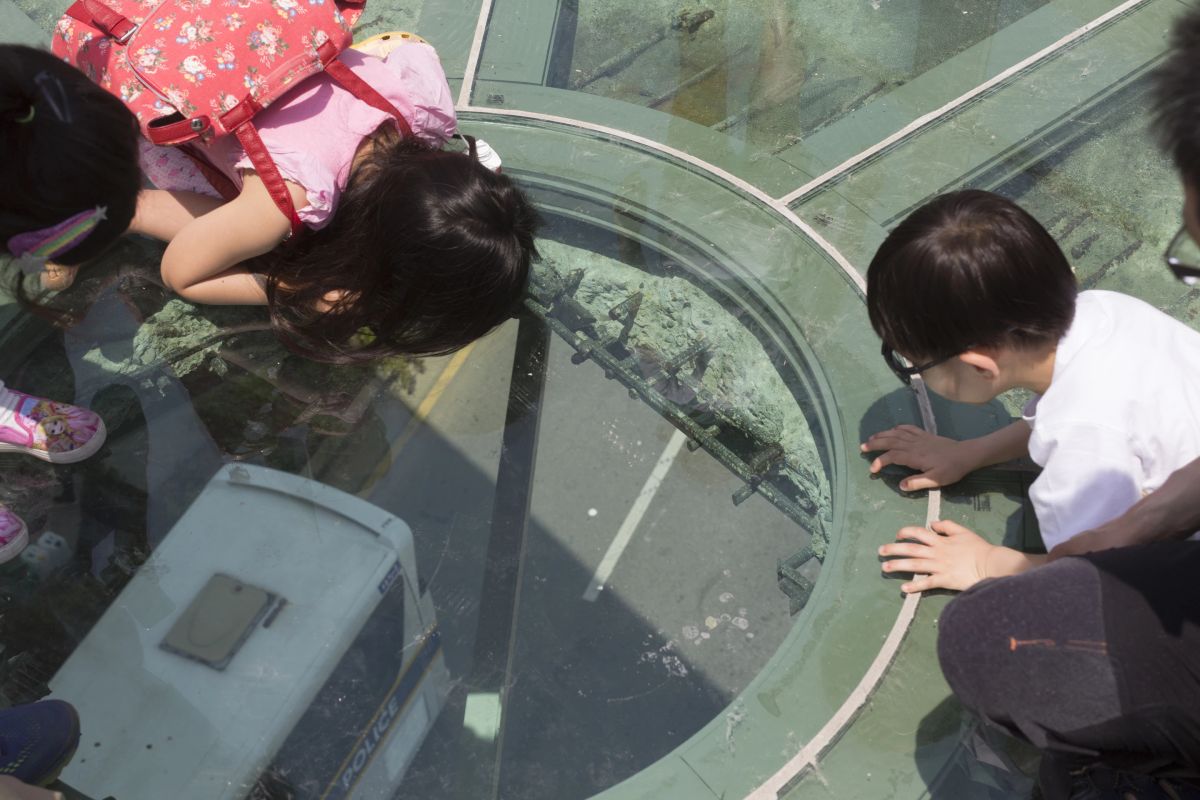
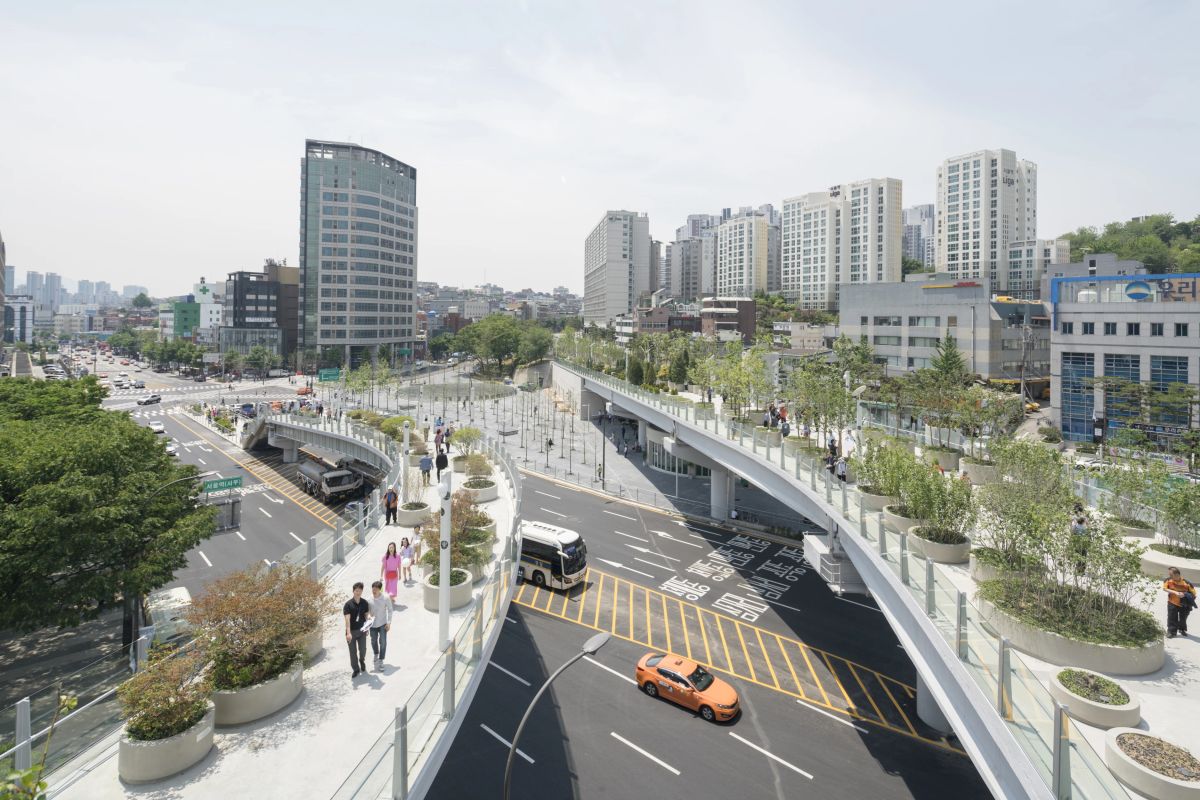
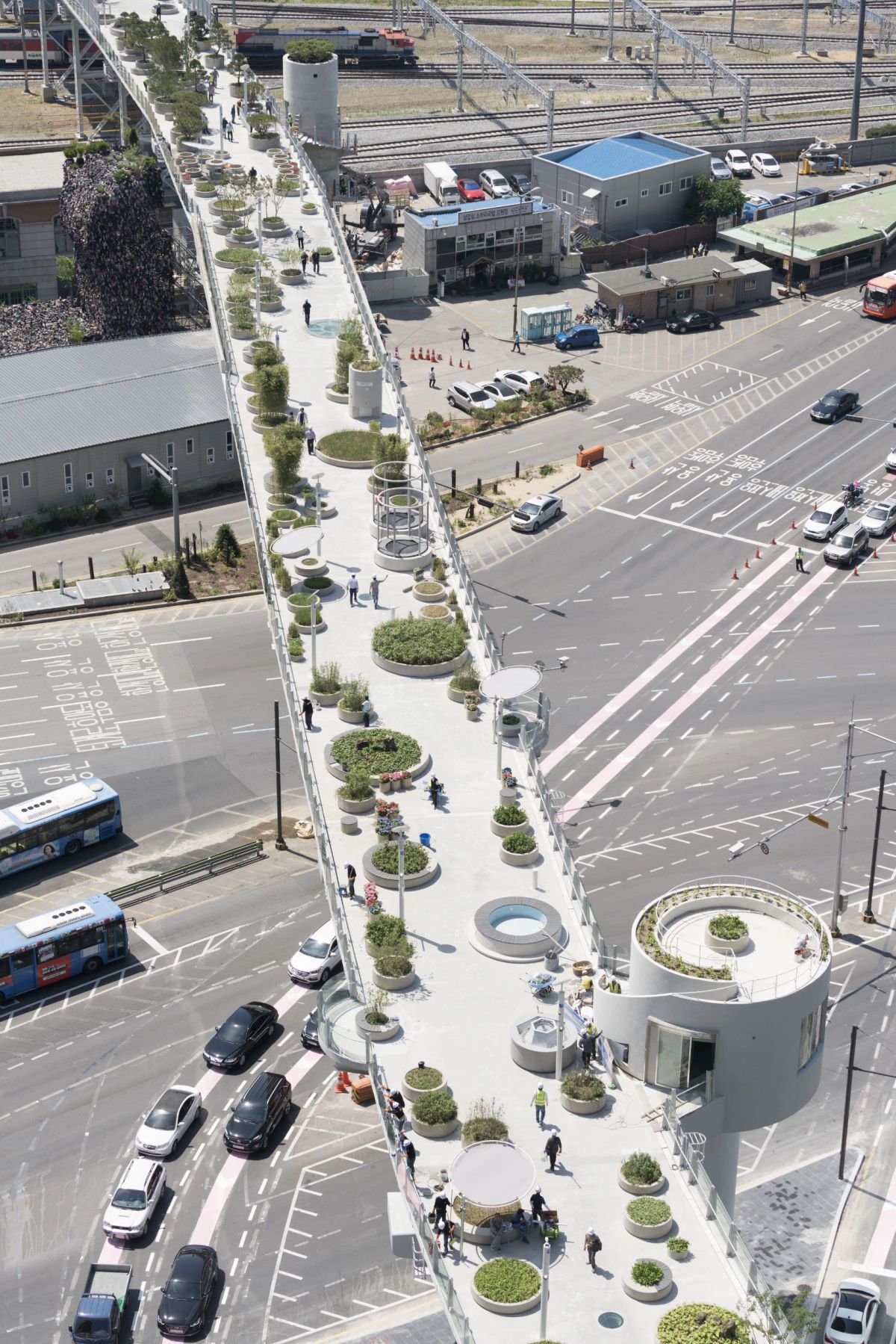
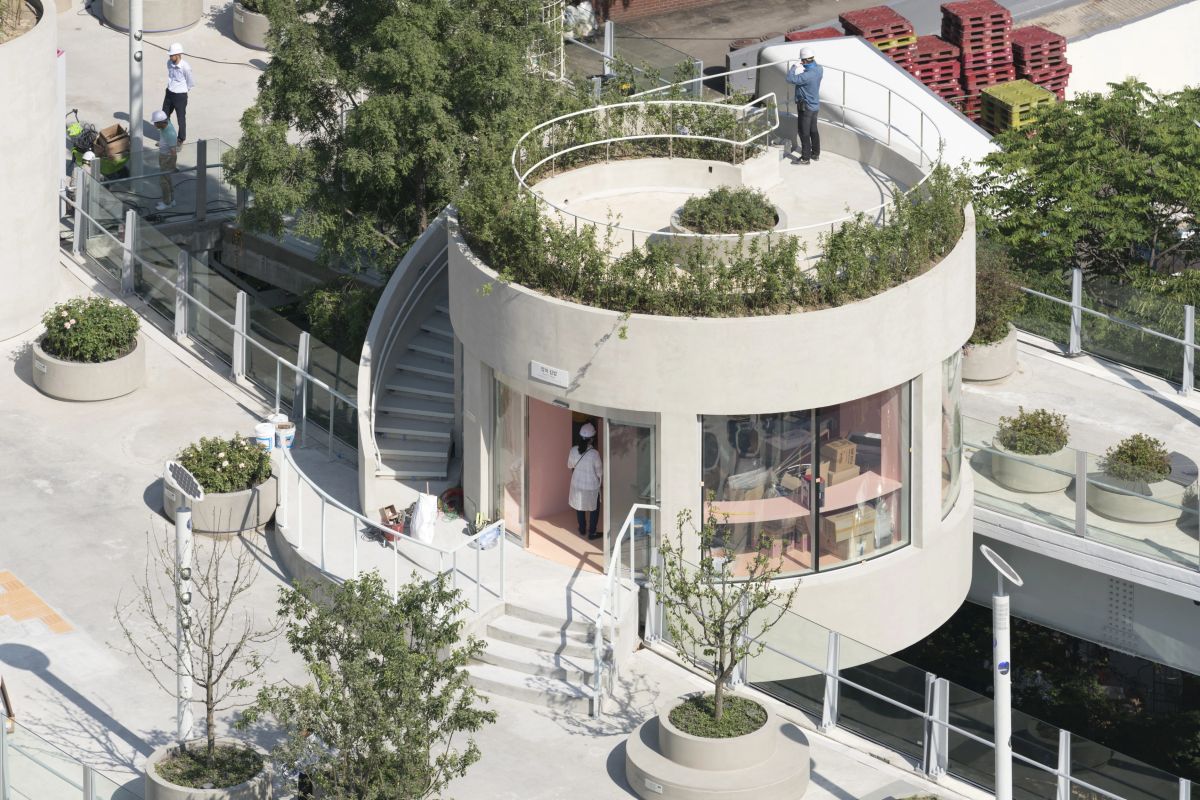
© Ossip van Duivenbode | MVRDV Skygarden Seoul
Some of the best public spaces can also grow out of the most unexpected landscapes. In Beringen, a former coal-mining terril has been transformed into the be-MINE Play Landscape, an “adventure mountain” that combines playground, landmark, and landscape in a single public environment. Built on an industrial spoil heap, the project turns a relic of the mining past into a place for exploration, recreation, and community life.
Designed by CARVE and OMGEVING, the intervention preserves the memory of the mining site while redefining it as a space for play and collective use. A striking linear concrete structure crosses the slope, reinterpreting the geometry of the former mining infrastructure as a climbable spine that organizes movement and activities across the terrain. This element gives the project a strong landmark identity while keeping it fully accessible and open to multiple ways of experiencing the landscape.
Beyond its visual impact, be-MINE is especially relevant for its capacity to be replicated in other contexts. Many cities face the challenge of regenerating landfills, industrial hills, or obsolete infrastructures, and the project offers a clear example of how these constraints can become opportunities. By combining landscape design, play infrastructure, and heritage reinterpretation, be-MINE turns an industrial relic into a living public space, proof that even the most unexpected landscapes can become places where community life takes root. ●
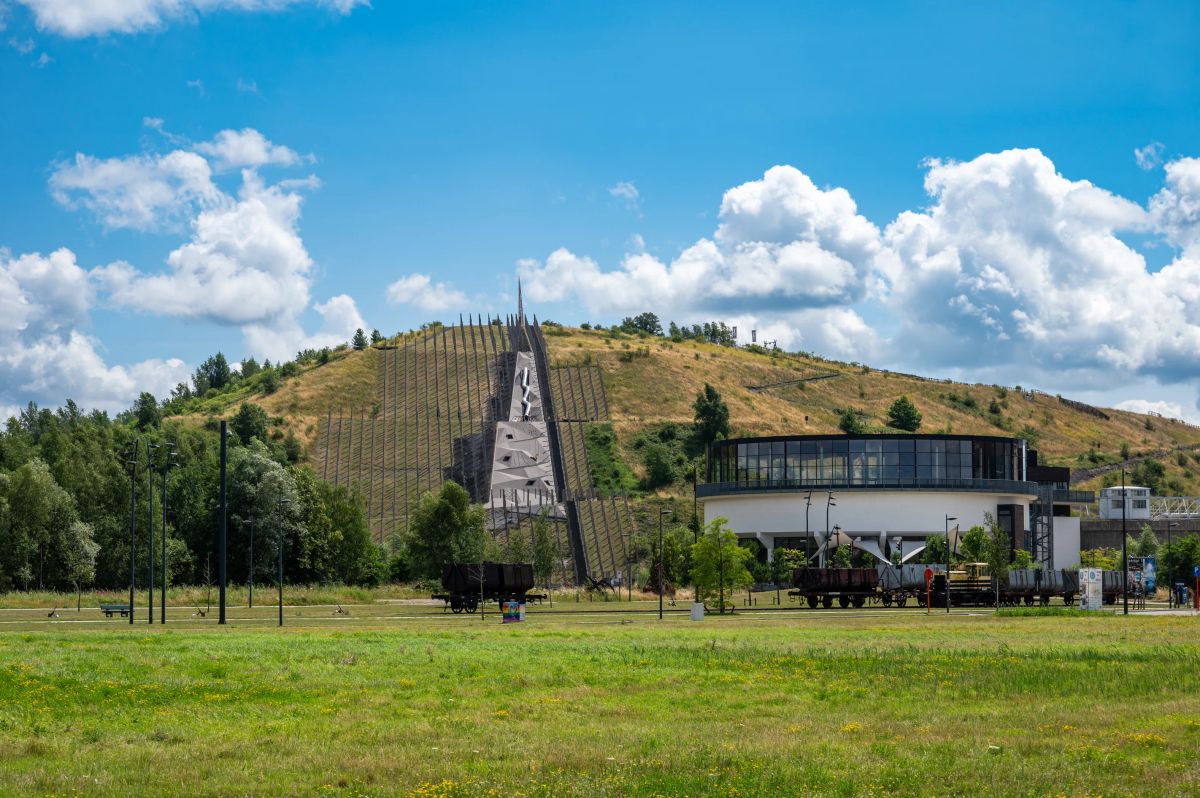
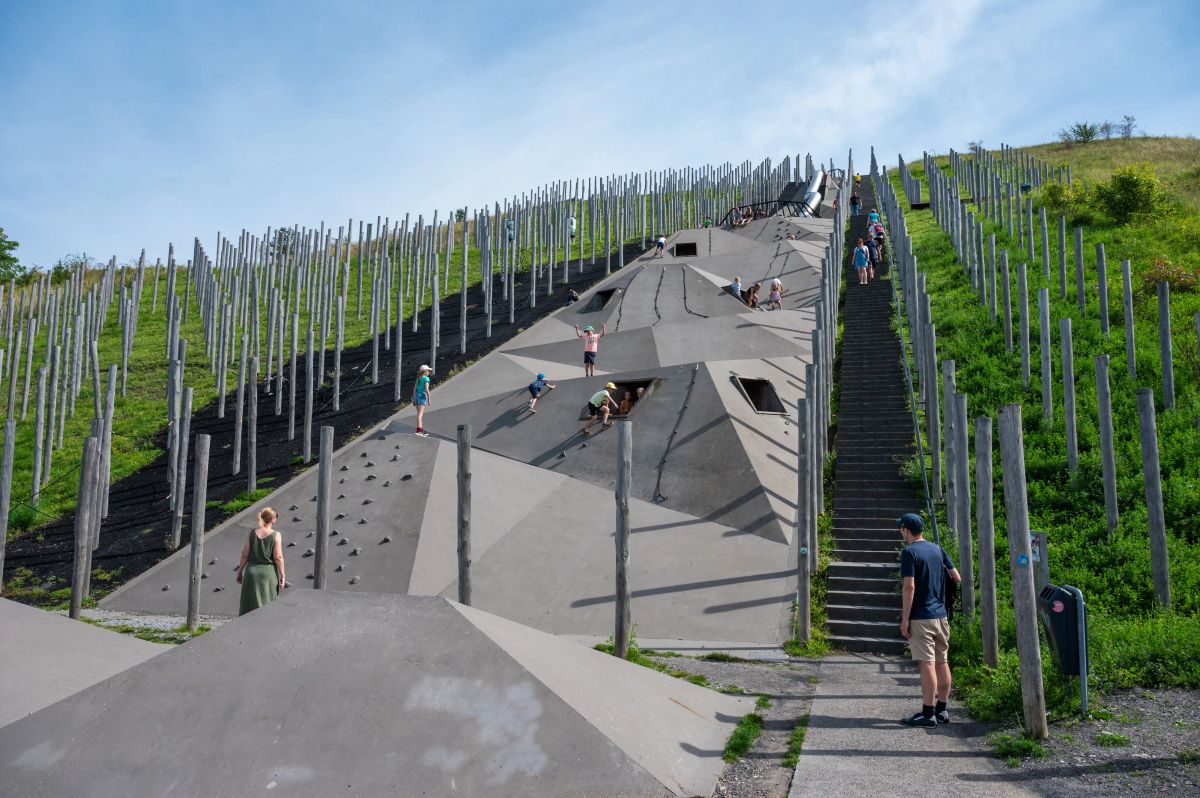
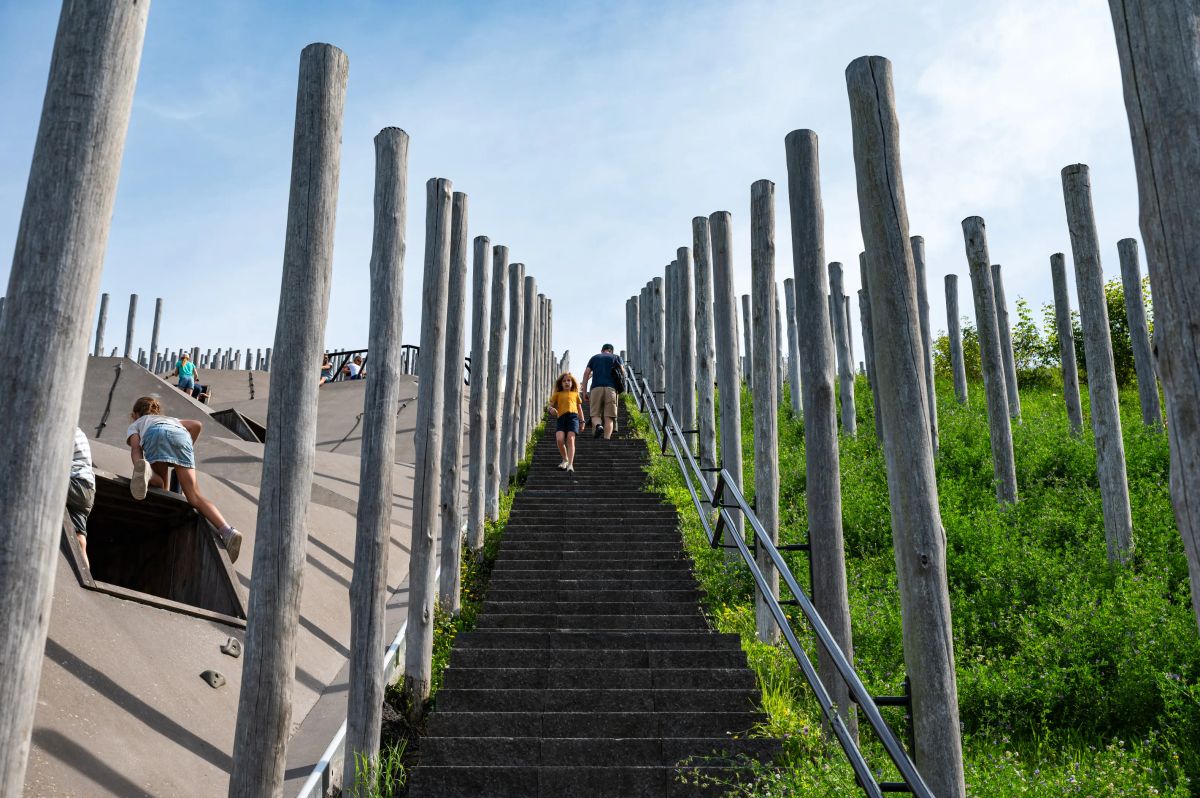
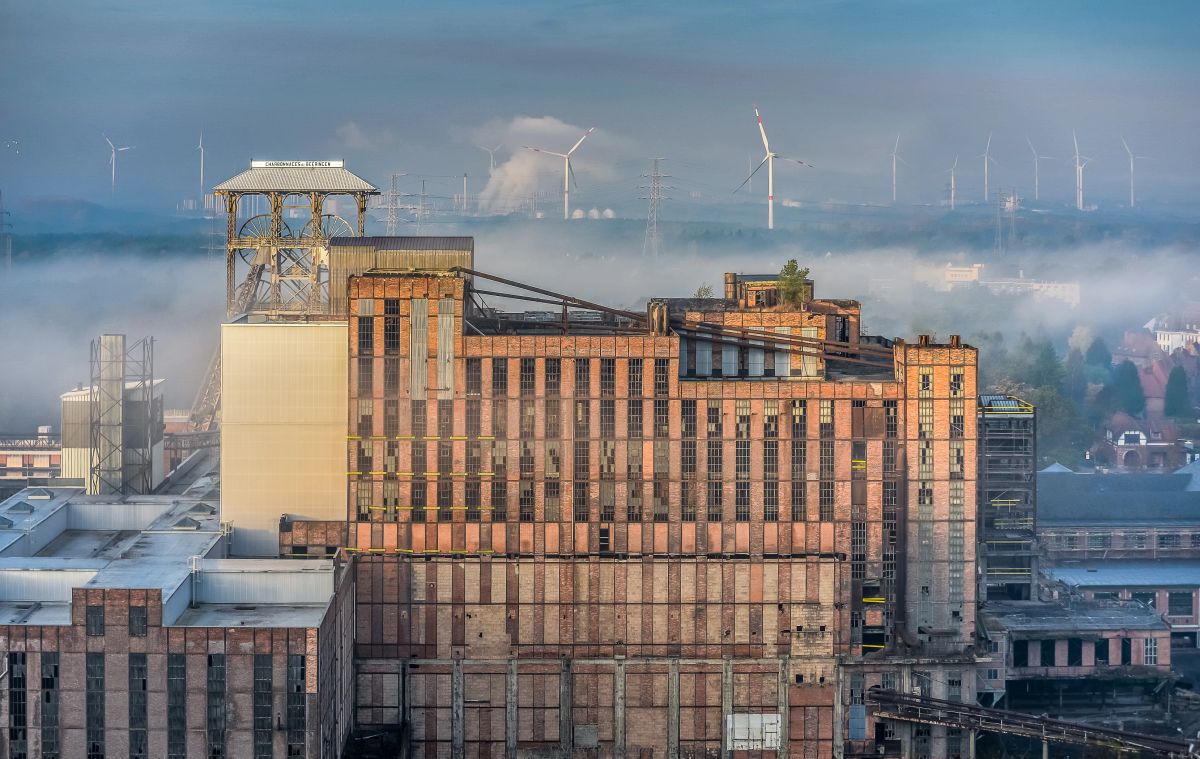
Images by Werner Lerooy (1,2,3) and Steve Guessoum (4) on Dreamstime.com
Related Articles

From Thermal Gaps to Biomimicry: The New Vocabulary of Urban Climate Action
Cities in 2026: 5 Urban Tensions That Will Make Headlines — And 5 Ways to Move Forward
«When you ride a bike, the city opens itself to you»
.jpg?w=1000&q=80&fit=max&auto=format)