.jpg?w=1900&q=80&fit=max&auto=format)
My flânerie around Tokyo's stunning public toilets
People were using these toilets as if they were nothing more than toilets. As part of their daily routine. I, on the other hand, stood there with my mouth slightly open – sometimes taking photos as discreetly as possible – surprised and amazed by the small urban art gems I was witnessing.
On a sunny, warm and humid summer day in Tokyo, I spent hours walking. Those were my last weeks in this lovely bustling city – where I had been living while I was completing the last stages of my master’s – and I had nothing in my backpack but a camera, a bottle of water and an unusual level of excitement to visit public toilets. Maybe a bit too much, as I could tell from the look my friend Marie gave me when I suggested this urban adventure. Regardless, we took the train from our dorm, ready to visit the 17 toilets that make up ‘The Tokyo Toilet’ project.
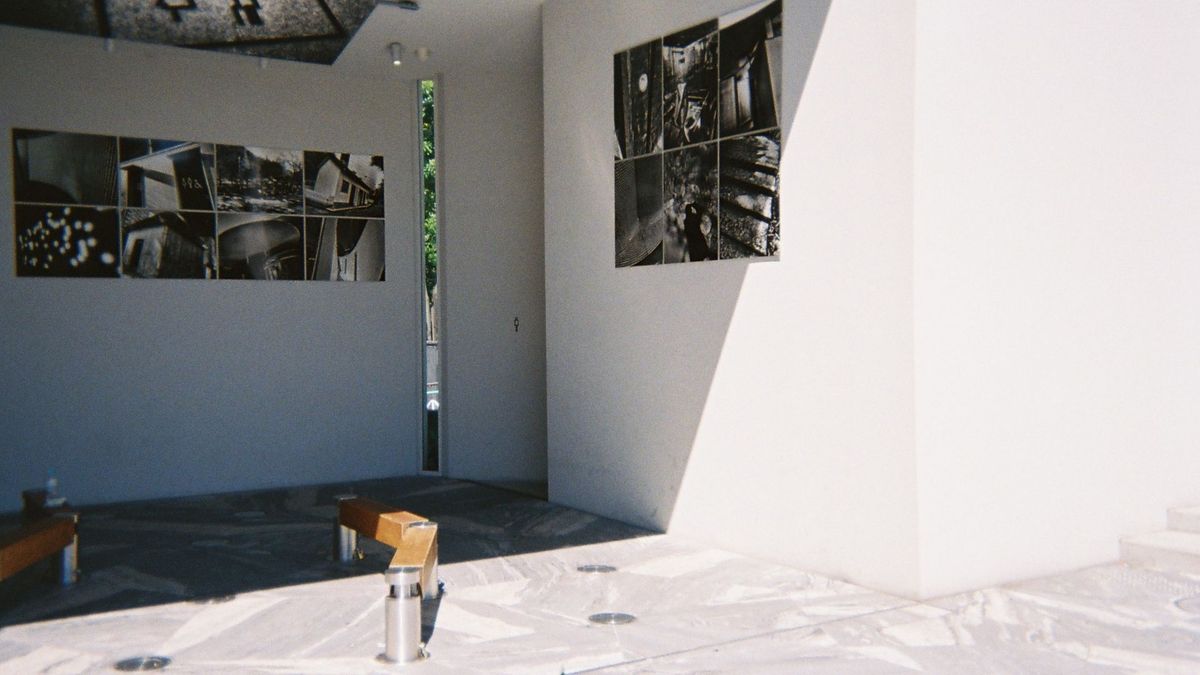
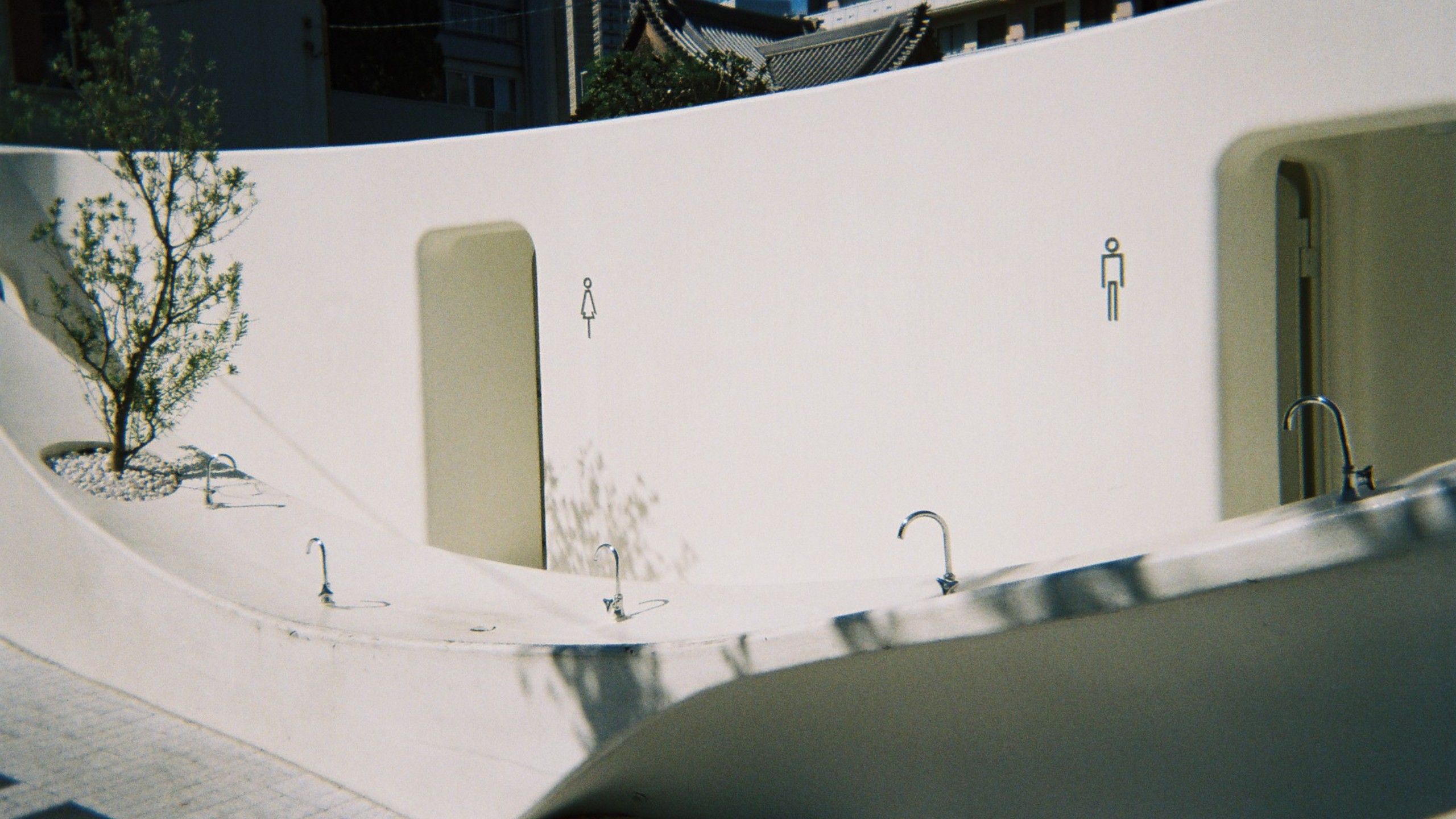
Hatagaya Toilet, created by Miles Pennington / UTokyo DLX Design Lab
Out of all the things you can visit in Tokyo, what makes these toilets special? This kind of public infrastructure is usually thought of as a purely functional, and certainly not something you would travel across a city to visit and admire. But on this occasion, I am talking about a network of stunning public toilets that you can find scattered around Shibuya Ward, designed to be used comfortably by everyone, and created by well-known names like Tadao Ando, Sou Fujimoto, Junko Kobayashi or NIGO®, alongside Pritzker winners Toyo Ito and Shigeru Ban. In 2018, The Nippon Foundation was commissioned with this project, aimed at giving a twist to one of Japan’s flagship qualities: its hospitality culture. If you have ever visited or lived in the country, you will know how convenient it is to find toilets in Tokyo. Maybe they are not as frequent as convenience stores or vending machines, but still, very convenient.
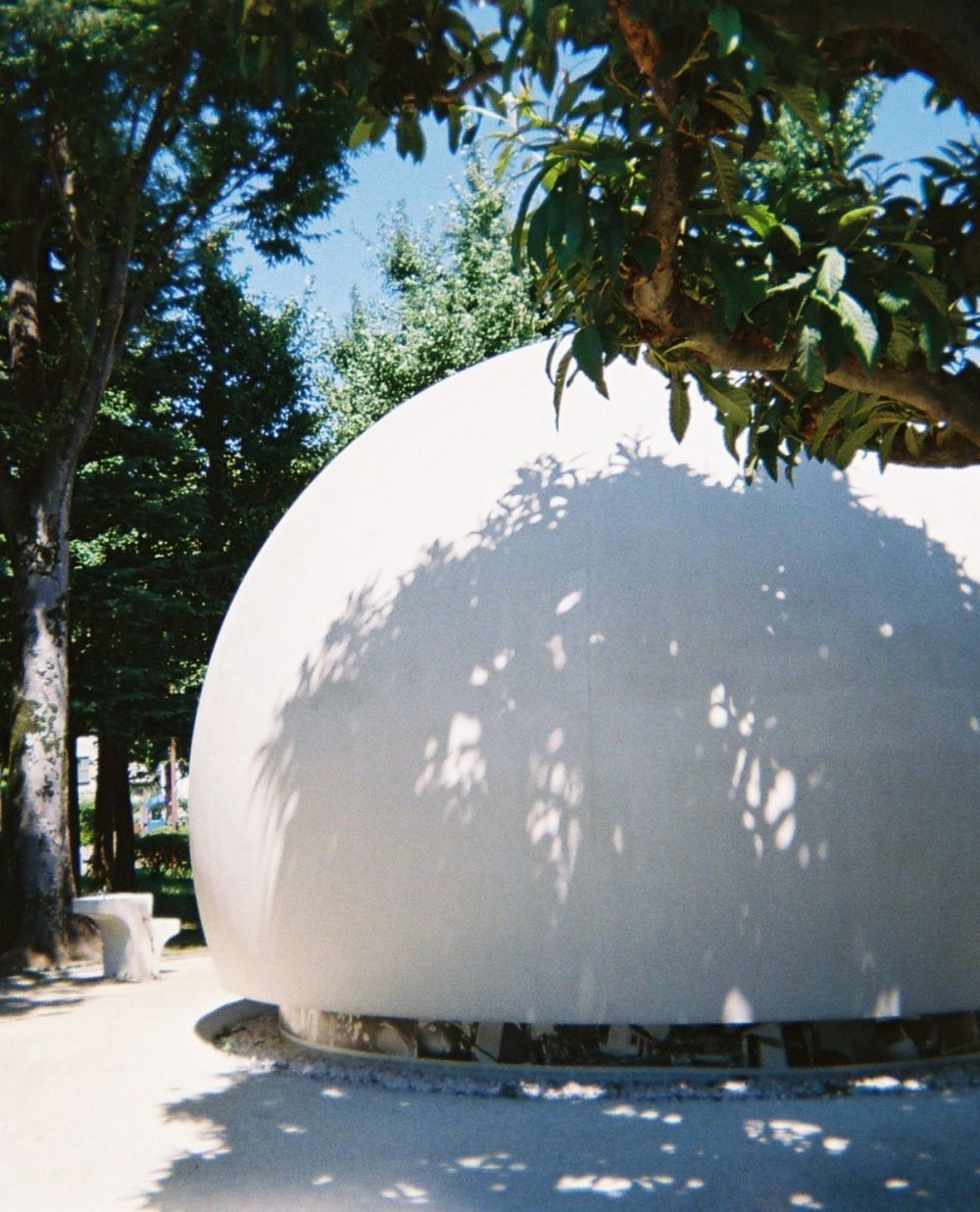
Nanago Dori Park toilet, created by Kazoo Sato
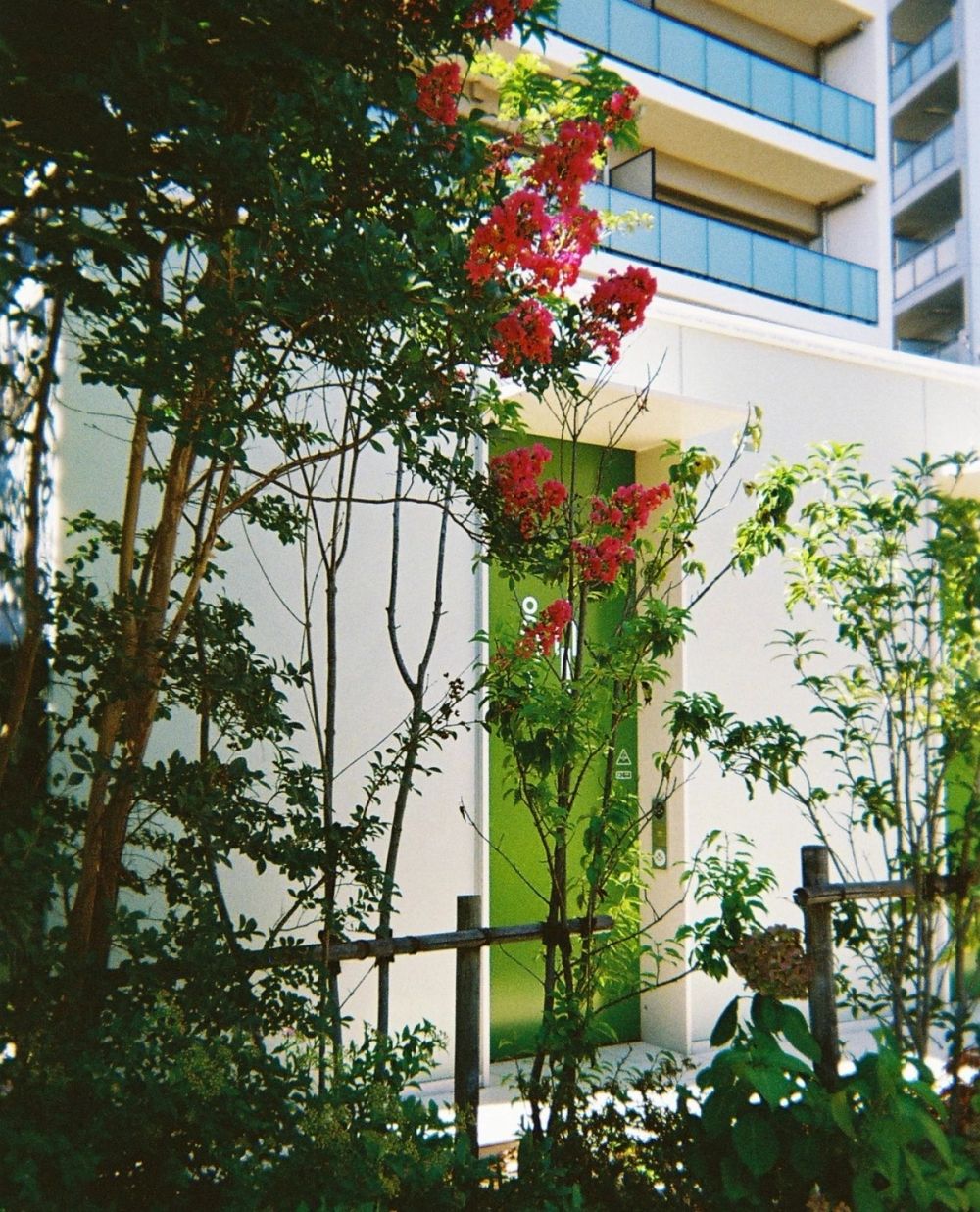
Nishihara Itchome Park toilet, created by Takenosuke Sakakura
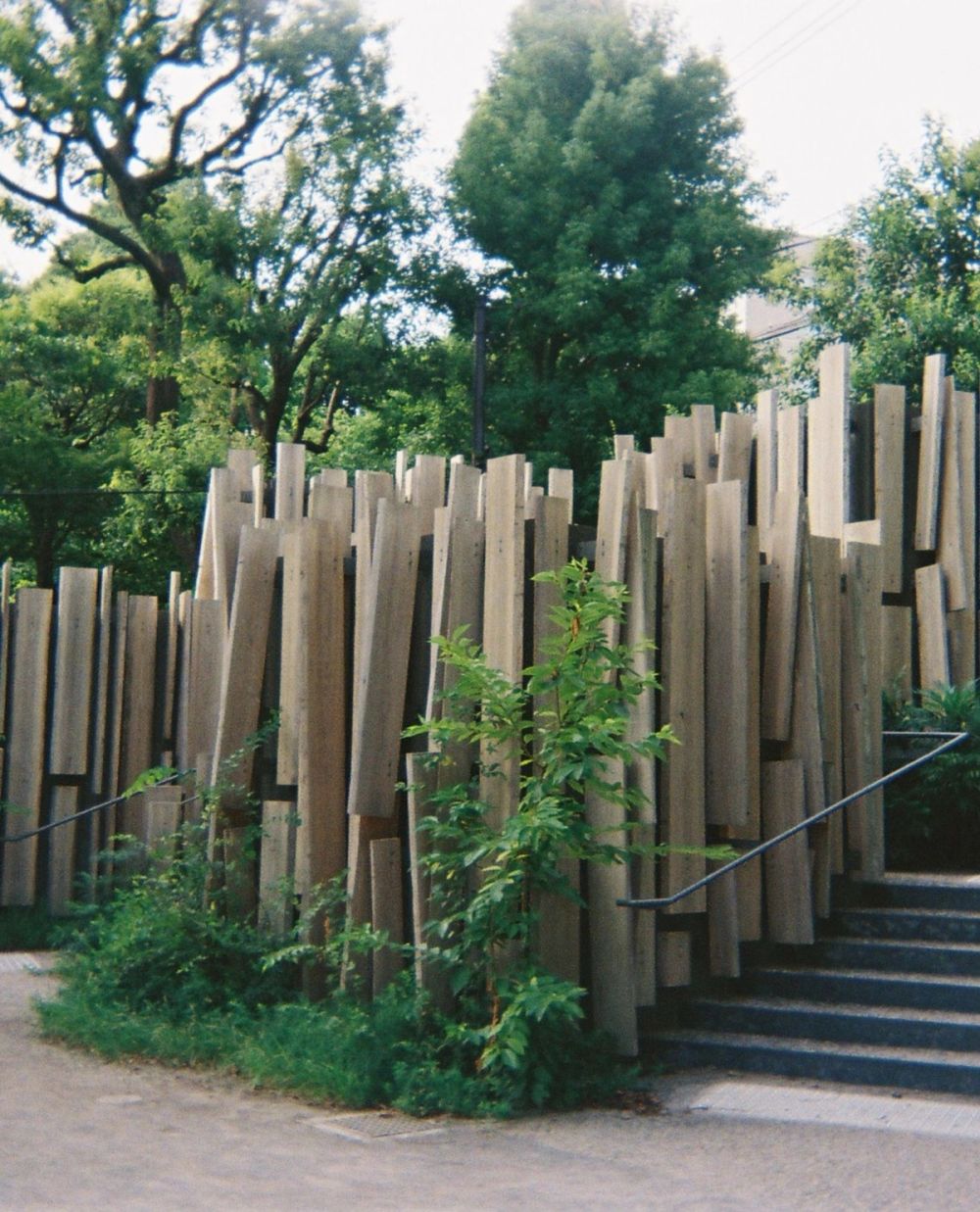
Nabeshima Shoto Park, created by Kengo Kuma
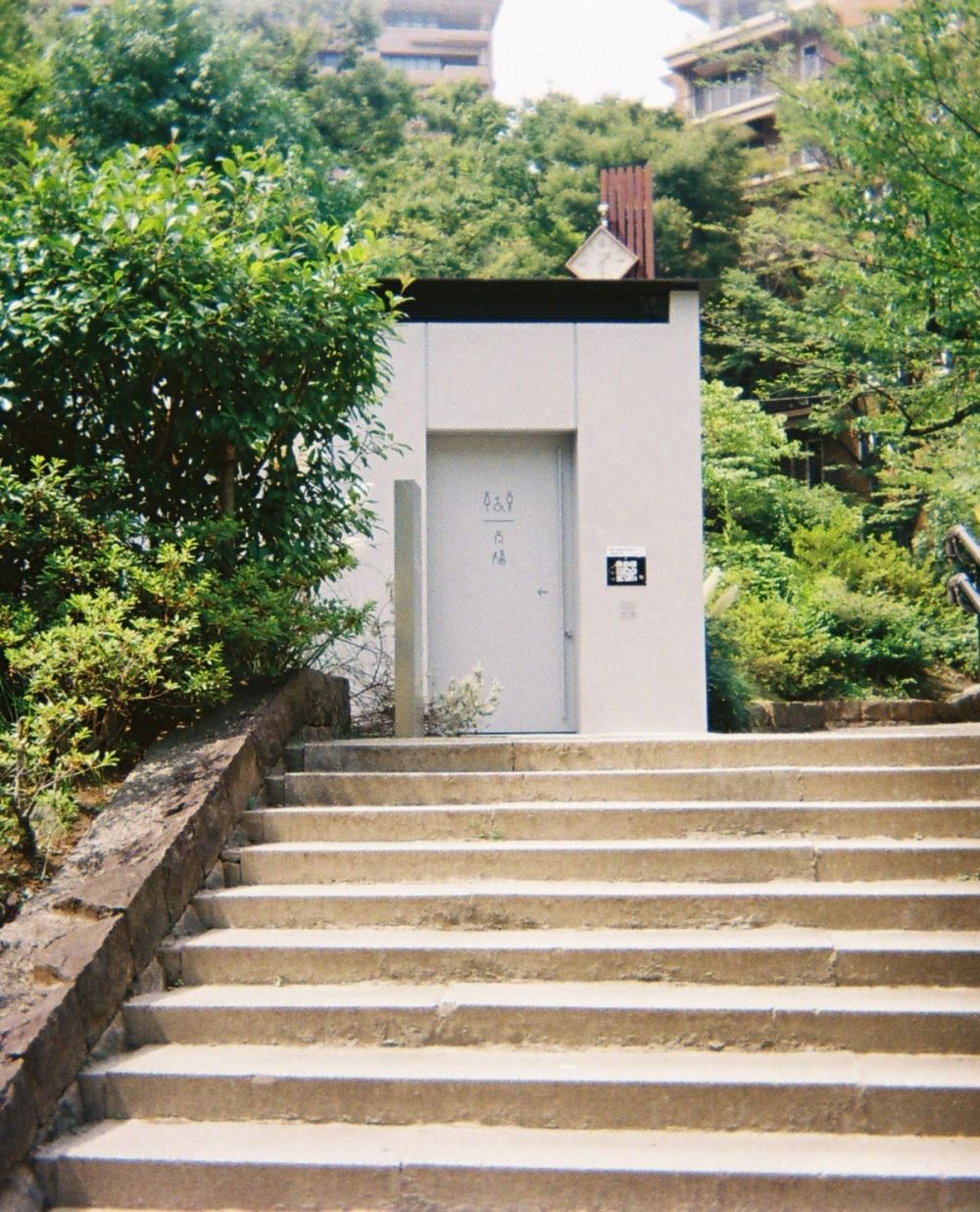
Hiroo East Park toiled, created by Tomohito Ushiro
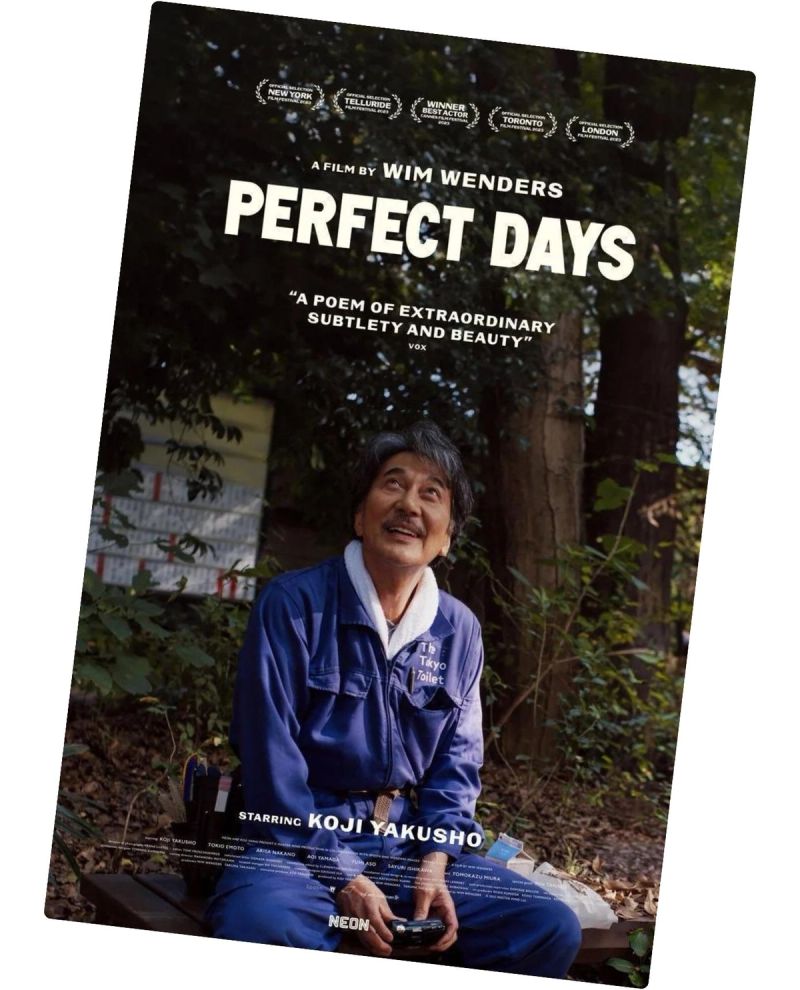
Certainly, I am not the only one who got caught by this interesting initiative that shows how designing public infrastructure can go beyond functionality. German filmmaker Wim Wenders was invited to Tokyo right after the COVID-19 pandemic to make a couple of short films around the facilities, which eventually became the acclaimed movie Perfect Days. Capturing the quiet beauty of everuday life, Kōji Yakusho portrays Hirayama, a janitor who works cleaning these toilets. A beautifully selected soundtrack – played with the cassettes that Hirayama has – features artists like Patti Smith, Nina Simone or Van Morrison.
Back to my sunny, warm and humid day in Tokyo, my friend and I got off the Keiō Line at Sasazuka Station, ready to start our unusual tour. As we got out of the station – where I was innocently expecting some kind of sign pointing towards our first stop – there was no indication of our particular touristic attraction of the day. Yet, wandering around, tucked underneath the elevated railway tracks that run into Sasazuka Station, copper plated columns topped with bright yellow discs stood out. Junko Kobayashi, architect, President of the Japan Toilet Association and creator of this toilet, felt like the perfect introduction to our route. Fascinated by the design, we stepped inside, where you felt the privacy of the toilet but without the usual urgency to leave as quickly as possible. All sorts of details were taken care of, from dim lights to custom toilet paper (I even kept a couple of pieces as a “souvenir”).
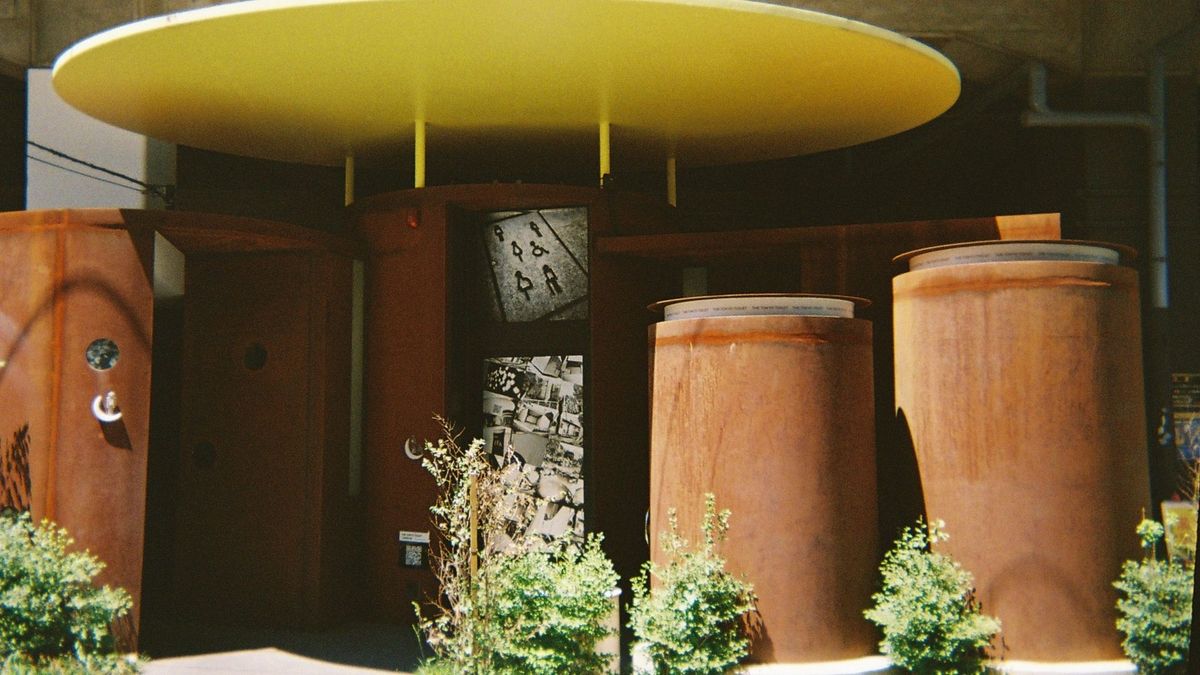
Sasazuka Greenway toilet, created by Junko Kobayashi
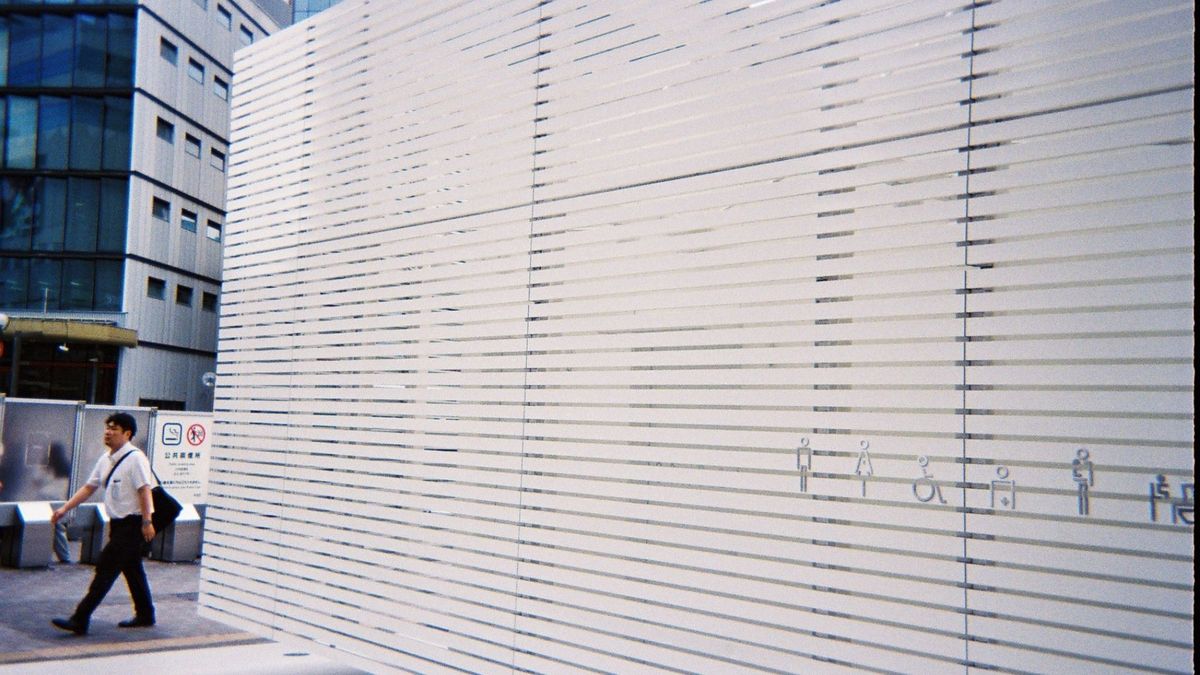
Ebisu Station West Exit toilet, created by Kashiwa Sato
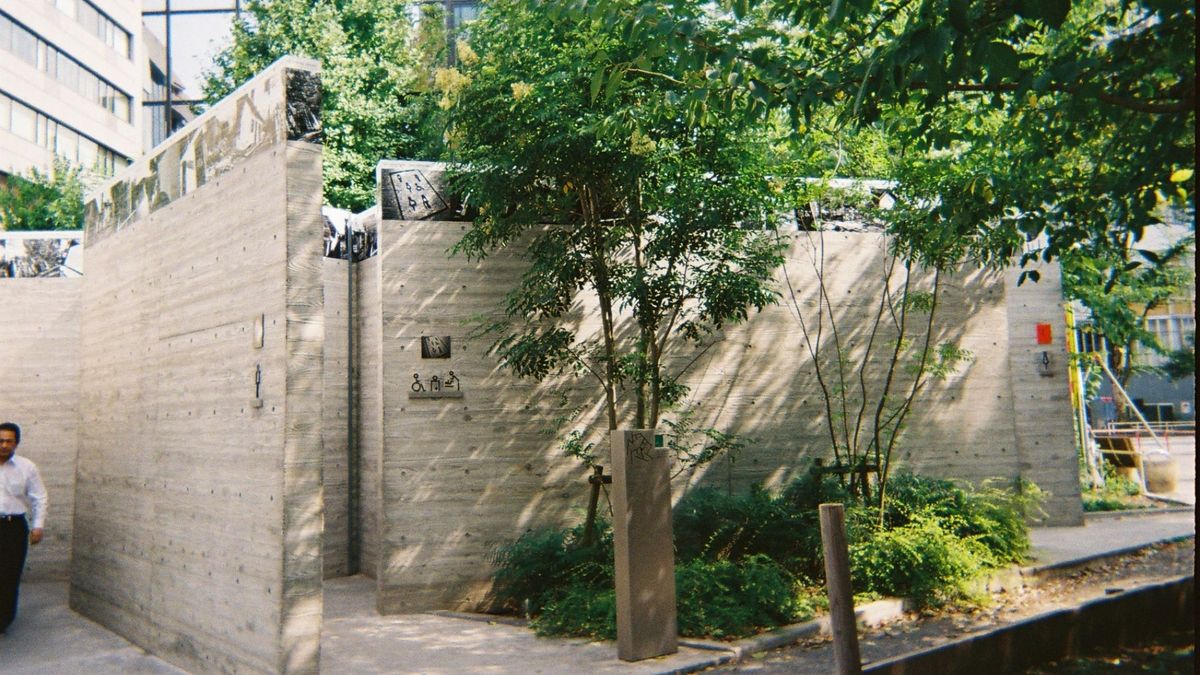
Ebisu Park toilet, created by Masamichi Katayama / Wonderwall®︎
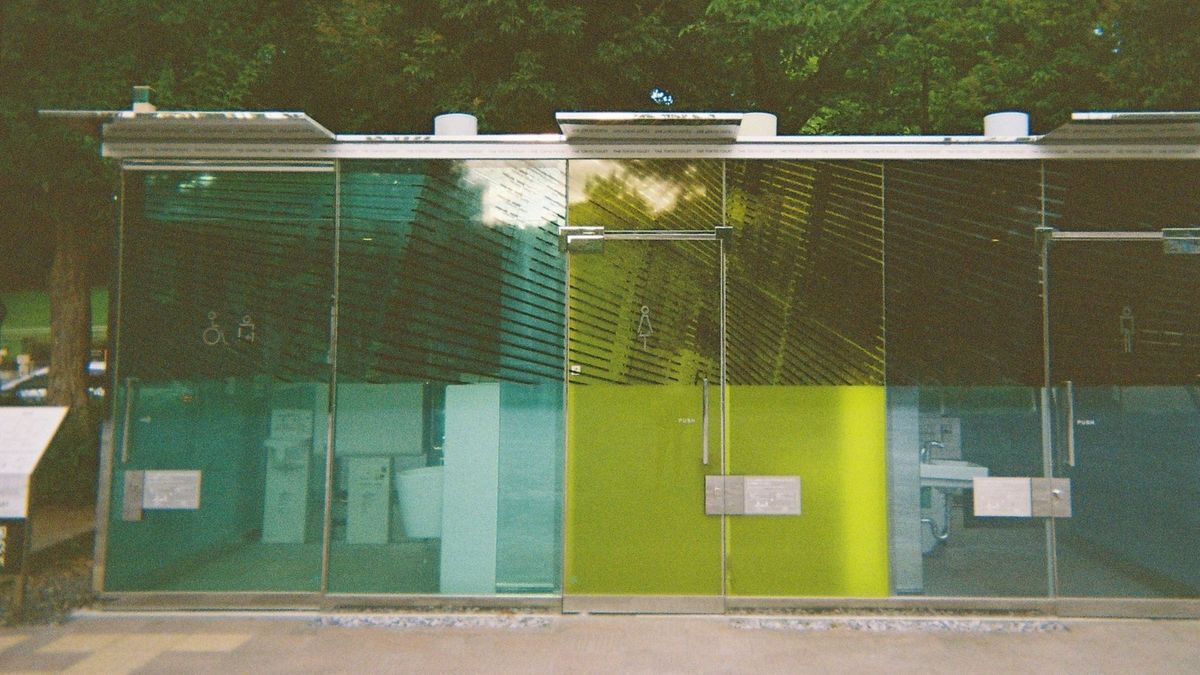
Haru-no-Ogawa Community Park toilet, created by Shigeru Ban
We continued our journey through very different toilets: some were transparent and turned opaque when locked; others embodied Origata, a traditional Japanese method of decorative wrapping; others resembled an old home that stands quietly surrounded by sky-high buildings; while others evoked mushrooms that sprouted from the forest around the Yoyogi-Hachiman shrine.
At some point, something clicked. The activity surrounding the toilets felt mundane. Besides us, no one seemed surprised or stopped to carefully look around. No one took photos. People used them when they were passing by, maybe during a work break or to refresh themselves in the persistent humidity.
These toilets are not treated as landmarks or attractions, but simply as another facility that perfectly blends with the rest of the city’s infrastructure. My takeaway from this project is that thoughtful, beautiful and inclusive urban infrastructure blends in perfectly when it serves the needs of those inhabiting and experiencing the city.
Related Articles
Cities in 2026: 5 Urban Tensions That Will Make Headlines — And 5 Ways to Move Forward

From Thermal Gaps to Biomimicry: The New Vocabulary of Urban Climate Action

«When you ride a bike, the city opens itself to you»
.jpg?w=1000&q=80&fit=max&auto=format)